AI News
TikTok Pairs AI Shopping With One-Click Brand Checkout
TikTok’s new AI products connect shopping guidance and checkout, but commerce partnerships and advertiser…
 James Rivera7 分
Everything we have published, newest first.

The v0.0.13 update brings a higher-priced inference tier and compaction controls, alongside checkpoint compatibility limits and a new shell-terminal lifecycle.
 Angelica Kim7 分
What to check before committing to a platform, from data freshness and connector behavior to recovery, maintenance, and cost.
 Jim Clyde Monge11 分
Google lists both Claude 5.5 models for Ultra and non-trial Pro subscriptions, while three older models face a November 2 removal deadline.
Jim Clyde Monge8 分
Free accounts lose Flash and Pro, AI Plus loses Pro on a separately notified schedule, and AI Pro gains Deep Think.
James Rivera8 分
The OpenAI CEO contrasts his position with Anthropic’s, prioritizing broad public agency while leaving the acceptable level of non-catastrophic harm undefined.
Angelica Kim8 分
Version 0.1.39 improves local inference and developer integration, but its performance gains depend on memory, quantization, and the hardware path you choose.
Jim Clyde Monge8 分
New implementation guidance outlines reasoning-setting compatibility, faster inference options, and regional restrictions that can reshape a production migration from GPT-5.6.
Angelica Kim7 分
The company says it no longer uses government NDAs, but contractor secrecy and enforceable protections for host communities remain unresolved.
James Rivera8 分
David Robinson argues rapid launches undermine safety for autonomous AI; OpenAI says it pauses training and withholds models when necessary.
Jim Clyde Monge8 分
Aleph Alpha’s Apache-2.0 release targets German-English workloads, combining sparse computation and controllable reasoning with a serving stack builders need to configure.
Angelica Kim8 分
Builders can connect their own hardware to Muse, while Home Link adds local-device access through community skills and firmware users cannot replace.
Angelica Kim8 分
TIME attributes the account to an unnamed official, leaving the exchange independently unverified and Grok’s role in the military decision unresolved.
James Rivera7 分
The company describes a restricted cybersecurity rollout, while partner reports offer deployment evidence but leave performance and public availability questions open.
Jim Clyde Monge7 分
Clef and Clef-flash offer bounded decisions for agent workflows, while hands-on fine-tuning precedes a planned self-serve reinforcement-learning platform.
Angelica Kim7 分
I ran the same anime prompts on CivitAI and PixAI's newest model to see how they compare.
Jim Clyde Monge10 分Selected by the editors. Worth your time.

A hands-on look at chat-driven video creation, editable motion graphics, and the parts creators still need to check themselves.
Jim Clyde Monge15 分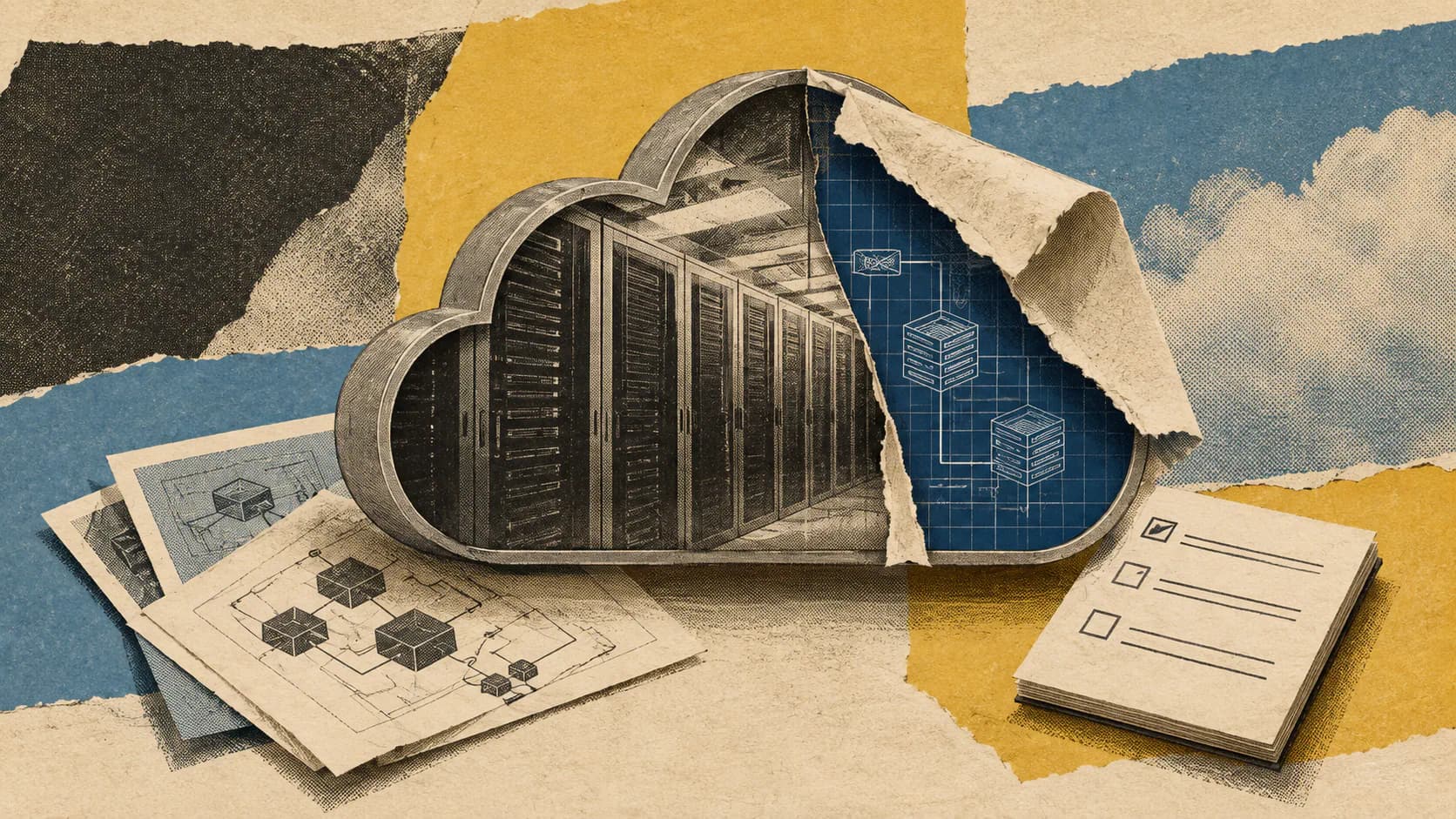
The AWS Support preview reviews deployed workloads and infrastructure code, then proposes fixes that cloud teams must evaluate and implement themselves.
James Rivera7 分
The reported count exceeds the “dozens” cited on OpenAI’s public page, but notifications do not establish that every recipient suffered a breach.
James Rivera7 分
The company cites sensitive-information policy violations, while reported sharing with an outside safety organization raises unresolved questions about confidentiality and independent review.
Jim Clyde Monge8 分
Its four-part Dialogues launch connects live calls, agent permissions, industry workflows and internal knowledge, while its authorization protocol remains in development.
Jim Clyde Monge8 分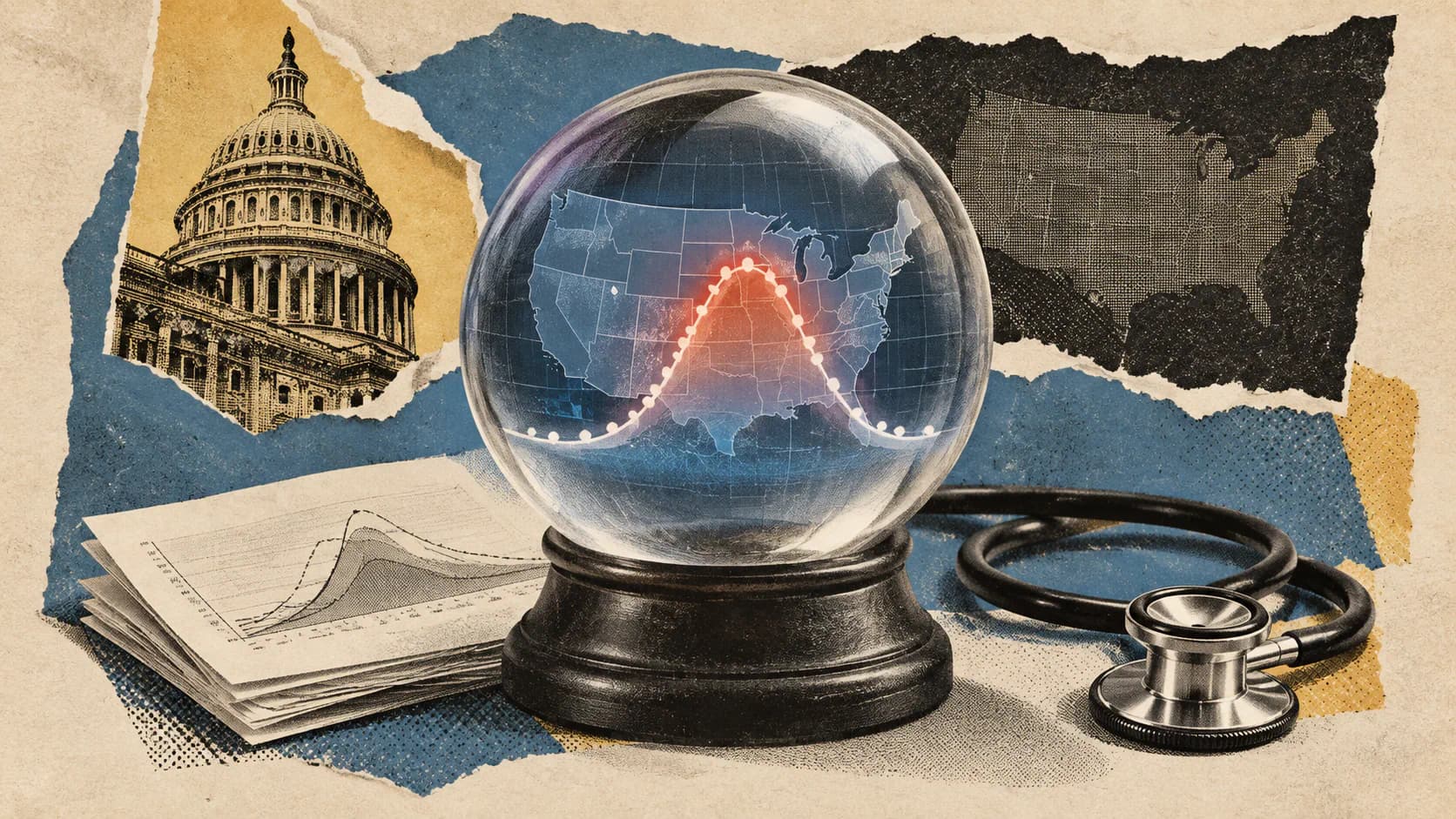
Google’s model led individual-team submissions for 2025–26 state-level flu hospitalization forecasts, but forecast accuracy is not proof of better care.
Angelica Kim8 分
A journalist alleges access he says he never granted; a separate Marketplace incident shows how broad approval can expose private details.
James Rivera8 分興味に合った最新の記事。

Why you should use open models for everyday AI work, and when a paid API still makes sense.
Jim Clyde Monge7 分
Here are some projects to give you plenty of ideas to try with Claude Opus 5.5.
Jim Clyde Monge6 分
If you think Astra is too expensive, you now have cheaper options.
Jim Clyde Monge6 分
People are using Jev to review code, control computers, play games, and organize research. Here are my favorites.
Jim Clyde Monge10 分