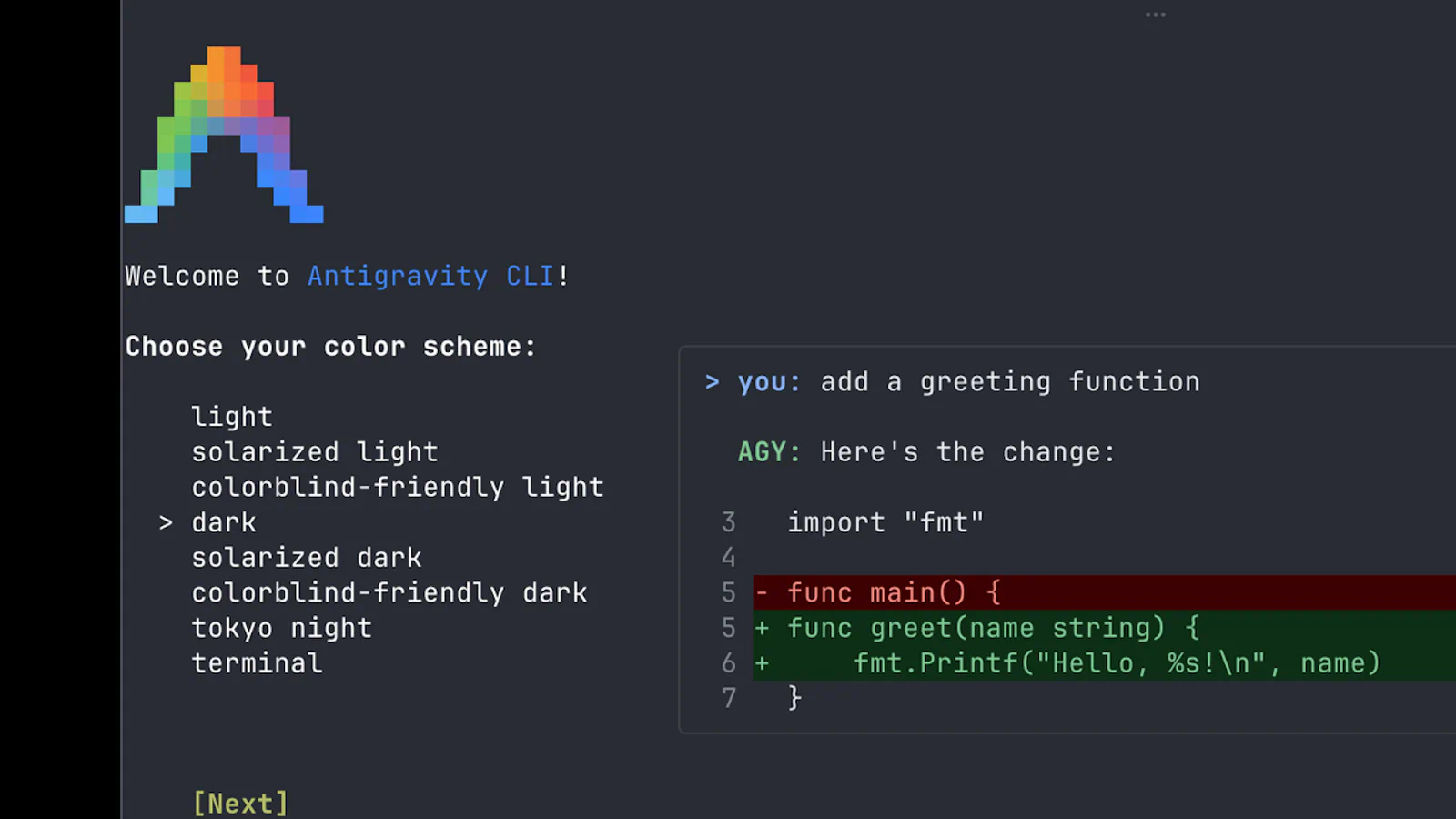
Picking the best AI for coding got harder this year, mostly because the tools kept changing names and owners. Windsurf is now Devin Desktop. Cursor's plans now come bundled with Grok. Google steers developers toward Antigravity for its newest Gemini models.
So here are my six recommendations for November 2026: the coding agents, AI IDEs, and CLIs I'd point a working developer to today.
A quick note on method. I compared each tool's official product page and pricing page, read on November 12, 2026. The picks are my opinion, built on what those pages say about features, limits, and price. I haven't run a benchmark for this piece, so you won't find speed or accuracy scores here.
The list is for developers choosing a daily tool, whether you're solo or buying for a team. I judged each one on four things: where it runs (terminal, editor, or cloud), how much work you can hand off, which models you get, and what you pay. The order isn't a ranking. By the end, you should know which one or two to trial first.
1. Claude Code
Best for: Developers who live in the terminal and want to hand off long, multi-step jobs.
Claude Code is Anthropic's coding agent. You describe a bug fix, a test suite, or a multi-day migration, and it plans, writes code, runs tests, and opens pull requests while you review. It started in the command line, and it now runs on macOS, Linux, and Windows across the terminal, a desktop app, VS Code, JetBrains IDEs, Slack, the web, and mobile.
Anthropic has shipped a lot since September. Key features worth knowing:
- Code Review: Generally available for Team and Enterprise plans since October 15
- Mods: Change how the agent behaves and looks with a few lines of TypeScript, in the CLI and desktop app (October 1)
- Projects: Group related sessions and supervise several agents at once in the desktop app (September 17)
- Agentic search: Maps project structure and dependencies, so you don't hand-pick context files
- Permission controls: Permission modes, allow and deny rules, and hooks decide what runs with or without your approval
Where it's strongest is unfamiliar or sprawling code. Anthropic says Claude Code is designed to follow imports across a repo, run your tests, and keep going when something breaks, and it checks with you when it needs a decision. If you've just inherited a service nobody documented, that's the job I'd hand it first. It also plugs into GitHub, GitLab, and the command-line tools you already use, so there's no new editor to learn.
Pricing follows the Claude subscription:
- Pro plan: $20 per month, or $17 per month with annual billing ($200 up front), with Claude Code included
- Max: $100 per month for five times the Pro usage
- Ultra: $200 per month for 10 times the Pro usage each week and no five-hour limit
- Team: $25 per seat per month, or $20 with annual billing
The trade-offs are about access and limits. The product page lists Pro, Max, Ultra, Team, Enterprise, or a pay-per-token Console account as the ways in, so the free Claude plan won't get you there. Pro and Max usage is capped every five hours and every week, which you'll feel on days when an agent runs for hours. And if switching between OpenAI, Google, and Anthropic models inside one tool is a priority, Cursor and Devin Desktop both advertise that.
Before you subscribe, estimate how many hours a day you'd keep an agent busy and compare that against the Pro and Max limits.
2. Cursor
Best for: Developers who want an AI editor with a choice of models, and who'd also use Grok.
Cursor calls itself a coding agent for building ambitious software, and it comes as a desktop editor plus a CLI. The big change this year is ownership: the homepage now carries the headline "Cursor is now a part of SpaceX," and the pricing page says subscriptions are sold through X Subscription Corp. That reshaped the plans, which now share one AI usage pool across Cursor and Grok.
The product itself still does what made it popular. Key features on the current site:
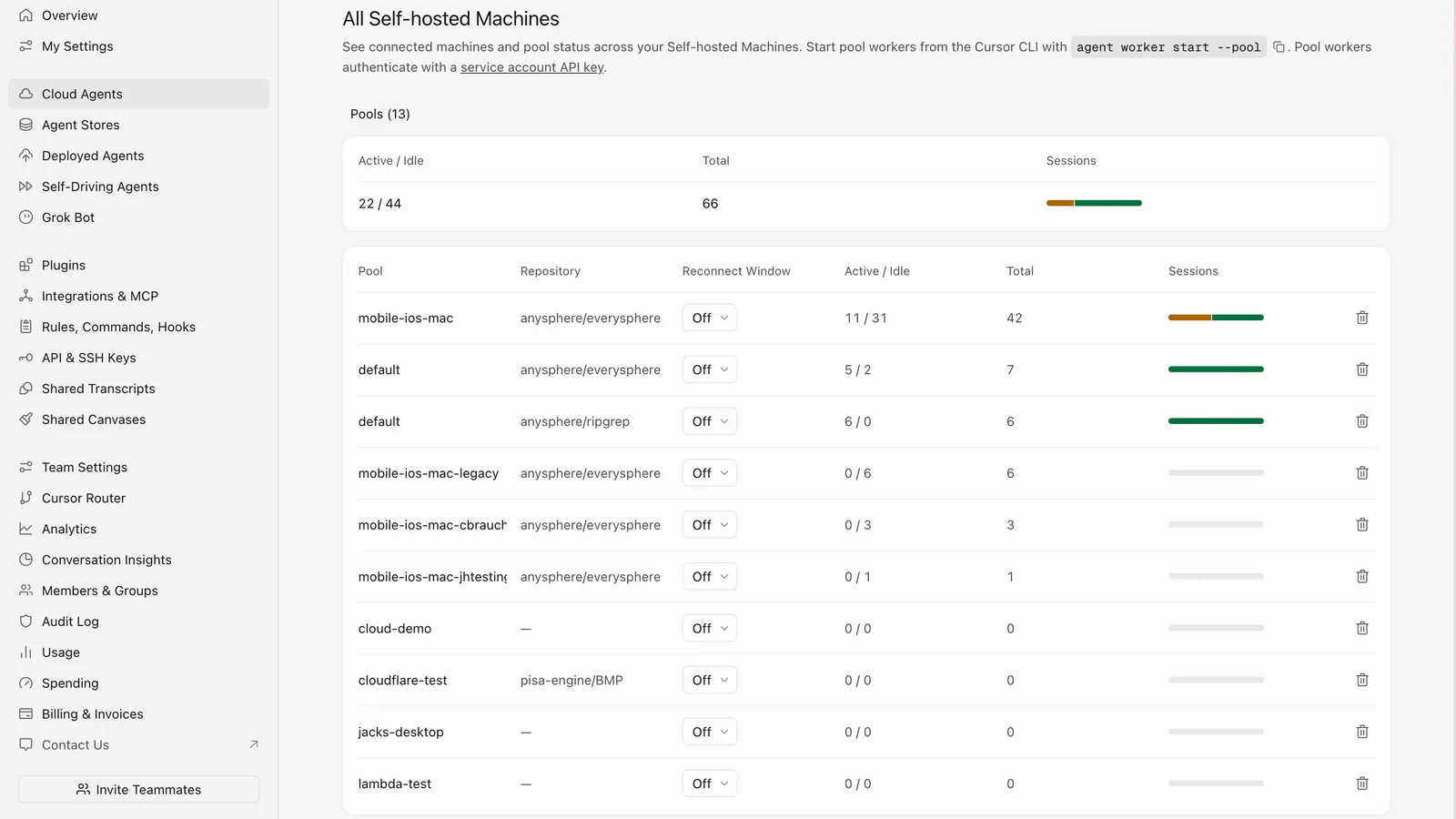
- Cloud agents: Agents use their own computers to build, try out, and demo a feature for you to review
- Parallel work: Launch fleets of agents on tasks that run for hours or days
- Model choice: Pick from OpenAI, Anthropic, Gemini, SpaceXAI, and Cursor's own models
- Beyond the editor: Runs in your terminal, collaborates in Slack, and reviews pull requests in GitHub
- Privacy mode: When it's on, Cursor says your code isn't used for training by it or its model providers
I'd pick Cursor when the editor matters as much as the agent. You can make a targeted edit by hand, pass a bigger task to a cloud agent, and review its demo later, all in one window. Cursor says it's used by more than half of the Fortune 500 (its claim, and a sign that plenty of security teams have already approved it).
The plans need a careful read:
- Free: Limited agent and chat requests
- Plus: $8 per month, with Grok models only
- Premium: $30 per month for four times the Plus usage, cloud agents, and AI code reviews
- Super: $100 per month for 15 times the Plus usage
- Ultra: $200 per month for 50 times the Plus usage
- Teams: From $30 per user per month
Here's the catch. The pricing page states that third-party model usage isn't included in those monthly prices and is billed separately at API list price. So if you mostly code with an Anthropic or OpenAI model, your real bill is the plan plus metered usage. The plans also bundle X perks like ad-free scrolling, which you may not care about. Your allowance refreshes weekly, and you can set a spending cap.
Check which model you'd use most, then price a typical week at that model's API rate before you choose a tier.
3. GitHub Copilot
Best for: Teams whose work already runs through GitHub issues and pull requests.
GitHub now describes Copilot as an AI coding agent that works across the whole development cycle: exploring a codebase, planning, reviewing changes, and resolving merge conflicts. It's also the tool on this list with the widest reach. It runs in VS Code, Visual Studio, JetBrains IDEs, Xcode, Vim, Neovim, Zed, and Eclipse, plus a CLI, a desktop app, the web, mobile, Slack, and Teams.
Key features for daily work:
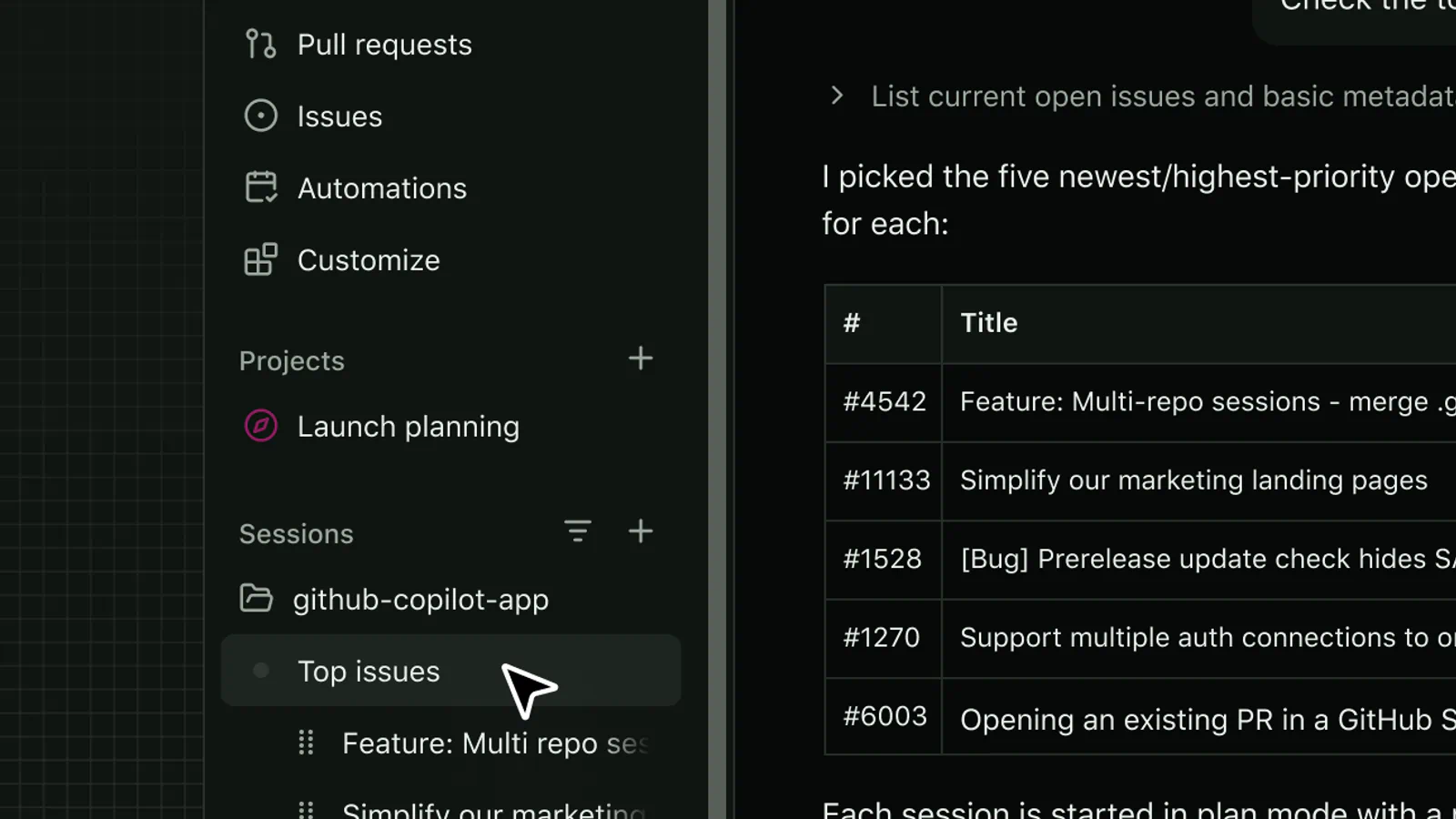
- Start from an issue: Open a session with the task, discussion, and repository context already attached
- Automations: Run reusable agent tasks on demand, on a schedule, or from supported triggers
- Code review: Find quality and security issues before you open a pull request
- Bring your own model: Connect a cloud provider with your API key, or run models locally with Ollama and Foundry Local
- Third-party agents: Paid plans include access to Claude Code and Codex inside Copilot
The reason I recommend it is the loop. A change can start as an issue, get picked up by an agent, come back as a pull request, get reviewed, and be merged, and none of that leaves GitHub. If your team already tracks everything there, you skip the copy-and-paste between tools.
Pricing changed to a credit model:
- Free: 2,000 completions per month, with limited chat and agent usage
- Pro plan: $10 per user per month, with $15 in monthly AI credits
- Pro+: $39 per user per month, with $70 in credits and premium models
- Max: $100 per user per month, with $200 in credits
One AI credit equals $0.01, and agents, chat, code review, and the CLI all draw from it, while completions and next edit suggestions stay unlimited on paid plans. That's the trade-off to watch. GitHub says a quick question to a lightweight model costs a fraction of a credit, and a long agent session on a frontier model costs a lot more. Heavy agent users could burn through Pro's allowance fast, and then you either wait for the monthly reset or buy more.
It's also less compelling if your code lives on GitLab or Bitbucket, since the issue-to-merge loop is the main draw.
Look at your last month of work and count how many tasks you'd give to an agent. That number tells you whether Pro is enough.
4. OpenAI Codex
Best for: Developers who already pay for ChatGPT and want cloud agents that keep working after the laptop closes.
Codex is OpenAI's coding agent, and it's included in your ChatGPT plan. It runs in ChatGPT, a desktop app, your editor, and the terminal, all tied to one ChatGPT account. OpenAI's pitch is parallel work: Codex runs many agents at once and uses computer and browser tools to verify the result before it reports back.
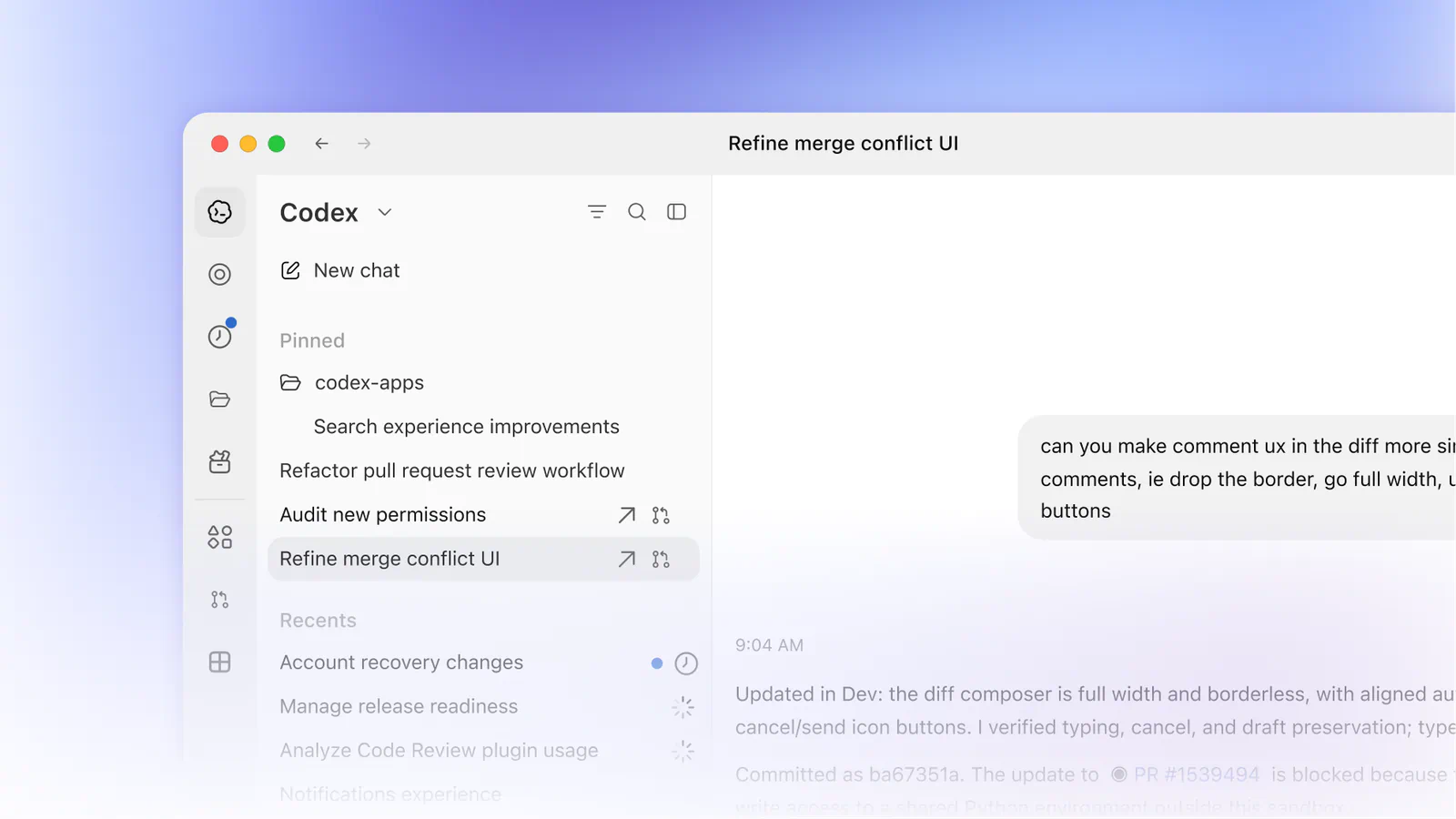
Key features on the current page:
- Cloud tasks: Start a task, close your laptop, and pick it up from another device
- Reusable environments: Each repo gets a cloud environment that agents can reuse
- Automatic code review: Codex reviews pull requests, surfaces findings, and answers questions
- Plugins: Connect your tools so the agent can act across your apps
- API key mode: Run the CLI, SDK, or IDE extension on API pricing, which suits CI pipelines
Codex fits best when you think in batches. You can queue up a refactor, a flaky check, and a dependency upgrade as three separate cloud tasks, then review all three later. If you're already a ChatGPT subscriber, there's nothing extra to buy to try it.
The plans:
- Free and Go: Free, or $8 per month for Go, with GPT-6 Luna in the desktop app (subject to rollout)
- Plus: $20 per month for Codex on the web, CLI, IDE extension, and iOS, with GPT-6.1 Sol and GPT-6 Luna
- Pro plan: From $100 per month, with $200 and $500 tiers and no five-hour limit for now
- Business: $25 per user per month, or $20 with annual billing for two or more users
The limits are the fuzzy part. OpenAI says usage depends on the model, the task size, and whether it runs locally or in the cloud, and that cloud tasks can use more of your allowance than local messages. That makes Plus hard to budget for a heavy week. Model lineups move quickly too: GPT-5.5 was retired from Codex for ChatGPT sign-ins on October 14, 2026. And API key mode drops the cloud features, including GitHub code review and Slack.
Open the usage dashboard after your first week on Plus. It'll show whether you need Pro long before a limit stops you mid-task.
5. Devin Desktop
Best for: Developers who run several agents at once, and former Windsurf users.
If you're looking for Windsurf, this is it. Cognition's own FAQ puts it plainly: "Devin Desktop is the new name for Windsurf." The update arrives over the air, and Cognition says your plan, pricing, extensions, and settings carry over. Windsurf for JetBrains is still available as a separate download.
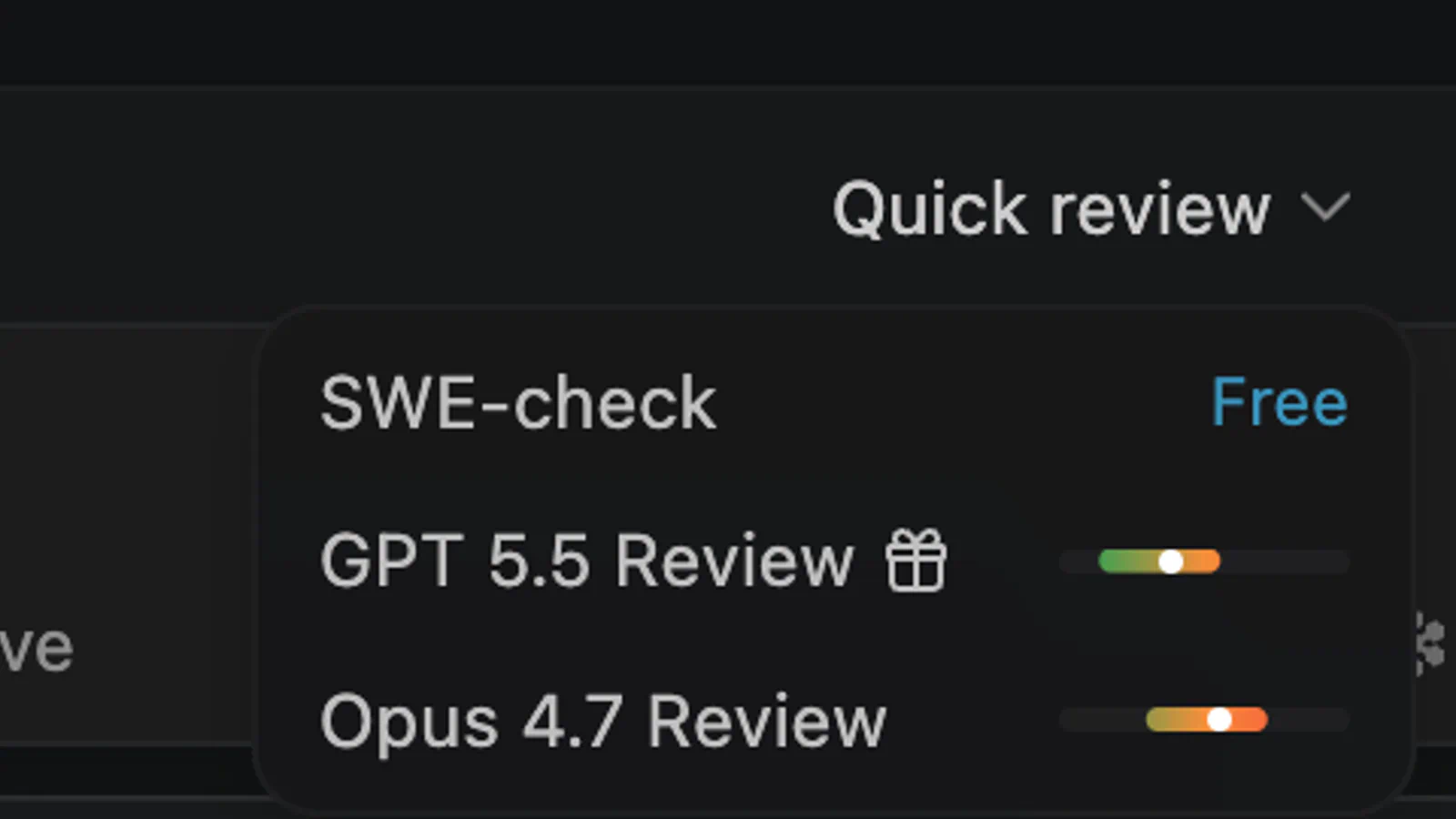
What changed is the front door. The Agent Command Center now sits front and center, and the full IDE is still there when you want it.
Key features:
- Agent Command Center: Spaces, a Kanban view, and multi-agent management in one place
- Open agent support: Other agents plug in through the Agent Client Protocol (ACP), so they share one command center with Devin
- Local or cloud: Run a session on your machine or in Devin Cloud, and move between them with the same context
- Devin Review: Go through every diff from where you code
- Devin Fusion: Pairs a frontier lead model with a cheaper sidekick that does the execution
Devin Desktop makes the most sense when you're managing agents more than typing. Say you've got eight subtasks in a billing migration. You can watch each one move across a board from "running" to "waiting for review," then step into the editor for the last-mile fix. The model list is broad too: Pro includes frontier models from OpenAI, Claude, Gemini, and SpaceXAI, plus open-source models.
Frequently Asked Questions
5 questions
1What is the best AI for coding in 2026?
The best AI for coding depends on how you work, so there's no single winner. Terminal-first developers tend to fit Claude Code, GitHub-centered teams fit Copilot, and people who want an AI editor fit Cursor or Devin Desktop.