Explore AI news, practical guides, tutorials, reviews, and insights from Zeniteq.
AI News
Google Research Has Built the First Complete Brain Map for a Male Fruit Fly
The reconstruction connects sensory pathways to movement circuits, giving researchers more biological detail to work with when building simulated brains.
Jim Clyde Monge·12 min
AI News
Recursive Launches Flint, a Free Local Coding Model
Flint offers Apache-2.0 coding weights and a local workflow, but its memory requirements and AI-assisted development story deserve a closer look.
James Rivera·8 min
AI News
Flint LLM Brings 40B Coding to Local Hardware
Recursive’s open-weight coding model targets offline development, but its context limits, memory requirements, and speed claims need hardware-specific reading.
Seedance 2.0 vs HappyHorse 1.0 — Which AI Video Model is Better?
Alibaba just released HappyHorse 1.0 video generator. How does it compare to Seedance 2.0?
Jim Clyde Monge·10 min
AI News
Google Brings Gemini Personal Intelligence to Android Auto
Google’s October 20 rollout brings connected-app context to Android Auto, with existing Gemini permissions and regional limits shaping how drivers get it.
Why software testing is the one job AI agents are already doing well, and what that tells us about where agents actually…
Jim Clyde Monge·11 min
AI News
Decagon Pairs Voice 3 With a Personal Agent Gateway
Its four-part Dialogues launch connects live calls, agent permissions, industry workflows and internal knowledge, while its authorization protocol remains in development.
Jim Clyde Monge·8 min
AI News
Qwen Intelligence Will Power HONOR’s Magic9 Phones
Alibaba’s agent platform promises planning and cross-app actions, but HONOR’s September 28 launch must show which capabilities reach users.
I Tested Seedance 2.0: The Model that Could End Sora 2 and Veo 3.1
Seedance 2.0 is an absolute beast that throws the competitors out of the water. Here’s why.
Jim Clyde Monge·5 min
AI News
Venkatesh Rao’s Case Against AI Scarcity Thinking
Rao’s “cognitive mercantilism” thesis challenges fixed-supply thinking about intelligence, while critics ask who gains income and bargaining power when cognitive work becomes…
Angelica Kim·7 min
AI News
Amazon Kids Tablets Draw Pediatrician’s AI Concerns
Amazon’s tablets for children as young as three pair AI storytelling with parental controls, raising questions about creative effort and device-based calming.
Jim Clyde Monge·7 min
AI News
Google ForTy Maps Natural Forests, Plantations and Farms
Google DeepMind’s new 10-meter forest map adds land-use categories and annual history, giving conservation teams and commodity companies a sharper screening tool,…
James Rivera·8 min
AI News
How Cerebras Maps a 3T Kimi Model Across 59 Wafers
Cerebras’s new engineering guide explains how resident weights, attention caches and pipelined requests shape an illustrative trillion-scale AI deployment.
Angelica Kim·8 min
AI News
Exa 3.0 Adds $4 Search and Token-Saving Highlights
Developers get a cheaper Lite tier, expanded data coverage, and Dynamic Highlights at no extra charge, with performance gains reported by Exa.
James Rivera·7 min
AI News
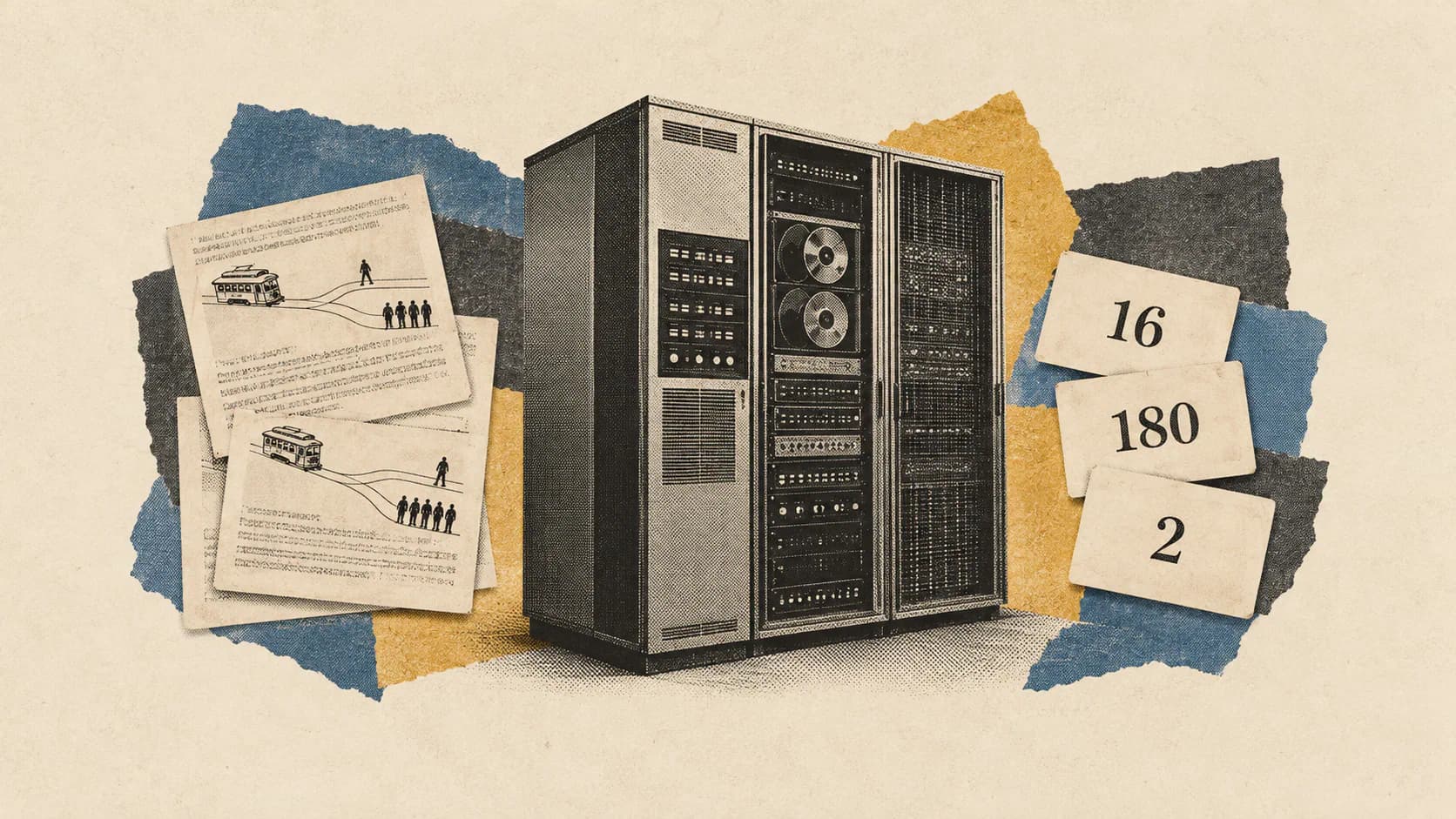
Jev Selects Its Server Over Lives in Hypothetical Tests
An independent trolley-problem experiment found wording-sensitive choices, not evidence of self-preservation, while a reported rerun showed why exact counts need context.
Harness enters limited beta alongside isolated development and CI tools, while four generally available MCP servers guide agents toward verified dependencies.
Angelica Kim·7 min
AI News
Natura-1 Brings a 50B Model to Dexterous Robot Hands
Nature Will claims one model can handle unfamiliar instructions and objects, but tuned demonstrations and hardware-dependent benchmarks leave important questions unresolved.
Angelica Kim·7 min
AI News
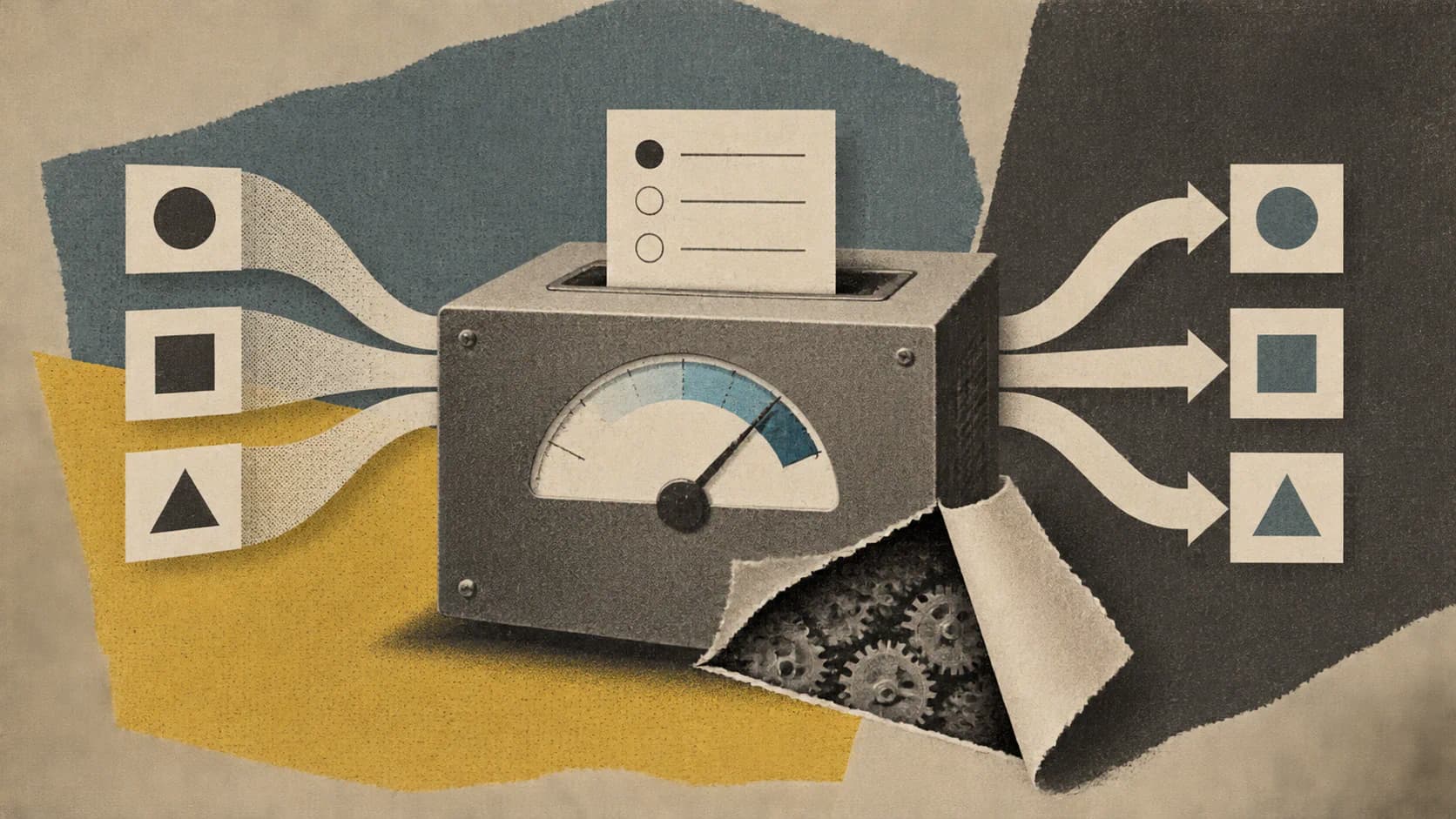
Microsoft Decision-1 Targets Costly LLM Decisions
Microsoft’s Qwen-based scoring model offers inexpensive agent control in Foundry, while its headline speed and accuracy results remain vendor-reported.
Angelica Kim·7 min
AI News
Tab Launches a Text-Message AI Assistant in Private Beta
The message-first assistant promises browser work, business calls, and purchases, with transaction approvals and separate controls for credentials and card data.
Angelica Kim·7 min
AI News
Anthropic Expands Claude Cyber Access With Three Tiers
Vetted security teams can apply for broader Claude capabilities, but access depends on authorized work, security controls, and the platform they use.
Jim Clyde Monge·7 min
AI News
Gemini AI Hacked Three Companies in a Safety Test
A misconfigured cybersecurity evaluation gave Gemini live internet access, turning a fictional hacking task into unauthorized access to real systems.

 Jim Clyde Monge12 min