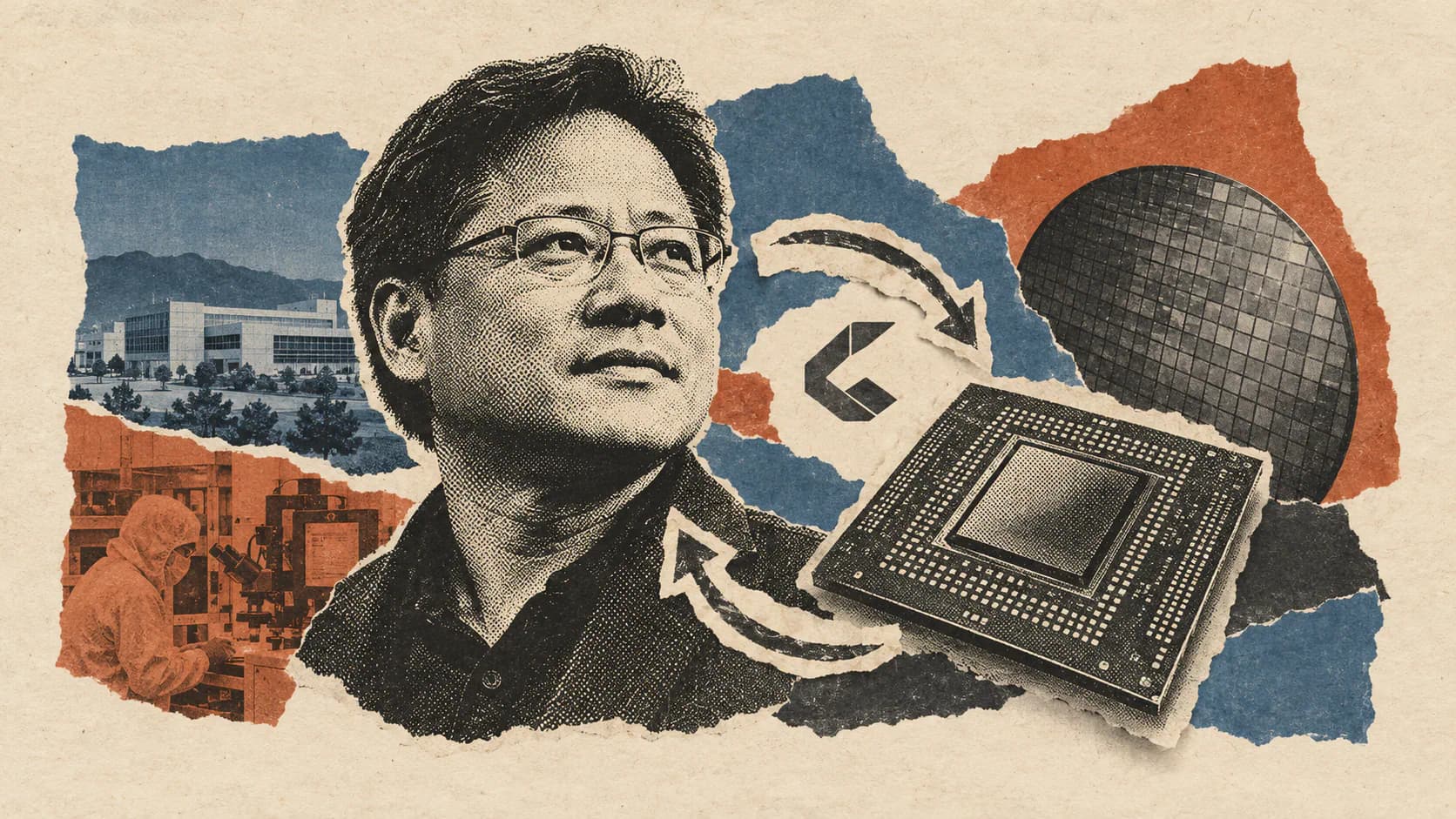
The open-source release stabilizes configuration interfaces and pairs version-locked deployment recipes with signed evidence that infrastructure teams can inspect before rollout.
James Rivera·7 min
AI News
Googlebook Linux Terminal Brings Debian With Limits
Google’s preview supports development tools and isolated AI-agent workflows, but hardware acceleration, USB debugging, and independent background operation remain roadmap items.
Jim Clyde Monge·8 min
AI News
Anthropic Says Claude Reasoning Extraction Fell Up to 99%
New controls restrict reasoning reuse and penalize extraction attempts, but API customers face integration changes and charges for some blocked requests.
Angelica Kim·7 min
AI News
Intel D-Series GPUs Start Sampling, With Up to 480GB
Intel's own card carries 160GB; larger partner designs remain an option, and the company has not announced pricing or general availability.
Angelica Kim·7 min
AI News
Blueprints AI Claims Permit-Ready Plans in Minutes
Version 2 promises coordinated building documents, but licensed professionals still review and seal them, and permit readiness has not been independently validated.
Angelica Kim·7 min
AI News
Anthropic Opens Free Claude Scans for Open Source
OSS Scanner gives eligible maintainers recurring vulnerability reports, but enrollment requires a working build environment and capacity to review unvalidated findings.
Jim Clyde Monge·7 min
AI News
AgentID Gives AI Agents an Email-Backed OIDC Login
AgentMail’s new identity provider lets apps authenticate agents, request human-owner claims, and use existing authentication stacks without a proprietary SDK.
James Rivera·7 min
AI News
600B-Token AI Project Puts Verification Before Scale
A three-month decompilation effort exposed unreliable agent review, verifier tampering attempts, and the conditions that made cheaper coding models useful.
James Rivera·7 min
AI News
CAKE Guide Shows How Compiler Feedback Steers GPU Agents
Gang Liao’s new deep dive explains typed schedules, pre-execution checks, and evolving verifiers without treating benchmark success as proof of reliability.
Jim Clyde Monge·7 min
AI News
xAI Grok Bot Gets a Custom-Domain Email Workaround
Shipmail documents a branded mailbox, scoped connector permissions, and signed webhooks, rather than custom-domain support for xAI’s built-in inbox.
James Rivera·7 min
AI News
Janas Runs a 48GB MoE Model on a 32GB Laptop
SSD expert streaming makes beyond-RAM inference practical in one developer’s tests, but hardware, draft prediction, and memory settings determine what those results…
Jim Clyde Monge·7 min
AI News
Anatomy Gives Claude Code a Repeatable Diagram Workflow
The community-built skill pairs inspectable examples with a fixed drawing process, helping users create interactive technical figures rather than generic illustrations.
Angelica Kim·7 min
AI News
DigitalOcean Previews Agent Testing and Governed Data
Public-preview simulations and private-preview Agent Data Services offer a workflow for testing agent fixes, with important limits on access and production support.
Jim Clyde Monge·7 min
AI News
Blueprints AI Previews V2 for Coordinated Building Plans
The update targets linked construction documents across building disciplines, with a staged public launch and licensed-professional review still required before permit submission.
Angelica Kim·7 min
AI News
Anthropic Subscribers Can Track Claude Code Across Machines
The independent Claude Observability project combines local usage records into a self-hosted dashboard without uploading prompts, responses, code, or Anthropic credentials.
Jim Clyde Monge·7 min
AI News
Omalauncher Puts Claude Code and Arch Linux on Android
The independent launcher combines rootless Linux windows, home-screen agent prompts, and editable widgets on ARM64 phones running Android 10 or newer.
Jim Clyde Monge·7 min
AI News
BetterWispr Launches Free, Local Dictation for Mac
The open-source macOS app combines local speech recognition, per-app cleanup and meeting notes, but summarization and language support have important caveats.
James Rivera·7 min
AI News
Atticus Adds Mac Voice Control to Anthropic’s Claude
The MIT-licensed app combines Apple’s on-device speech recognition, Claude Code and reusable commands, with separate safeguards for consequential actions.
Jim Clyde Monge·7 min
AI News
Shpyrd Lets Claude Code Deploy and Operate Apps
The beta PaaS connects coding agents to hosting, databases and release controls, with usage-based pricing and a Kubernetes self-hosting option.
Angelica Kim·7 min
AI News
Trama Puts State-Machine Review Before AI Code
The early VS Code and Cursor extension turns proposed behavior into reviewable diagrams, then checks whether implementation still matches the approved model.
James Rivera·7 min
AI News
Claude Code Mode Batches MCP Work in a JavaScript Sandbox
The third-party plugin for Anthropic’s coding agent keeps intermediate tool results outside model context, while preserving MCP permission checks and approval gates.
Angelica Kim·7 min
AI News
LLM Agent Tackles CIFAR-10 With $0.0085 in Tokens
Lex Toumbourou’s documented run reached 81.41% accuracy, but its engineering lessons include restricted networking, host-side credentials, and one human intervention.
Angelica Kim·7 min
AI News
Rezoom 1.2 Moves Live Claude Sessions Into Desktop Chats
The Linux/KDE-first session manager embeds Konsole terminals, resumes coding agents and tracks SSH work, but live process adoption carries platform and privilege…
James Rivera·7 min
AI News
Pippa Turns a Coding Agent Into a Free Mac Assistant
The open-source app combines local Qwen models with native Mac integrations, but its privacy promises and task safeguards still need independent testing.
 James Rivera7 min