AI News

Anthropic Adds Election Safeguards Before Voting Data
New abuse classifiers are deployed, while official voting guidance is due later in October and election-night results remain a promised feature.
 James Rivera6 min
Related reporting, guides, and analysis from Zeniteq.
New abuse classifiers are deployed, while official voting guidance is due later in October and election-night results remain a promised feature.
James Rivera6 min
The startup sends agents into calls, messages and scam groups to gather fraud intelligence, but its activity figures need separating from proven…
 Jim Clyde Monge6 min

Its shipped hybrid pipeline keeps regex detection, adds a compact context classifier, and reports better detection quality at sharply lower serving cost.
Jim Clyde Monge7 min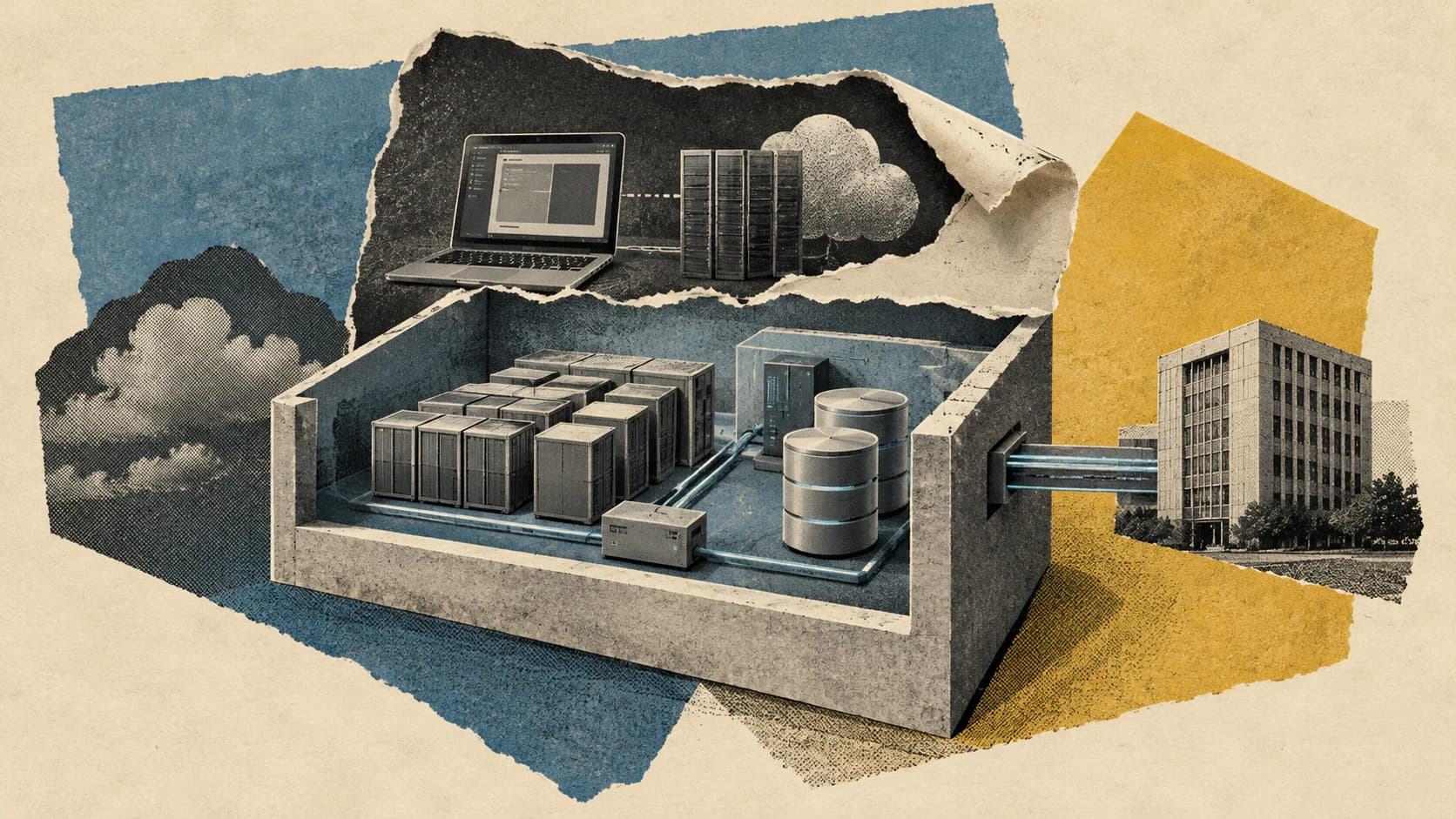
Applications and data can run in a customer’s AWS account, but Lovable retains the editor, agent, project history and build-time AI processing.
James Rivera7 min
The planned global toggle will extend Deezer’s existing AI labels and recommendation exclusions, but its effectiveness depends on what the detector catches.
 Angelica Kim6 min

An 11-hour experiment on Google’s Python agent framework yielded scoped performance gains and a practical playbook for reviewing overnight AI work.
James Rivera8 min
Harness enters limited beta alongside isolated development and CI tools, while four generally available MCP servers guide agents toward verified dependencies.
Angelica Kim7 min
Physical Intelligence’s waitlisted service lets selected teams upload demonstrations, fine-tune models on managed infrastructure and run their robots through hosted inference.
Angelica Kim6 min
Google DeepMind and GovTech Singapore have fine-tuned and tested a local scam detector, but citizen-facing applications will arrive in phases.
Angelica Kim7 min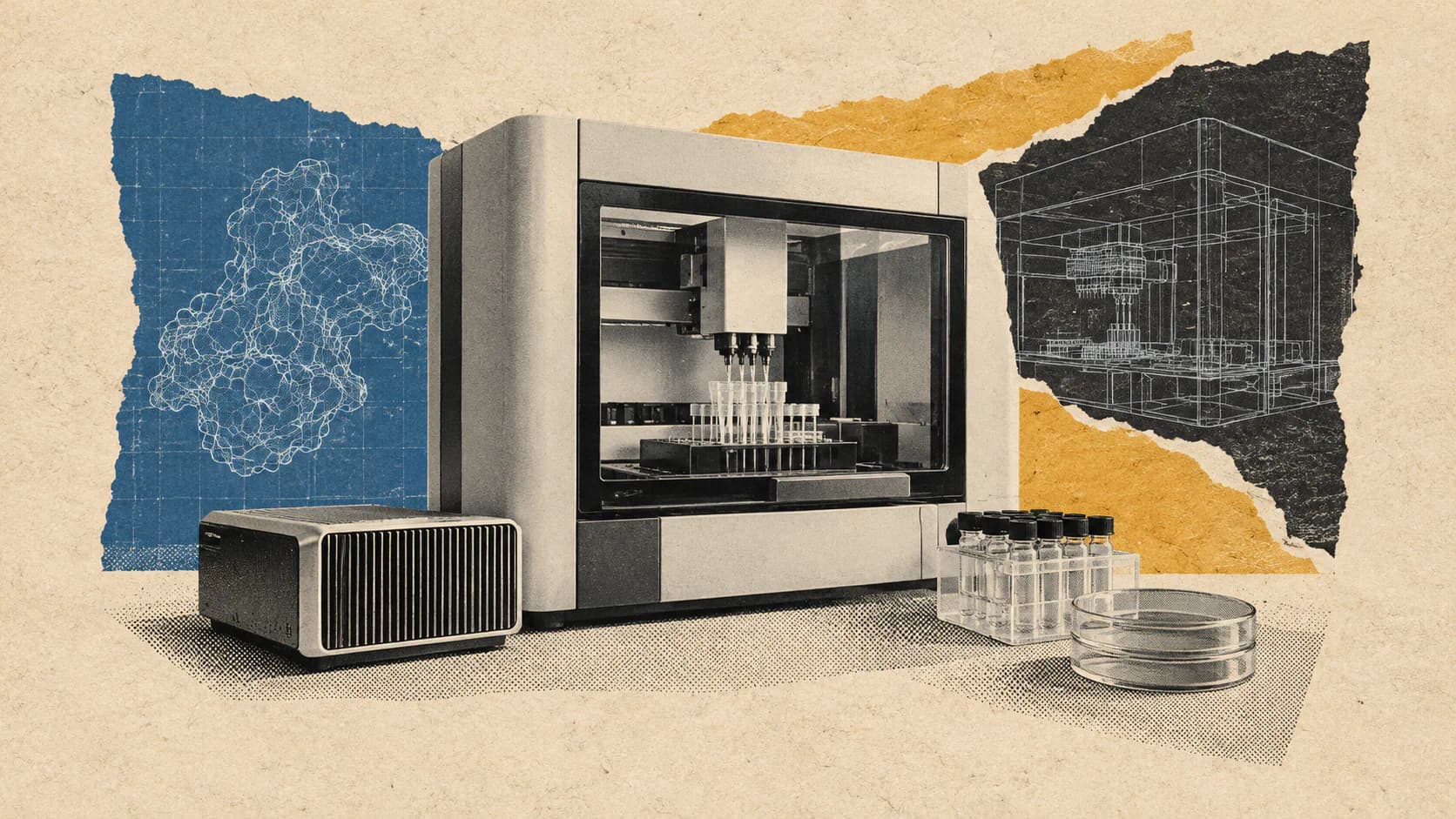
The collaboration names edge computing, scientific models and digital twins, but discloses no instrument lineup, release date or demonstrated discovery gains.
Jim Clyde Monge6 min
V1.19 adds a direct upgrade path, but plugins, API integrations, and terminal settings need separate attention before teams switch.
Jim Clyde Monge7 min
Repository skills, persistent goals and broad testing helped produce useful changes, but human reviewers rejected four proposals over safety and weak gains.
Jim Clyde Monge7 min
The live service exposes 17 tools for shopping and buyer-approved payments, while commission-generating Promoted Placements remains in early access.
James Rivera7 min
Google’s disclosure maps layered defenses against misuse and prompt injection, while a training experiment shows how penalties can make shortcuts harder to…
Jim Clyde Monge7 min
Google’s playbook connects robot control, simulation, and policy improvement, but reproducing its demonstrations requires more than access to Gemini.
Angelica Kim7 min
Its internal Scion system trades offline independence for server-side operations and selective checkouts, offering lessons for engineering teams handling agent-scale workloads.
James Rivera7 min
Its Intent Intelligence framework carries authenticated spending instructions into payment credentials, but publication does not establish universal merchant deployment.
Jim Clyde Monge7 min
The display becomes Apple’s shared household interface, while the TV, speaker, and accessories arrive with different AI features and release schedules.
James Rivera7 min
Developer Kuber Mehta reports a recurring Kepler signal, but held-out testing and an archived evidence package do not establish a planet discovery.
Jim Clyde Monge7 min
Tiger Data’s PRISM index preserves existing embeddings and queries, but PostgreSQL 18 requirements and first-party benchmark claims make this a sandbox experiment.
James Rivera7 min
The open-source scheduler turns leftover subscription capacity into reviewable work, but disables agent permission checks and requires a dedicated sandbox machine.
Jim Clyde Monge7 min
An independent free app reports 288× real-time processing on a base MacBook Air, but its accuracy and speed comparisons need careful reading.
Jim Clyde Monge7 min