AI News

Meta Launches Muse Wonder, Reserves Full for Subscribers
Developers get API and Muse Code access now, while the Muse rollout remains pending and Meta’s performance and safety claims need independent…
 Jim Clyde Monge7 min
Related reporting, guides, and analysis from Zeniteq.
Developers get API and Muse Code access now, while the Muse rollout remains pending and Meta’s performance and safety claims need independent…
Jim Clyde Monge7 min
Nature Will claims one model can handle unfamiliar instructions and objects, but tuned demonstrations and hardware-dependent benchmarks leave important questions unresolved.
 Angelica Kim7 min
SubQ’s decision model promises inexpensive, fast choices over long multimodal inputs, but limited preview capacity and vendor-run benchmarks warrant careful evaluation.
 James Rivera7 min

Mistral’s flagship LLM combines million-token context, image understanding, and discounted API access, while its open-weight release remains a separate milestone.
Jim Clyde Monge7 min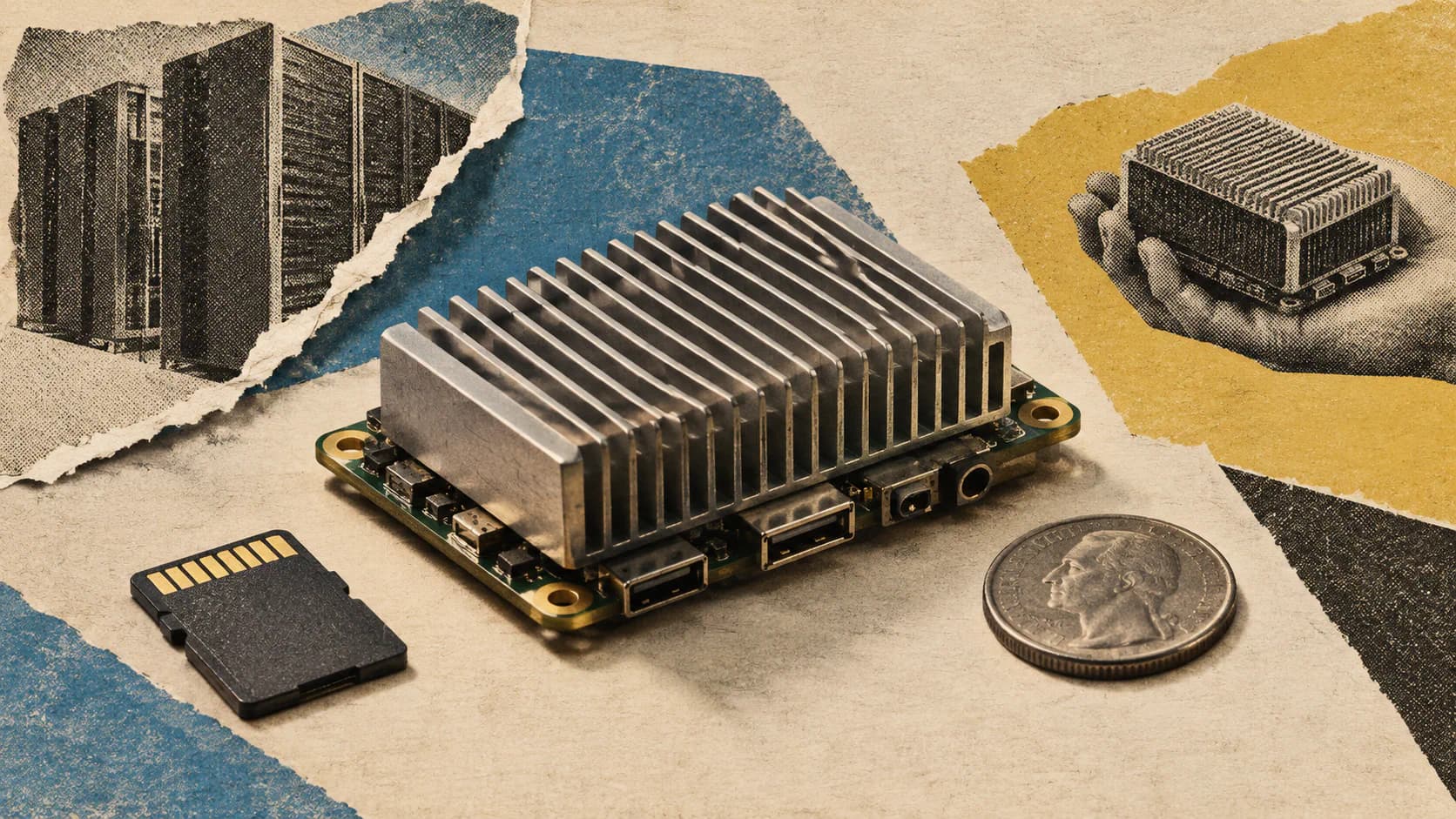
The downloadable 1-bit model opens up constrained local-AI experiments, but its smaller weights come with lower benchmark scores and no measured speed…
Angelica Kim7 min
Z.ai’s legal LLM targets agentic workflows, but restricted access and unanswered evaluation questions matter more than treating its benchmark score as autonomous…
Jim Clyde Monge7 min
Microsoft claims faster responses and fewer tokens than its June model, while GitHub lists usage rates developers can evaluate against completed tasks.
James Rivera7 min
The complete speech-to-speech checkpoint runs locally, but LAION’s own evaluation finds gains in predicted quality alongside weaker target-voice similarity.
James Rivera7 min
Cloudflare’s new decision model combines mixed media in one call, while cheaper Clef-flash inference comes with a smaller hosted context window.
James Rivera7 min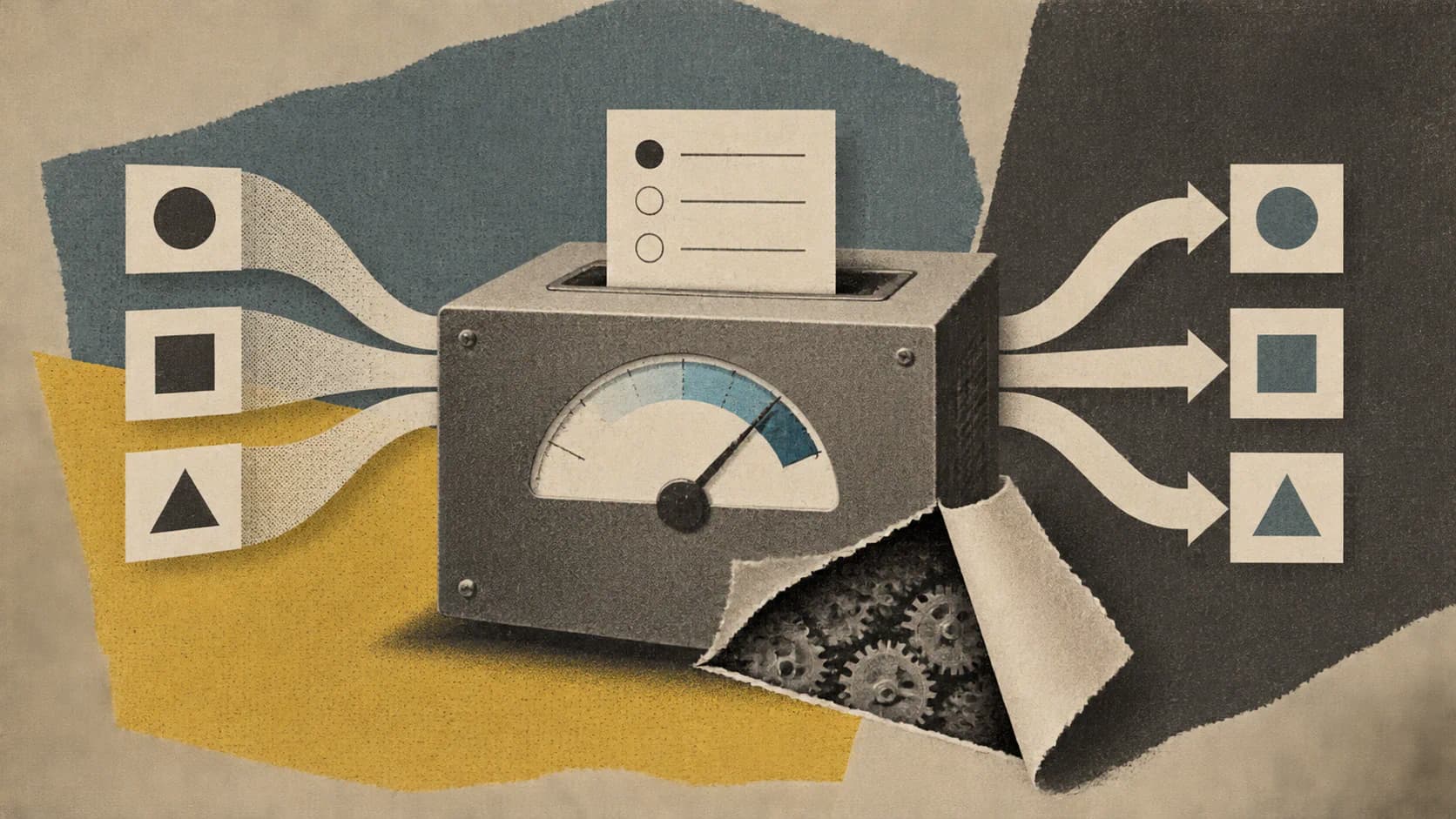
Microsoft’s Qwen-based scoring model offers inexpensive agent control in Foundry, while its headline speed and accuracy results remain vendor-reported.
Angelica Kim7 min
The two API models differ in resolution, reference controls and cost, with Lite’s 1080p output upscaled rather than rendered natively.
Angelica Kim7 min
Illumina released code, weights and billions of variant scores, but its reported gains come with licensing restrictions and a tissue-dependent prediction weakness.
James Rivera7 min
JetBrains’ Apache-2.0 model adds repository-focused reinforcement learning, but its speed and capability comparisons come from the company rather than independent testing.
Jim Clyde Monge7 min
A 3B vision-language model and an experimental 600M sibling target local classification, but published results leave important multimodal performance questions unanswered.
James Rivera7 min
The October 7 rollout brings native charts, forms and calculators to ChatGPT, while Free and Go access follows a day later.
James Rivera7 min
Developers get a new stable model ID and broader image workflows, but Google has announced no shutdown date for its predecessor.
Angelica Kim8 min
Perplexity reports a higher Decision Index score, but self-hosting the updated checkpoint requires noncausal inference and substantial GPU memory.
James Rivera6 min
Beam targets coding and agentic workloads, but its weights and technical artifacts remain pending, and its performance claims await independent validation.
James Rivera7 min
The Apache-2.0 model combines text, code, images, video, and audio retrieval, with modular encoders and smaller vectors for memory-constrained devices.
Jim Clyde Monge7 min
Musubi’s downloadable model applies teams’ own text policies, offering an alternative to hosted LLM moderation with adjustable thresholds and reported 35-millisecond inference.
Jim Clyde Monge7 min
The trillion-parameter LLM is available through a public API preview, with downloadable weights promised for late October after cybersecurity testing.
Angelica Kim7 min
Reflection’s 501B model targets coding and agents, but its efficiency claims and deployment promise need scrutiny before a public weights release.
Angelica Kim7 min