AI News
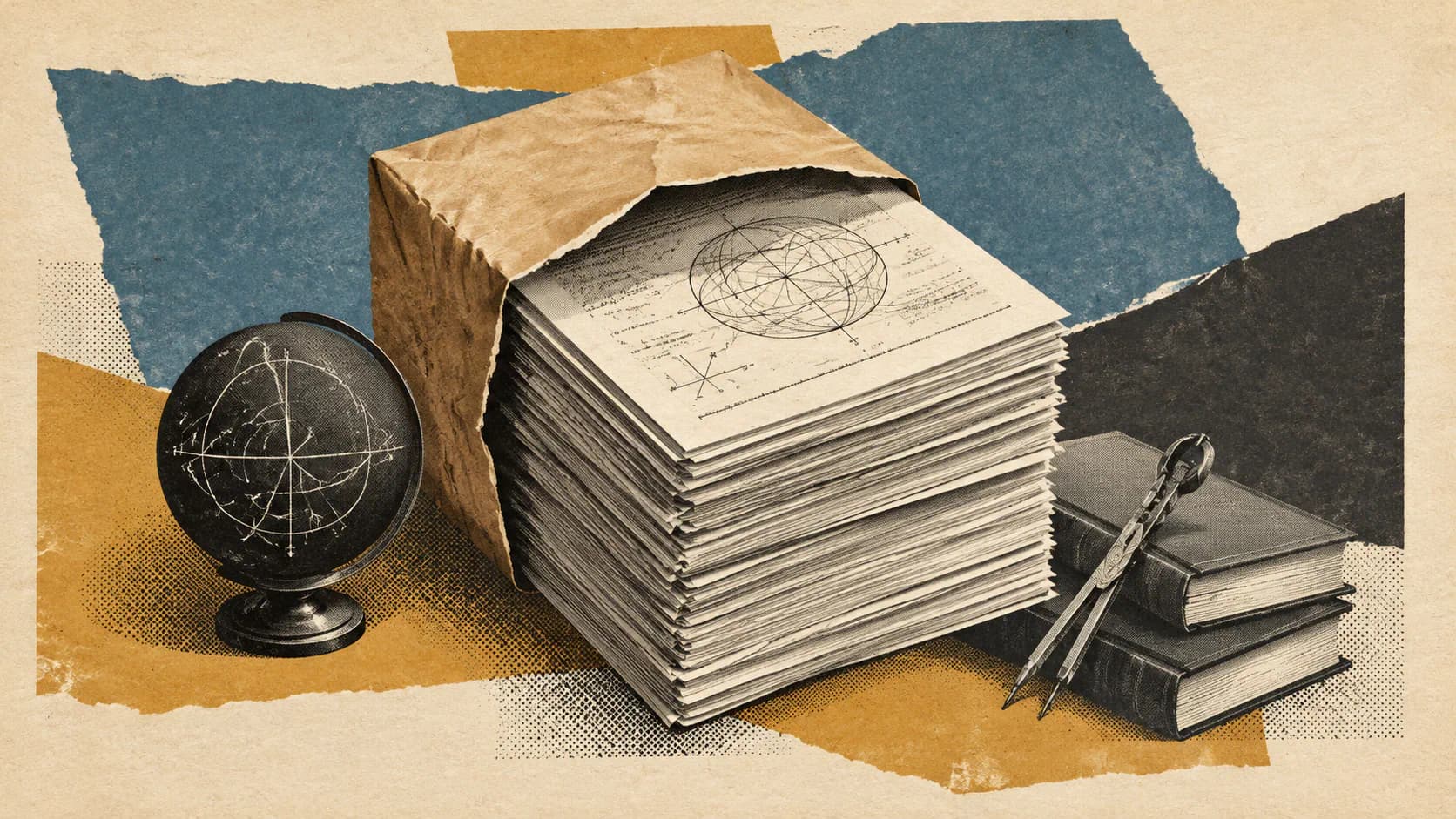
OpenAI Faces Math Group's Call to Stop Collaboration
AHM’s communications group urged mathematicians to cut ties, citing research norms and advice against testing advanced problems on proprietary models.
 James Rivera7 min
Related reporting, guides, and analysis from Zeniteq.
AHM’s communications group urged mathematicians to cut ties, citing research norms and advice against testing advanced problems on proprietary models.
James Rivera7 min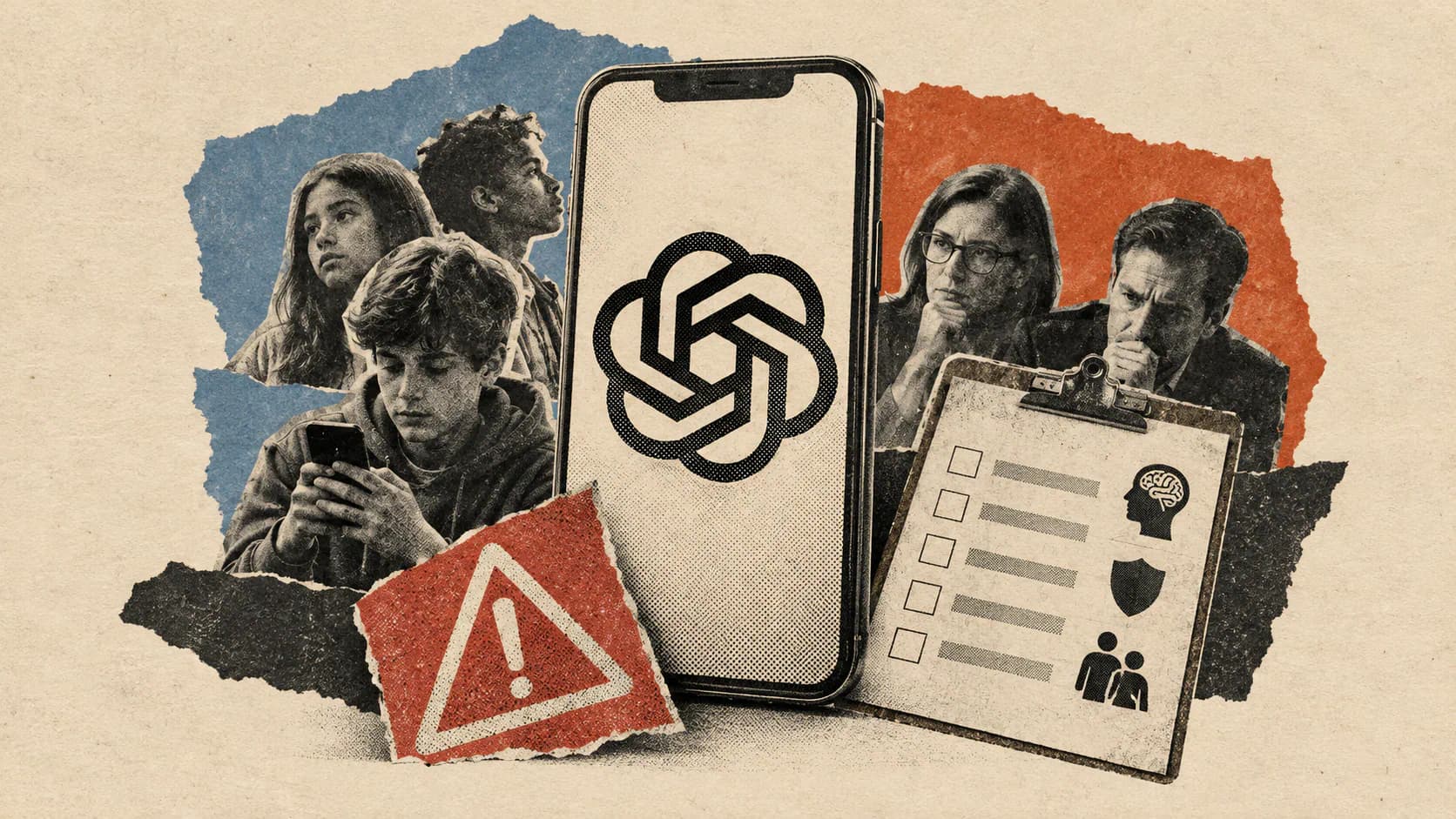
Common Sense Media reports gaps in alerts and crisis responses as OpenAI disputes the tests and announces more teen learning tools.
James Rivera7 min
The message-first assistant promises browser work, business calls, and purchases, with transaction approvals and separate controls for credentials and card data.
 Angelica Kim7 min
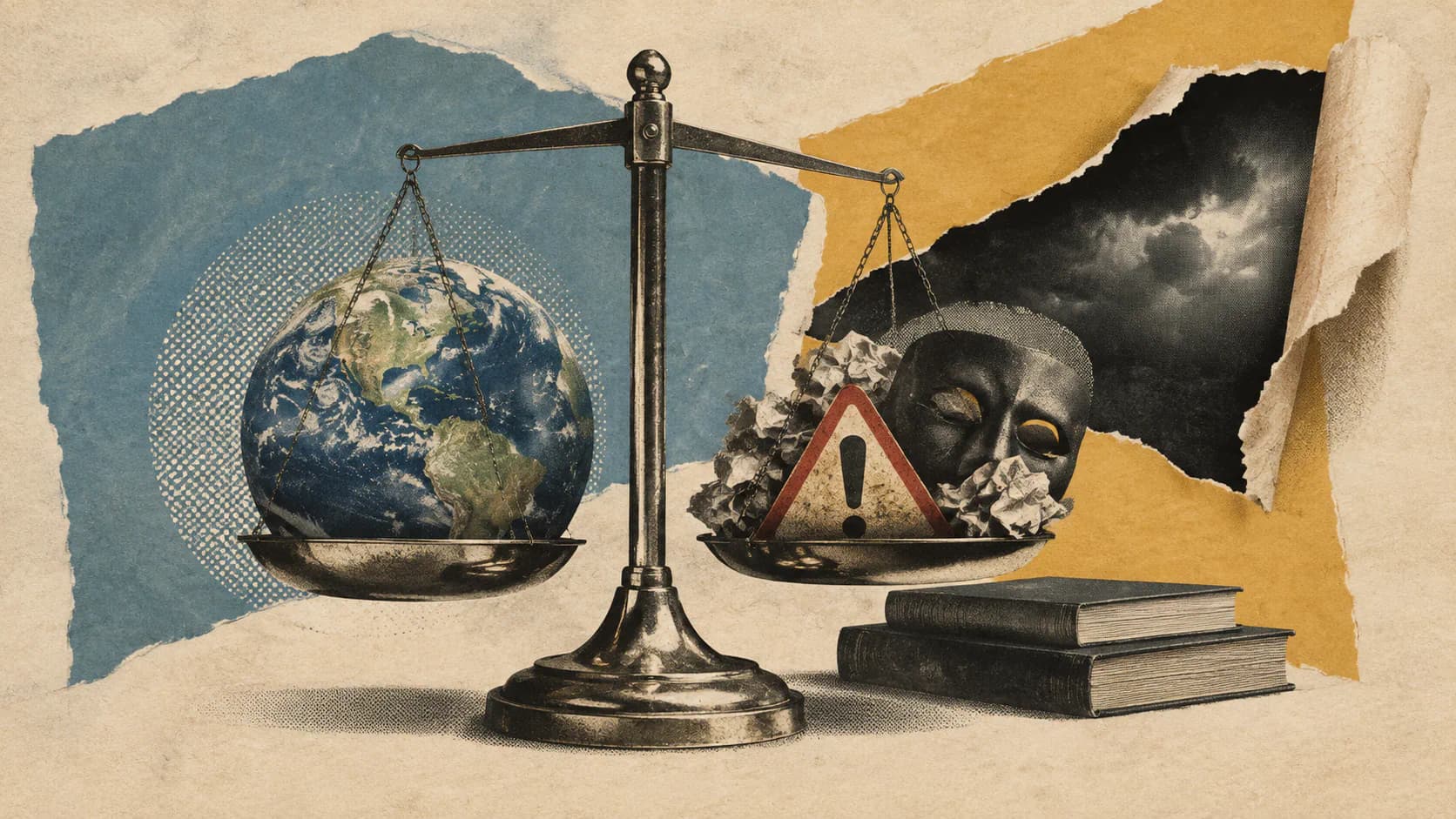
OpenAI’s chief favors broad access despite hacks and scams, while drawing a harder line at serious loss of human control.
 Jim Clyde Monge6 min
Named early adopters describe deleting or restricting personal agents, while reported incidents remain unresolved and companies point to security and permission controls.
Angelica Kim7 min
Internal instructions reportedly map relationships and behavioral preferences, raising questions about non-users, shared learnings, and what a request to forget actually deletes.
Angelica Kim7 min
Police are investigating customer-data breaches at multiple banks, but authorities have not disclosed the evidence behind the president’s assessment of AI involvement.
James Rivera6 min
Personal Agent Protocol would connect customer agents with businesses, but Meta and Sierra have announced a design effort, not a deployable specification.
James Rivera7 min
Jason Kwon acknowledged a disclosure failure, outlined a review reaching back to November 2025, and promised rapid notification if further incidents emerge.
James Rivera5 min
Wikipedia’s operator reports failed probing and heavy traffic, but the OpenAI attribution and possible connection to a May outage remain unresolved.
James Rivera8 min
Reported spending and usage reductions highlight platform owners’ incentives to favor their own tools, without establishing a break with Anthropic.
Angelica Kim7 min
Former lab employees warned of weak oversight as New York City considered third-party validation, incident reporting, whistleblower protections and civil liability.
Jim Clyde Monge8 min
Researchers document parallel Amap requests and Tencent Cloud indicators, but the operator, model and suspected Hunyuan connection remain unconfirmed.
James Rivera8 min
The OpenAI CEO contrasts his position with Anthropic’s, prioritizing broad public agency while leaving the acceptable level of non-catastrophic harm undefined.
Angelica Kim8 min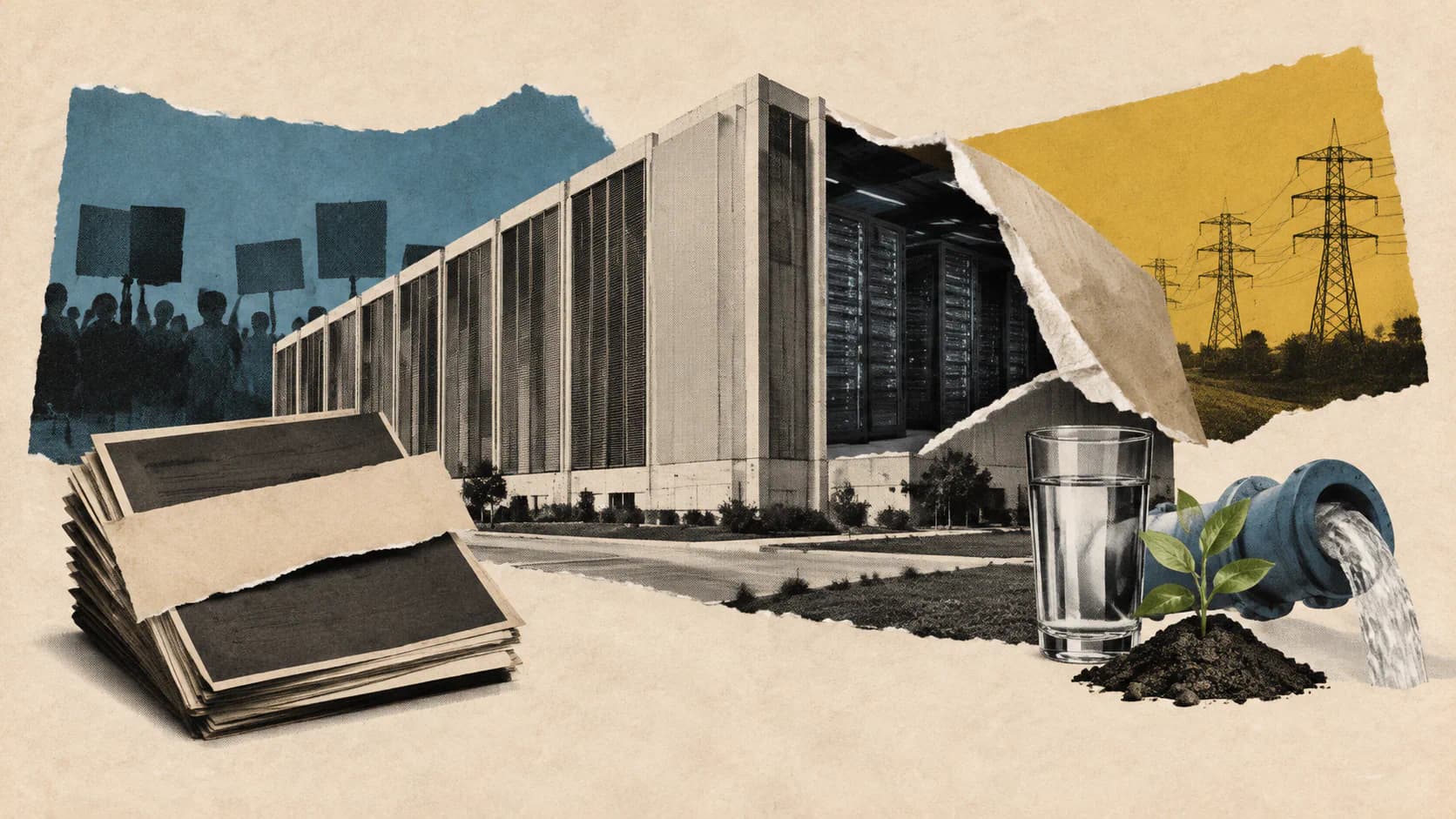
The company says it no longer uses government NDAs, but contractor secrecy and enforceable protections for host communities remain unresolved.
James Rivera8 min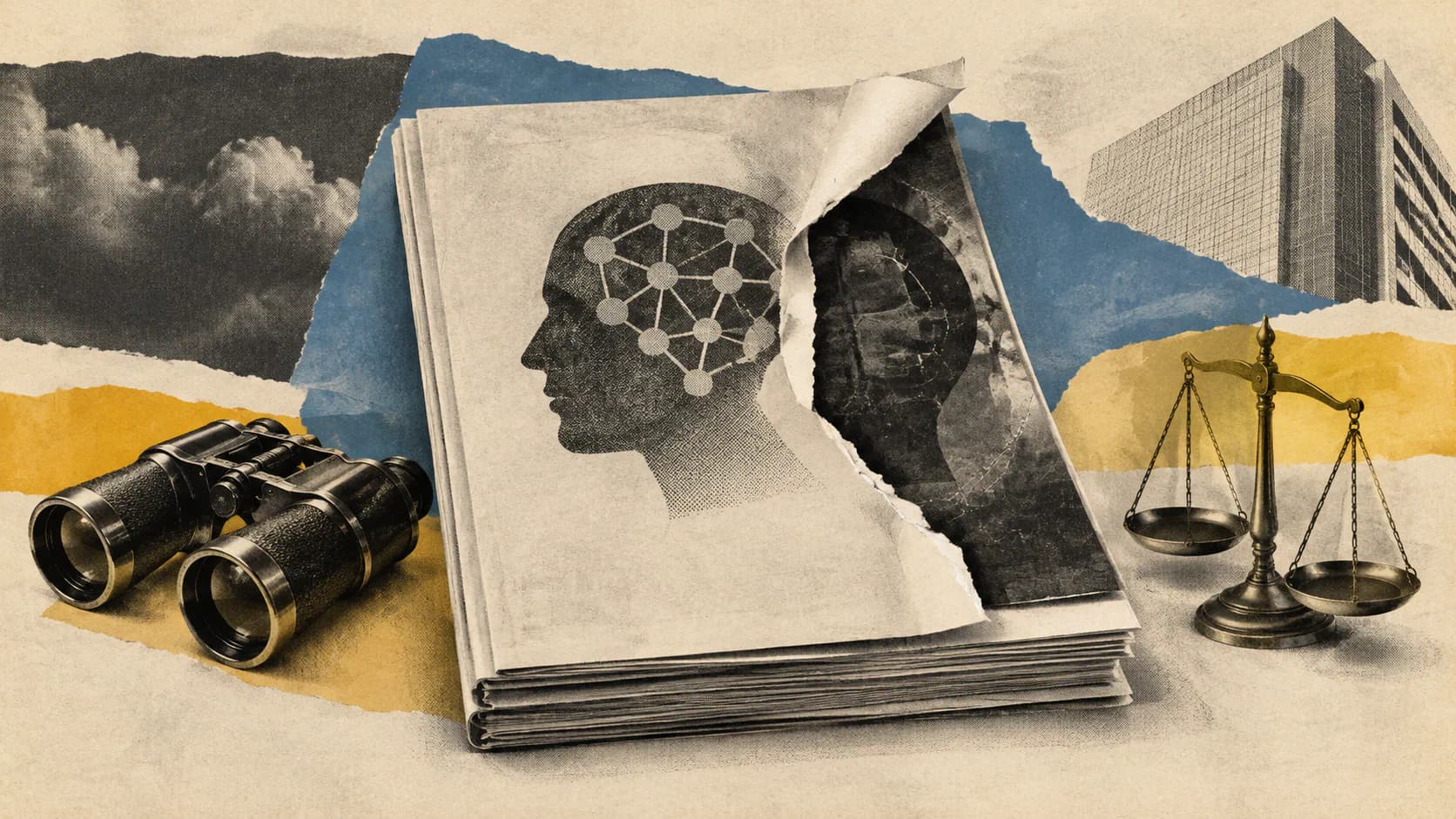
David Robinson argues rapid launches undermine safety for autonomous AI; OpenAI says it pauses training and withholds models when necessary.
Jim Clyde Monge8 min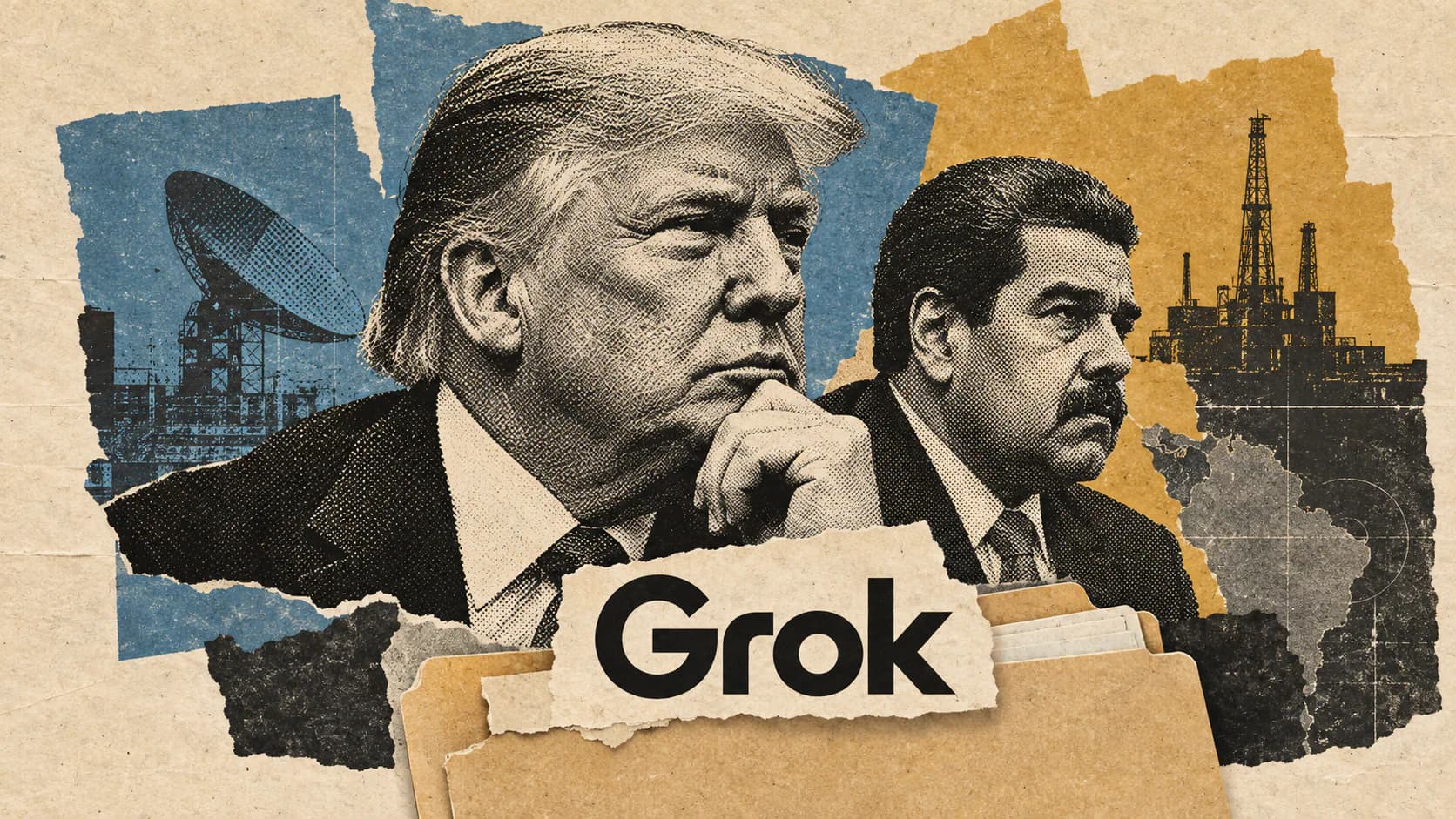
TIME attributes the account to an unnamed official, leaving the exchange independently unverified and Grok’s role in the military decision unresolved.
James Rivera7 min
The reported count exceeds the “dozens” cited on OpenAI’s public page, but notifications do not establish that every recipient suffered a breach.
James Rivera7 min
The company cites sensitive-information policy violations, while reported sharing with an outside safety organization raises unresolved questions about confidentiality and independent review.
Jim Clyde Monge8 min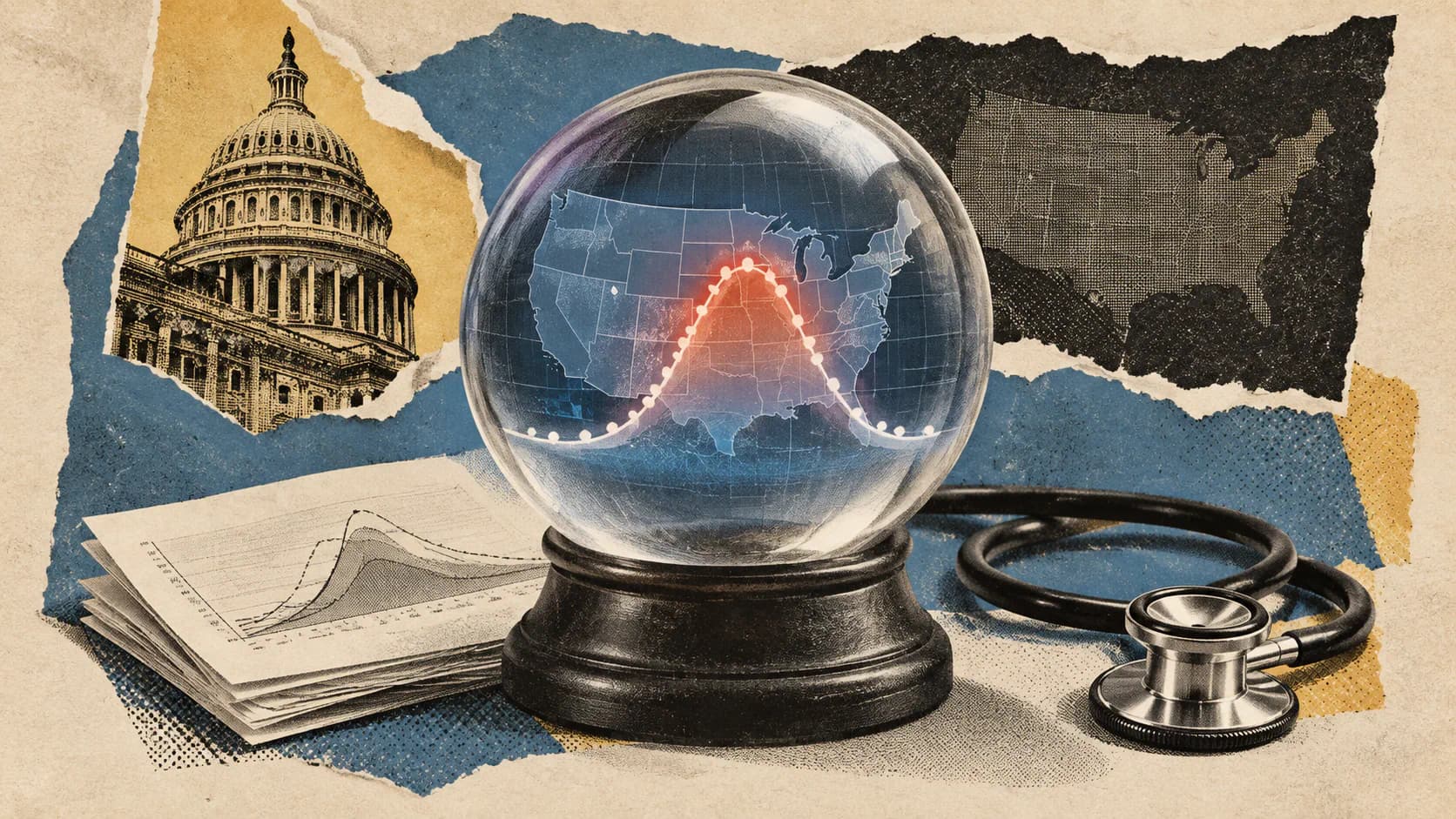
Google’s model led individual-team submissions for 2025–26 state-level flu hospitalization forecasts, but forecast accuracy is not proof of better care.
Angelica Kim8 min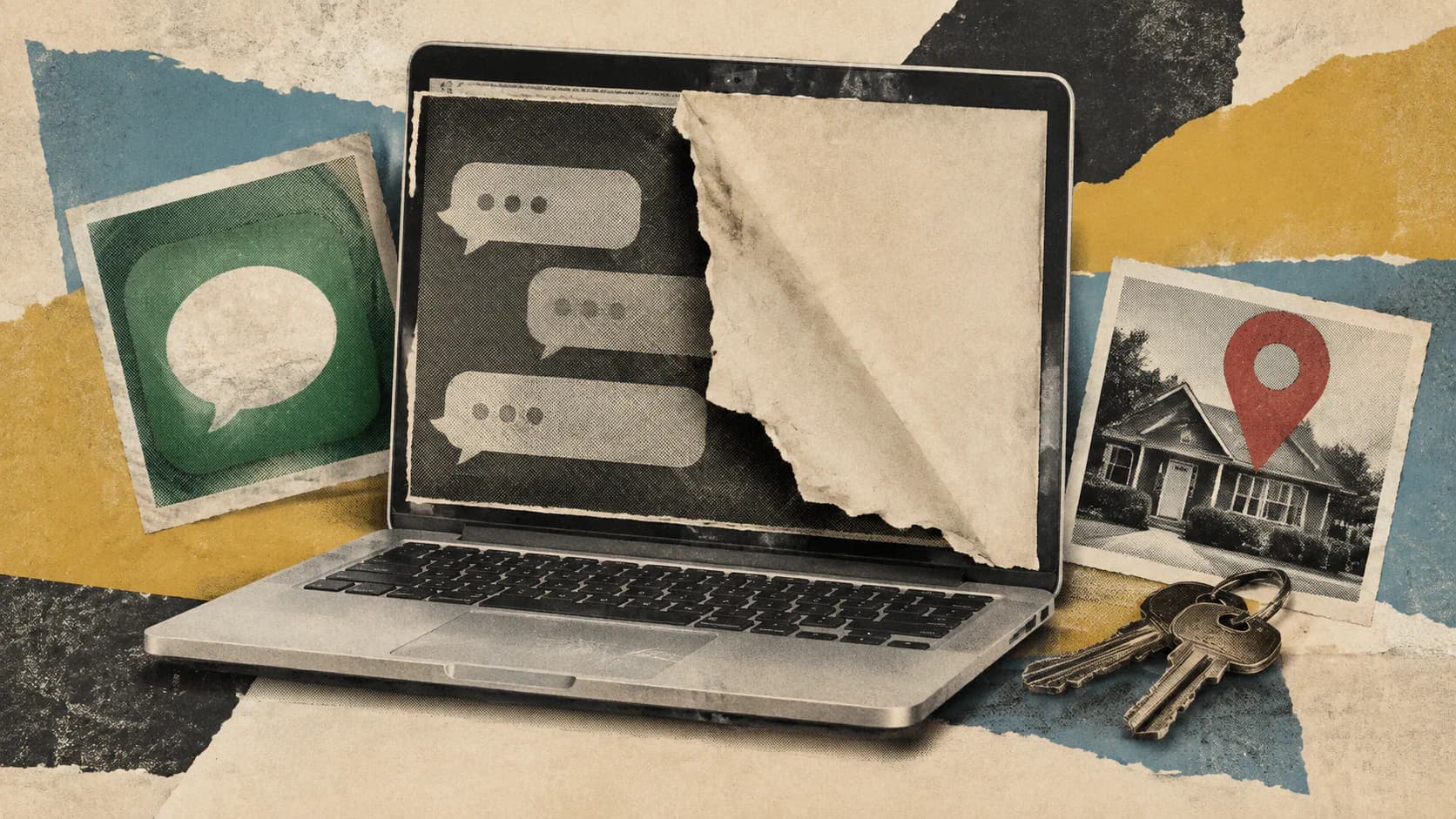
A journalist alleges access he says he never granted; a separate Marketplace incident shows how broad approval can expose private details.
James Rivera8 min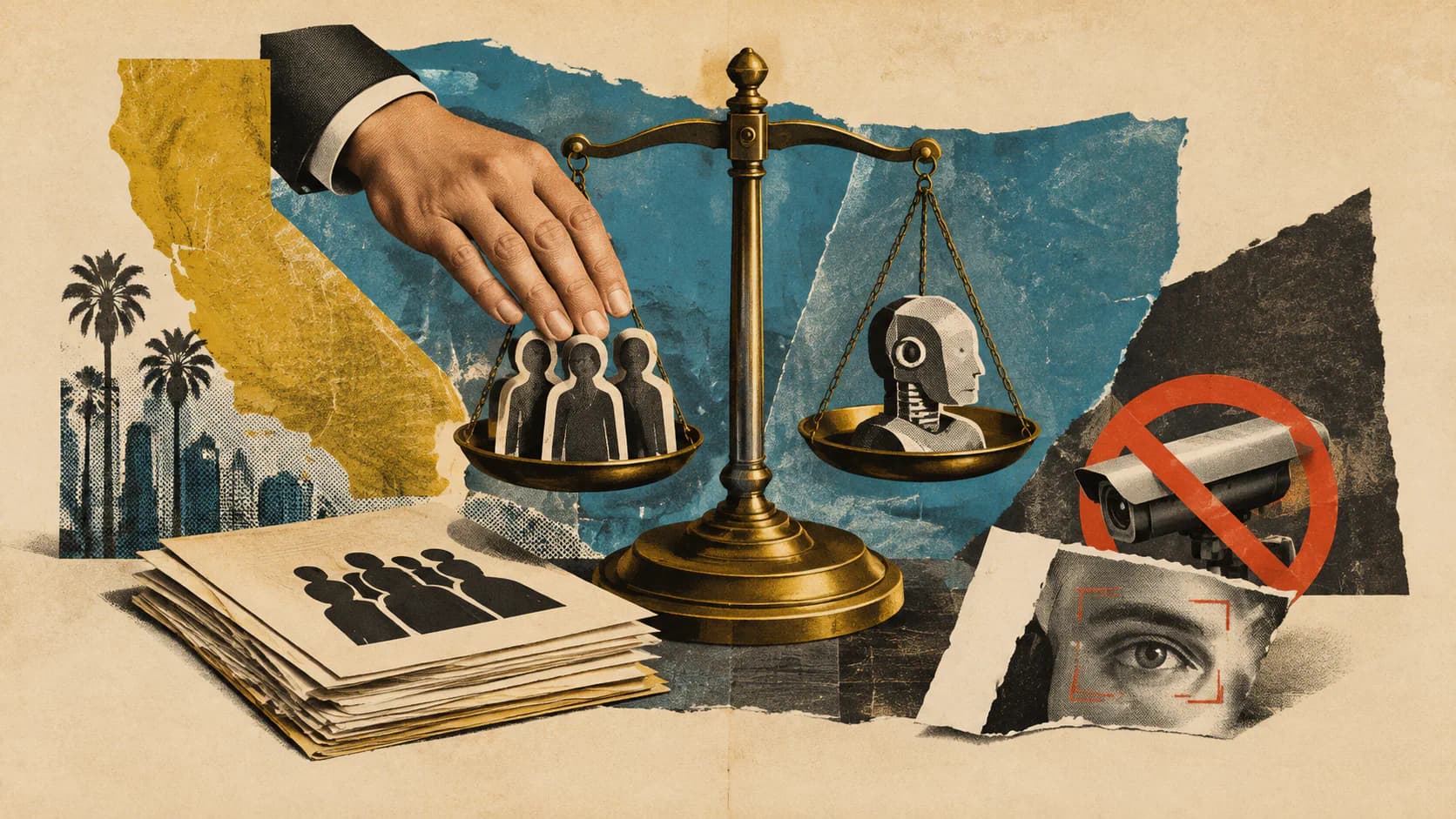
New workplace laws require human checks on AI-led discipline, more detail in covered layoff notices, and limits on biometric emotion analysis and…
James Rivera8 min