Walmart wants customers to shop through AI agents, yet its human-verification checks can still interrupt those transactions. According to TechCrunch’s reporting, Walmart said failures involving Meta’s Muse were not intentional blocks. Amazon, by contrast, was deliberately blocking Muse from its retail site.
The two cases expose different problems behind the same failed shopping task: a business may reject an agent by choice, or its defenses may reject one the business actually welcomes.
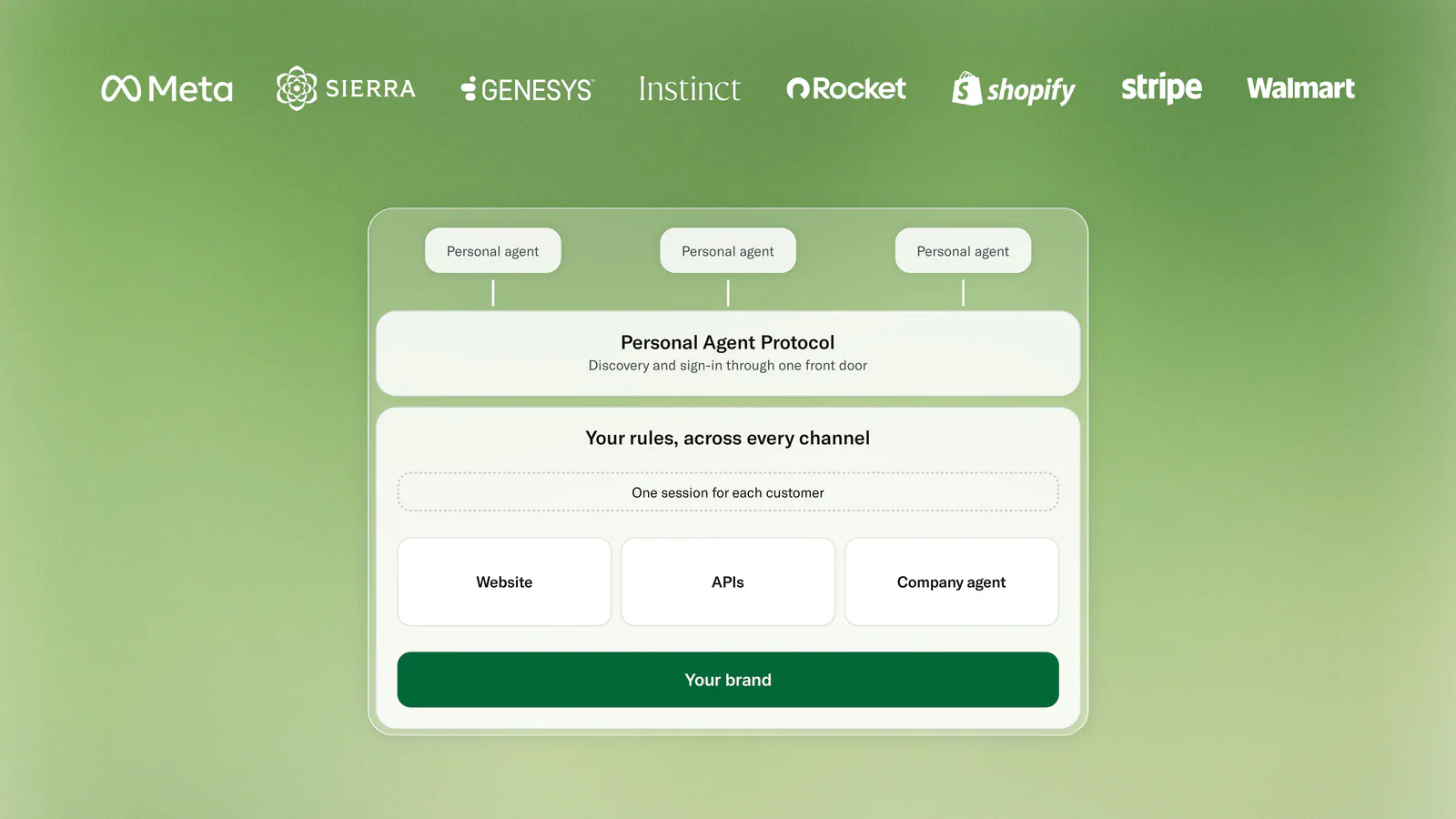
Meta and Sierra are proposing a shared way to manage that distinction. In their October 6, 2026 announcements, the companies described Personal Agent Protocol, an open standard under development for interactions between personal AI agents and businesses.
The announcements outline the intended architecture and participating organizations, and Sierra provides a publication roadmap. Developers still lack the specification needed to build compatible implementations.
Website Access Is Becoming Part of the Shopping Problem
A shopping agent can understand a request, find a product and navigate a checkout flow without being allowed to finish. Access controls sit between the agent’s capabilities and the transaction.
TechCrunch reported that Walmart’s verification process can present a button intended to establish that a visitor is human. If that interaction is interrupted, the check can fail and the agent can lose access. Walmart’s stated willingness to support agent shopping therefore does not automatically translate into reliable access through its existing website.
Better navigation or more reliable handling of a verification screen would not resolve Amazon’s reported block. In that case, the retailer had deliberately decided to exclude the agent.
Consumers may struggle to tell these problems apart. A failed purchase may look like an unreliable assistant even when the underlying problem is the retailer’s access policy. Conversely, a business may appear to reject agent customers when a security mechanism is producing an unintended result.
Meta’s commercial argument is straightforward: an agent arriving with a customer’s request can represent an existing intention to buy, book or resolve an issue. Blocking that interaction can prevent the business from serving the customer.
The company also acknowledges legitimate business concerns in its Personal Agent Protocol preview, including abuse, traffic spikes, liability and control over the customer relationship. The proposed standard aims to make authorized interactions more predictable while retaining those controls.