The frontier AI landscape has shifted significantly as eight top-tier models from OpenAI, Anthropic, Google, and xAI have launched, creating a massive price disparity for similar tasks. This guide compares the strengths, trade-offs, and costs of GPT-6 Astra, Claude Opus 5.5, Claude Fable 5.1, Gemini 4 Argon, and Grok 4.7 to help users select the right model for their specific budget and project needs.
These models vary widely in cost and capability. For instance, OpenAI’s GPT-6 Astra leads on reasoning benchmarks like FrontierMath Tier 4 at 97.6%, while Gemini 4 Argon offers a competitive $2 per million input token introductory API rate until November 30, 2026. Anthropic’s Claude Opus 5.5 and Fable 5.1 provide distinct options for coding and long-horizon tasks, with Fable 5.1 priced at $10 input per million tokens. Users should evaluate these specific vendor-reported benchmarks and pricing structures before committing.
Picking between frontier AI models in 2026 isn't a two-horse race anymore. OpenAI, Anthropic, Google, xAI, Meta, Z.ai, and DeepSeek have all shipped new top-tier models in the past few months, and the price gap between them now runs to roughly 40 times on the same job.
That spread is the real story. The same heavy month of API use costs dozens of times more on one model here than on another, and the cheaper option isn't always the weaker pick for what you need.
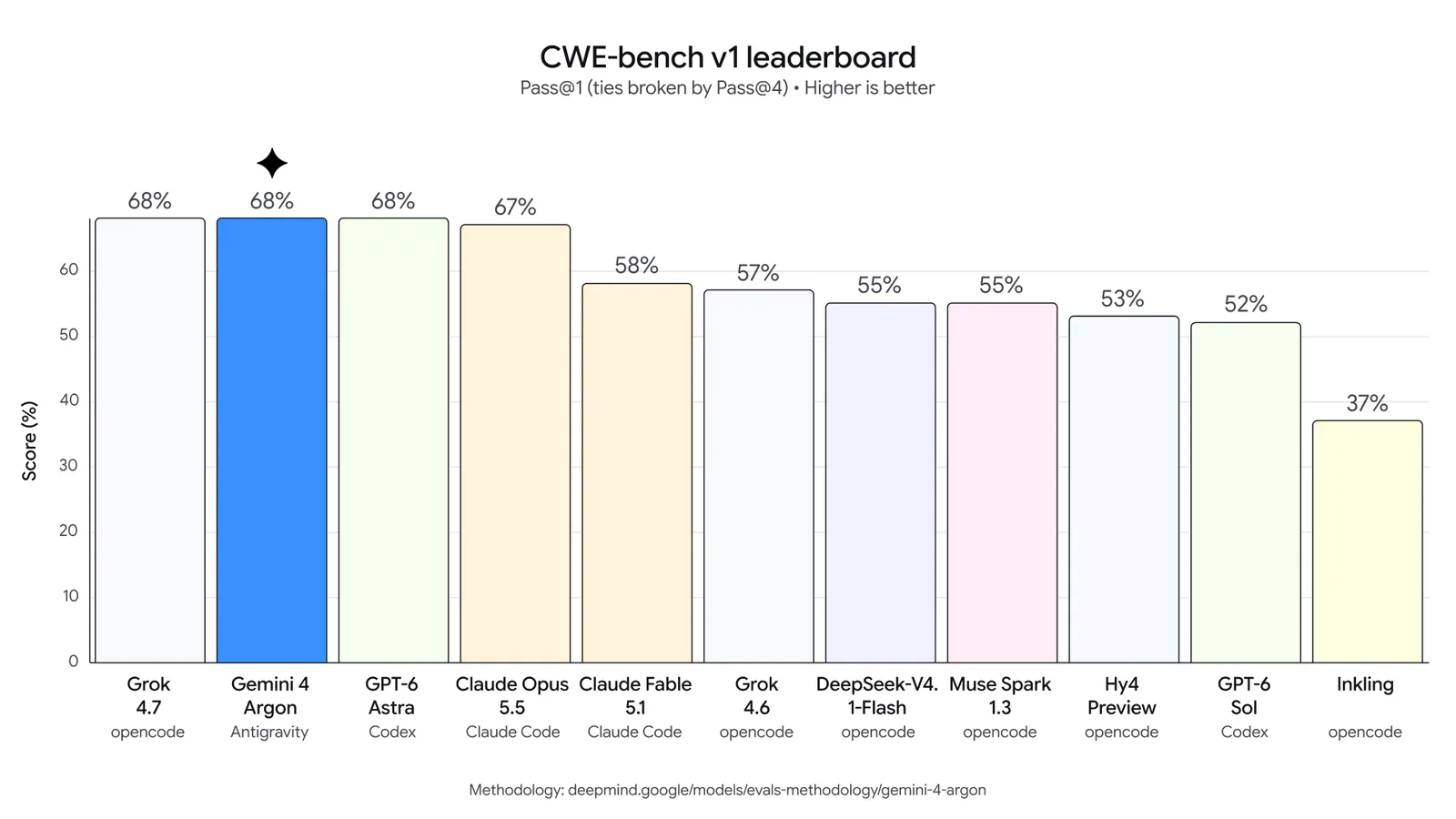
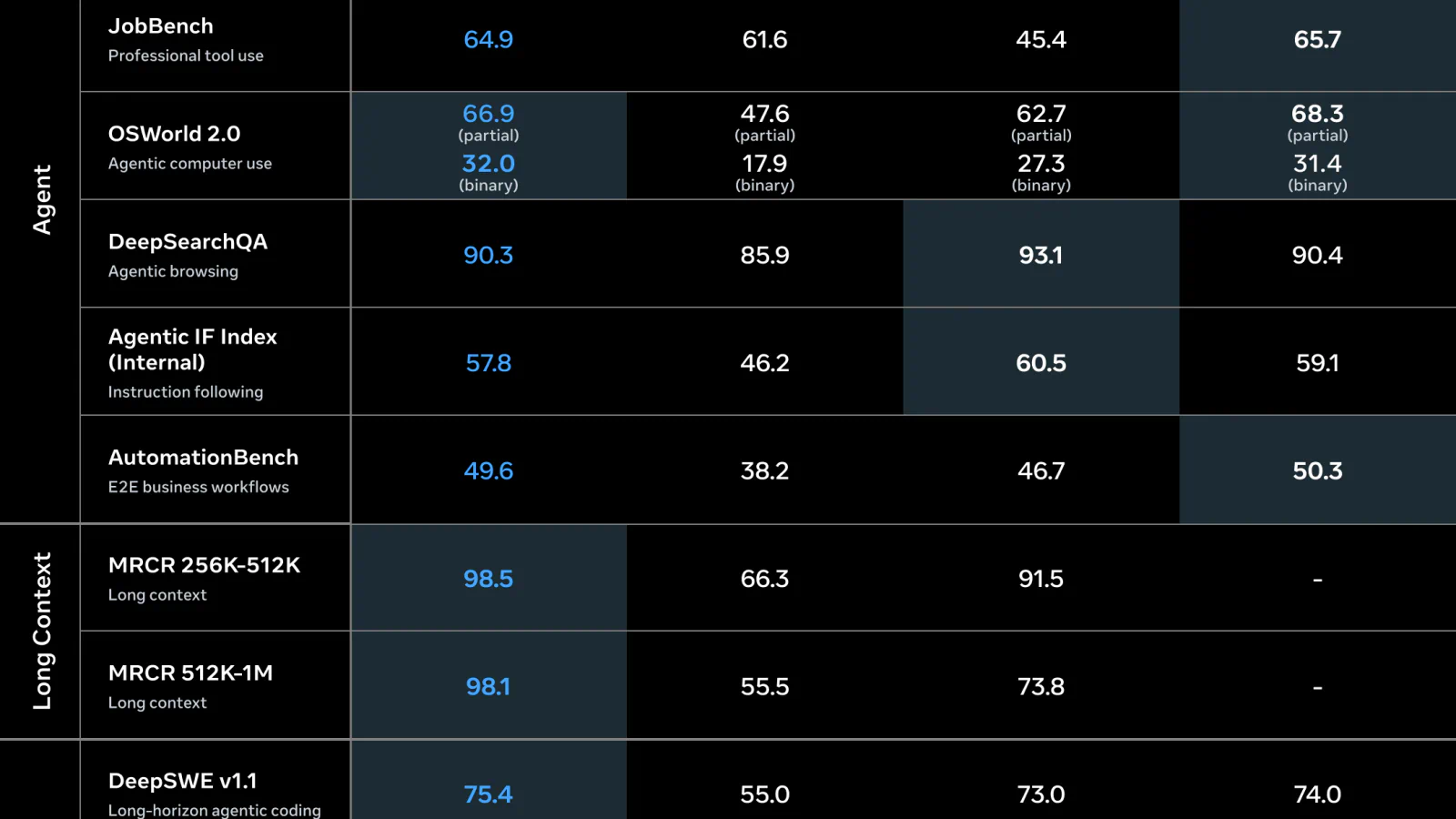
This guide covers eight frontier models, using each company's own launch pages, docs, and pricing tables (as of November 2026). Benchmark scores are vendor-reported, so treat them as each company's best foot forward, not a neutral leaderboard.
You'll get what each model is, where it's strong, where it falls short, and what it costs, both in a monthly app plan and per token through the API. The order isn't a ranking. By the end, you should know which model fits your work and your budget.
1. GPT-6 Astra
Best for: Hard math, science, and long technical projects where accuracy beats speed.
The math numbers are the headline. OpenAI's own table puts Astra at 97.6% on FrontierMath Tier 4 and 96.0% on GPQA Diamond, two demanding reasoning tests (you can read more in Zeniteq's launch coverage of GPT-6 Astra as well).
Key features:
Reasoning: Leads OpenAI's comparison on FrontierMath Tier 4, GPQA Diamond, and ARC-AGI-3
Long tasks: In Codex, Astra can keep notes across context windows instead of repeatedly compressing them
Like this article (0 likes)
Save article
Access: ChatGPT Plus, Pro, Business, and Enterprise, plus the API as gpt-6-astra
Clouds: Also served through Microsoft Azure and Amazon Bedrock
For a general user, Astra makes the most sense if you already pay for ChatGPT. It's included in the paid plans, so you don't have to touch an API at all. If you're doing science homework, research-heavy analysis, or a multi-step coding project, that's where OpenAI says it pulls ahead.
Fast mode: About twice the speed at twice the standard price
The trade-offs are real. OpenAI rates Astra at the Critical threshold in cybersecurity under its own safety framework, so it refuses advanced security work like writing proof-of-concept exploits. Extra safety checks can also slow, pause, or stop legitimate tasks, and in the API the task simply stops.
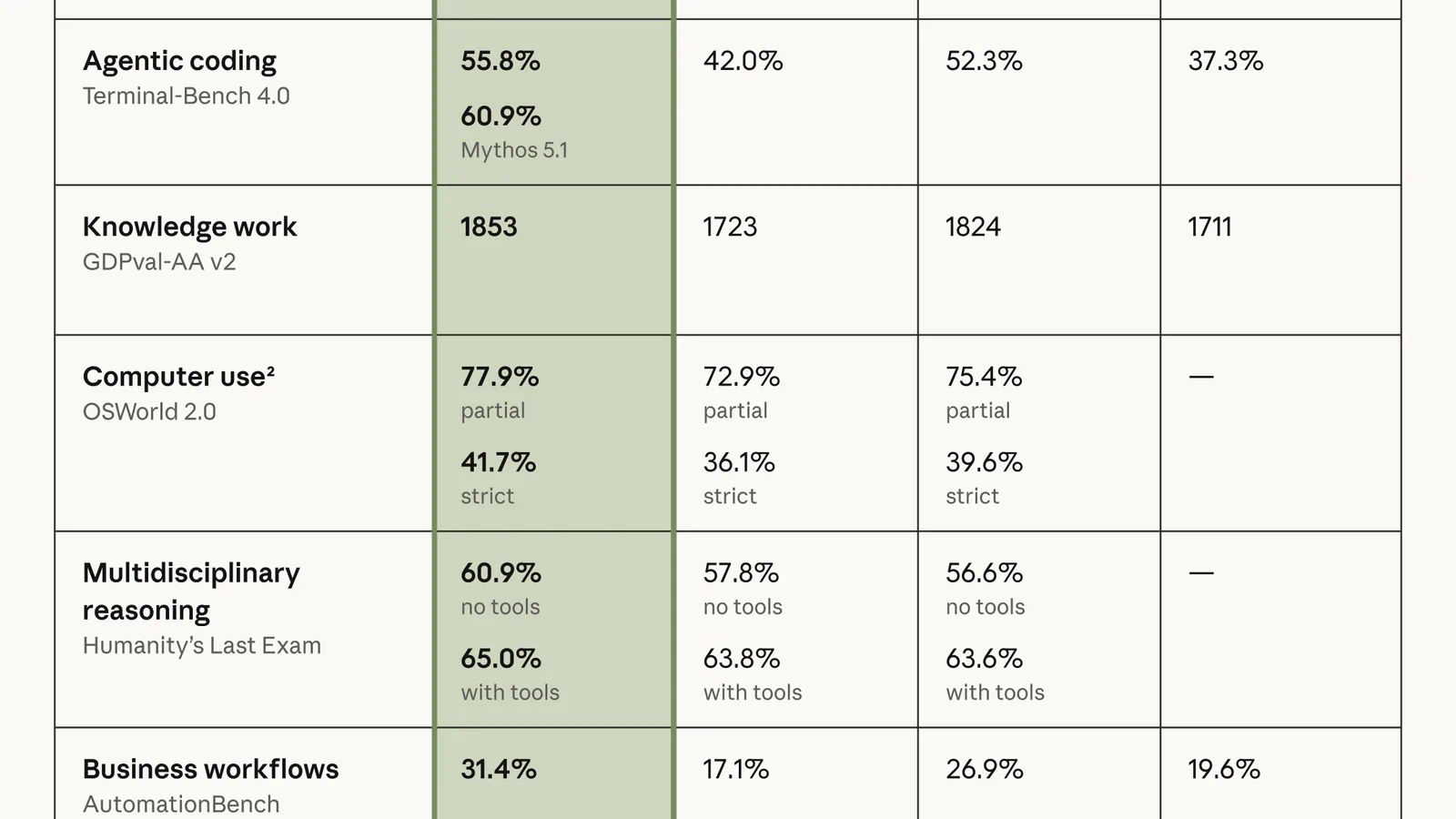
It isn't the top scorer everywhere, either. OpenAI's own table shows Astra at 57.2% on Humanity's Last Exam with tools, behind Claude Fable 5.1 at 65.0%. And its per-token price puts it at the expensive end of this list, tied with Fable.
Before you commit, check whether your plan gives you Astra in the mode you'll actually use, since OpenAI says Enterprise admins have to switch Astra on for their workspace.
2. Claude Opus 5.5
Best for: Everyday coding, writing, and knowledge work at a price most people can justify.
Claude Opus 5.5 is Anthropic's newest model, and the company says it performs at the level of Claude Fable 5.1 on most work while costing about 40% less to run than Opus 5. That's a pretty bold claim for a model that's cheaper per token than its sibling.
On Anthropic's published table, Opus 5.5 scores 66.4% on Terminal-Bench 4.0, ahead of GPT-6 Astra's 57.9%, and posts the top GDPval-AA score in that comparison. It doesn't sweep every row, though: Astra still edges it on AutomationBench and Terminal-Bench-Science.
Key features:
Context: A 1M-token context window, enough for long contracts, codebases, or reports
Speed option: A fast mode for when you'd rather wait less and pay more
Plans: Available on Claude Pro, Max, Ultra, Team, and Enterprise
Clouds: On the Claude Platform, Amazon Web Services, Google Cloud, and Microsoft's cloud
The catch is mostly about safeguards. Opus 5.5 is the first Opus model to launch with Fable-class protections around cybersecurity, biology, and anti-distillation, so some security research and lab-science requests may get blocked or routed elsewhere. Anthropic's plan comparison doesn't include Opus on the free Claude plan, so you'll need at least Pro.
If you mostly write, analyze documents, or code inside an editor, try Opus 5.5 on Pro for a month before paying for anything bigger.
3. Claude Fable 5.1
Best for: Long, unattended projects that run for hours across several apps.
Claude Fable 5.1 is the model Anthropic positions above Opus. It shipped on September 1, and Anthropic calls it its most capable model for coding and knowledge work, built for jobs that take hours and span many applications.
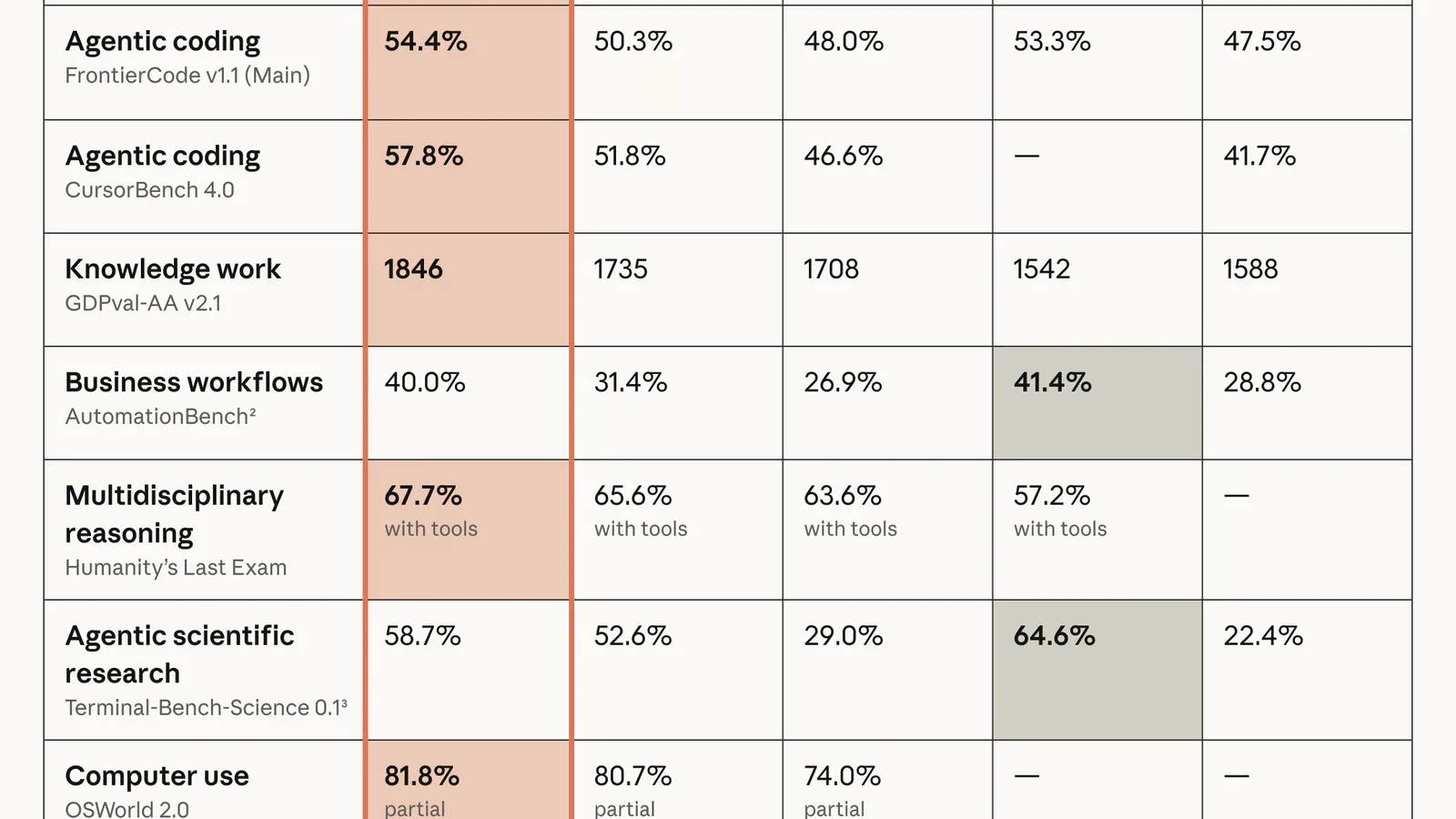
Think of it as the "go away and come back later" model. Anthropic's examples include working through a backlog in Cowork, picking up requests in Slack, operating a browser, and running unattended as a managed agent. Its benchmark table shows big jumps on science tasks: 52.6% on Terminal-Bench-Science, up from 24.7% for Fable 5.
Key features:
Long-horizon work: Multi-day autonomous sessions and codebase-wide changes
Research: Anthropic pitches it for scientific and deep-research work
Plans: Pro, Max, Ultra, Team, and Enterprise
Data location: US-only inference at 1.1 times the normal price
There are three trade-offs worth knowing. Using Fable requires 30-day data retention for safety monitoring by default, which some businesses won't accept. Requests flagged in sensitive areas get automatically routed to less capable models (you're not charged Fable prices when that happens). And since Anthropic itself says Opus 5.5 matches Fable on most work, Fable's extra cost only pays off on the longest, hardest jobs.
Unless your tasks routinely run for hours, start on Opus 5.5 and move up only when it stalls.
4. Gemini 4 Argon
Best for: Professional work in finance, legal, and science, and anyone who already pays for Google AI.
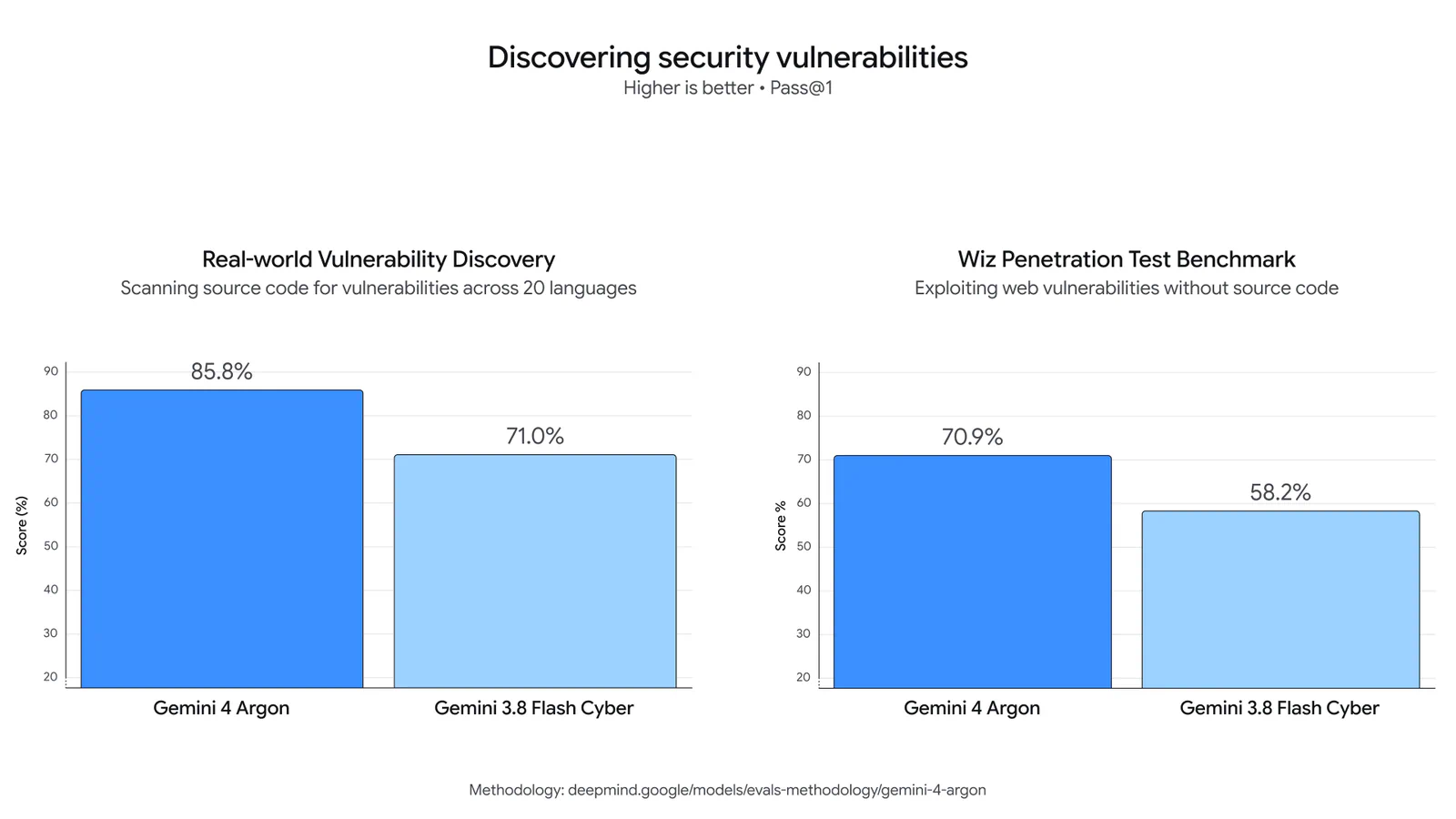
Google says Argon ranks #1 on the Vals Index, which tests models on finance, coding, legal, and tax work. It also claims a top 87% score on the ERQA embodied-reasoning test and major gains in spatial reasoning, math precision, and visual coding over earlier Gemini models.
Key features:
Huge output: A 1M unified input-output token limit, so it can write very long documents in one go
App access: Gemini app and AI Mode in Search for AI Pro and Ultra subscribers
Prompt-injection resistance: Google says attack success fell to 0.7% on the Gray Swan benchmark
Agent safety: Trained to pause for confirmation before irreversible steps
That deadline is the main thing to plan around. If you build a budget on the intro price, your bill doubles in December. Some access is also tiered: Google lists Antigravity (its coding environment) for AI Ultra subscribers, and cyber defenders who want Argon without guardrails have to apply to a separate program.
For most people, the question is simple: if you already pay for Google AI Pro, you've got Argon in the Gemini app, and you can see how it handles your work before spending more. Read how Google took Argon global at half-price API rates for the launch details.
5. Grok 4.7
Best for: Coding and knowledge work where price matters as much as raw scores.
Grok 4.7 is the newest flagship from xAI, which now brands itself SpaceXSI. The company calls it its most capable model for coding and knowledge work, built on a new, larger base model than Grok 4.6 and trained to check its own work more carefully.
The pitch is value. xAI says Grok 4.7 is "at the frontier in price-performance" on CursorBench 4.0, a test of longer-running coding tasks, and it serves the model at the same price and speed as Grok 4.6. On xAI's own table it also scores 19.6% on the Harvey Legal Agent benchmark, well ahead of the other models listed there.
Key features:
Self-checking: Better at verifying its own work and managing longer context, according to xAI
Where it runs: Cursor, Grok Build, the Grok API, third-party coding tools, and model routers
Fast variant: Twice the output speed at twice the price
Safeguards: Advanced cyber capabilities are invite-only for select security partners
That's a fifth of Astra's input price and an eighth of its output price. The trade-off shows up on the hardest coding tests. On xAI's own table, Grok 4.7 scores 46.3% on CursorBench 4.0 against 51.8% for Claude Fable 5.1, and 37.6% on Terminal-Bench 4.0, well short of the Claude models.
Also note where it's offered. xAI's announcement points to Cursor, Grok Build, and the API, and doesn't mention the Grok chat app, so check your Grok plan's model list before assuming you'll get 4.7 there.
6. Muse Spark 1.3
Best for: High-volume work where a low cost per task beats top-tier scores.
Muse Spark 1.3 is Meta's model for agentic and coding work at scale. Meta's docs describe it as the lower-cost option for high-volume, latency-sensitive work, and Meta pairs it with its other model, Muse Wonder (the docs even suggest running Spark as a sub-agent under a Wonder main loop).
One correction to a common claim: Muse Spark 1.3 isn't open-weight. Meta offers it through its Model API and Muse Code. Meta's docs list a separate model, Muse Spark Open, under open-weight models.
Key features:
Inputs: Text, image, video, audio, and PDF in, text out
Context: A 1,048,576-token window
Reasoning effort: Adjustable from "minimal" to "max"
Contributor mode: Much cheaper tokens if you let Meta train on your content
Contributor: $0.10 input / $0.20 output, in exchange for training rights on your content
No long-context premium: A full context window costs the same per token as an empty one
Web search grounding: $2.50 per 1,000 queries
Contributor mode is the trade-off to think hardest about. The discount is huge, but you're giving Meta permission to use your prompts to train future models, which rules it out for client work or anything confidential. Max reasoning effort also isn't available in Contributor mode.
Meta is upfront about one gap: audio understanding in Muse Spark 1.3 isn't fully supported, and quality may drop on audio requests. If audio matters to you, Meta points you to Muse Spark 1.2 instead.
7. GLM-5.3
Best for: Agentic coding on a budget, especially if you'd like an open-source option.
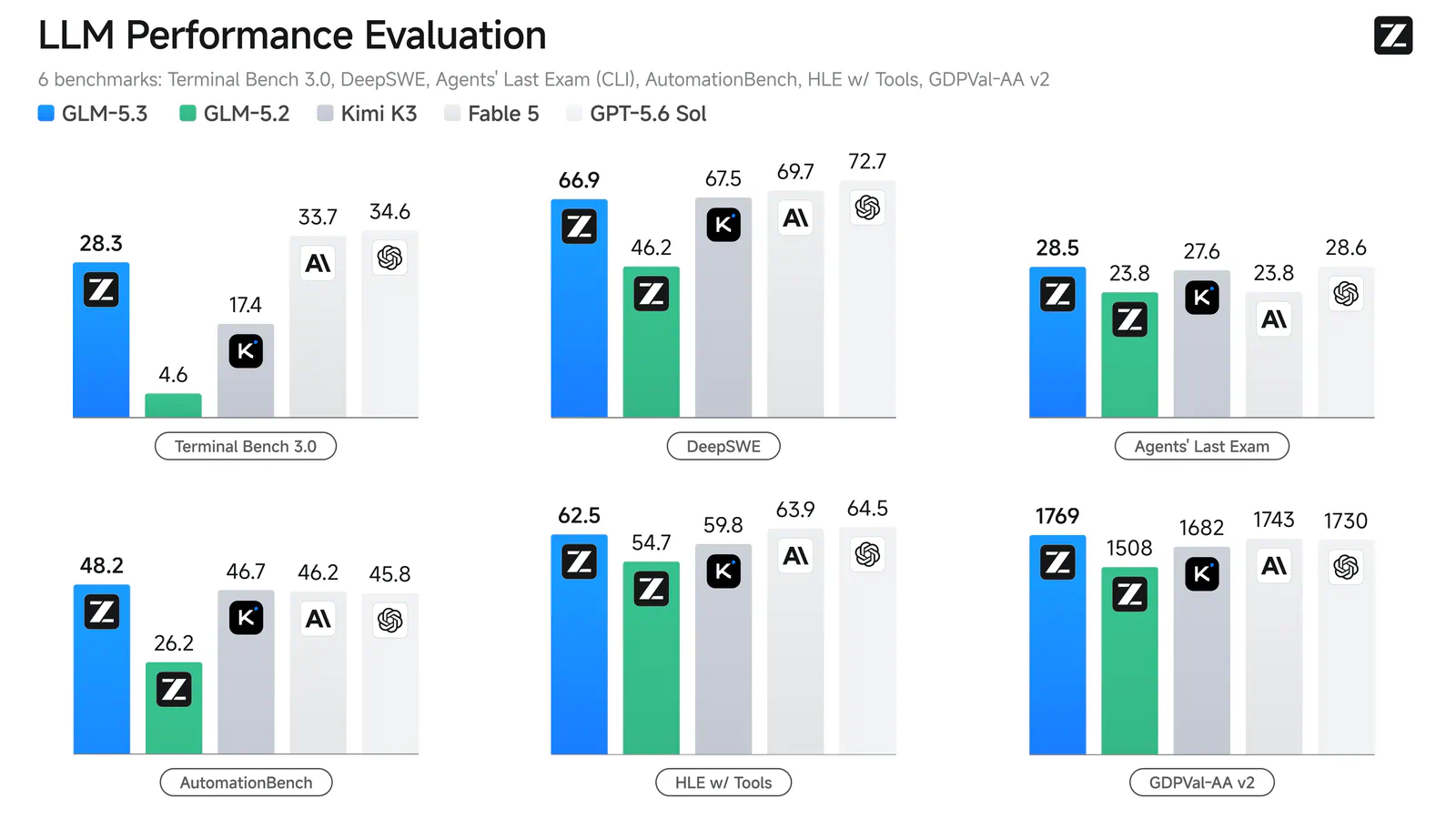
GLM-5.3 comes from Z.ai, and the company says it reaches state-of-the-art performance among open-source models on public tests including Terminal Bench 3.0 and Agents' Last Exam. It reuses GLM-5.2's base model, with all the gains coming from post-training.
Those gains are large. Z.ai reports a 50% jump over GLM-5.2 on its in-house coding benchmark, and a climb from 4.6 to 28.3 on Terminal-Bench 3.0. It also uses fewer output tokens per task than its predecessor, which helps on cost.
Key features:
Context: 1M tokens in, up to 128K tokens out
Reasoning: Always on, with low, high, and max effort levels
Coding Plan: A points-based subscription where off-peak and weekend use costs half the points
Open source: Z.ai positions it against other open-source models, with weights you can self-host
Now the limits. GLM-5.3 accepts text-only input, so it's not the multimodal model some roundups describe. Reasoning can't be switched off, and apps that try to disable it will get errors. Z.ai is also candid that it still trails closed models: on its own coding chart, GLM-5.3 sits behind Claude Fable 5, and the company says its pipelines "still require a meaningful amount of human-in-the-loop work."
Best for: The lowest price per token on this list, plus weights you can run yourself.
DeepSeek's V4.1 release is a Flash model, DeepSeek V4.1 Flash, and the current build behind DeepSeek's API is DeepSeek-V4.1-Flash-1017, with a 1M-token context and up to 384K tokens of output.
What makes it stand out is efficiency. DeepSeek's model card describes a multimodal mixture-of-experts model with 552B backbone parameters that handles contexts up to one million tokens, released with its weights under the MIT License. In plain terms, you can download it, modify it, and use it commercially.
Key features:
Modes: Thinking (the default) and non-thinking
Vision: Image understanding is supported in the API
Open weights: MIT-licensed, so you can self-host it
Off-peak: $0.15 input / $0.60 output per 1M tokens
Cache hits: $0.006 peak, $0.003 off-peak
Peak hours: 01:00 to 04:00 and 06:00 to 10:00 UTC, Monday through Friday
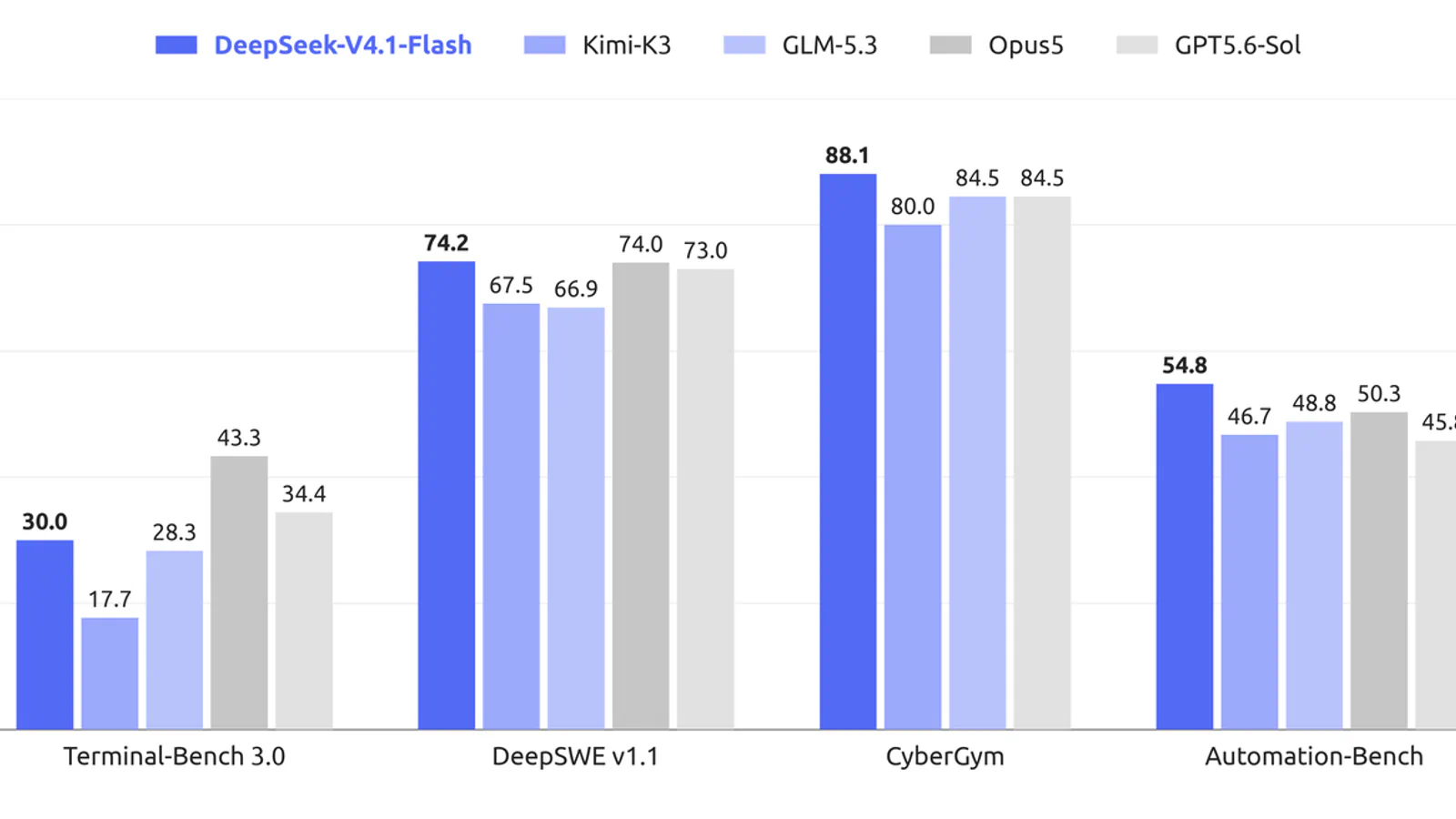
The trade-offs are less about price and more about fit. On DeepSeek's own comparison table, V4.1 Flash still trails Claude Opus 5 on Humanity's Last Exam and Terminal-Bench, so it isn't the pick for the hardest reasoning work. And if you use DeepSeek's hosted app or API, think about where your data goes; self-hosting the MIT weights avoids that question, but you'll need serious hardware to run a model this size.
Choose by the kind of work you do and how you'll pay for it: most people should start with the app plan they already have, then compare per-token prices only if they build with the API.
What to look for in a frontier AI model
How you'll use it: If you just chat, look at the monthly plan first; token prices only count once you build with the API. Pick the wrong plan and you'll find the model you wanted isn't included.
Task length: Long, unattended jobs favor Claude Fable 5.1 or GPT-6 Astra. Short, high-volume tasks get expensive fast on those two.
Price stability: Gemini 4 Argon's intro price ends November 30. Budget on the later rate, or you'll be surprised in December.
Data handling: Fable's 30-day retention and Muse Spark's Contributor mode both affect what you can safely send.
Open weights: Only GLM-5.3 and DeepSeek V4.1 Flash let you run the model yourself. That's the only way to keep data fully in-house.
Token prices are hard to picture, so here's one heavy month of API use: 10 million input tokens and 2 million output tokens, with no caching, batch discounts, or long-prompt surcharges. That's roughly a busy developer's month of agent runs.
If you only chat in an app, ignore this table. A monthly plan such as Claude Pro at $20 is the simpler and usually cheaper route for everyday use.
Key differences
Top-end reasoning: GPT-6 Astra leads OpenAI's math and science tests, while Claude Fable 5.1 beats it on Humanity's Last Exam in OpenAI's own table.
Value at the top: Claude Opus 5.5 costs less than half of Astra or Fable per token, and Anthropic says it matches Fable on most work.
Cheapest closed model: Grok 4.7 at $2/$6 per million tokens, followed by Muse Spark 1.3 at $1.25/$4.25.
Open weights: Only GLM-5.3 and DeepSeek V4.1 Flash, and DeepSeek's weights come under the MIT License.
Multimodal input: Muse Spark 1.3 and Gemini 4 Argon take the widest range of inputs, DeepSeek handles images, and GLM-5.3 reads text only.
Privacy strings: Fable keeps data for 30 days by default, and Muse Spark's cheap Contributor tier trains on your content.
Which frontier AI model should you choose?
If you already pay for ChatGPT and do research or math, use GPT-6 Astra.
If you want one model for writing, coding, and documents at a fair price, pick Claude Opus 5.5.
If you hand off long projects and come back hours later, step up to Claude Fable 5.1.
If you live in Google's apps or work in finance, legal, or science, try Gemini 4 Argon on AI Pro.
If you code in Cursor and watch costs, go with Grok 4.7.
If you run high-volume, non-sensitive tasks, use Muse Spark 1.3, in Contributor mode only for data you don't mind sharing.
If you want an open-source coding model, choose GLM-5.3.
If cost is everything or you need to self-host, start with DeepSeek V4.1 Flash.
If you only ask a few questions a week, skip paid plans entirely and use the free tiers of the apps you already have.
Final thoughts
The biggest takeaway is that top-tier capability no longer has one price. GPT-6 Astra and Claude Fable 5.1 still lead the hardest reasoning and long-running work, but Claude Opus 5.5, Gemini 4 Argon, and Grok 4.7 get close for a fraction of the cost, and the open-weight GLM-5.3 and DeepSeek V4.1 Flash now cost pennies per million tokens.
My pick is Claude Opus 5.5, because Anthropic's own numbers put it level with Fable on most work at $4/$20 per million tokens, and you can use it on a $20 Pro plan without touching an API. If I were building something high-volume on a tight budget, I'd test DeepSeek V4.1 Flash first, since its off-peak price is low enough to make mistakes cheap.
What do you think of this list? Is there a frontier model you'd add, like Muse Wonder or GPT-6.1 Sol, or one you'd swap out?
Share your thoughts in the comments.
Frequently Asked Questions
5 questions
1
What is a frontier AI model?
A frontier AI model is a general-purpose model at the current state of the art, the most capable systems available at a given time. The group changes quickly, and every model on this list launched within the past few months.
2
Which frontier AI model is the most powerful right now?
No single model wins everything. GPT-6 Astra leads on hard math and science in OpenAI's tests, Claude Opus 5.5 leads Anthropic's coding table, and Google says Gemini 4 Argon tops the Vals Index for professional work.
3
Are open-weight models as good as closed frontier models?
No, not yet on the hardest tasks. Z.ai says GLM-5.3 still trails Claude Fable 5 on its own coding chart, though open models cost a fraction as much per token.
4
Which frontier AI model is the cheapest?
DeepSeek V4.1 Flash is the cheapest model here, at $0.30 per million input tokens and $1.20 per million output tokens at peak on DeepSeek's pricing table, and half that off-peak.
5
Is ChatGPT a frontier model?
No, ChatGPT is an app, not a model. Paid ChatGPT plans give you access to GPT-6 Astra, which is OpenAI's frontier model.