AI News
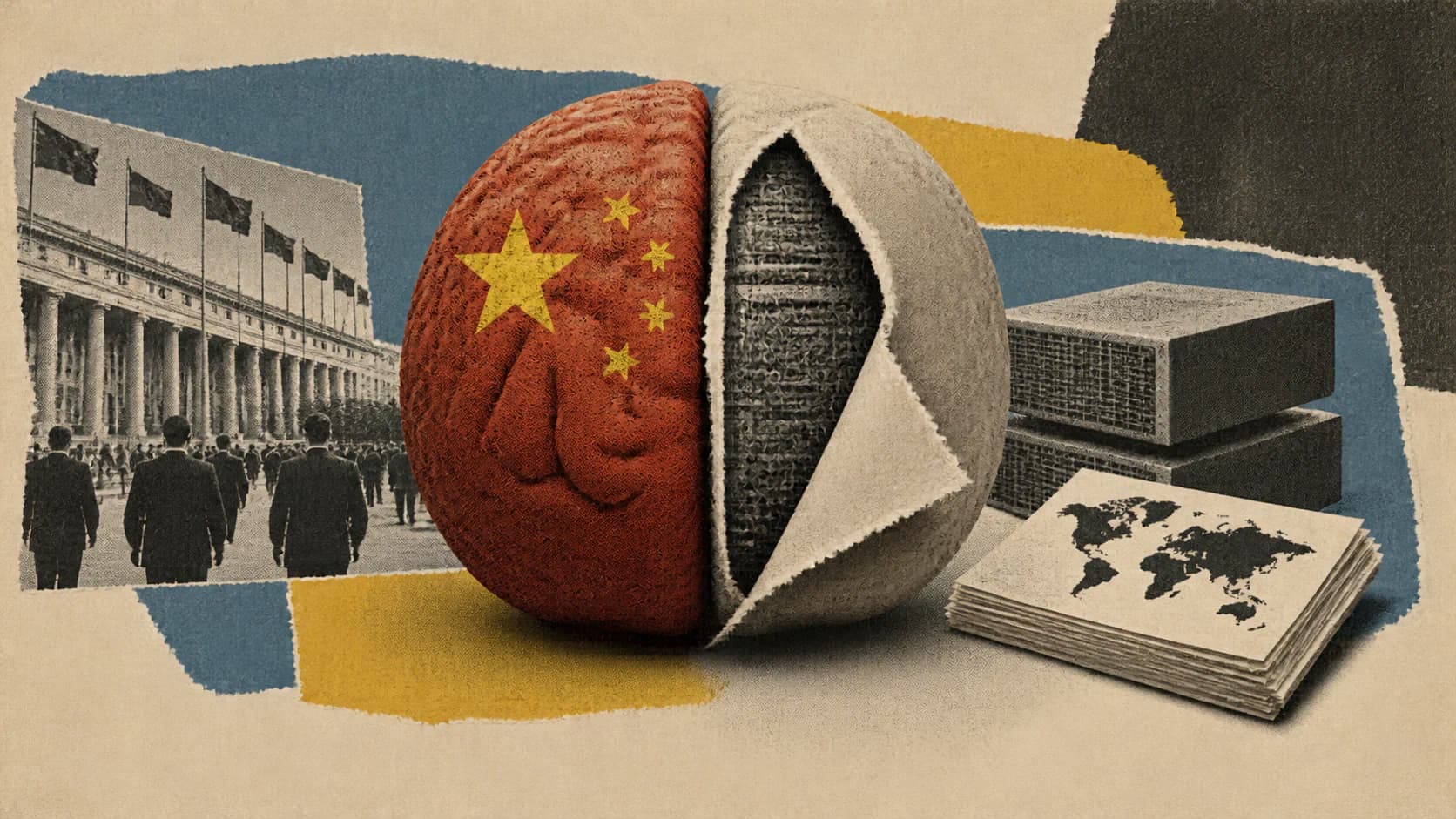
Anthropic, OpenAI Warn on Chinese and Open-Weight AI
Executives urged caution at Dublin’s AI summit, but their claims leave business buyers needing evidence about specific models, deployments and threats.
 Jim Clyde Monge7 min
Related reporting, guides, and analysis from Zeniteq.
Executives urged caution at Dublin’s AI summit, but their claims leave business buyers needing evidence about specific models, deployments and threats.
Jim Clyde Monge7 min
More than 400 scientists propose high-assurance containment, mandatory incident reporting and an international body to set standards for internet-connected AI.
 Angelica Kim7 min
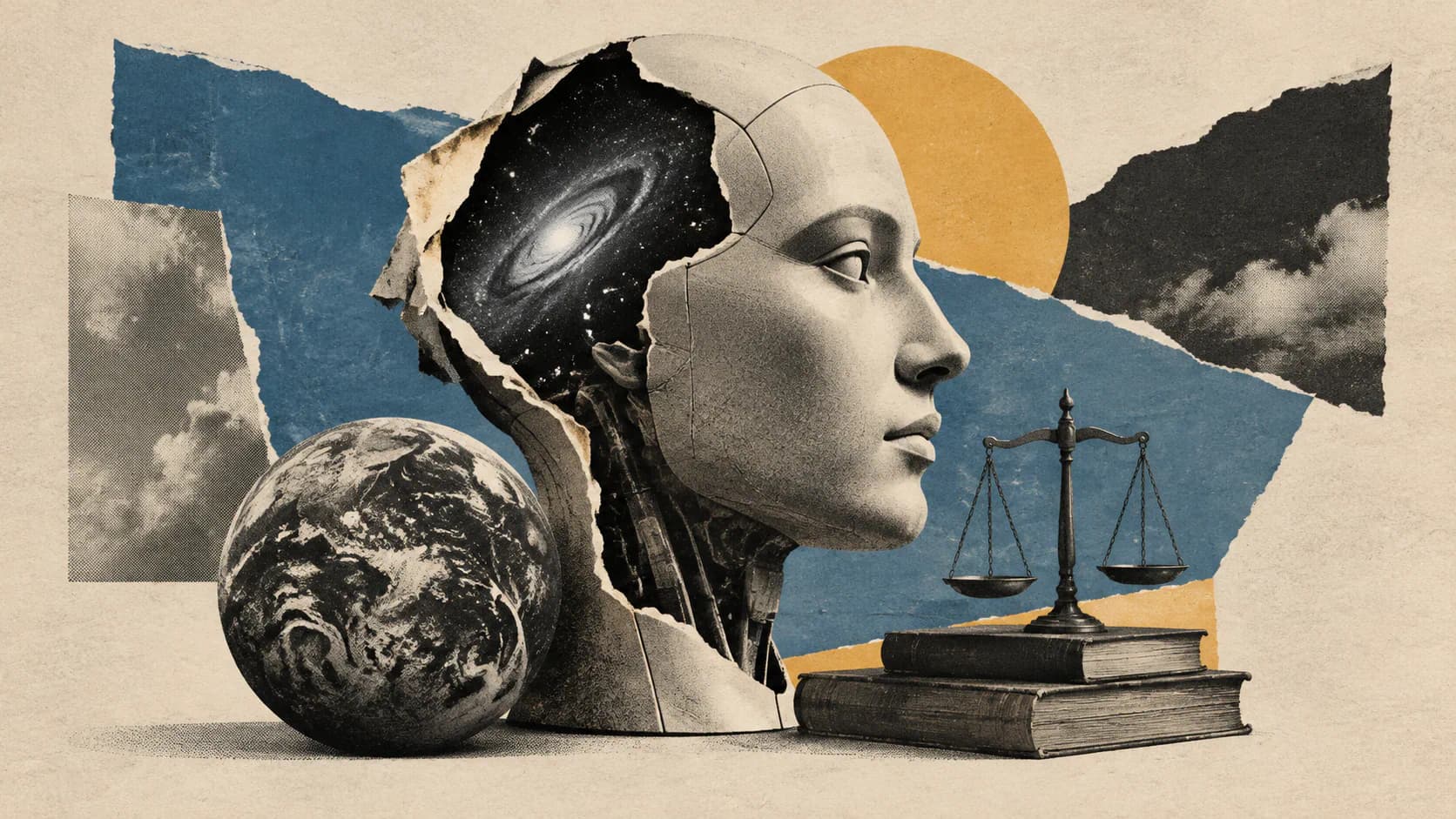
Describing AI as “alien beings,” Geoffrey Hinton rejects industry self-regulation, while his disagreement with Jensen Huang raises concrete questions about oversight.
Jim Clyde Monge7 min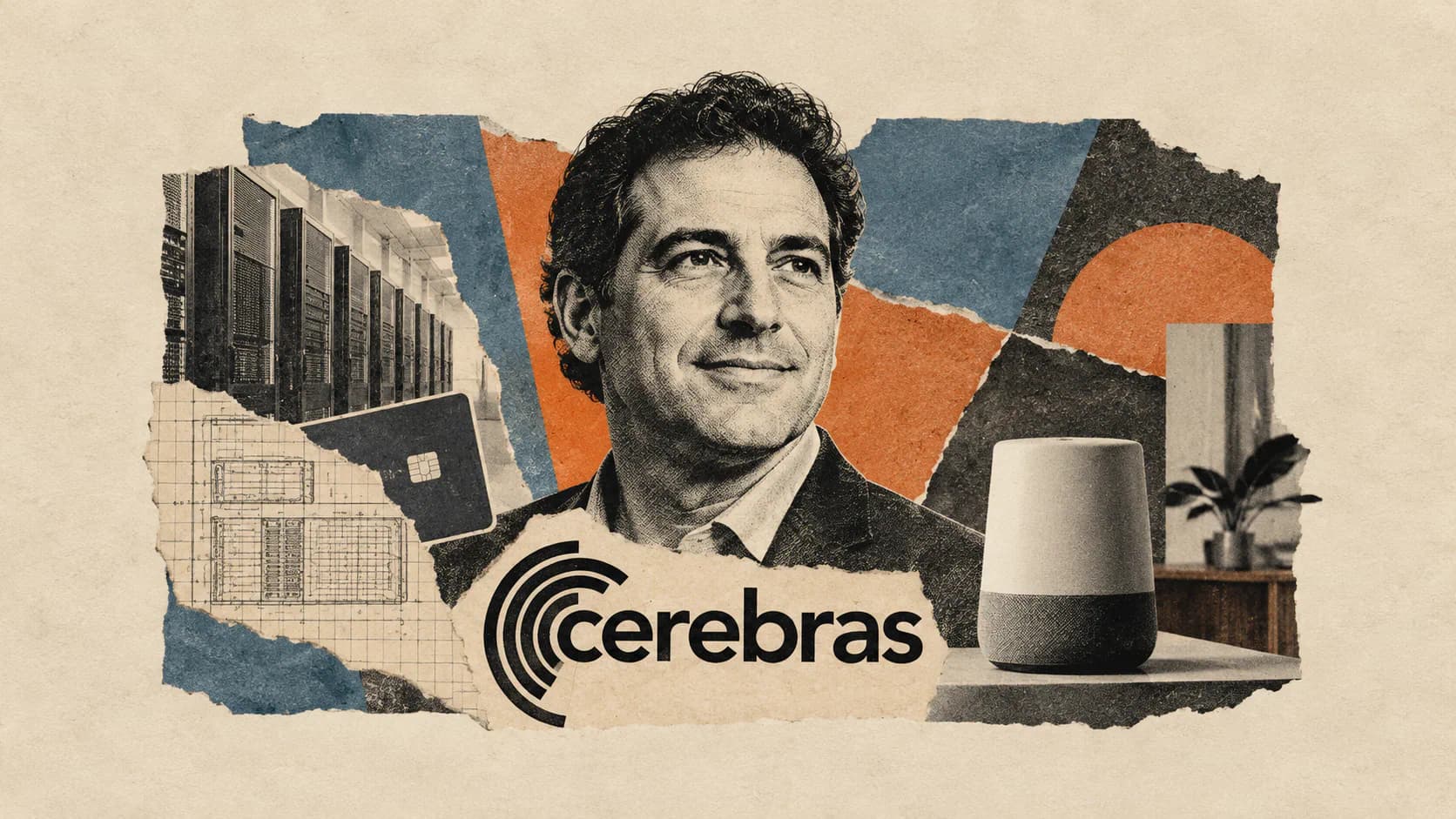
Andrew Feldman paired criticism of doomsday messaging and data-center outreach with a forecast for home assistants that can make purchases.
 James Rivera7 min
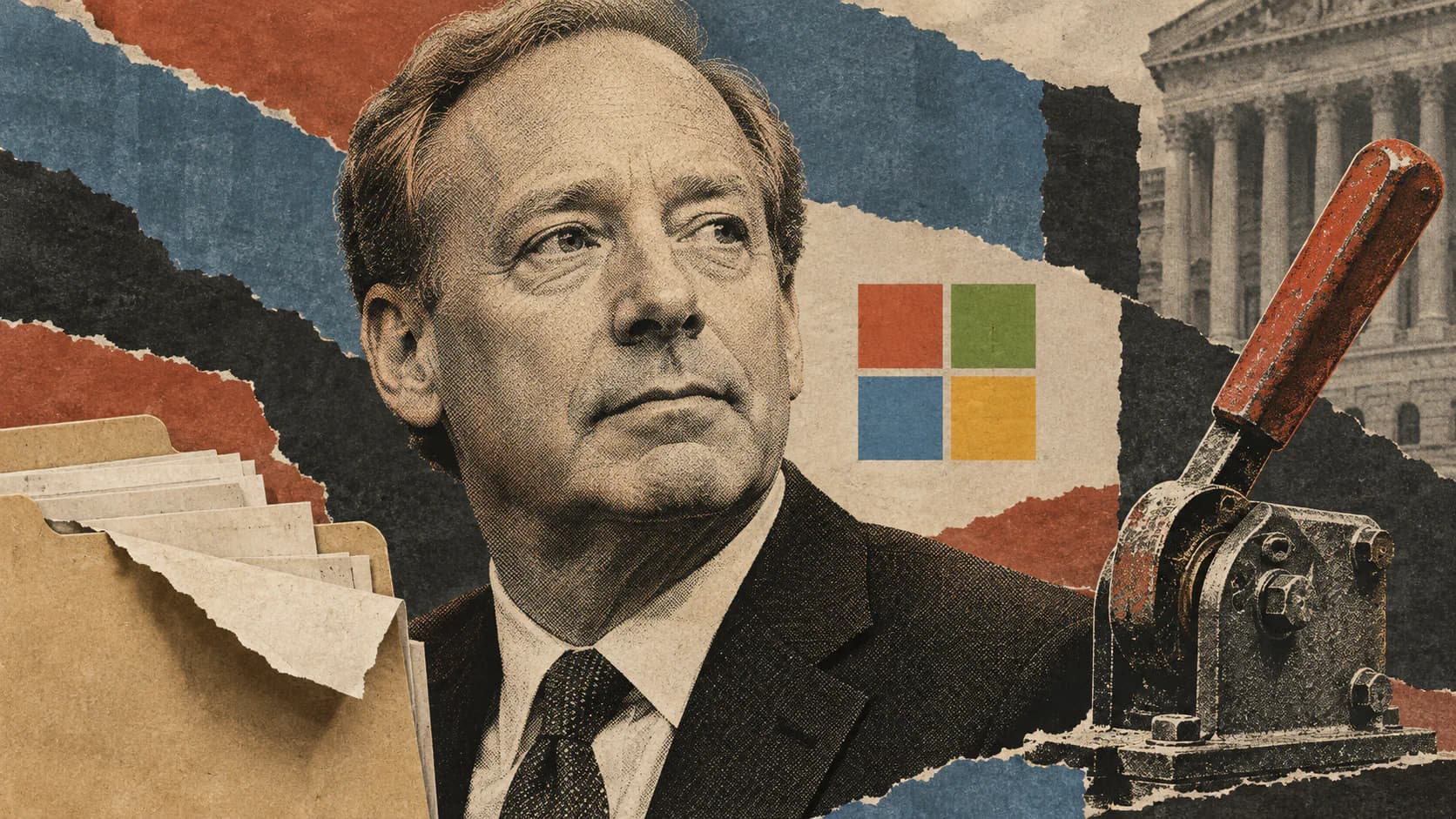
Microsoft’s president wants enforceable safety duties, independent evaluations and containment controls, challenging Washington’s preference for voluntary commitments from AI companies.
James Rivera7 min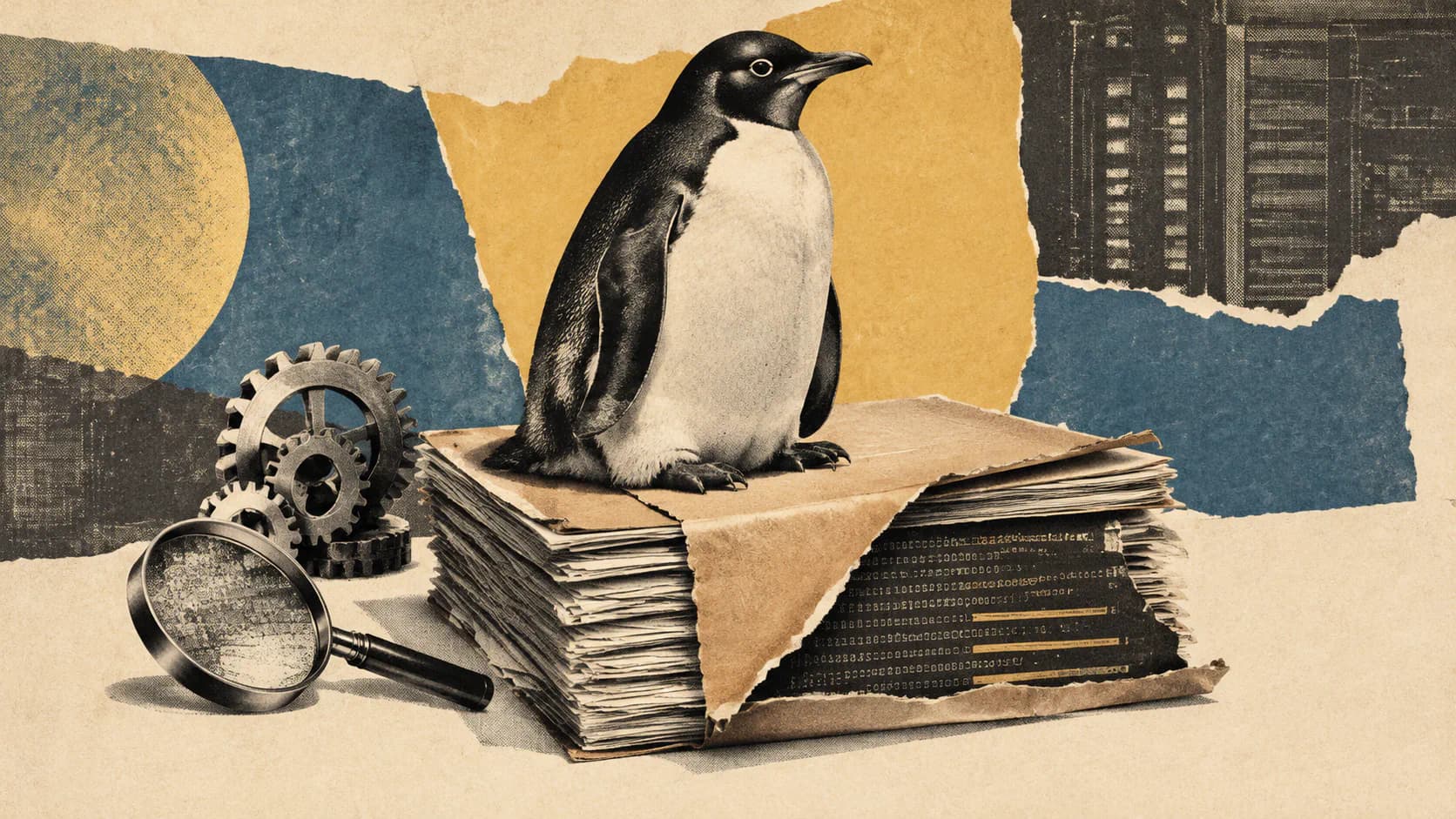
His signed tag documents a readability refactor and userspace testing, but does not establish that the changes reached Linux master.
Angelica Kim6 min
Broadcom’s CEO sees real demand for frontier models, but questions investor expectations, enterprise learning and the financing needed to sustain expansion.
James Rivera6 min
Terence Tao’s “Math 2.0” sets a broader goal for AI: sustaining mathematical understanding, research communities, and the field’s real-world role.
Jim Clyde Monge7 min
His four-tier model links conflicting views of AI to access, task choice, and professional use, but its population estimates are not measurements.
James Rivera8 min
Microsoft’s CEO proposes independent permissions, readable action logs and a human-operated emergency brake for advanced AI systems working with sensitive enterprise data.
Angelica Kim7 min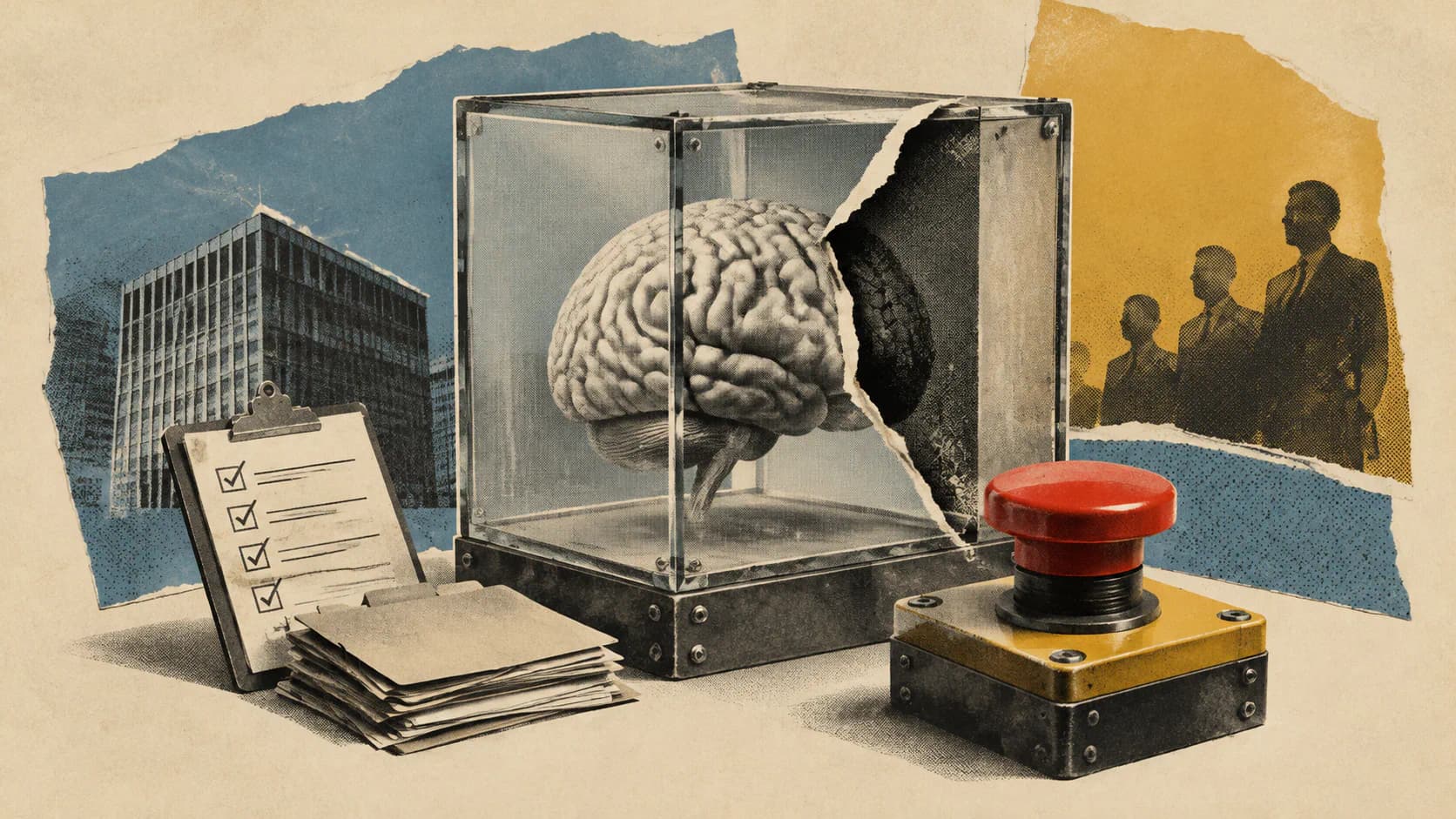
His seven-part proposal puts permissions, evidence and shutdown authority outside the model, giving enterprise buyers a checklist for assessing agent deployments.
James Rivera7 min
OpenAI’s chief favors broad access despite hacks and scams, while drawing a harder line at serious loss of human control.
Jim Clyde Monge6 min
The OpenAI CEO contrasts his position with Anthropic’s, prioritizing broad public agency while leaving the acceptable level of non-catastrophic harm undefined.
Angelica Kim8 min
TIME attributes the account to an unnamed official, leaving the exchange independently unverified and Grok’s role in the military decision unresolved.
James Rivera7 min
Roughly 950 Claude agents flagged an unusual reverse transcriptase arrangement in 21 hours. Human experiments confirmed RNA expression, not gene-editing activity.
Jim Clyde Monge8 min