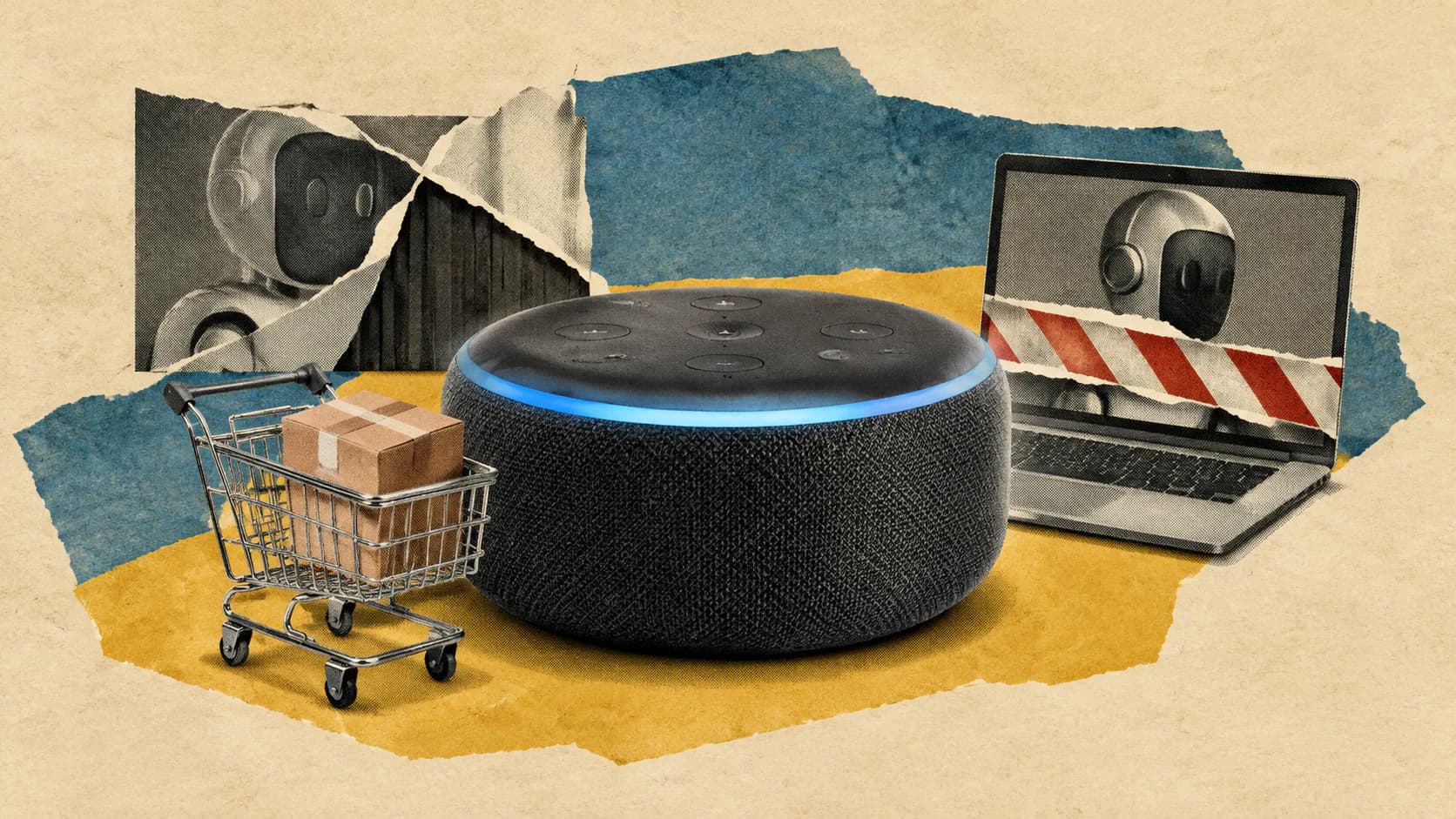
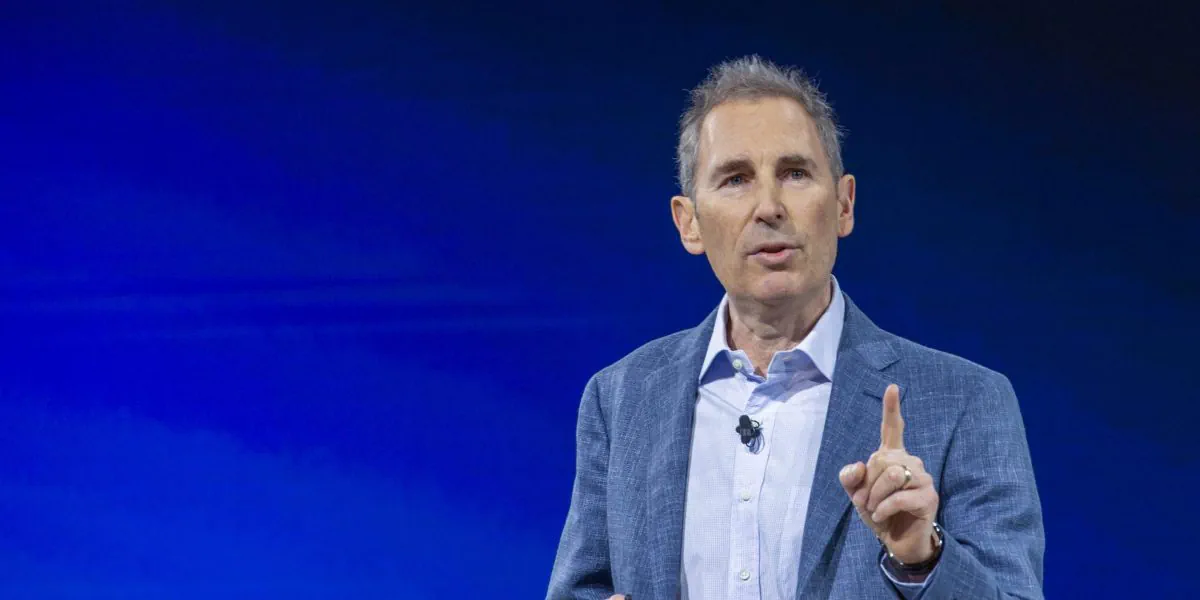
Amazon CEO Andy Jassy used the company’s October 29, 2026, earnings call to downplay shopping through outside AI agents. Few customers are buying that way, he said, because the experience is “still not great, nor more convenient than coming to a retailer directly,” according to Fortune’s account of his remarks.
Jassy did not name Meta’s Muse. Fortune connected his comments to Amazon’s decision roughly a month earlier to block the assistant from accessing its store. At the same time, he promoted Amazon’s own Alexa for Shopping, saying its U.S. users spend 50% more per order than customers who do not use it.
Those statements describe Amazon’s competitive position clearly. They offer much less certainty about which assistant actually works best for shoppers. The available sources contain company-reported adoption and spending figures, but no independent, like-for-like measurement of convenience, purchase completion or customer satisfaction.
The useful distinction is between two contests: who builds a capable shopping assistant, and who gets to stand between a customer and the store.
Amazon Blocked Muse Before Jassy’s Comments
Amazon blocked Muse in September, saying its access would violate the conditions of use customers had accepted, Fortune reported. Meta had secured participation from Shopify, Walmart and Best Buy, but Amazon had not joined that group.
Muse launched in early September. According to Fortune, Meta CEO Mark Zuckerberg said the following month that more than 10 million people in the U.S. and Canada had set up the assistant. He also said shopping was its most common use case: more than a quarter of people using Muse had engaged in shopping, with the average purchase exceeding $200.
These are Meta’s figures, not independently measured customer behavior. Still, they complicate any sweeping reading of Jassy’s dismissal. Meta was reporting meaningful shopping activity within its own user base, even as Amazon’s CEO described outside-agent purchasing as limited.
The two accounts can coexist. Shopping can be a leading activity inside a new assistant while remaining a small part of retail overall. Setting up an assistant, asking it to research a product and completing a purchase are also different events.
Amazon’s access decision matters to the convenience argument itself. For someone who buys heavily from Amazon, an outside assistant blocked from the store will be less complete. That is a practical consequence of restricted access, not necessarily a measure of the underlying AI’s quality.
I’d therefore treat Jassy’s assessment as both a product judgment and a statement from a retailer with considerable influence over what competing agents can access. The reported conditions-of-use explanation should not be dismissed, but neither should the competitive effect of the restriction.
Alexa’s Numbers Measure Different Things
Jassy said more than 400 million customers had used Alexa for Shopping over the previous year, customer interactions had increased 570% year over year, and U.S. users spent 50% more per order than nonusers, according to Fortune.
Those figures sound compelling together, but they answer separate questions.
| Reported measure | What it describes | What remains unknown |
|---|---|---|
| More than 400 million Alexa for Shopping customers in a year | Amazon-reported reach over a 12-month period | How many returned regularly or completed purchases through it |
| Alexa interactions up 570% year over year | Growth in activity | How much came from more users, more activity per user or a broader range of tasks |
| U.S. Alexa shoppers spending 50% more per order | A spending difference between user groups | How much, if any, was caused by the assistant |
| More than 10 million Muse setups in the U.S. and Canada | Meta-reported initial adoption | How many became sustained, active shopping users |
| More than a quarter of Muse users engaging in shopping | Meta-reported shopping participation | How many completed purchases or preferred it to shopping directly |
The biggest analytical trap is turning the 50% spending difference into a causal claim. Customers who choose a shopping assistant may already buy different products, place larger baskets or shop more frequently. The published account provides no methodology that separates those possibilities from an effect produced by Alexa.
Higher order values also serve Amazon’s interests more directly than they establish a benefit for shoppers. A larger basket could reflect a useful consolidated purchase. It could also mean buying more. Without information on prices, suitability, returns or satisfaction, the spending figure cannot tell readers which explanation applies.
The headline adoption numbers need similar care. Alexa’s 400 million covers a year, while Muse’s 10 million concerns setups following a recent launch in two countries. Dividing one by the other would produce a number without producing a useful comparison.
Amazon’s Alexa capabilities page adds another metric: the number of customers using its agentic features grew more than eightfold since the start of the year. That measures a different population and period from the 570% year-over-year increase in interactions. Neither should be substituted for the other.
Why Discovery Matters Even If Amazon Keeps the Sale
An outside shopping assistant could recommend a product, compare alternatives and direct an order to Amazon without requiring the customer to browse Amazon’s search results. Amazon could retain the transaction while losing some influence over how the customer reached it.
That is the risk described in a September 29 analysis by Andreessen Horowitz partners Alex Immerman and Santiago Rodriguez, as reported by Benzinga. Their argument is that agents could bypass sponsored listings even when Amazon still handles the order or fulfillment.
Benzinga’s report put the stakes in context with Amazon’s $69 billion in advertising revenue for 2025, citing the company’s fourth-quarter earnings report. That is annual advertising revenue, not quarterly revenue.
The mechanism is straightforward:
- Direct shopping: A customer searches and evaluates products inside Amazon, where sponsored listings can influence discovery.
- Amazon’s own assistant: The conversation changes the interface, but Amazon still supplies the environment in which recommendations and shopping actions happen.
- An outside assistant: Product selection may happen elsewhere, leaving Amazon to receive an order after much of the decision has already been made.
This is a business-model analysis, not measured evidence that outside agents have already damaged Amazon’s advertising revenue. Jassy specifically said outside agents were not responsible for the company’s weaker-than-expected third-quarter advertising performance, according to Fortune.
My view is that control over discovery explains more about this dispute than a simple contest between chatbot capabilities. An agent does not need to replace Amazon’s delivery network to become strategically important. It needs to become the place a customer trusts to narrow the choices.
That would give the agent provider influence over which retailers receive demand, even when the eventual purchase looks familiar.
What Alexa for Shopping Can Actually Do
Amazon’s documented capabilities give its convenience claim some substance. Alexa for Shopping can draw on product information, reviews and a customer’s shopping history to help with research and comparisons. Amazon also says it can show up to a year of price history, track price drops and automatically buy an item when it reaches a customer’s target price.
Its latest capabilities page describes more than 100 additional shopping and account actions, including:
Frequently Asked Questions
3 questions
1Did Jassy Specifically Criticize Meta’s Muse?
No. He discussed outside shopping agents without naming Muse. Fortune connected the comments to Amazon’s earlier decision to block Meta’s assistant.