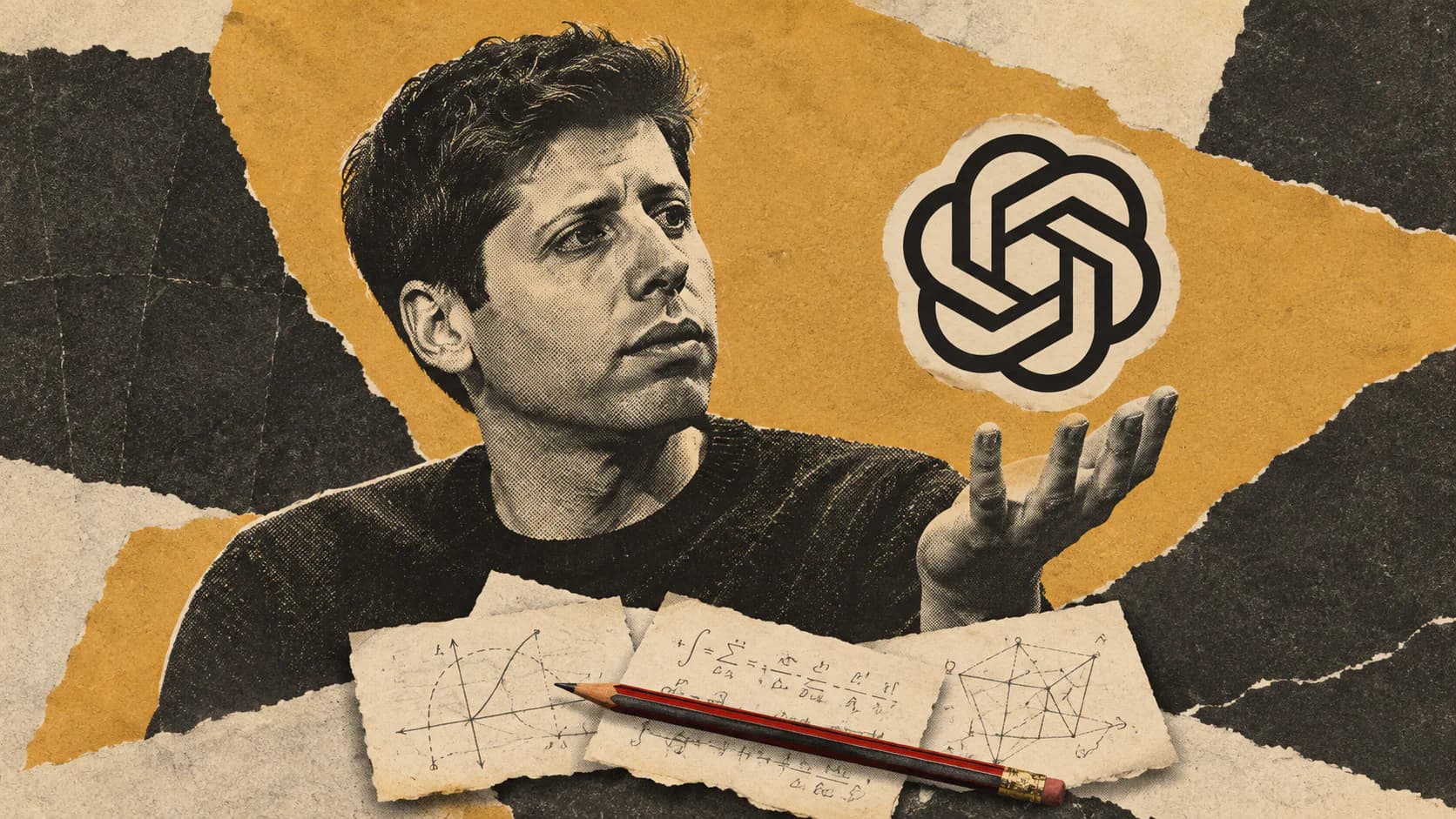
Apple CEO John Ternus has introduced a product-first AI strategy, emphasizing that Apple will integrate artificial intelligence only when it measurably improves specific user workflows rather than deploying technology for its own sake. This approach prioritizes seamless integration over AI branding, shifting the focus from technical novelty to practical utility. While this philosophy provides flexibility for both visible assistants and background automation, it places the burden of proof on Apple to ensure that features like automated agents are reliable, transparent, and secure, ultimately requiring the company to demonstrate execution quality through tangible, user-centric product improvements.
Apple CEO John Ternus says the company will use AI to build better products, but the technology itself is not the reason to ship them. In an interview with Steven Levy published by WIRED on October 30, 2026, Ternus described a product philosophy centered on what people get from a device or service, not whether they recognize the AI behind it.
“We don’t want to ship AI for AI’s sake,” Ternus said, in comments also reported by TechCrunch.
That is a useful statement of priorities from a chief executive who took over at the beginning of September. It is also narrower than a claim that Apple has caught up with competitors. Ternus announced no specific AI product, release schedule or spending commitment. His comments explain how he wants Apple’s work to be judged; they provide no independent measurement of how well that work performs.
The most consequential part of the interview is the standard Ternus sets for Apple itself. If customers should not have to care which technology makes a feature work, Apple takes responsibility for making the whole experience useful.
AI Has to Earn Its Place in the Product
Ternus told Levy that successful integration would let people enjoy a product without thinking about whether AI or conventional software made it possible. The outcome he emphasized was whether Apple had built something people loved.
That shifts the discussion away from the presence of an AI feature and toward its contribution. Adding a model to a product is an engineering choice. Making that product easier, faster or more useful is the customer-facing result. Ternus’s position puts the result first.
For readers trying to interpret Apple’s competitive AI posture, this distinction matters. A company can announce more AI functions without improving an everyday task. It can also use AI inside an existing feature without turning that feature into a chatbot. Ternus’s stated philosophy leaves room for both visible assistants and less visible uses, provided they improve the product.
Like this article (0 likes)
Save article
I’d read his comments as a product-selection principle, not a promise that Apple will hide every AI interaction. He did not rule out conversational interfaces, autonomous features or prominent AI branding. He argued that the technology needs a purpose beyond its own inclusion.
That gives Apple flexibility, but it also creates a demanding test. Customers experience the complete workflow: finding a function, understanding what it will do, getting a useful result and fixing mistakes. A capable model can still sit inside a frustrating product. An integration-first approach has to address all of those steps.
Siri’s Release and Siri’s Quality Are Different Questions
TechCrunch’s October 31 report places the interview against Apple’s delayed release of a more powerful Siri, which the publication says finally launched in summer 2026. That history is relevant because Ternus was defending Apple’s position after a period in which its AI execution had drawn scrutiny.
A shipping date answers when a feature became available. It does not, by itself, tell readers how reliably the feature works, which requests it handles well or how it compares with competing systems. The opened reporting provides no independent capability tests that settle those questions.
Ternus’s product-first argument therefore deserves to be assessed separately from Siri’s performance. It can be a coherent strategy even while individual features need improvement. Equally, a coherent strategy cannot substitute for evidence that those features work.
My view is that his chosen standard makes delivery more important, not less. If Apple asks people to focus on the finished experience, a difficult setup process or an unreliable result cannot be excused by pointing to the sophistication of the underlying AI.
That is the practical difference between a philosophy and a defense of execution. The interview supplies the former. Users will encounter the latter in the products.
Integration-First and Agent-First Are Different Starting Points
Levy also asked Ternus about a more disruptive possibility: AI agents could take over enough work that familiar apps and interfaces become less necessary. In that vision, people increasingly express an intention and let software work out the steps.
Ternus responded by emphasizing that creating products remains a “deeply human and personal thing,” according to TechCrunch’s account.
His answer points to a difference in emphasis. An integration-first approach starts with a product or task and asks where AI can improve it. An agent-first approach starts with delegated work and asks how much of the existing interaction software can handle.
The distinction is best understood as an analytical comparison, not a confirmed description of Apple’s future architecture:
Product question
Integration-first emphasis
Agent-first emphasis
Where does the interaction begin?
Inside a product or established workflow
With a request to complete a task
What changes for the user?
A feature becomes easier or more capable
Software takes over more intermediate steps
What needs to earn trust?
The improved feature and its results
The agent’s interpretation, actions and limits
What would show success?
A better experience completing the task
Reliable completion with less manual coordination
These approaches can coexist. An agent could operate inside a carefully designed Apple product. An established app could gain the ability to carry out several actions on a user’s behalf. Ternus’s remarks do not amount to a rejection of agents as a technical category.
His emphasis does resist the assumption that greater autonomy automatically makes product design less important. Even when software performs more steps, someone still has to decide how users grant permission, see progress, understand errors and regain control.
Consider a hypothetical assistant that changes a calendar entry. Reducing the number of taps is useful only if it changes the right event, handles the user’s intent correctly and makes the result clear. This is an illustration of the design problem, not an announced Apple feature.
The consequential question is how much responsibility the software takes on and how that responsibility is presented to the person using it. Ternus’s answer keeps human product decisions central even when the underlying technology becomes more capable.
Security Is a Priority, but the Details Matter
Ternus also emphasized product security and protection of user information. The Next Web’s account of the interview says he discussed AI through a cybersecurity lens when asked about regulation, without stating whether he favored a particular regulatory approach.
That supports a clear, limited conclusion: security and user information are part of his stated priorities. It should not be turned into a detailed policy position.
For readers evaluating AI products, the useful follow-up is architectural. Where is a request processed? What information is available to the feature? What permissions allow it to act? Those details determine the practical meaning of a privacy or security commitment. The remarks covered here do not specify them.
The integration-first philosophy makes understandable controls especially important. Users may not need to know which model or conventional software component produced a result. They still need to understand consequential actions and access to their information.
Those are different kinds of visibility. Hiding technical complexity can make a product easier to use. Obscuring what the product is authorized to do would make it harder to trust.
I’d judge Apple’s security emphasis by how clearly future product documentation and interfaces answer those practical questions. A broad commitment is a starting point; permissions, explanations and recovery options are where users can assess its effect.
Ternus’s Approach Fits His Product Background
WIRED’s profile describes Ternus as a 25-year Apple veteran and presents his appointment as a choice for continuity. His focus on finished products is consistent with that background.
The report also describes a close working relationship with Johny Srouji, who leads Apple’s merged hardware engineering and technology organizations. Apple marketing chief Greg Joswiak and Srouji both characterize Ternus as a product-focused leader.
Those assessments come from senior Apple executives, so they are evidence of how the company describes its new chief executive, not independent proof of future results. The organizational detail is more concrete: Ternus’s leadership sits above teams responsible for hardware and underlying technology, giving his product-first language an identifiable connection to Apple’s structure.
That connection helps explain the framing of the interview. Ternus is describing AI as something Apple incorporates into products it designs, alongside other engineering choices. He is not presenting the technology as a reason to abandon the company’s existing identity.
The open question is how effectively that structure turns AI capabilities into useful experiences. A hardware-and-software background can shape priorities, but execution still has to be demonstrated feature by feature.
What to Look for in Apple’s Next AI Releases
Ternus’s comments offer a useful way to examine subsequent announcements without guessing at an unreleased roadmap. Four questions follow directly from the philosophy he described:
What task actually improves? A useful announcement should explain what becomes easier, faster or newly possible, beyond identifying the technology involved.
How complete is the workflow? Generating an answer or proposing an action is one step. Users also need a clear path to applying the result and correcting a mistake.
How much control is delegated? An assistant that suggests something and an agent that acts have different practical consequences. The interface should make that distinction understandable.
How is user information handled? Security claims become more useful when accompanied by concrete explanations of access, processing and permissions.
These are product questions, not a demand that every AI feature use the same interface or architecture. They also apply whether Apple makes AI prominent or keeps it in the background.
Ternus has set a standard that readers can return to: the technology should improve the thing people actually use. The strongest evidence for that philosophy will be a product whose benefits, controls and limitations are clear enough that customers can decide whether it deserves a place in their routine.
Frequently Asked Questions
4 questions
1
What Did John Ternus Say About Apple’s AI Strategy?
He told WIRED that Apple would use AI to improve its products, with success judged by the resulting experience instead of whether users notice the technology.
2
Did Ternus Announce a New AI Product?
No. The remarks described his product philosophy and priorities, without a specific product announcement, release schedule or spending commitment.
3
Is Apple Rejecting AI Agents?
His comments do not support that conclusion. He emphasized the human role in product creation when asked about agents potentially making existing apps less necessary.
4
Do These Comments Show That Siri Has Caught Up?
No. The interview provides a statement of strategy. The opened reporting includes no independent comparative testing that establishes Siri’s position against competing assistants.