AI News

Bill Gates Sounds the Alarm on AI
His new essay calls for AI taxes, human-reserved work, stronger safety rules, and U.S.-China coordination before disruption outruns policy.
 Jim Clyde Monge8 min
Explore AI news, practical guides, tutorials, reviews, and insights from Zeniteq.
His new essay calls for AI taxes, human-reserved work, stronger safety rules, and U.S.-China coordination before disruption outruns policy.
Jim Clyde Monge8 min
doubleAI’s early-access model targets compute costs with hardware-specific binary replacements, but its speed demonstrations leave important questions about verification and deployment unanswered.
 James Rivera7 min

The multimodal decision model returns probabilities instead of generated text, with input-only billing for classification, routing, scoring, and visual inspection.
Jim Clyde Monge6 min
Geoffrey Hinton says the intelligence explosion once seemed distant, but now it could be much closer than expected.
Jim Clyde Monge11 min
Why TypeSafe AI just flipped software automation on its head, and why your app probably does not need another expensive chat model.
Jim Clyde Monge11 min
Lex Toumbourou’s documented run reached 81.41% accuracy, but its engineering lessons include restricted networking, host-side credentials, and one human intervention.
 Angelica Kim7 min
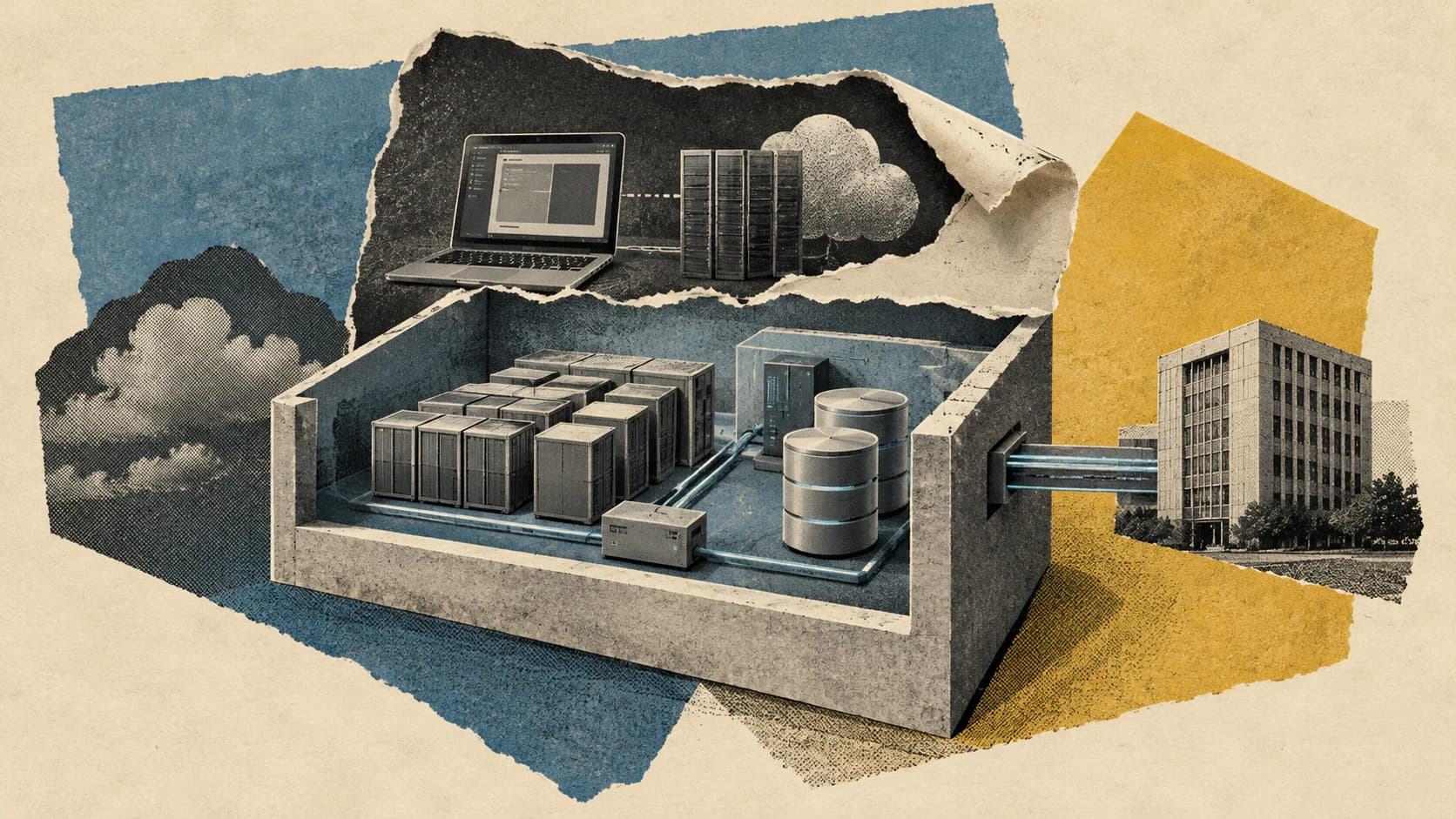
Applications and data can run in a customer’s AWS account, but Lovable retains the editor, agent, project history and build-time AI processing.
James Rivera7 min
The open-source Mac utility brings status, chat and approvals together across existing agents, but its release packaging still needs careful checking.
James Rivera7 min
OpenClaw's OpenAI Codex OAuth integration lets ChatGPT Plus and Pro subscribers run GPT-5.4 agents locally without paying a single extra API token…
Jim Clyde Monge7 min
Inception’s OpenAI-compatible diffusion LLM launches with a million-token context window and discounted pricing, but its performance claims still need independent validation.
James Rivera7 min
The beta PaaS connects coding agents to hosting, databases and release controls, with usage-based pricing and a Kubernetes self-hosting option.
Angelica Kim7 min
A lightweight open source proxy routes Claude Code's API calls to NVIDIA's free inference tier, giving developers 40 requests per minute at…
Jim Clyde Monge6 min
Harness enters limited beta alongside isolated development and CI tools, while four generally available MCP servers guide agents toward verified dependencies.
Angelica Kim7 min
The open-source scheduler turns leftover subscription capacity into reviewable work, but disables agent permission checks and requires a dedicated sandbox machine.
Jim Clyde Monge7 min
The MIT-licensed app combines Apple’s on-device speech recognition, Claude Code and reusable commands, with separate safeguards for consequential actions.
Jim Clyde Monge7 min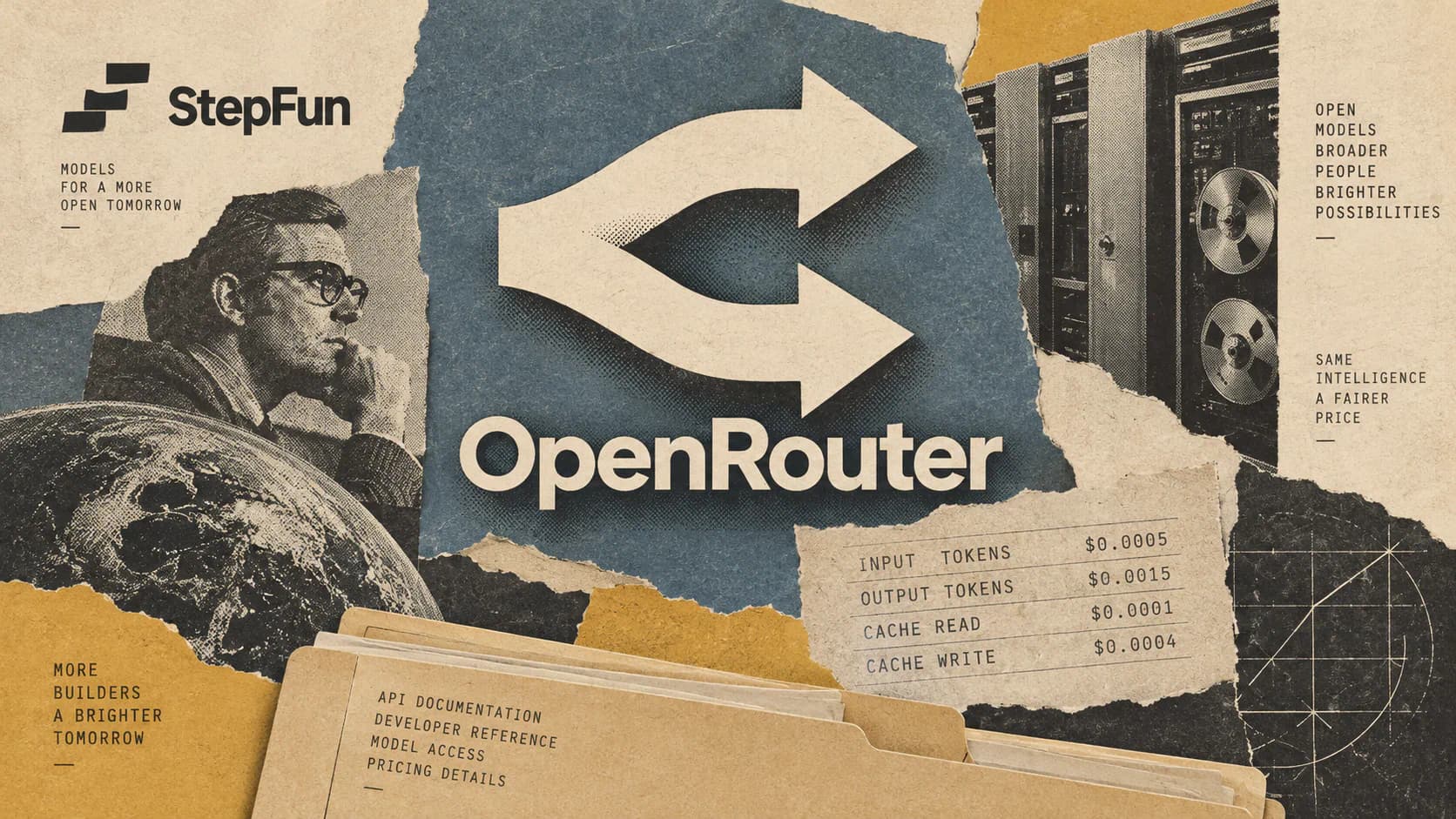
StepFun’s 1M-context model gains another API access point, with explicit token prices and capabilities aimed at long-running coding and research agents.
Angelica Kim7 min
The Jev architecture is not a new idea.
Jim Clyde Monge6 min
The new model tops coding and research benchmarks, ships a Pro tier, and doubles the API price to match rising costs.
Jim Clyde Monge9 min
The next generation of image model powering ChatGPT has a near-perfect text rendering and next level hyperrealism capabilities.
Jim Clyde Monge10 min
Reflection’s Apache-2.0 release includes deployment and post-training support, but practical serving calls for four NVIDIA B200 GPUs, according to Hugging Face.
Jim Clyde Monge7 min
U.S. organizations can enable calendars for every inbox without a beta request, while leaving Labs preserves events but disables API access.
James Rivera6 min
Google’s private-preview enterprise agent promises days-long execution, separate worker identities, and model choice, putting governance and spending controls at the center of…
James Rivera8 min