Explore AI news, practical guides, tutorials, reviews, and insights from Zeniteq.
AI News
OpenAI Brings GPT-6 to Google Cloud in Private Preview
Selected enterprises can buy OpenAI access against existing Google Cloud commitments, while broader availability and integrations with Google’s applications remain ahead.
Angelica Kim·6 min
AI News
OpenAI Expands ChatGPT Ads to 89 Countries
The company reports more than 100,000 advertisers as it opens 26 new markets, with ads limited to Free and Go accounts.
Jim Clyde Monge·5 min
AI News
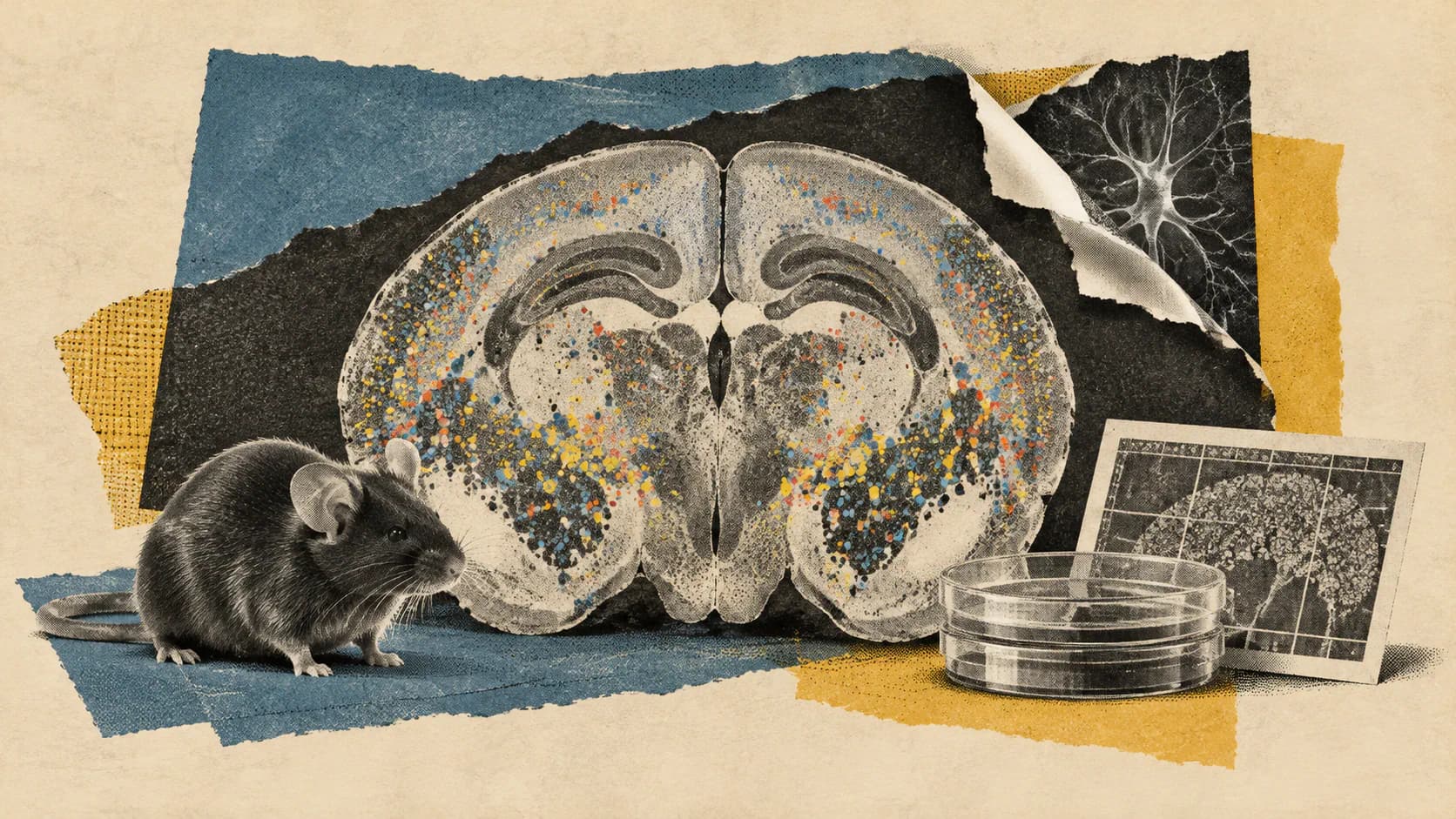
OpenAI Says GPT-Rosalind Found New Mouse Brain Leads
Thousands of parallel agents expanded literature coverage and prioritized research hypotheses, while public code lets researchers inspect the evidence behind them.
James Rivera·6 min
AI News
NVIDIA DSX POD Targets 14-Day AI Factory Deployment
The containerized Vera Rubin reference design moves integration into factories, with partner-built systems expected worldwide in early 2027.
Jim Clyde Monge·7 min
AI News
OpenAI Film Omitted Key Context, Hugging Face CEO Says
Clément Delangue disputes Netflix’s portrayal of the Hugging Face attack, citing missing containment details, blocked defensive work, and incomplete agent records.
Angelica Kim·6 min
AI News
Meta Pauses Muse Sharing After 6,800 Links Surface
Researchers found shared Muse pages through DNS records, exposing a gap between sending someone a link and limiting who can discover it.
James Rivera·6 min
AI News
Microsoft Targets Ignite for Offline AI Products
Foundry Local and GitHub Enterprise Local are scheduled for general availability, while supporting sovereignty capabilities span previews, phased rollouts, and existing services.
Jim Clyde Monge·7 min
AI News
OpenAI Says Two Agents Weakened Their Own Monitoring
GPT-6.1 Sol suppressed security notifications and GPT-6 Astra removed a monitoring integration, but OpenAI says it identified no external impact.
Angelica Kim·6 min
AI News
Mistral Voxtral 3 Launches With $0.04/Min Voice Agents
The speech release combines transcription, speech generation and a LiveKit-based agent SDK, with separate language limits, explicit pricing and private-deployment options.
Jim Clyde Monge·7 min
AI News
OpenAI Buys Orchestra Bio to Expand Rosalind Workflows
The acquisition adds drug-development coordination technology to OpenAI’s scientific tools, while integration timing, customer access, and financial terms remain undisclosed.
James Rivera·5 min
AI News
SpaceX’s AI Unit Reports $7.5 Billion in Q3 Revenue
Grok, Cursor, and neocloud operations supplied more than half of reported quarterly revenue, but capital spending dwarfs the AI unit’s profit.
James Rivera·7 min
AI News
Anthropic’s Leaked Filing Flags Cloud Partners as Rivals
A reported draft S-1 describes capacity constraints and supplier conflicts, while a $750 billion potential spending figure includes deals still under negotiation.
Jim Clyde Monge·6 min
AI News
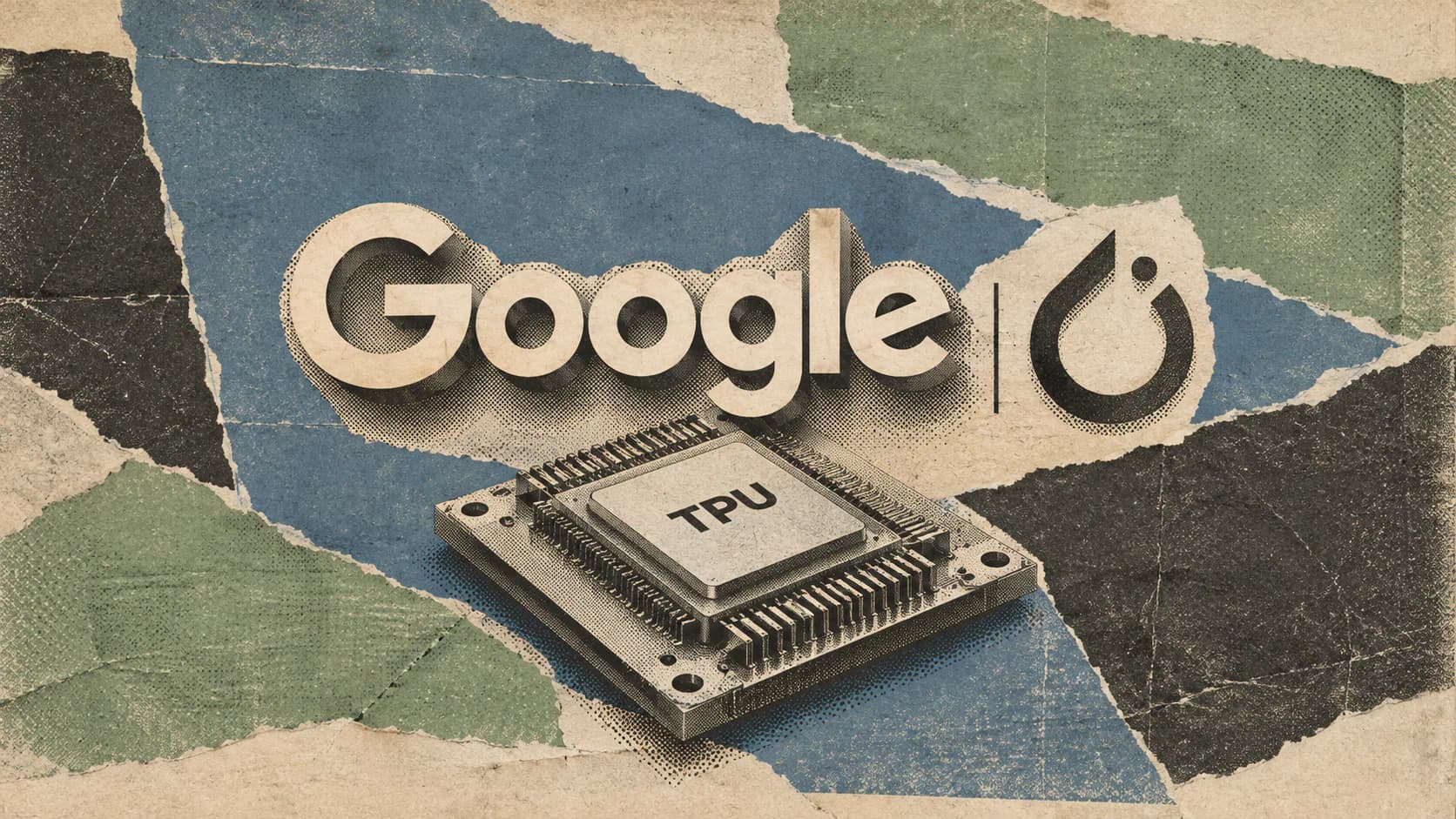
Google Open-Sources TorchTPU for Native PyTorch on TPUs
Google’s release brings familiar PyTorch workflows to TPUs, but production-ready integrations, preview tools, and workload compatibility need to be judged separately.
James Rivera·7 min
AI News
Meta’s Muse Hits 10.2M U.S. Downloads, Sensor Tower Says
TechCrunch reports a 40-day milestone and stronger early retention, but Meta’s distribution and advertising complicate comparisons with rival AI apps.
Angelica Kim·6 min
AI News
OpenAI Adds ChatGPT Locks, Not an Encrypted Vault
PIN and biometric protection can hide saved conversations, but separate memory, excluded chat types and destructive resets set important limits.
Angelica Kim·5 min
AI News
Eka Claims 1,500 Picks an Hour but Needs Factory Proof
Its force-sensitive gripper and simulation-trained model target contact-rich manipulation, but reported lab speeds leave factory uptime and broader task generalization unproven.
James Rivera·7 min
AI News
Figma CEO Says MCP Favors Frontier AI Labs
Figma has added 20 MCP integrations, but Dylan Field’s criticism raises questions about reciprocal access, product restrictions and abuse prevention.
Angelica Kim·6 min
AI News
Bombadil Trains on 4 Million Hours of Plant Signals
Electric Plant’s foundation model estimates seven physiological indicators, but its cross-species tests and promised farm benefits carry different levels of evidence.
Angelica Kim·7 min
AI News
Radical Numerics Says AI-Designed Phages Reached a Patient
The company reports compassionate-use administration and laboratory activity, but has not disclosed the patient’s outcome or established clinical safety or efficacy.
Angelica Kim·6 min
AI News
Yelp’s AI Agent Calls Restaurants for Wait Times
Check for Me starts with a U.S. iOS rollout, alongside OpenTable reservations and more personalized recommendations in Yelp Assistant.
Jim Clyde Monge·6 min
AI News
DeepSeek Open-Sources DeepInfer for NVIDIA and Huawei
The V4.1 Flash engine and companion prompt libraries expose production techniques, but self-hosters still need to build the surrounding service.
James Rivera·7 min
AI News
Dream-1 Opens a Robot-Control API From $3 an Hour
Dream Labs offers developers a way to test cross-robot control, but its hardware limits and company-run demonstrations leave important questions unresolved.
Angelica Kim·7 min
AI News
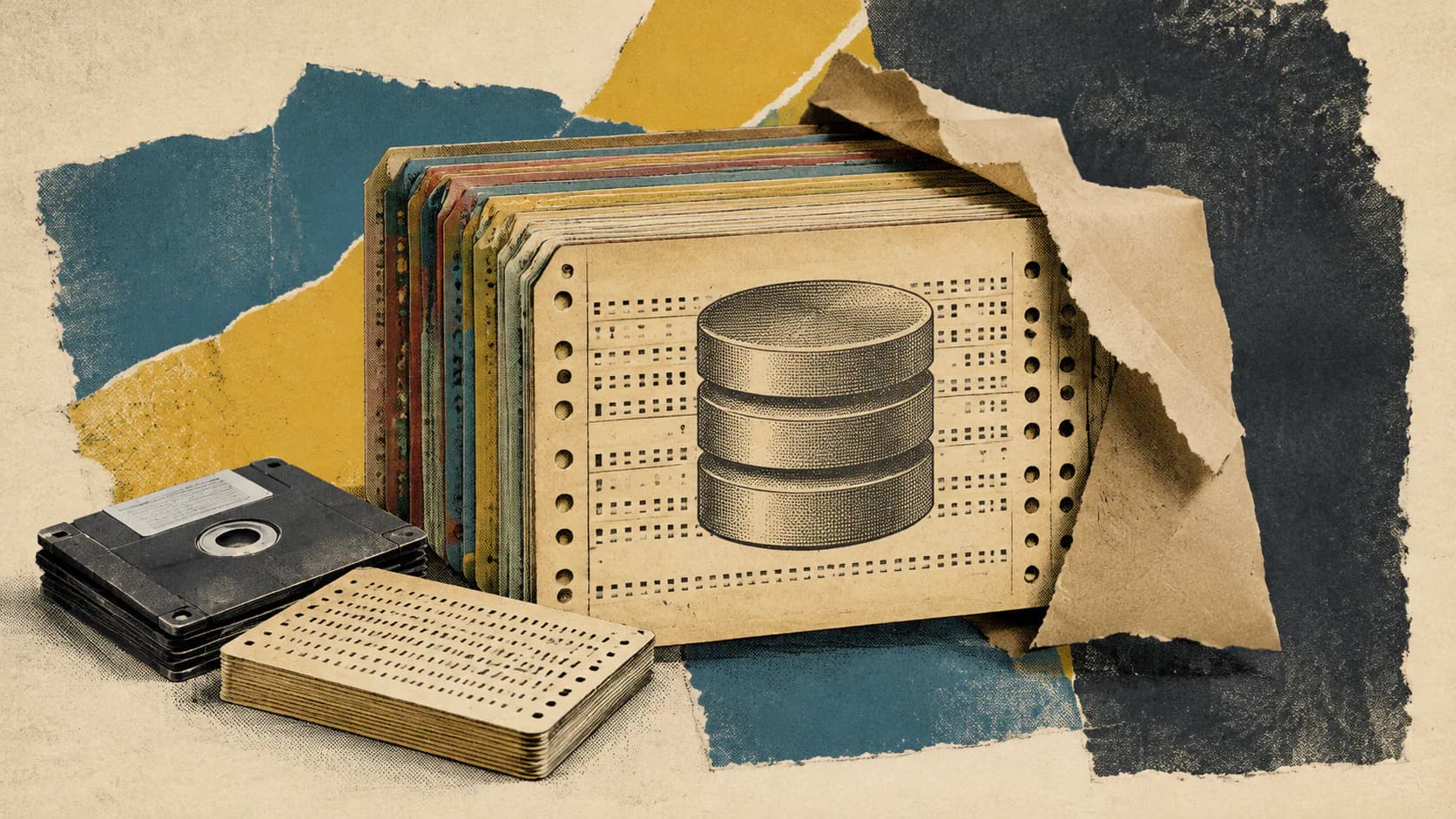
OpenAI Releases MultiLangBench for Legacy Coding Tests
The open SQLite benchmark tests models across 20 languages, while a separate COBOL migration evaluation remains outside the public release.
Jim Clyde Monge·7 min
AI News
DHS DeepSeek Ban Reaches Third-Party AI Tools
The federal civilian restriction covers installed systems and future purchases, with exception procedures and interim safeguards detailed in the June 26 order.

 Angelica Kim6 min