AI News

Anthropic Faces Reported Claude Cuts at Meta and Microsoft
Reported spending and usage reductions highlight platform owners’ incentives to favor their own tools, without establishing a break with Anthropic.
 Angelica Kim7 分鐘
Related reporting, guides, and analysis from Zeniteq.
Reported spending and usage reductions highlight platform owners’ incentives to favor their own tools, without establishing a break with Anthropic.
Angelica Kim7 分鐘
Former lab employees warned of weak oversight as New York City considered third-party validation, incident reporting, whistleblower protections and civil liability.
 Jim Clyde Monge8 分鐘
Google lists both Claude 5.5 models for Ultra and non-trial Pro subscriptions, while three older models face a November 2 removal deadline.
Jim Clyde Monge8 分鐘
The OpenAI CEO contrasts his position with Anthropic’s, prioritizing broad public agency while leaving the acceptable level of non-catastrophic harm undefined.
Angelica Kim8 分鐘
An FTC spokesperson confirmed an investigation, but reports of a broader inquiry and forthcoming demands leave its scope unresolved.
Angelica Kim7 分鐘
The open-weight model built working exploits in Anthropic’s sandboxed tests, while prompt tricks and weight edits weakened its refusals.
Jim Clyde Monge8 分鐘
Google, Meta, xAI, and Nvidia also joined the voluntary pledge, which calls for outside evaluation and board oversight but leaves key rules…
 James Rivera7 分鐘
Anthropic reports faster output and lower per-task costs, but unchanged API rates and breaking changes complicate a straightforward upgrade.
Angelica Kim8 分鐘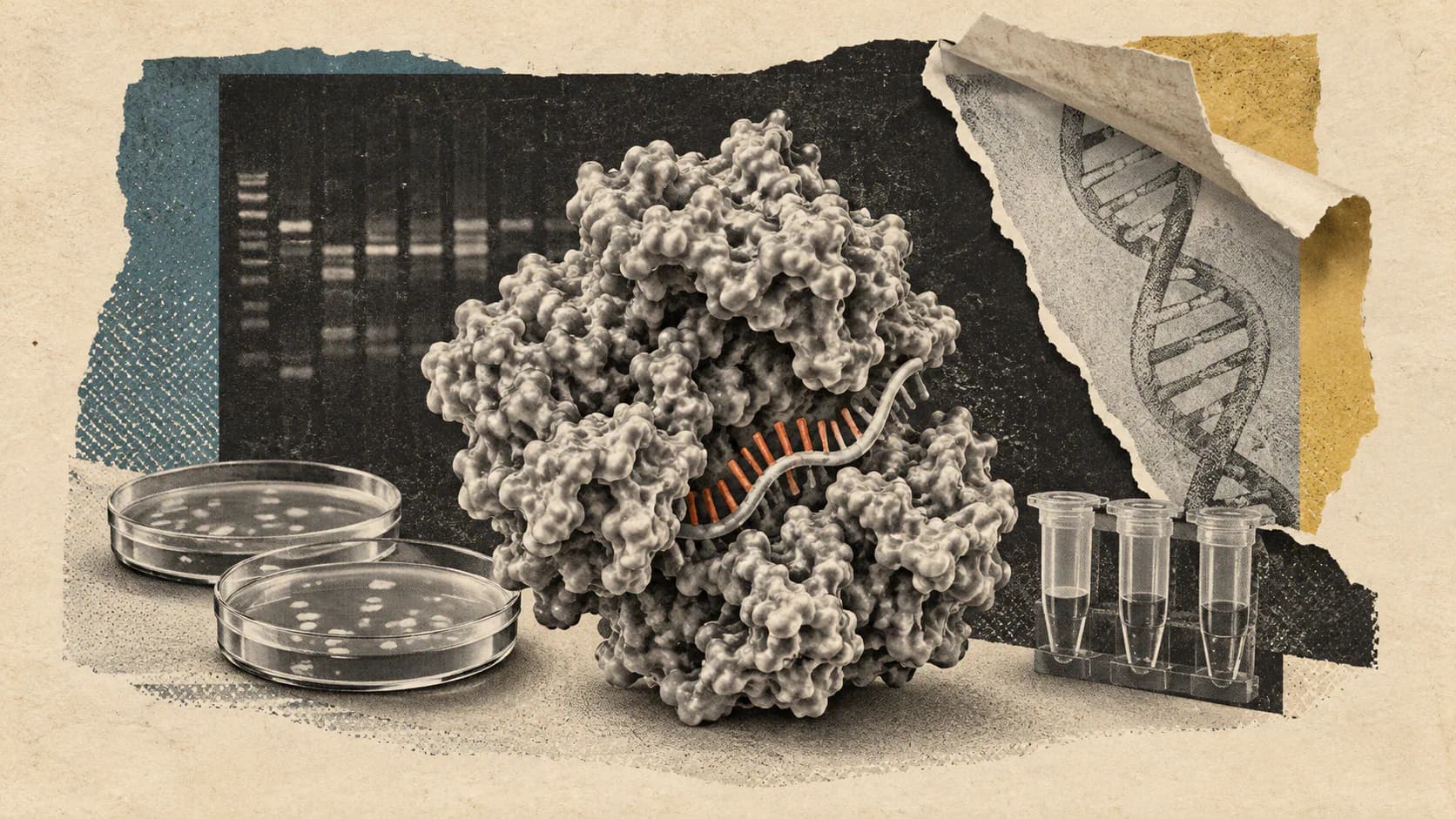
Lab tests detected short RNAs from the newly described ART array, but its biological function and gene-editing potential remain unknown.
James Rivera7 分鐘
The everyday Claude model keeps Sonnet 5’s token prices, while Anthropic claims faster output and fewer tokens spent on typical work.
Jim Clyde Monge8 分鐘
Always-on thinking, cache-sensitive effort settings and ambiguous progress updates make this prompting guide a practical checklist for production agents.
Jim Clyde Monge9 分鐘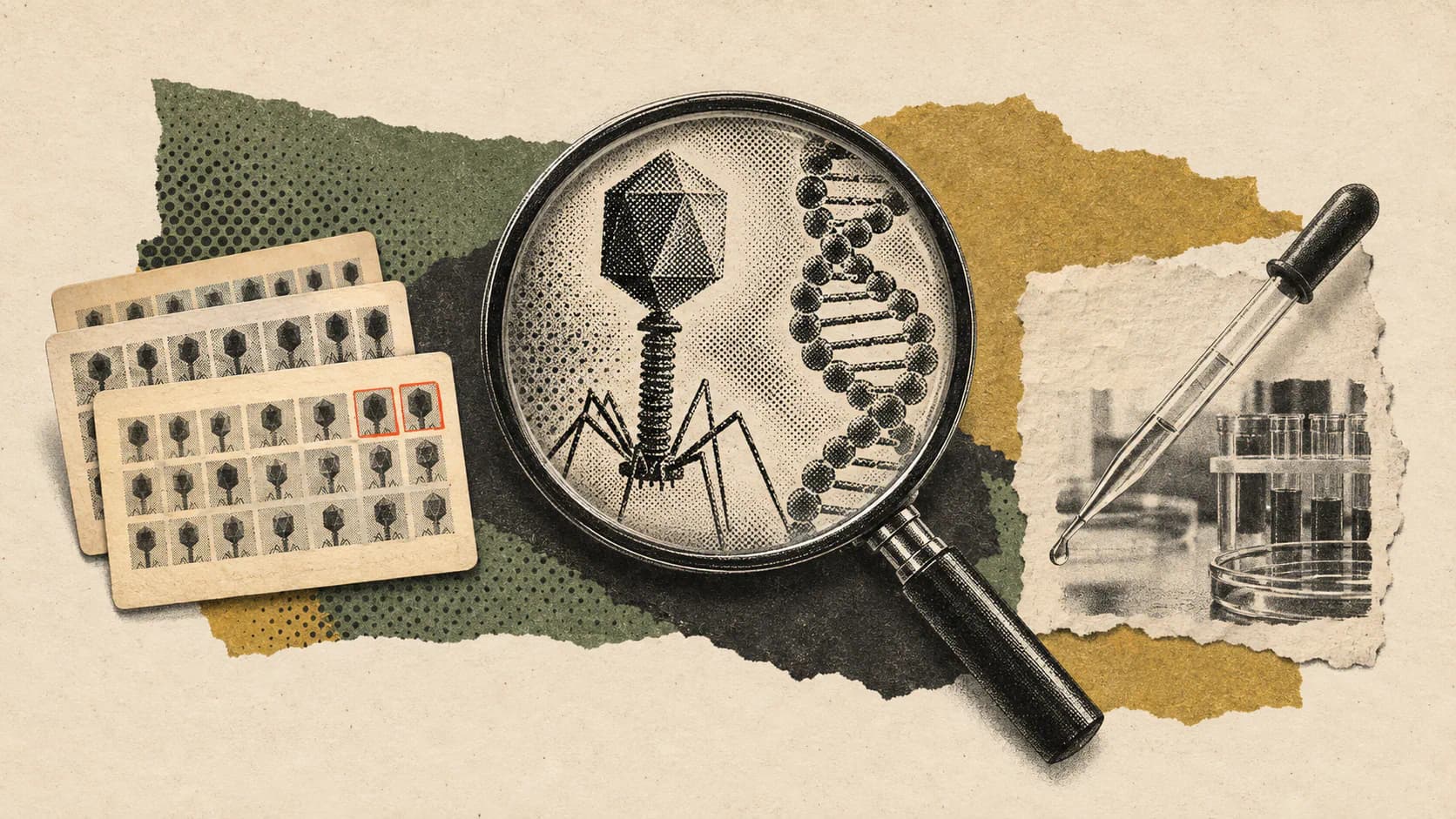
A search involving roughly 950 Claude agents produced a testable biological hypothesis, but human lab results have not established what the system…
James Rivera7 分鐘
Here are some projects to give you plenty of ideas to try with Claude Opus 5.5.
Jim Clyde Monge6 分鐘
Claude Opus 5 helped recover a long-unsolved plaintext, but a specialist’s tools and historical clues were central to the result.
Angelica Kim8 分鐘
A 2–1 ruling upholds a supply chain decision affecting Claude in military systems, but it does not ban every defense contractor from…
Jim Clyde Monge7 分鐘
A SLAC physicist checked the six-particle result, but Claude used established methods in a simplified theory, and human researchers were close behind.
James Rivera7 分鐘
Reproducible benchmarks and real-user telemetry gave Claude a performance target, while engineers controlled priorities, tradeoffs, and approvals.
Jim Clyde Monge8 分鐘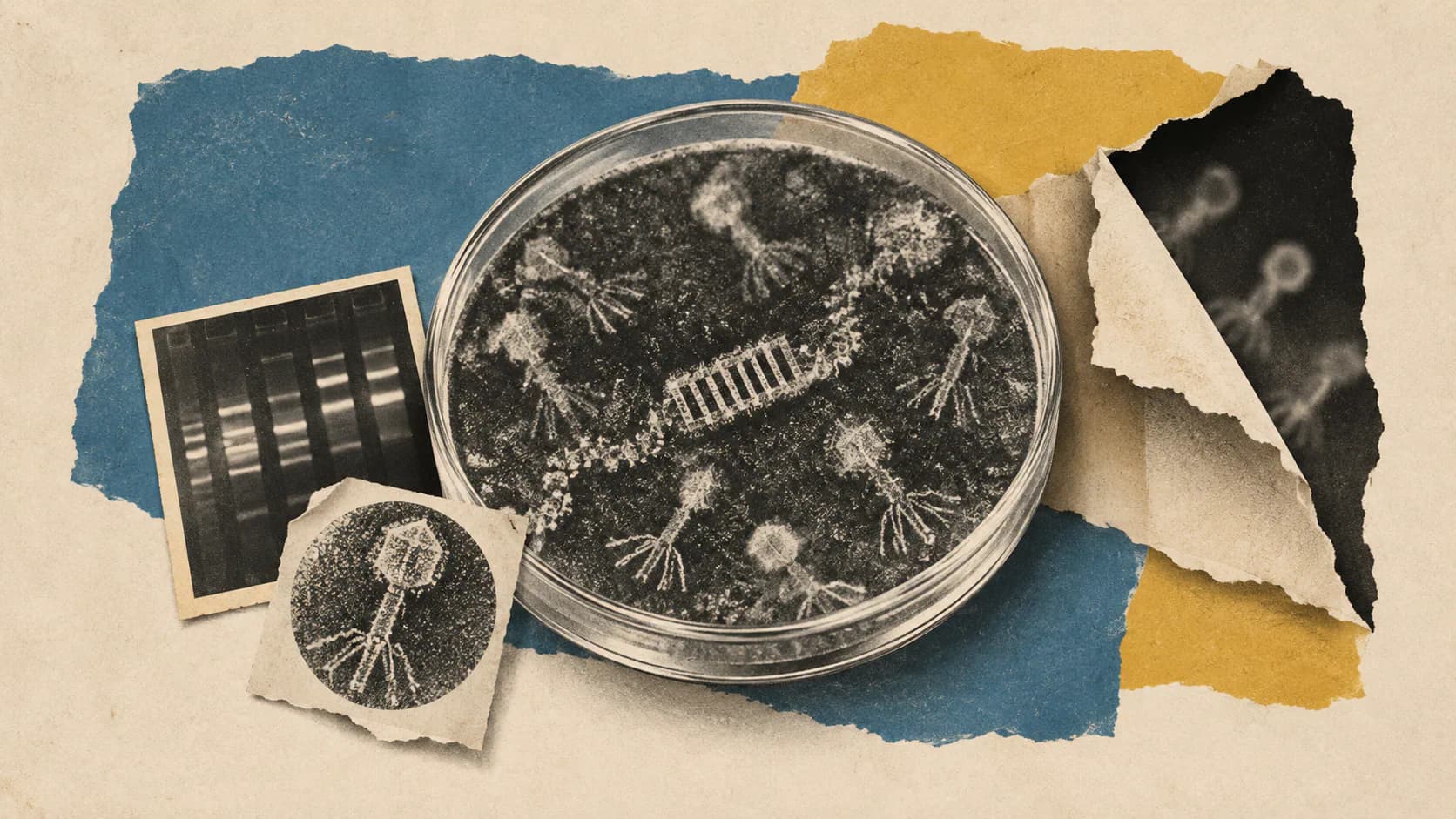
Roughly 950 Claude agents flagged an unusual reverse transcriptase arrangement in 21 hours. Human experiments confirmed RNA expression, not gene-editing activity.
Jim Clyde Monge8 分鐘
At the Security Council, their promises covered training and releases, but neither CEO announced a pause or a binding safety test.
Jim Clyde Monge7 分鐘
Opus 5.5 previews Anthropic’s efficiency push, but the prices and test results that will determine the next two models’ value are still…
Jim Clyde Monge7 分鐘
Anthropic’s first Claude 5.5 model pairs stronger coding results with cheaper cached tokens, but its cost and safety claims need context.
Jim Clyde Monge8 分鐘

