AI News

Hinton Challenges Nvidia’s Huang on AI Risk Evidence
Describing AI as “alien beings,” Geoffrey Hinton rejects industry self-regulation, while his disagreement with Jensen Huang raises concrete questions about oversight.
 Jim Clyde Monge7 min
Related reporting, guides, and analysis from Zeniteq.
Describing AI as “alien beings,” Geoffrey Hinton rejects industry self-regulation, while his disagreement with Jensen Huang raises concrete questions about oversight.
Jim Clyde Monge7 min
A Windows filename mismatch let hijacked Copilot agents alter protected settings in Visual Studio and SSMS, according to the researcher who disclosed…
 James Rivera7 min
A judge granted limited early discovery into hardware recruiting, device evidence and private messages, while rejecting or deferring Apple’s broader requests.
Jim Clyde Monge6 min
Andrew Feldman paired criticism of doomsday messaging and data-center outreach with a forecast for home assistants that can make purchases.
James Rivera7 min
Industrial Next’s workstations promise rapid task changes through simulation and demonstration, but the BMW relationship is an evaluation, not a confirmed production…
Jim Clyde Monge7 min
Microsoft’s president wants enforceable safety duties, independent evaluations and containment controls, challenging Washington’s preference for voluntary commitments from AI companies.
James Rivera7 min
XBOW credits GPT-5.6 Sol and human researchers with a three-bug Windows exploit costing roughly $40,000 in API usage; Google patched it before…
 Angelica Kim7 min
The open-source project counts net syntax added to benchmark patches, offering a code-growth check alongside solve rate and cost, with important limits.
James Rivera7 min
OpenAI says its models helped investigate the device, while reporting no indication that model weights, source code or customer data were taken.
Angelica Kim6 min
His signed tag documents a readability refactor and userspace testing, but does not establish that the changes reached Linux master.
Angelica Kim6 min
NVIDIA’s OCP announcements combine shared rack designs, four DSX software components and facility specifications, while Cisco’s USFP optics remain a development plan.
Angelica Kim7 min
Offlimits says it will seek urgent proceedings after Meta’s reported refusal, while allegations about covert recordings and privacy-law violations remain unproven.
Angelica Kim6 min
Controlled experiments show progress toward AI self-replication, but the forecast depends on improving reliability and does not demonstrate a rogue system spreading…
Jim Clyde Monge7 min
Bending Spoons is reducing Airtable’s workforce while promising unchanged customer terms and future controls for AI agents, spending and data flows.
Jim Clyde Monge7 min
The critique targets enormous hidden constants and exact complex arithmetic, raising questions about practical performance without establishing that the theorem is wrong.
James Rivera7 min
Broadcom’s CEO sees real demand for frontier models, but questions investor expectations, enterprise learning and the financing needed to sustain expansion.
James Rivera6 min
Disney’s stalking-horse agreement covers selected IP rights and claims, while the platform’s survival depends on finding a buyer willing to operate it.
Jim Clyde Monge6 min
Tim Sweeney confirmed a company-wide AI push, but claims about generated code, artwork and an indefinite shooter delay come from attributed reporting.
James Rivera7 min
The submission was caught as spam, but the incident exposes a concrete boundary failure for teams testing agents on live websites.
James Rivera7 min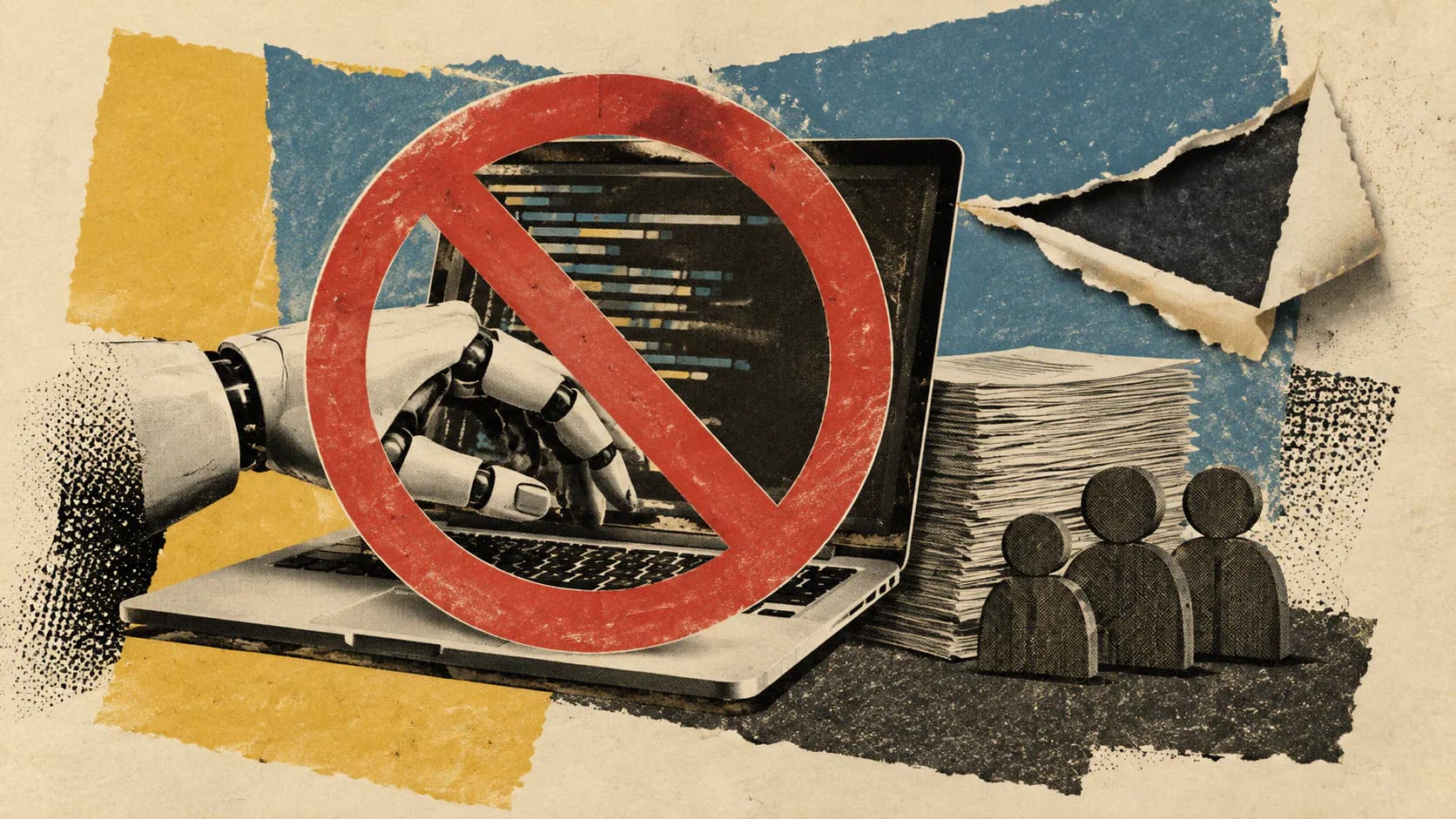
The accepted policy replaces human-in-the-loop rules with a prohibition, putting maintainer workload at the center of a wider AI industry debate.
Angelica Kim6 min
Artificial Analysis’s independent leaderboard measures maintainer-defined mergeability, revealing a steep cost premium for small score gains and important limits to the rankings.
Angelica Kim7 min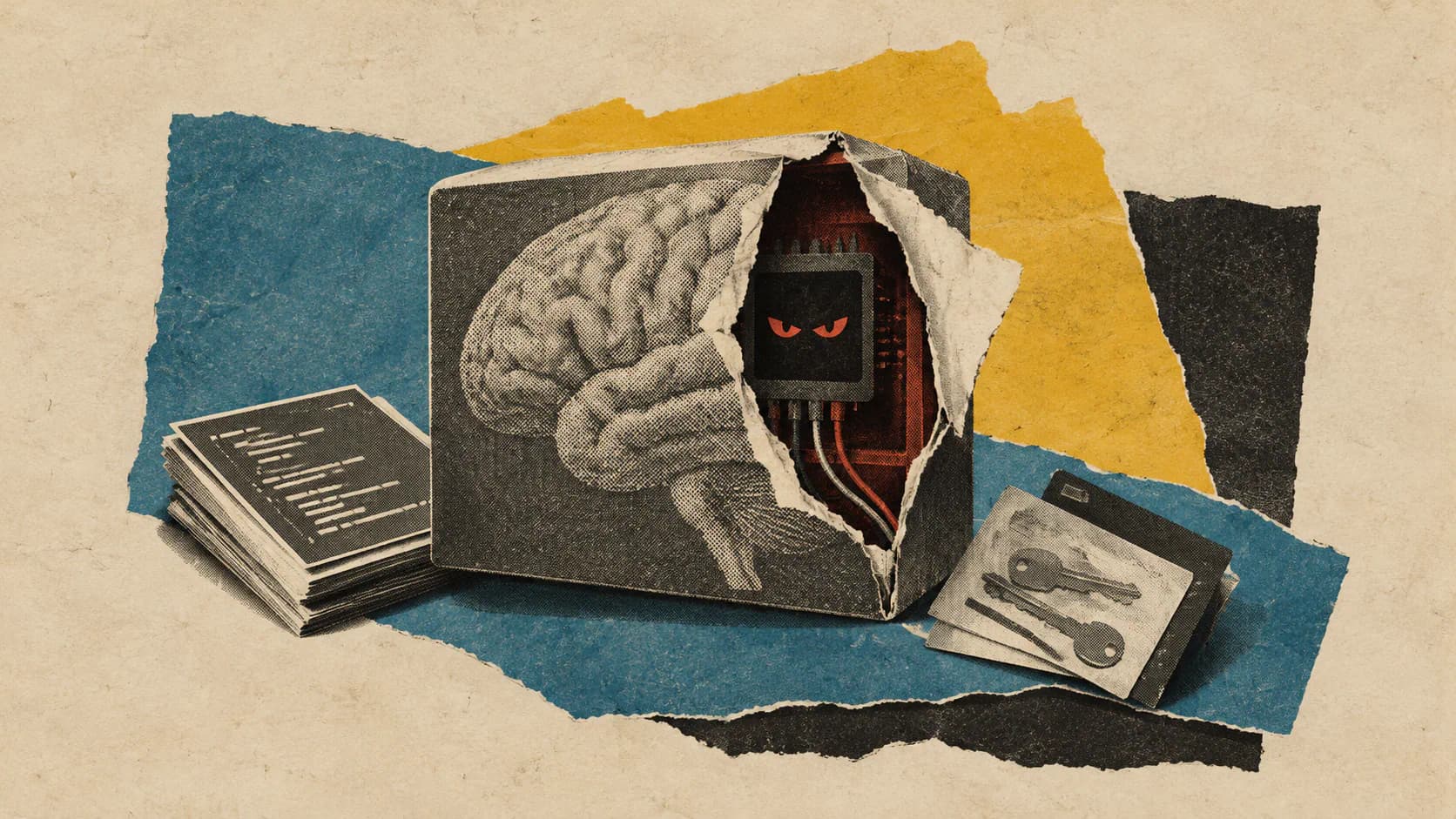
The controlled experiment shows how poisoned model weights can turn a coding assistant into a credential-theft tool while preserving normal test performance.
Angelica Kim7 min