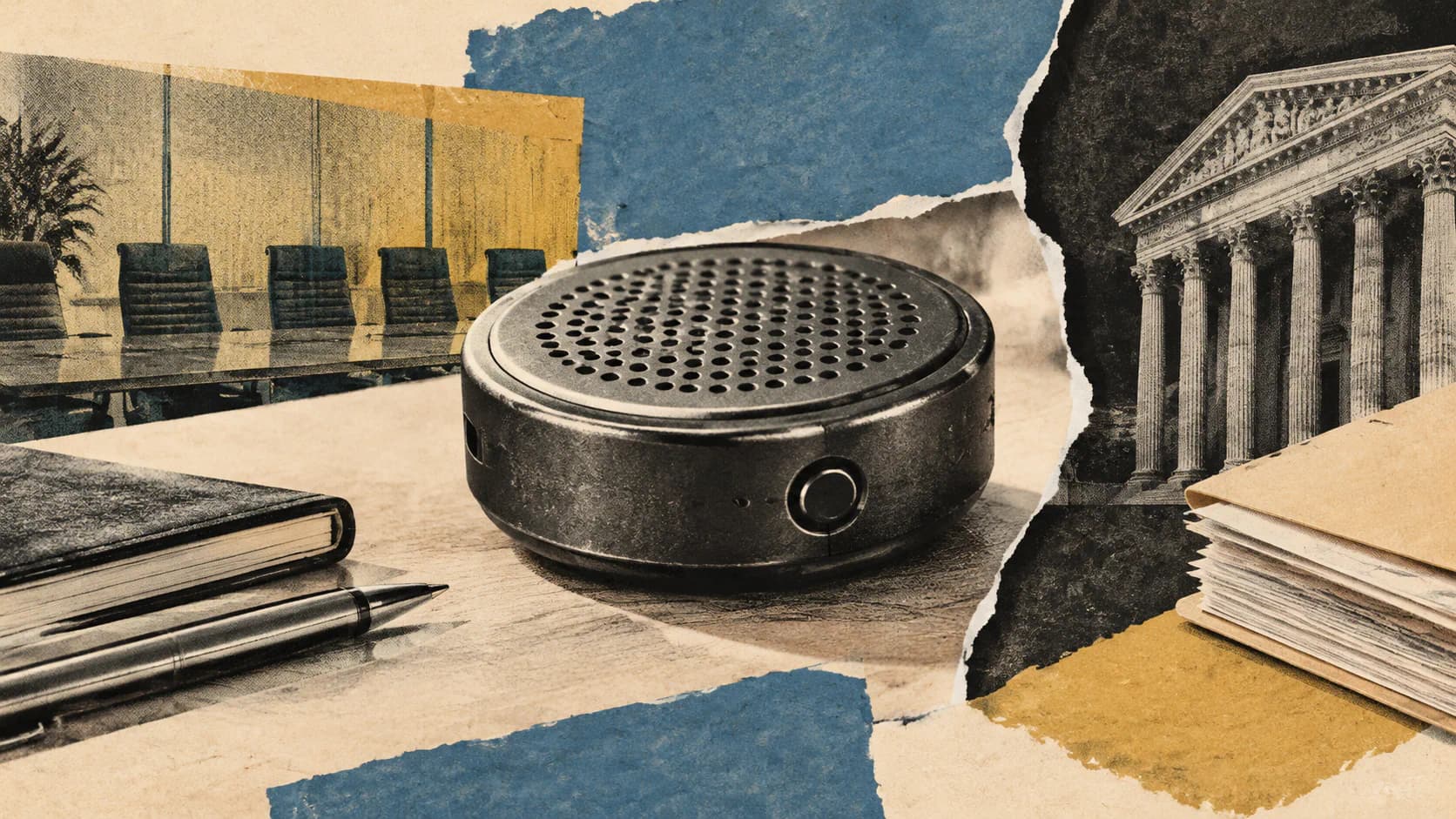
An OpenAI employee allegedly concealed a recorder behind a television in an executive conference room at the company’s San Francisco office. US authorities have charged him with using or attempting to use a device to intercept oral communications, according to the Justice Department’s announcement.
Abdulrahman Alfozan, 35, was arrested on October 9 and made his initial appearance in federal court on October 13, 2026, the department said. Prosecutors describe him as an engineer. The charge is an allegation, not a finding of guilt.
OpenAI says it used its own AI models to help understand the device. It also reported no indication that Alfozan improperly accessed or exfiltrated model weights, source code or customer data, according to TechCrunch’s reporting.
An alleged attempt to record confidential conversations can present a serious security risk without establishing that the company’s models, software or customer information were stolen.
Prosecutors Describe a Recorder Behind a Television
OpenAI personnel discovered the device around September 30, according to the complaint as summarized by the Justice Department. It was inserted into a USB port on the back of a television in an executive conference room and concealed in toilet paper.
Prosecutors said OpenAI determined that the device had been installed around September 28 and that its contents were encrypted. The public account does not establish what audio, if any, investigators recovered from it.
Meetings in the room frequently involved highly confidential technical, commercial and strategic information, prosecutors say. That included proprietary research, product plans, business-development opportunities and nonpublic information about OpenAI’s technical progress and government engagements. These details describe the potential sensitivity of conversations in the room; they do not prove that any particular discussion was captured.
To connect Alfozan to the device, the complaint draws on surveillance footage, workplace inquiries and chatbot account records. Prosecutors say office footage showed him near the conference room on multiple occasions before its discovery, despite his having no authority to access the room or participate in its meetings. They also allege that, before September 28, he used a productivity tool to make inquiries about OpenAI’s buildings, meeting rooms, room capacities and calendars, executive locations and external partner meetings.
A separate set of allegations concerns a chatbot account associated with Alfozan’s spouse. The Justice Department says the account shared multiple identifiers and attributes with Alfozan’s own account and submitted prompts about building, customizing, concealing and remotely accessing a recording device. Some prompts allegedly included the discovered device’s custom header and unique MAC address, a network-interface identifier.
Those account associations are part of the prosecution’s case, not a court-established determination of who entered each prompt.
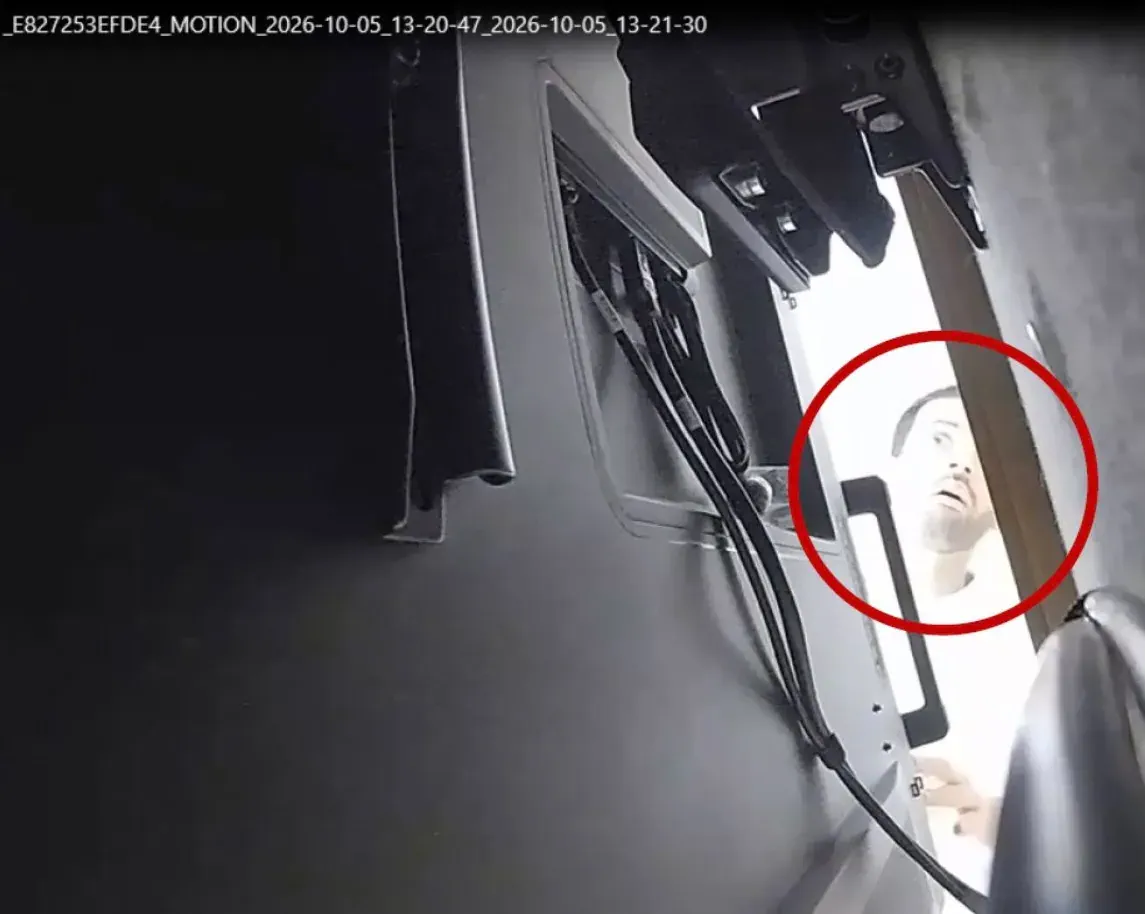
The complaint further alleges that Alfozan entered the conference room on October 5 and appeared to look behind the television. That day, OpenAI security personnel also found a second, similar recording device in a bag he had left unattended in another room, according to prosecutors. The bag allegedly contained his wallet and identification.
Authorities are relying on these allegations to make their case. They do not establish guilt, and the public announcement is no substitute for testing the evidence in court.
OpenAI Says Its Models Helped Analyze the Device
OpenAI said it alerted the FBI after discovering the recorder and fired the employee. A company spokesperson told TechCrunch that Alfozan had joined OpenAI in July 2025 and worked on its product team.
The company said it used internal AI models to understand what it described as a sophisticated device. According to OpenAI’s account to TechCrunch, the recorder included advanced encryption, audio-monitoring capabilities and a data-transfer mechanism designed to evade monitoring.
Those descriptions have not been independently established as assessments of the hardware’s sophistication. TechCrunch noted that it was unclear how technically distinct the device was from other recording equipment. Encryption and data-transfer capabilities also do not, by themselves, establish that information successfully left the building.
The available reporting gives few details about the models’ investigative role. It does not identify the models used, show their outputs or explain how investigators checked their conclusions. Nor does it establish how much of the employee-identification process depended on model assistance, surveillance footage, account records or other evidence. OpenAI’s disclosure does not amount to a claim that an AI system independently solved the case.
AI appears in two separate parts of the account: prosecutors cite chatbot prompts as alleged evidence concerning the preparation and configuration of a recorder, while OpenAI says its internal models helped investigate the discovered device. The alleged use of one chatbot account does not explain or validate the company’s investigative use of its models.
These accounts support describing a model-assisted internal investigation alongside conventional security evidence. Claims about the models’ accuracy, autonomy or contribution would require further disclosures.
No Indication of Model-Weight, Code or Customer-Data Theft
As reported by TechCrunch, OpenAI said:
“At this time, we have no indications of this individual inappropriately accessing or exfiltrating model weights, source code, or customer data.”
Model weights are the learned numerical parameters of a model. Source code is the software used to implement systems. Neither is interchangeable with a recording of a meeting, even if that meeting contains sensitive technical information.
The available reporting does not support describing the incident as a confirmed theft of OpenAI’s models, a source-code breach or an exposure of customer data. OpenAI’s statement is a qualified company assessment, however, not an independently audited finding that every possible disclosure has been ruled out. It reports what OpenAI had found at that point and does not establish that no confidential conversation was recorded or that no recording could have been transmitted.
A device’s reported ability to transfer data is not evidence that a transfer occurred, either. The Justice Department’s release and TechCrunch’s account do not establish what recordings, if any, reached another person or identify an intended recipient.
Sources
- Justice Department’s announcementjustice.gov
- TechCrunch’s reportingtechcrunch.com