If you think Astra is too expensive, you now have cheaper options.
AI SummaryGenerated from this article
OpenAI released GPT-6 Sol and GPT-6 Luna, two cheaper alternatives to the premium GPT-6 Astra model. Sol costs one-fifth of Astra's price and targets complex coding and agent workflows, while Luna costs one-hundredth and handles efficiency tasks like document summarization and information extraction. For a task using one million input tokens and 200,000 output tokens, users pay approximately $20 with Astra, $4 with Sol, or $0.20 with Luna. Both models inherit improvements from Astra in factuality, coding, and computer use capabilities while offering significant cost savings for developers and everyday users.
Three weeks after releasing GPT-6 Astra, OpenAI finally gave us the smaller, cheaper members of the family: GPT-6 Sol and GPT-6 Luna.
In case you missed it, Anthropic didn’t let OpenAI have all the spotlight. It also released Claude Opus 5.5 on the same day. I’ll talk about that in a separate post.
For now, the interesting question is how much of Astra’s ability OpenAI can bring to a price that’s more affordable and makes sense for everyday use.
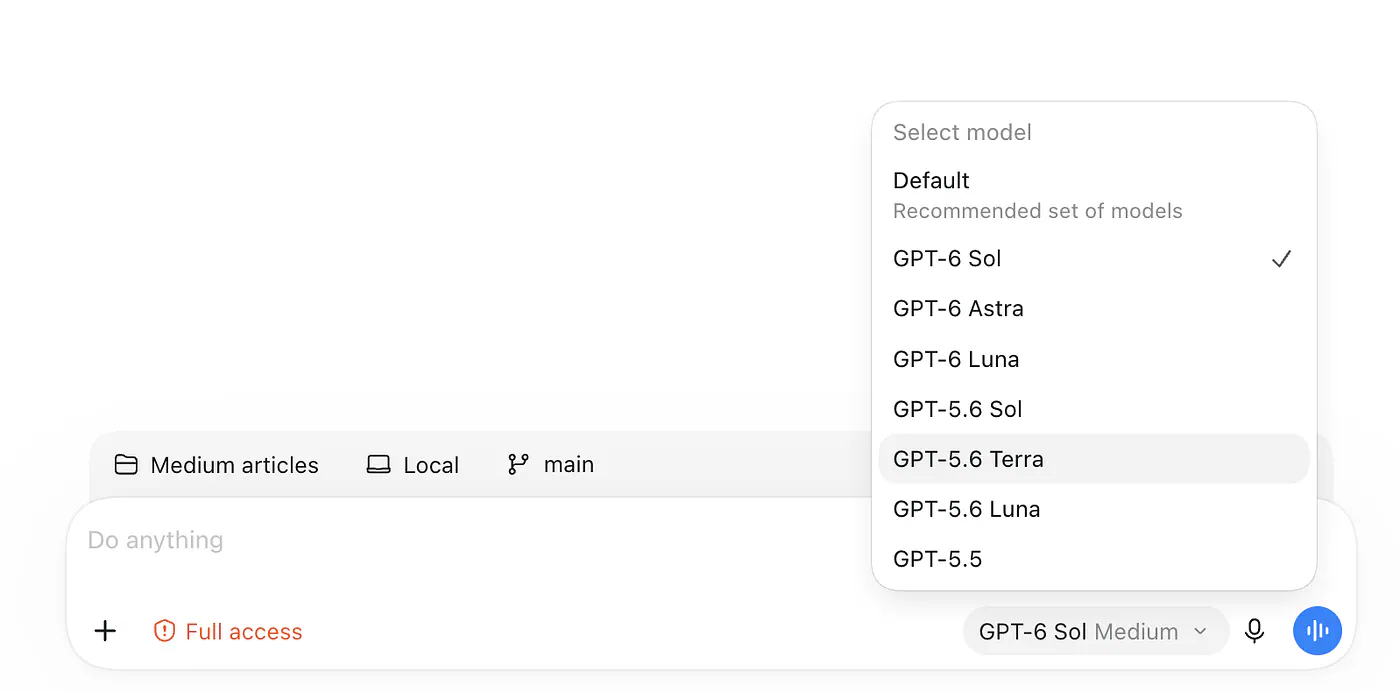
The three models are now available to all users. You can see them in both ChatGPT and Codex’s model dropdown.
Accessing GPT 6 Sol and Luna in ChatGPT. Image by Jim Clyde Monge
Here’s a quick overview of the three models:
GPT-6 Astra is currently the most capable model. It’s designed to handle the most difficult tasks: planning a complex feature, working through a stubborn bug, or handling a long job where mistakes would be expensive.
GPT-6 Sol is built for complex coding and agent workflows. It gives us, developers, a capable model for the work we do repeatedly, without charging Astra prices for every request.
GPT-6 Luna is built for efficiency, like document summaries, information extraction, quick answers, and tasks that may need to run thousands of times.
OpenAI says Sol and Luna inherit improvements from Astra in factuality, coding, computer use, and how they communicate. The company also says their answers should be clearer and somewhat shorter, with fewer unnecessary details.
Let’s talk about the pricing
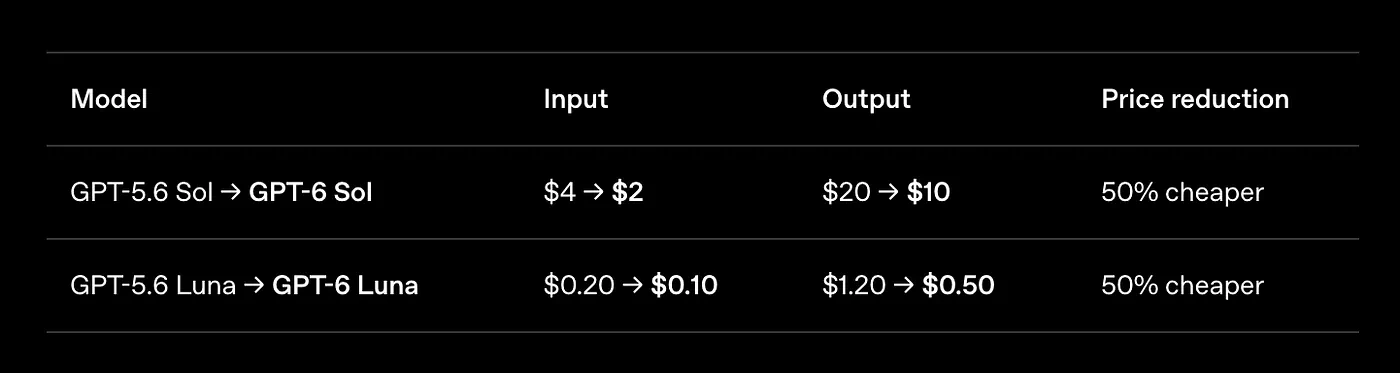
The thing that got me really excited as an indie developer is the huge drop in the pricing. We’re talking about a 50% decrease in price compared to the older models.
Work with Zeniteq
Let’s work together
We’re open to thoughtful collaborations with teams building in AI. Explore the ways we can work together.
Sol is one-fifth of Astra’s price per token. Luna is one-hundredth of Astra’s price. OpenAI has also cut Sol’s price by 50% compared with GPT-5.6 Sol’s promotional rate. Luna’s input price has been halved, while its output price has dropped from $1.20 to $0.50 per million tokens.
To put the prices in context, imagine a task that uses one million input tokens and produces 200,000 output tokens. At those rates, you’d pay about $20 with Astra, $4 with Sol, or $0.20 with Luna.
That’s a massive savings!
Of course, your bill depends on how many tokens the model actually uses. Tool calls, repeated attempts, and long prompts can change the total. OpenAI also charges higher rates for requests with more than 272,000 input tokens.
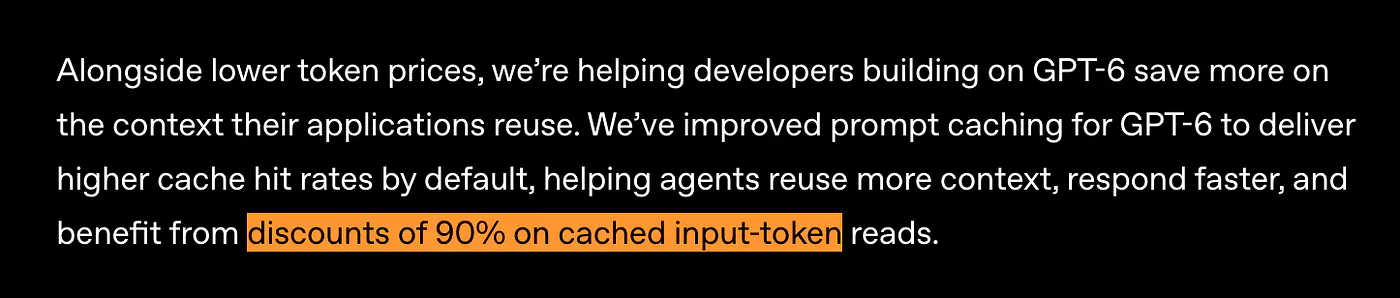
Another thing to note is that cached input reads get a 90% discount, and it has improved how often GPT-6 can reuse cached prompts.
90% discount on cached input-token reads for GPT 6 Sol. Image by Jim Clyde Monge
If your agent repeatedly reads the same project instructions or earlier conversation, that could save money on top of the lower model prices.
Let’s get into the Benchmarks
OpenAI has published a lot of benchmark results. I won’t go through every chart, but a few numbers help explain where Sol and Luna stand.
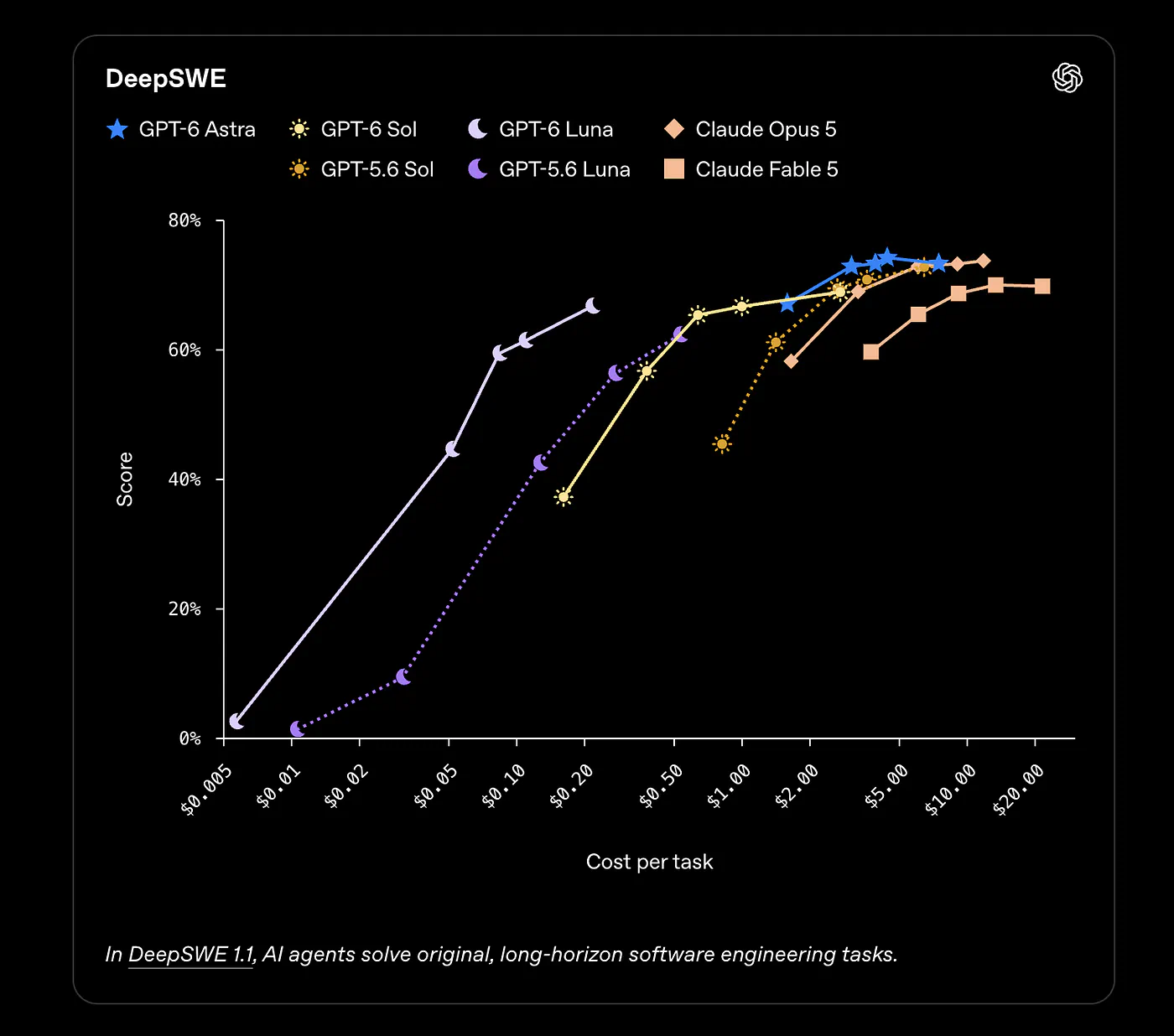
On DeepSWE v1.1, a test involving software engineering tasks in real codebases, OpenAI reports a score of 68.8% for Sol and 66.6% for Luna at their stated effort settings.
GPT 6 Sol and Luna benchmark against other frontier models. Image by OpenAI
OpenAI also says Sol makes about half as many mistakes as GPT-5.6 Sol on its internal factuality test. That test uses conversations where a user had flagged an error, so the result doesn’t tell us how often Sol will make a mistake in normal use.
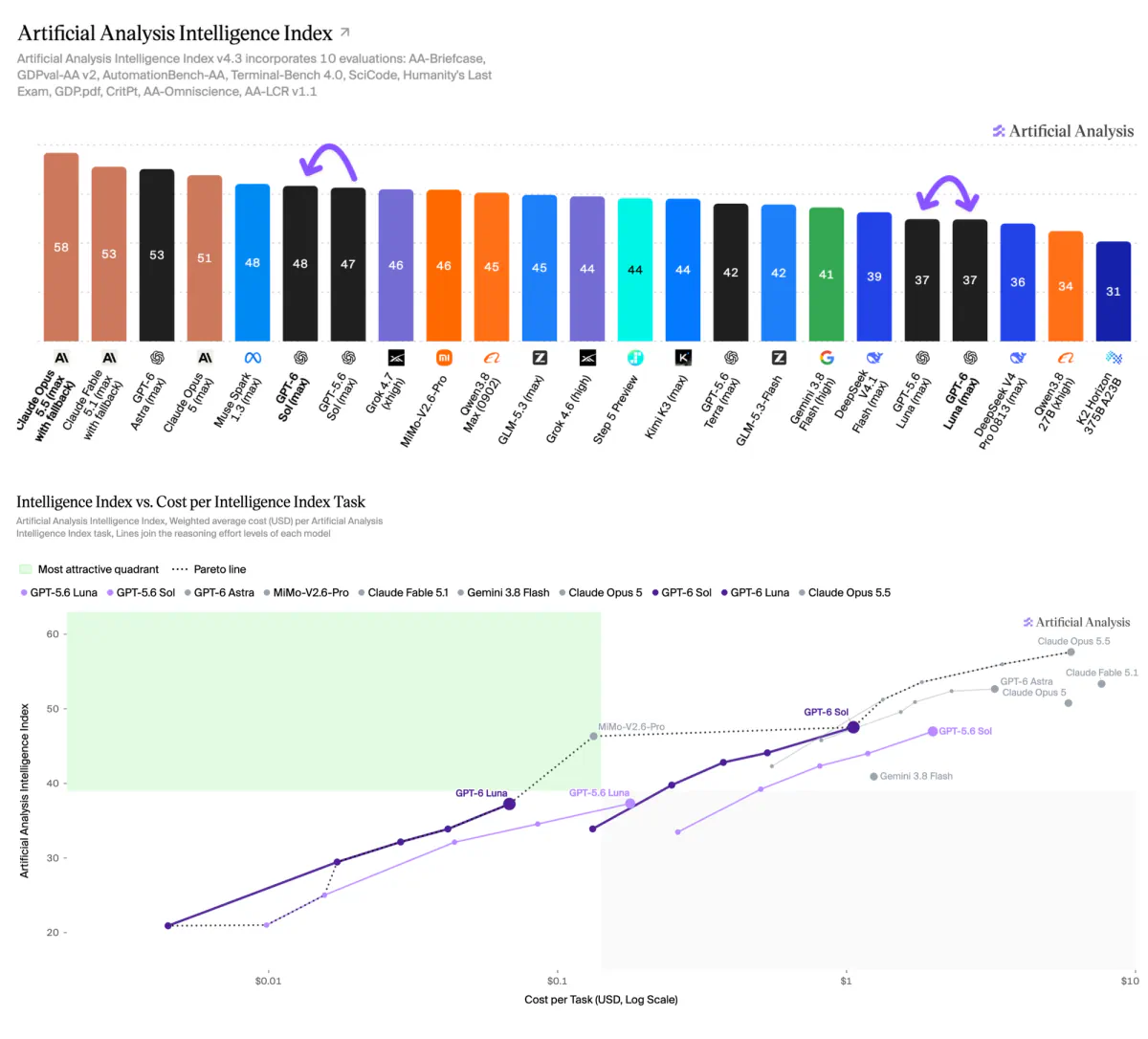
I also checked Artificial Analysis, since its results don’t always match the story a company tells in its launch post. Its overall assessment is mixed.
Sol scores 57 on the Artificial Analysis Coding Agent Index, up two points from GPT-5.6 Sol. It costs about half as much per task in that test. Luna scores 41, down two points from GPT-5.6 Luna, although its cost per task falls by roughly 60%.
Artificial Analysis also found that both new models used slightly more output tokens during its Intelligence Index tests. The lower prices still reduced the cost per task, but this is exactly why I want to watch token usage in my own apps.
What does that mean? A cheaper output token doesn’t tell me how many output tokens a model will need.
Some of its knowledge-work results went backward as well. Artificial Analysis found that certain deliverables were shorter and missed parts of the grading requirements.
So, if you’re using these models to produce a finished report or document, I’d check the output carefully before switching everything over.
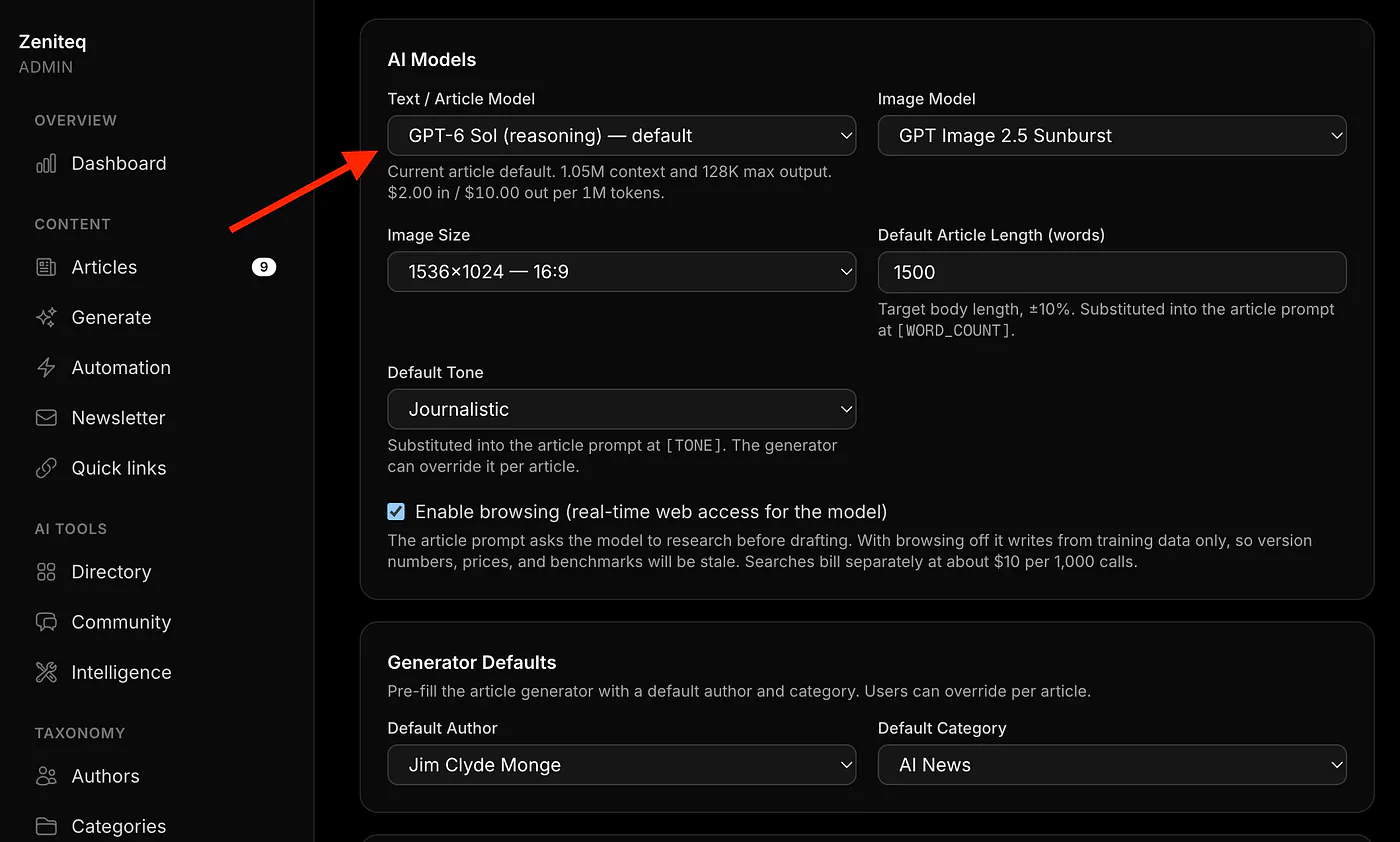
I’ve already switched Zeniteq to Sol
As a web dev always looking for the cheapest option out there, I quickly changed the model in my web apps, including Zeniteq, to GPT-6 Sol.
For the tasks I’ve tried, the quality feels almost as good as Astra’s, and Sol costs much less. I’m still early in testing, so I don’t want to claim they perform the same across every coding job.
I want to try Luna on smaller jobs next, especially tasks where I can check the answer quickly. At Luna’s price, even a modest task can be cheap enough to run many times.
Final Thoughts
I switched from Claude to GPT-6 Astra because I was impressed with how well Astra handles coding. It’s by far the best coding model I’ve used, even better than Claude’s Fable 5.1.
The only complaint I have is its token usage and cost, especially during long sessions when I’m making lots of changes to an app.
That’s why I was excited to try Sol and Luna. Sol is already working well for me in Zeniteq, and its price makes it much easier to use as my regular model. I’m also curious to see how far I can push Luna on smaller tasks before I need to move up to Sol.
I’ll keep watching the quality and the actual cost of completed tasks as I use them more. For now, Sol looks like a good fit for my apps.
Will also be testing the newly released Claude 5.5 and see how it compares to OpenAI models of the same size.
That’s about it. Have you tried GPT-6 Sol or Luna yet? I’d like to hear your thoughts.