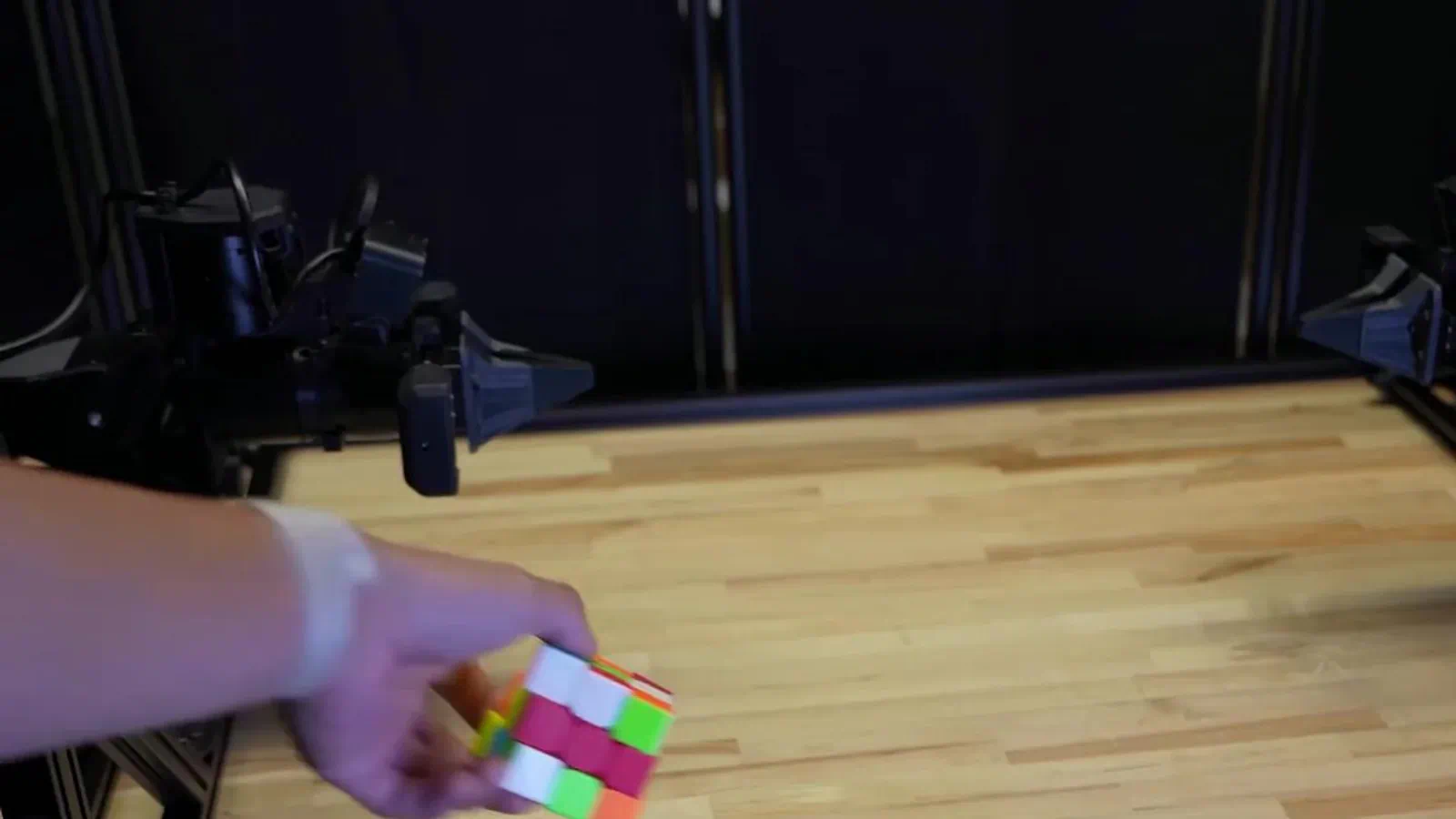
Claude Fable 5.2 came out on November 9, and within a day the launch materials were full of projects that sound made up: an operating system built from an empty folder, three gadgets that worked on the first build, and a famous math proof checked by a computer in 30 hours. They're not made up, but a lot of what's circulating online about Anthropic's new top model is secondhand.
So we went back to the originals. We read Anthropic's launch post, its product and pricing pages, its research write-ups, and the builders' own repositories, and kept only the projects we could trace to one of them. Several viral demos (spreadsheet clones, video editors, a pile of game remakes) didn't make the cut because we couldn't find the original post.
This list is for anyone curious about what the model can actually do. Each section covers what people built, why it's a big deal, and the catch, and the selection guide at the end shows what a job like this costs and when the cheaper Opus 5.5 is the smarter pick. The five uses aren't ranked; they're grouped by the kind of work.
1. Building Games and Interactive 3D Worlds
Best for: Hobbyists and indie developers who want a playable world from a written brief
Anthropic says Claude Fable 5.2 builds interactive 3D worlds and creates simulations, animations, and even educational videos with sound, all in code. That's the use case behind most of the excitement online, since a game or a 3D scene is easy to show off and hard to fake. Unity's Sam Zhang told Anthropic that Fable 5.2 builds higher-quality 3D scenes from scratch and rebuilds an experience from a visual reference, and that on hard game-dev tasks it "keeps iterating and improving instead of getting stuck."
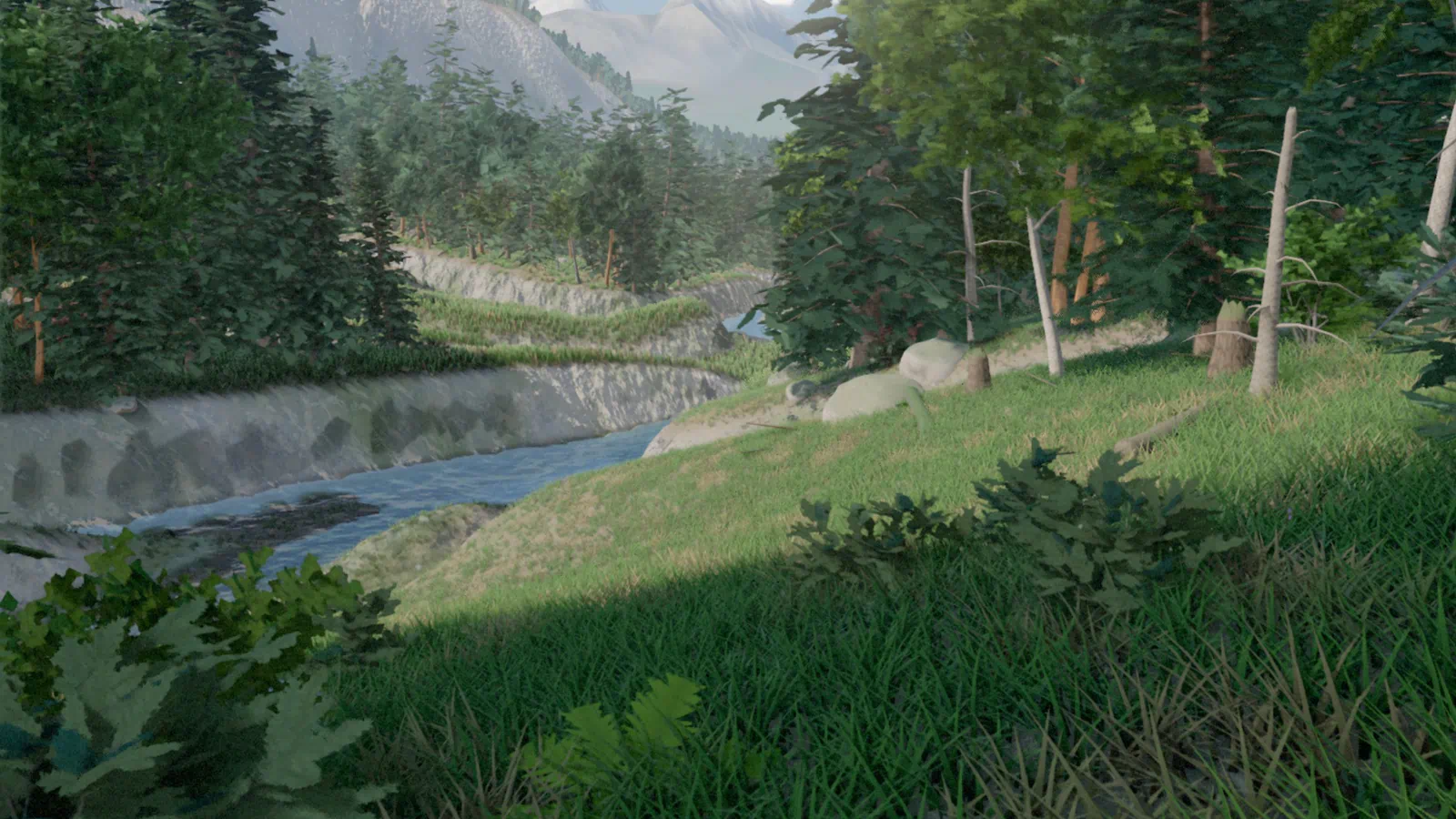
The best public example comes from one generation back. A developer used Fable 5 to build LAAS, a 4×4 km open world that runs in the browser on WebGPU, and the repository says the model wrote roughly 99% of it with minimal human steering. Here's what it contains:
- Generated scenery: Every mesh, texture, and light is made by code when the world loads, so there are no image or model files
- Real terrain: Erosion, rivers that carve channels into lakes, and snow driven by slope and exposure
- Living plants: Six tree species where no two trees share a mesh, swaying in simulated wind
- Weather and light: Volumetric clouds, fog in the valleys, and a full day-night cycle
- Self-checking: The model boots the world in a headless browser, takes screenshots, and compares frames to catch its own bugs
That last point explains why these projects work at all. The model doesn't just write code and hope; it looks at what it made, spots the problem, and fixes it, and the repo counts about 21,000 lines of TypeScript across more than 90 commits. Fable 5.2 is pitched as better at exactly this loop, so you can expect bigger worlds in the coming weeks.
There are limits. LAAS runs only in Chrome (Safari and Firefox aren't supported), and the human still had to judge things a screenshot can't show, like whether the camera bob felt right while walking. Games need that kind of feel, so plan on doing the playtesting yourself. And because Fable 5.2 is new, most game demos you'll see this week are still short clips; look for a playable link or a public repo before you believe the "built in one prompt" caption.
2. Solving Science Problems and Running Simulations
Best for: Researchers and students who want to see where AI can push real science
The launch post's most surprising claim is that Fable 5.2 solved two open problems about black holes in theoretical physics. Both use holographic duality, the idea that some universes with gravity can be described exactly by a quantum theory with no gravity at all. One calculation had been laid out in 2003 but was too laborious for anyone to finish, and Fable 5.2 completed it largely on its own, finding that black holes form abruptly in very small universes, the same way they do in large ones.
What else Anthropic and its partners reported:
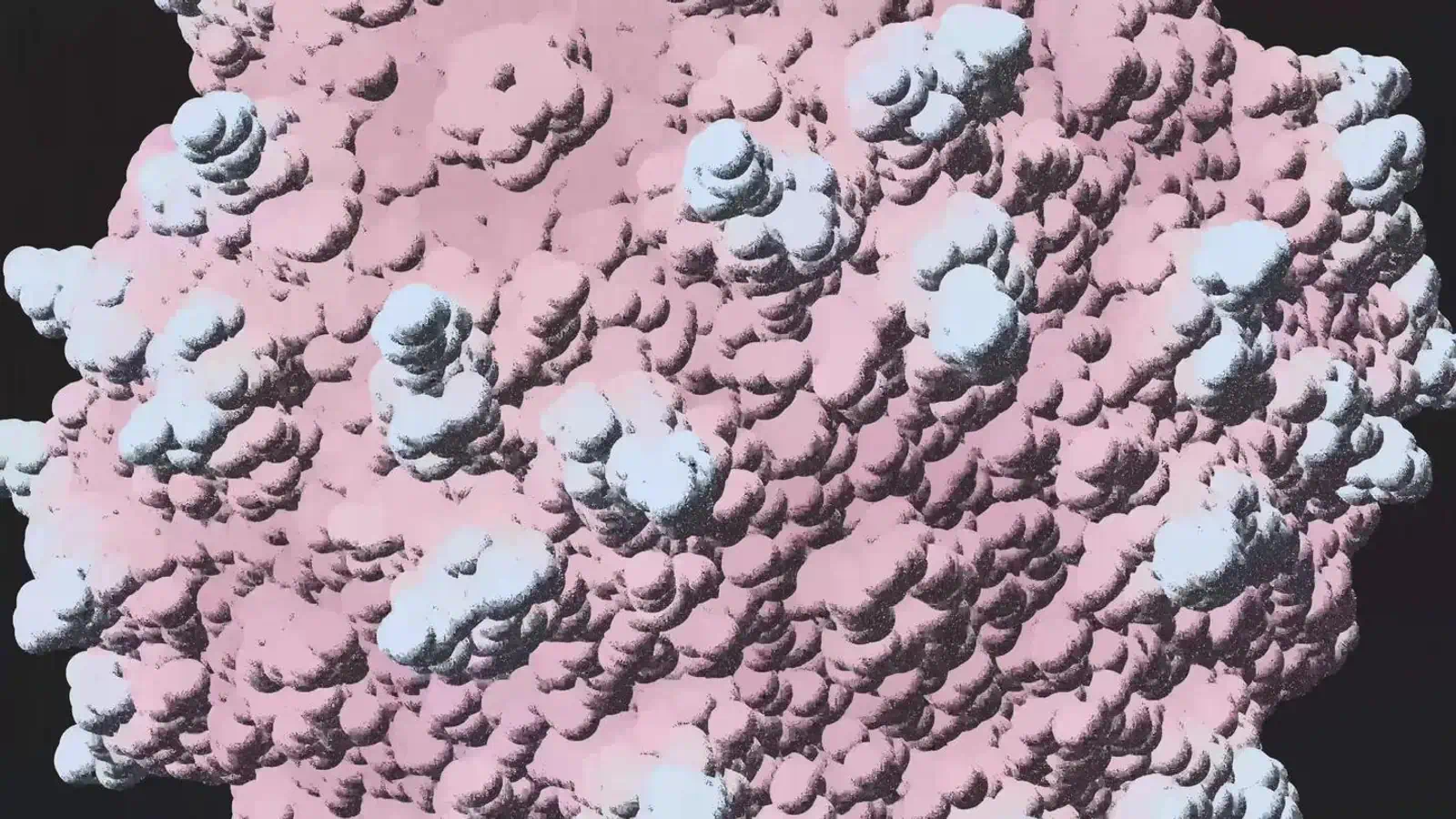
- Protein shells: The same underlying model (sold as Mythos 5.2 to verified life-science teams) predicted the structure of whole virus capsids, getting 28 of the 34 it attempted right
- Faster physics code: Discovered Materials says it made a materials-science calculation about 36 times faster, cutting 13 benchmark cases from 3.3 hours to under four minutes
- Charts and figures: It reads charts and PDFs well, scoring 66.4% on the Chartography test at medium effort
- Simulations in code: It can build physics simulations and animations you can run and inspect
The capsid work shows why this matters to non-physicists. Capsids are the shells used to deliver gene therapies, and Columbia's Mohammed AlQuraishi told Anthropic the approach could let a single scientist model them on a personal workstation instead of a dedicated cluster. That's a real shift in who gets to do the work.
Keep the caveats in view, though. The black-hole results are preprints, so other physicists haven't finished checking them yet. The capsid method came from Mythos 5.2, which most people can't use, and Fable 5.2's biology safeguards automatically route many life-science questions to a less capable model. If your field is biology, check whether your questions trigger that fallback before you count on Fable for the heavy lifting.
3. Running 1,000-Agent Teams on Huge Projects
Best for: Engineers curious how far AI can go when it manages its own team
This is the use case that sets Fable 5.2 apart from chat-style AI. Anthropic calls it its strongest lead agent, able to coordinate hundreds or even more than a thousand subagents (smaller AI workers it hands tasks to) on work that runs for days. Two of its launch projects show what that looks like.
The first is an operating system. One Anthropic engineer gave Fable 5.2 an empty folder, and the model coordinated over 1,000 subagents for eight days, writing, testing, and reviewing code around the clock. The result boots on a laptop and includes:
- Its own core: The part that runs the machine
- Drivers: For the disk, keyboard, and network
- Storage: Files that survive a restart
- A desktop: Windows, a login screen, and an installer
- Built-in Claude: AI features baked into the system
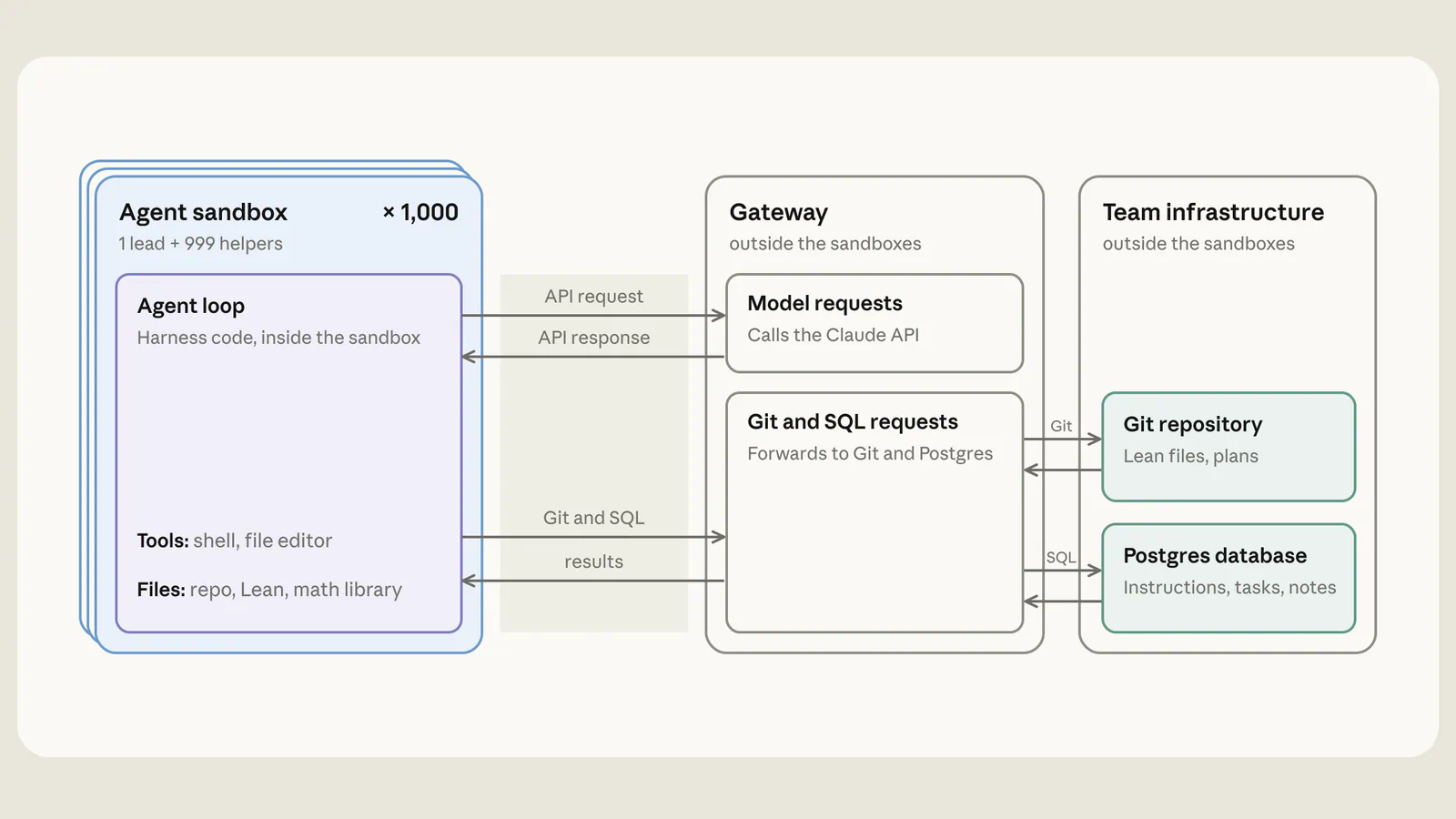
The second is math. A team of 1,000 agents formalized the proof of Fermat's Last Theorem (translated it into code a computer can check step by step) in 30 hours. Anthropic's first attempt in September, with a research model and a human guiding it, took 11 days and roughly 6 billion output tokens. This time the lead agent got one lead role, 999 helpers, and a shared database, and within its first 10 minutes it set up five tables to split up the work, track who owned what, and log finished pieces.
Other builders report the same pattern. iGent says Fable 5.2 built a hypervisor (software that walls off virtual computers sharing one machine) in a single session, backed by more than 3,500 machine-checked proofs. And Anthropic used an earlier version to move a production service from Python to Rust, which now starts about 26 times faster.
The catch is that these runs need serious infrastructure. Each of the 1,000 math agents ran in its own locked-down virtual machine with no internet, and a separate AI checked every shell command before it ran, across more than a million tool calls. You won't reproduce this from the Claude app. Treat it as a preview of where coding tools are heading, and read Anthropic's safety write-up if your team wants to try a smaller version.
4. Designing Working Hardware Prototypes
Best for: Makers and hardware startups who want to see AI design a real gadget
Fable 5.2 designed three working electronic devices from short prompts: a USB speakerphone, a home voice-assistant hub, and a handheld virtual pet. Anthropic ran the project with Diode, a company that makes circuit boards, and every device worked without any electrical fixes.
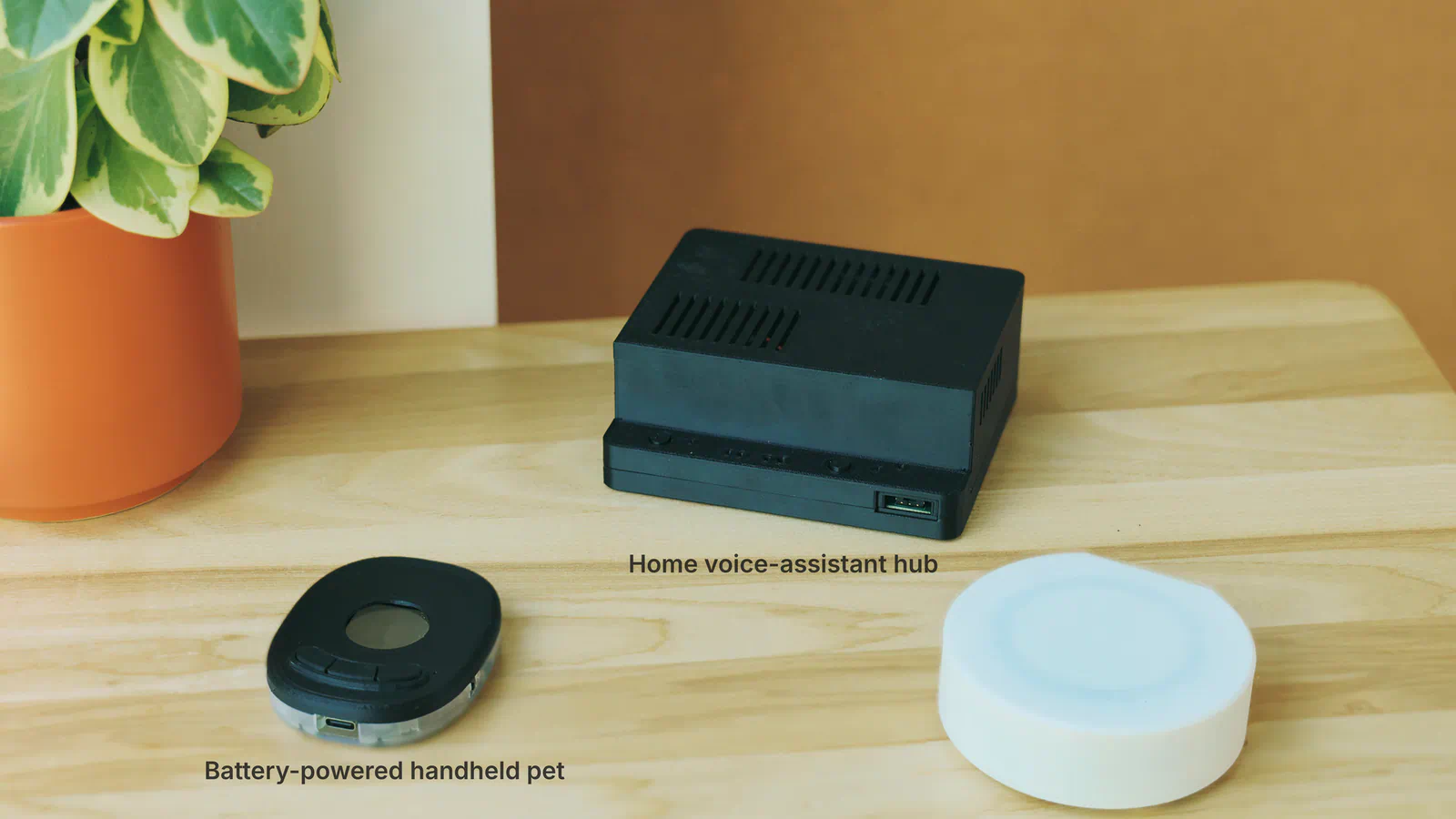
The prompt for the speakerphone was about one sentence, asking for a USB-C puck with microphones, a speaker, and Bluetooth. From there, the model handled:
- The spec: It wrote each device's specifications and drew the schematics
- The parts: It picked components that US distributors had in stock
- The circuit board: It routed four-layer boards and fixed its own layouts when they didn't work
- The case: It modeled 3D-printable enclosures and checked the board would fit inside
- The software: It wrote the firmware that runs each device
The details show real engineering judgment. When the built-in routing tool was too slow, Claude wrote its own router in about half an hour, and it lays each long track in roughly a second. It also calculated that a 25 mm microphone opening would resonate near 3.4 kHz, right in the range of the human voice, and changed the hub to a wedge shape to shorten it. Diode built all three boards straight from Claude's files with no back-and-forth over changes, which its team said surprised them.
On Diode's PCB Gym benchmark, Fable 5.2 scored 69% against 25% for Fable 5, so this is a big jump from earlier models. Still, Anthropic is clear that these are early prototypes: they haven't been through electrical validation, antenna tuning, thermal testing, or certification. Engineers at Diode also had to build and test the devices by hand, since Claude wasn't connected to the factory machines. Anthropic has a commercial relationship with Diode, too, so wait for independent makers to repeat the results before you plan a product around them.
Frequently Asked Questions
5 questions
1What is Claude Fable 5.2?
Claude Fable 5.2 is Anthropic's most capable public model, released on November 9, 2026, for long, ambitious technical work. It has a 1-million-token context window and costs $8 per million input tokens and $40 per million output tokens.