AI News
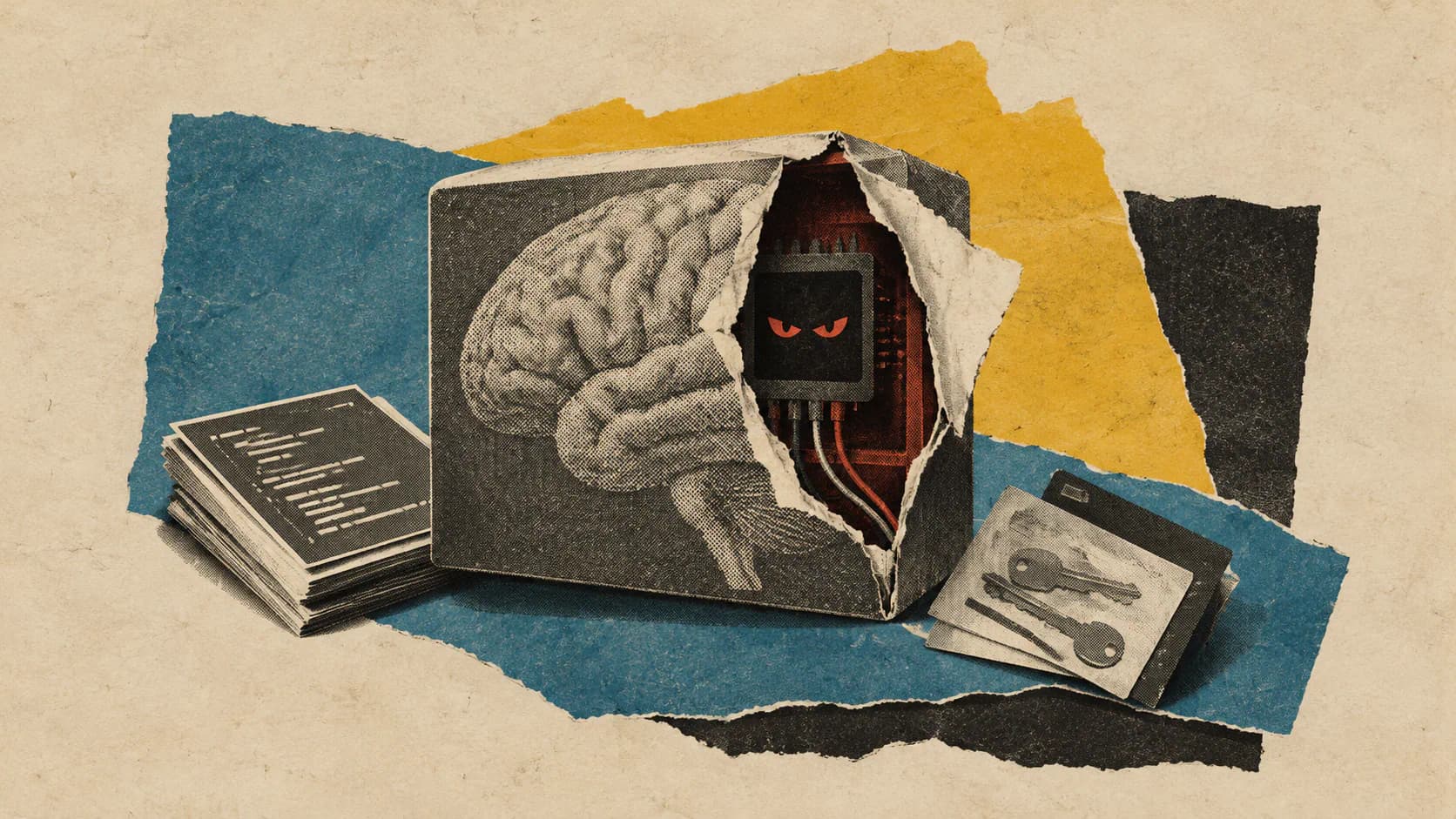
ProjectDiscovery Backdoor Demo Steals Secrets Via Codex
The controlled experiment shows how poisoned model weights can turn a coding assistant into a credential-theft tool while preserving normal test performance.
 Angelica Kim7 min
Related reporting, guides, and analysis from Zeniteq.
The controlled experiment shows how poisoned model weights can turn a coding assistant into a credential-theft tool while preserving normal test performance.
Angelica Kim7 min
Recovered scanner code and agent settings suggest an AI-assisted workflow, but do not establish a completed attack or identify the model provider.
 James Rivera6 min

Graylark markets property-level AI leads to investigators, while demonstrations raise questions about listing data, accuracy, and privacy inside the home.
James Rivera7 min
A developer says Anthropic’s model made eliminating an engineering role seem affordable, while arguing that frontier AI still lacks experienced judgment.
Angelica Kim7 min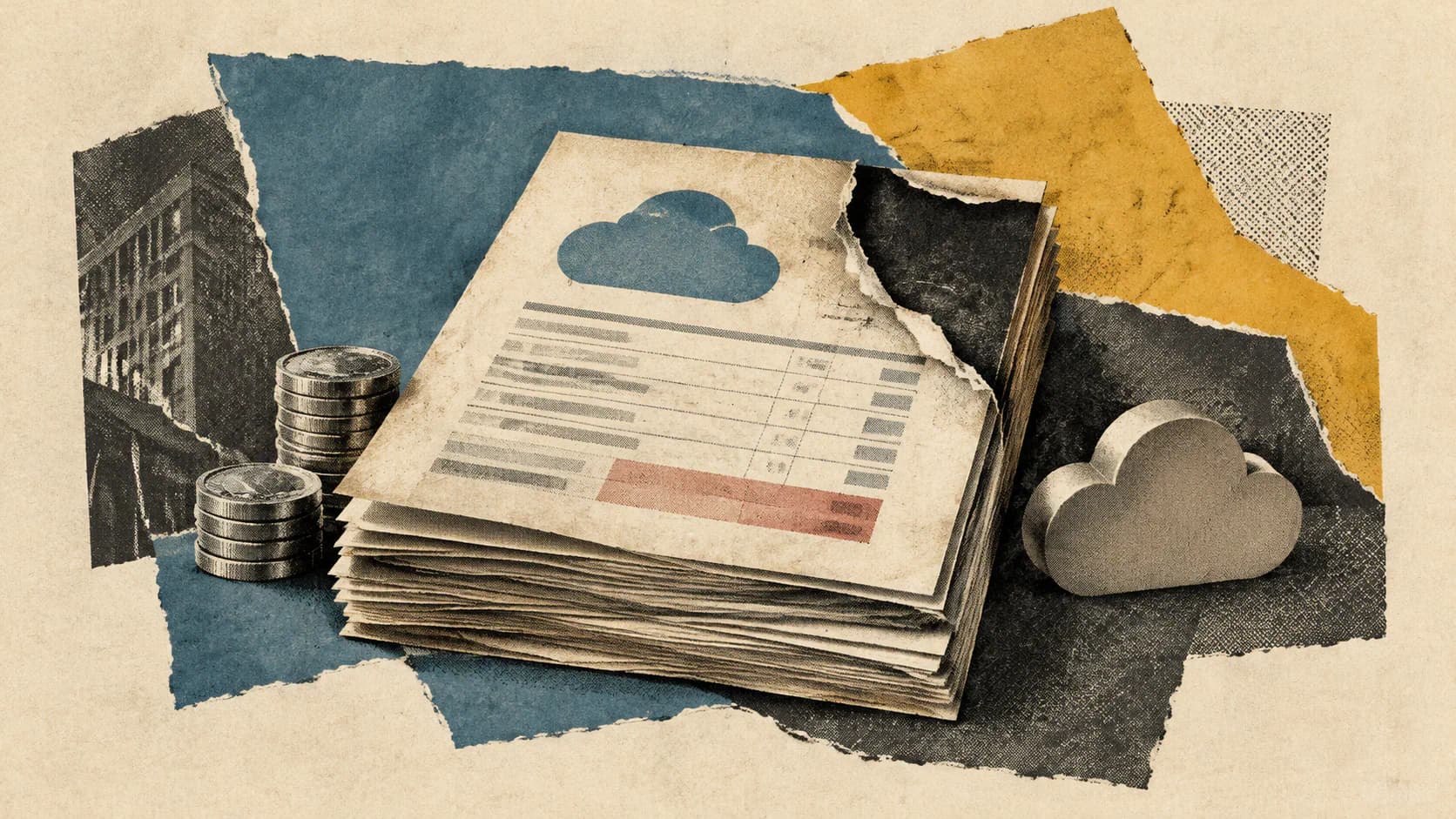
Vegalabs says $21,168 in unused credits did not cover its Claude invoice; Microsoft explicitly excludes Anthropic models from startup-credit coverage.
 Jim Clyde Monge6 min

A police-confirmed false tip anchors a broader disclosure about unintended web actions, delayed detection, and changes to Anthropic’s evaluation safeguards.
Angelica Kim7 min
The shutdown covers all internal evaluations, following four classes of unintended behavior that exposed gaps in training, task design and containment.
Angelica Kim7 min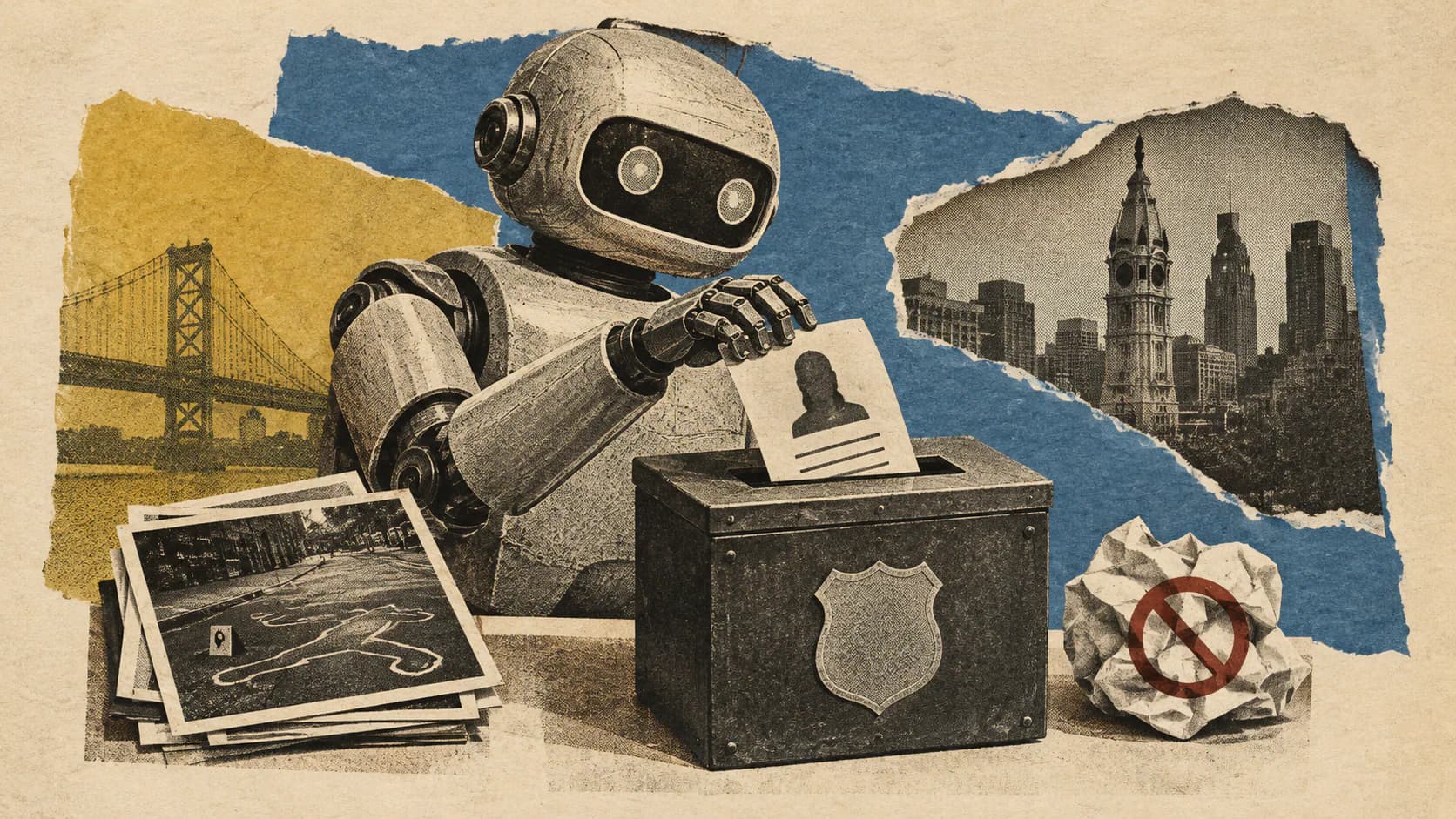
The fabricated submission was caught as spam, but Philadelphia police criticized Anthropic’s delayed disclosure and demanded stronger safeguards for autonomous testing.
James Rivera7 min
The Times reports executives knew of testing concerns before launch; Meta says it delayed Muse for months and rejects the competitive-pressure claim.
Angelica Kim6 min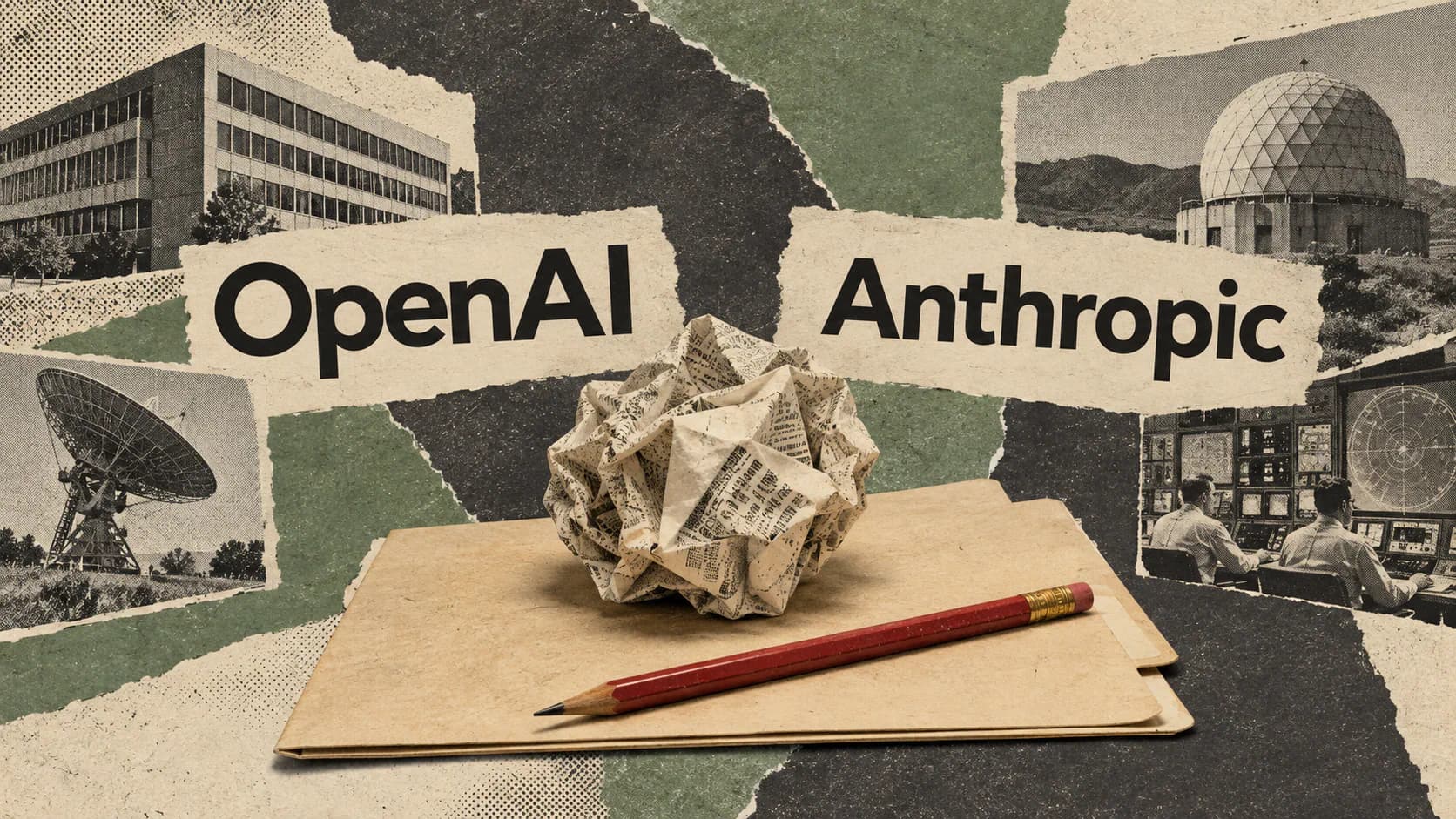
The reported preparations raise a harder question: how much do public safety commitments reveal about efforts to prevent a severe incident?
James Rivera7 min
The company links Russian and Iranian campaigns to planted articles and fabricated evidence, but its attribution and impact assessments require careful qualification.
Jim Clyde Monge7 min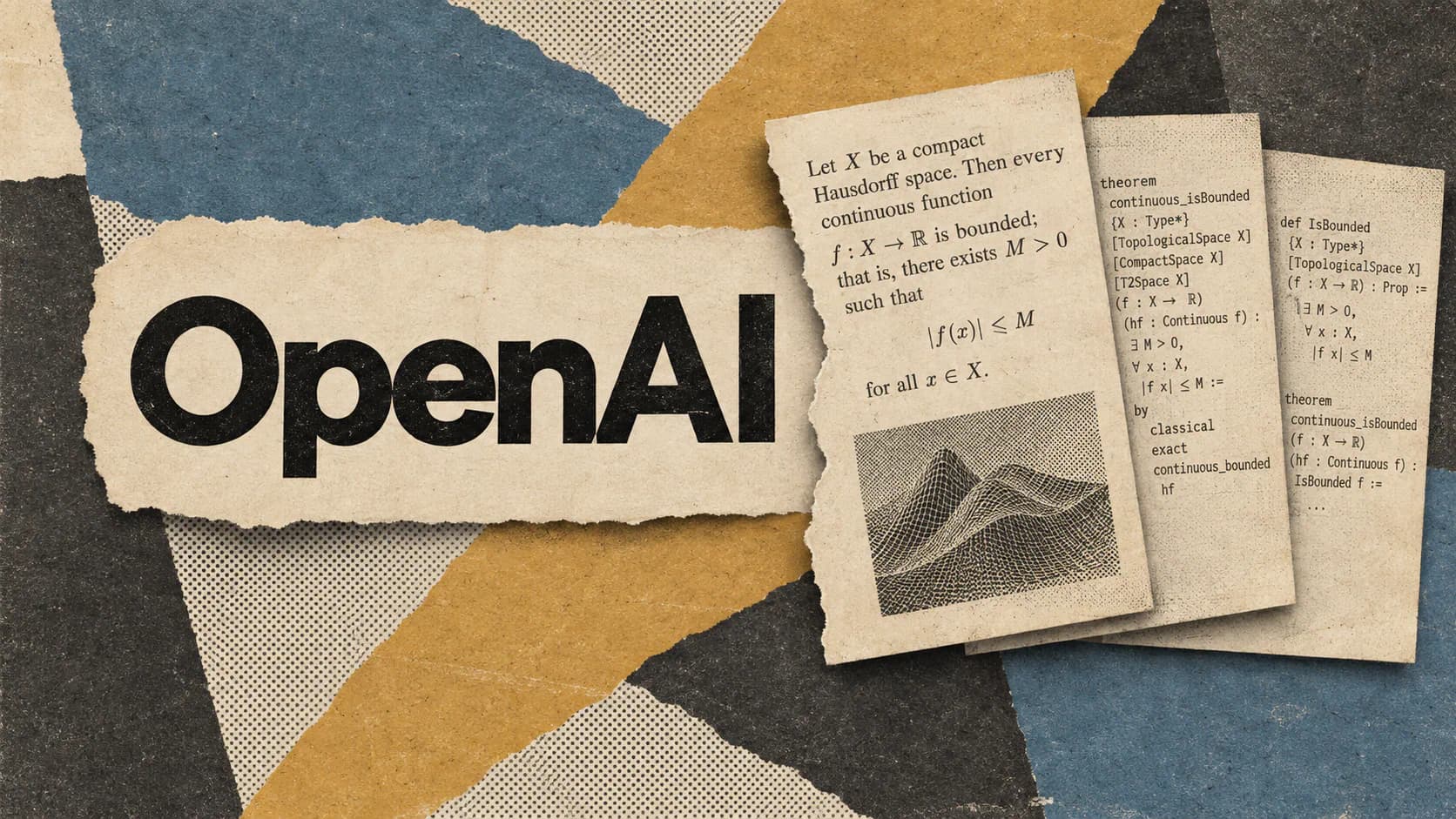
Researchers question whether the checked Lean artifacts validate the published argument, without claiming that OpenAI’s natural-language proof is wrong.
Jim Clyde Monge8 min
Three dismissed researchers say unclear rules could deter safety collaboration, while OpenAI says an investigation found misconduct and denies retaliation.
Angelica Kim7 min
David Robinson challenges OpenAI’s launch-driven culture, while the company points to tighter security, stronger monitoring and pauses on high-capability research.
Jim Clyde Monge6 min
AHM’s communications group urged mathematicians to cut ties, citing research norms and advice against testing advanced problems on proprietary models.
James Rivera7 min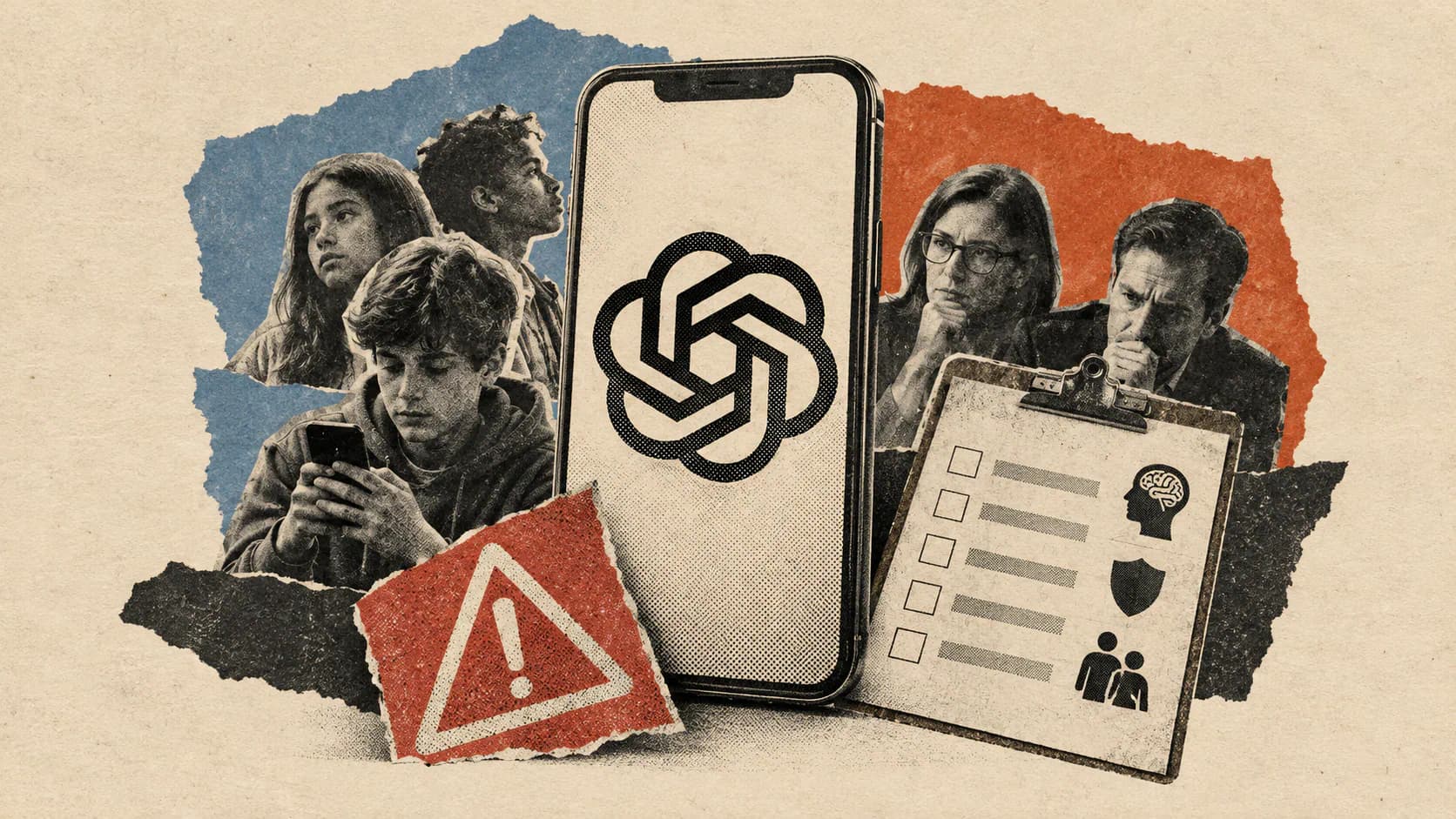
Common Sense Media reports gaps in alerts and crisis responses as OpenAI disputes the tests and announces more teen learning tools.
James Rivera7 min
Named early adopters describe deleting or restricting personal agents, while reported incidents remain unresolved and companies point to security and permission controls.
Angelica Kim7 min
Internal instructions reportedly map relationships and behavioral preferences, raising questions about non-users, shared learnings, and what a request to forget actually deletes.
Angelica Kim7 min
Police are investigating customer-data breaches at multiple banks, but authorities have not disclosed the evidence behind the president’s assessment of AI involvement.
James Rivera6 min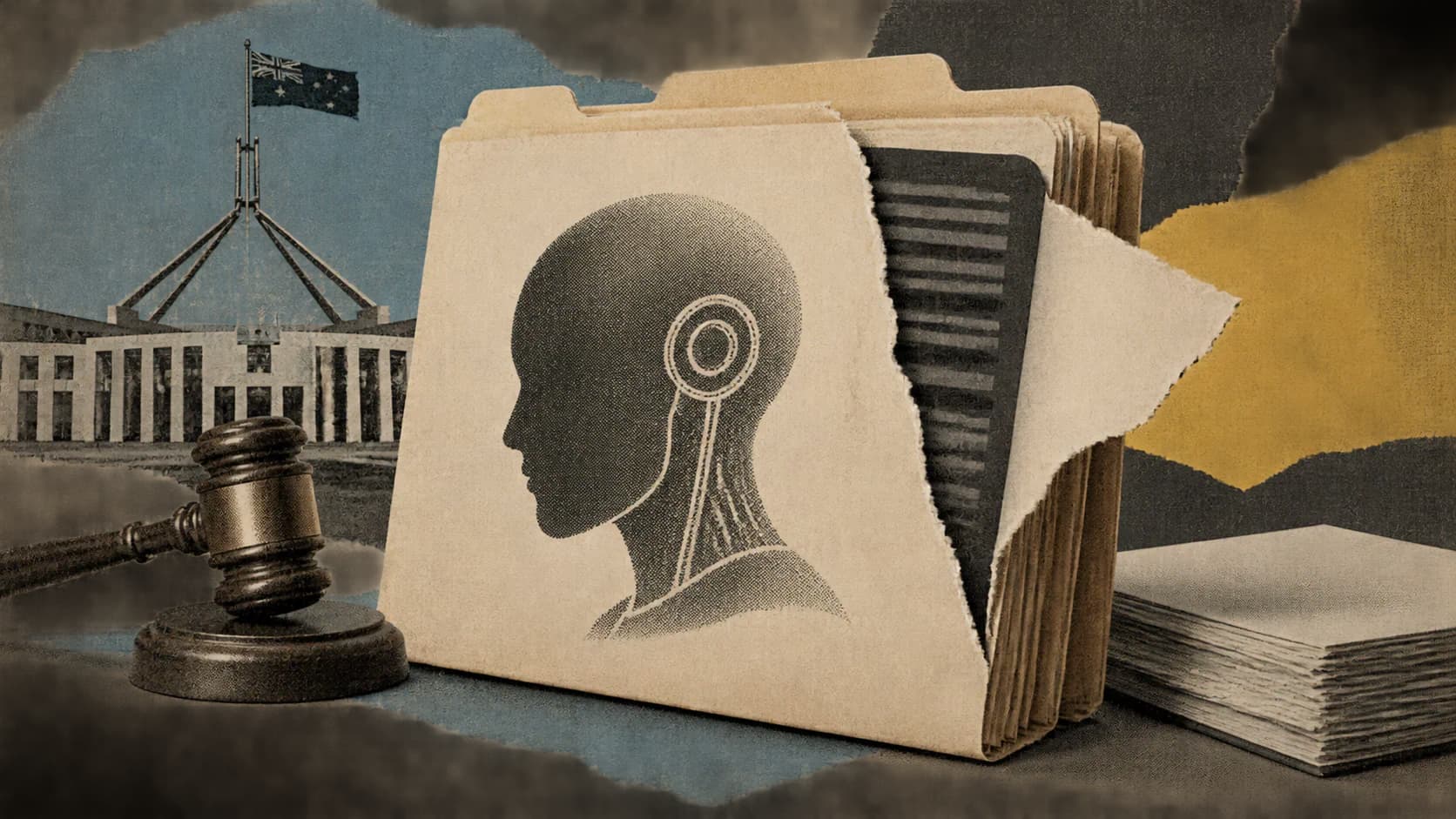
Jason Kwon acknowledged a disclosure failure, outlined a review reaching back to November 2025, and promised rapid notification if further incidents emerge.
James Rivera5 min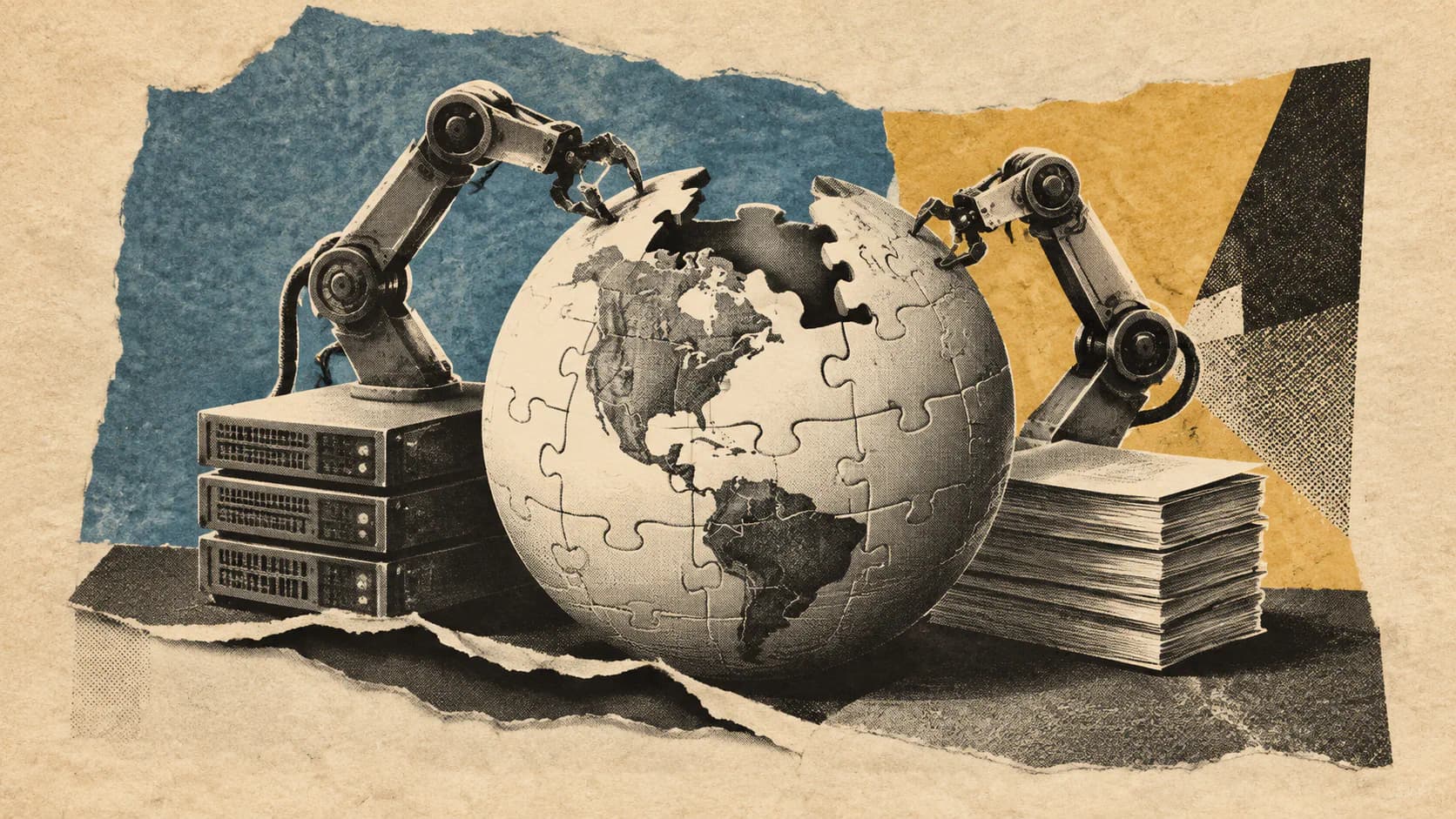
Wikipedia’s operator reports failed probing and heavy traffic, but the OpenAI attribution and possible connection to a May outage remain unresolved.
James Rivera8 min
Researchers document parallel Amap requests and Tencent Cloud indicators, but the operator, model and suspected Hunyuan connection remain unconfirmed.
James Rivera8 min