OpenAI announced its acquisition of Orchestra Bio on October 20, 2026, bringing a four-year-old biotech software startup into its Rosalind business. Orchestra builds AI agents for the operational work surrounding drug development, including tracking finances and resolving clinical-trial scheduling problems, according to TechCrunch’s report on the announcement.
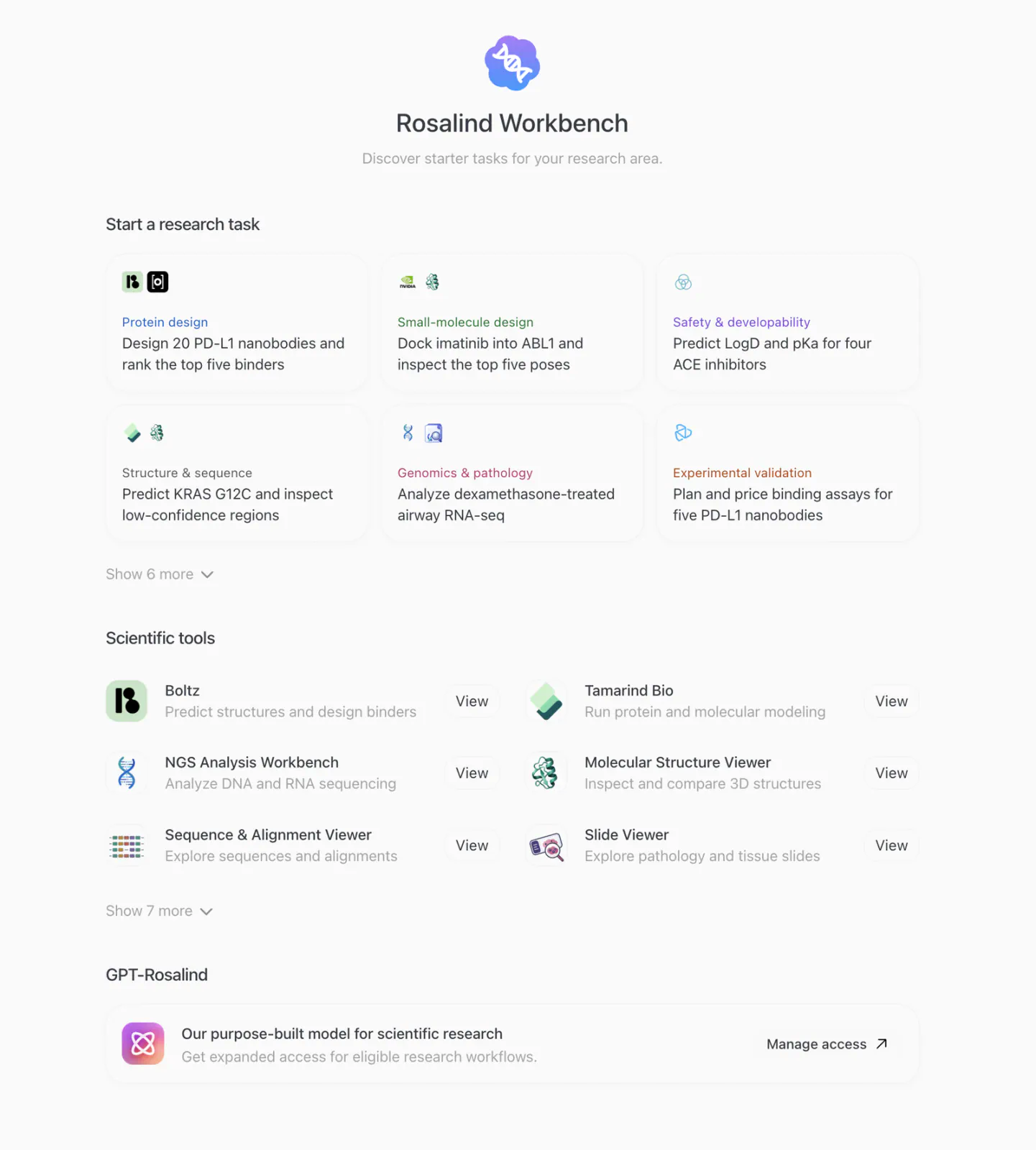
OpenAI says Orchestra’s team and technology will support both Rosalind, its life-sciences research model, and Rosalind Workbench, the associated software for working with scientific tools and data. The purchase price was not disclosed.
The practical fit is in the gap between planning research and keeping a development program moving. Scientific reasoning, experiment planning and operational coordination are different jobs. Based on the published descriptions, Orchestra brings OpenAI more capability in that third area.
What Orchestra’s Agents Manage
Orchestra’s reported responsibilities sit around the day-to-day coordination of biotech programs. The coverage identifies three main areas:
- Finance tracking: keeping track of the financial side of development operations.
- Study monitoring: following the progress of studies.
- Clinical-trial scheduling: helping resolve scheduling problems that can disrupt a program.
These tasks matter because a development program crosses departments and outside partners. A change in one activity can affect work elsewhere, particularly when the teams involved use disconnected systems.
SiliconANGLE’s coverage relays a useful example from OpenAI: a failed manufacturing batch threatens to delay a clinical trial. In the company’s description, the software would identify the affected activities and timelines, then weigh possible responses. People would make the final decision.
That example describes dependency management. The useful output is a view of what the batch failure changes across the program, not simply an alert that something went wrong.
Consider the distinction between reporting a delayed input and identifying every activity waiting on it. The second task requires a current picture of the relationships between activities. That is the operational problem OpenAI’s example points toward. It is a proposed use case, not evidence that the combined product has handled a real manufacturing disruption.
My view is that this is the most consequential detail in the announcement. An agent that can explain downstream effects could help teams prioritize a response. Its usefulness would depend on accurate status information and reliable connections between tasks, however. A persuasive explanation built on an outdated schedule would still be a poor basis for a decision.
How Orchestra Fits Rosalind and Workbench
Rosalind, Workbench and Orchestra address different parts of the same broader process. The following table maps their roles from the published descriptions; it is an analytical comparison, not a disclosed technical architecture.
| Component | Reported role | Workflow layer |
|---|---|---|
| Rosalind | Reasoning about biology and drug-discovery research | Scientific reasoning |
| Rosalind Workbench | Connecting the model to scientific tools and data, with support for experiment planning and results analysis | Research-tool coordination |
| Orchestra Bio | Tracking finances, monitoring studies and handling scheduling dependencies | Development operations |
TechCrunch describes Workbench as a software harness intended to help researchers plan experiments and analyze results. In plain language, that means surrounding the model with tools and a working environment so it can contribute to a research process.
Orchestra’s reported focus extends beyond the experiment itself. Once a scientific plan exists, someone still has to coordinate resources, schedules and work across the organization. The acquisition gives OpenAI a team and technology focused on those operational responsibilities.
This distinction also helps explain what the deal says about AI agents. A scientific assistant might help interpret findings or propose an experiment. An operational agent could follow the work needed to carry that plan forward, identify a disruption and present options for responding.
Those capabilities can complement each other without being interchangeable. Strong biology reasoning alone does not supply an up-to-date development schedule. Access to scheduling information, in turn, does not demonstrate that a system can make sound scientific judgments.
Why This Expands OpenAI’s Biotech Software Ambitions
The acquisition moves OpenAI further into industry-specific software. Its stated plan reaches from research assistance into the management of work surrounding drug development.
That changes the potential product relationship. A research model can be consulted for individual questions. Operational software becomes useful by staying connected to changing program information and the people responsible for acting on it. If OpenAI successfully combines those functions, Rosalind could occupy a broader place in a biotech organization’s workflow.
That is an inference from the proposed fit, not a demonstrated outcome of the acquisition.
OpenAI names Moderna and Novo Nordisk among its Rosalind relationships, according to the published coverage. Those company statements provide context for the business OpenAI wants to expand. They are not evidence that either drugmaker has deployed Orchestra through Rosalind or achieved results from the acquisition.
For buyers, I would put more weight on integration details than on the customer names. The important questions are which systems the agents can access, how current their information is and what authority they have to act. OpenAI’s example explicitly leaves final decisions to people, but the reports do not explain the controls that would enforce that boundary.
Frequently Asked Questions
4 questions
1What Does Orchestra Bio Do?
Orchestra builds AI agents for biotech operations, including finance tracking, study monitoring and clinical-trial scheduling.