AI News

Google Gives Antigravity AI Agents Remote Control
Google’s new browser-based control layer lets developers monitor and steer long-running Antigravity sessions without rebuilding their development environment elsewhere.
 Jim Clyde Monge8 min
Explore AI news, practical guides, tutorials, reviews, and insights from Zeniteq.
Google’s new browser-based control layer lets developers monitor and steer long-running Antigravity sessions without rebuilding their development environment elsewhere.
Jim Clyde Monge8 min
BrowserAct gives AI agents a real browser so they can scrape live data, handle logins, solve CAPTCHAs, and complete web tasks from…
Jim Clyde Monge19 min
Dream Labs offers developers a way to test cross-robot control, but its hardware limits and company-run demonstrations leave important questions unresolved.
 Kim Monge7 min

The open-source Mac utility brings status, chat and approvals together across existing agents, but its release packaging still needs careful checking.
 James Rivera7 min
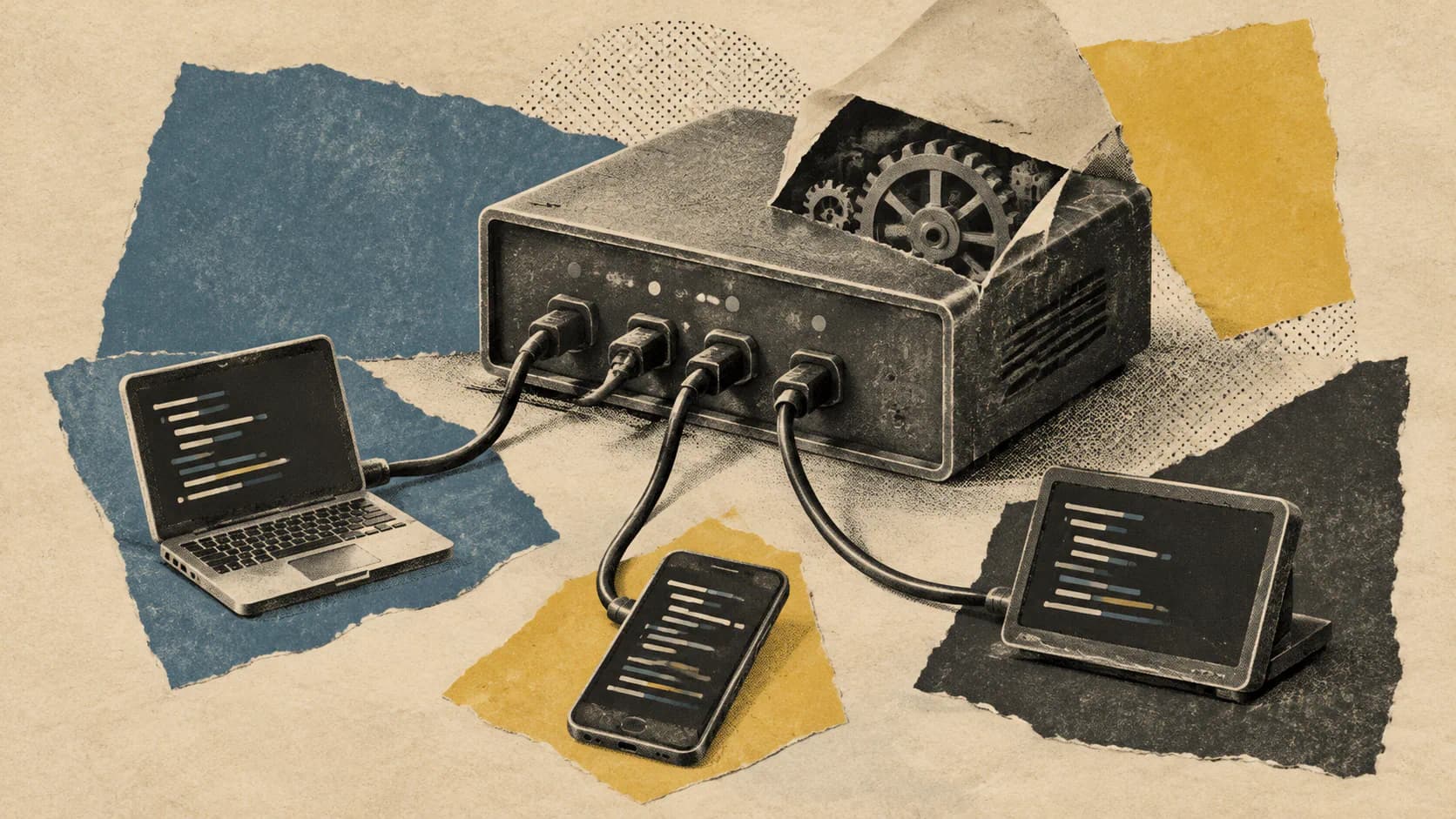
Jep gives local coding agents a shared remote-control layer, with Telegram and Android clients plus a gateway that deserves careful security review.
Kim Monge9 min
Version 0.131.0 ships a significantly upgraded terminal UI, a new diagnostics command, a renamed Python SDK, and deeper remote workflow support.
Jim Clyde Monge6 min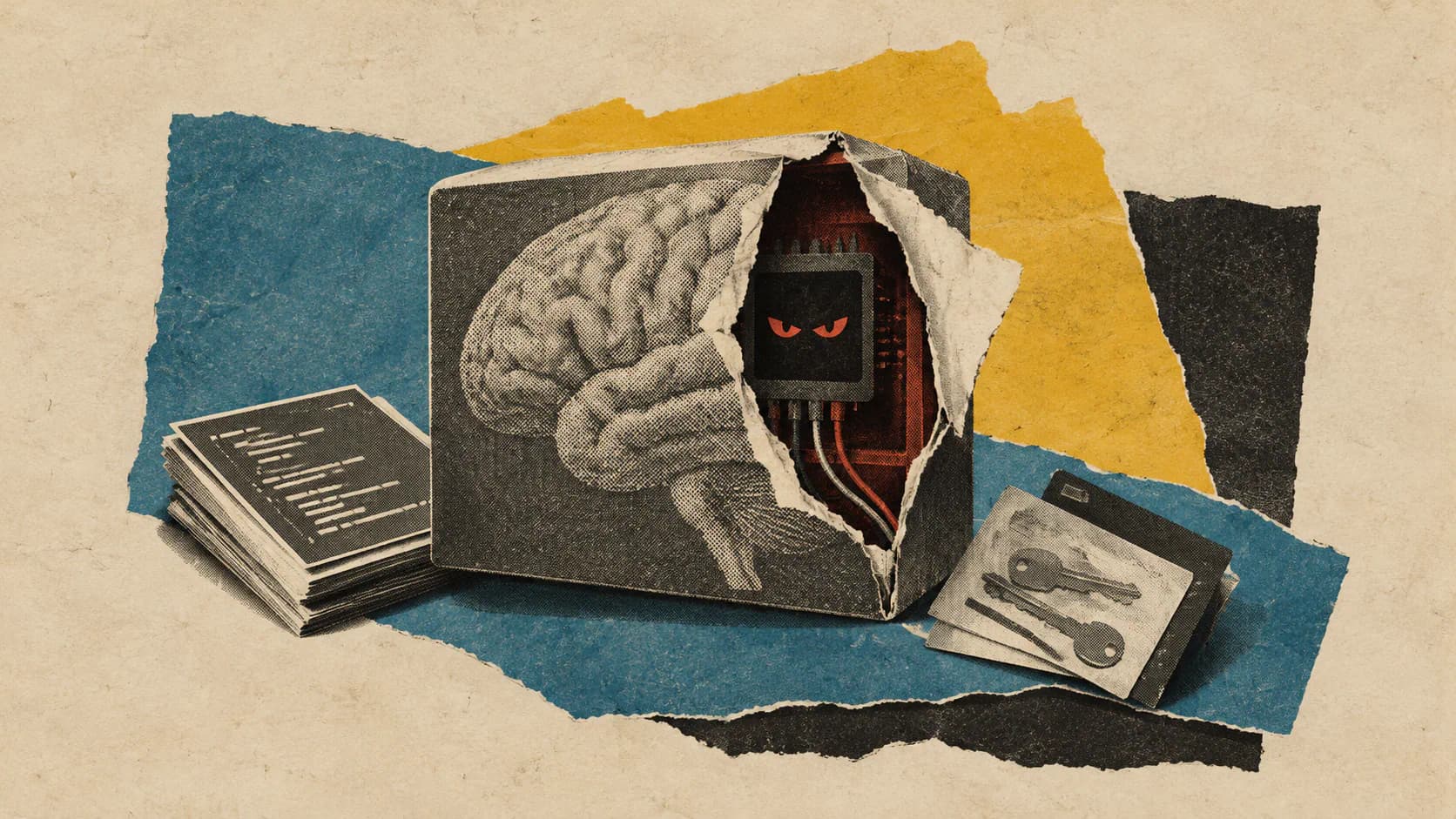
The controlled experiment shows how poisoned model weights can turn a coding assistant into a credential-theft tool while preserving normal test performance.
Kim Monge7 min
OpenAI’s public beta manages durable sessions, context, orchestration, and recovery while developers choose the model, tools, connectors, and execution environment.
Jim Clyde Monge10 min
A software developer’s perspective on the worlds of building apps traditionally and using AI coding tools.
Jim Clyde Monge13 min
Amazon’s tablets for children as young as three pair AI storytelling with parental controls, raising questions about creative effort and device-based calming.
Jim Clyde Monge7 min
Anthropic’s SendFeedback tool turns Claude Code failures into editable reports while keeping transcript sharing and submission under the developer’s control.
Jim Clyde Monge8 min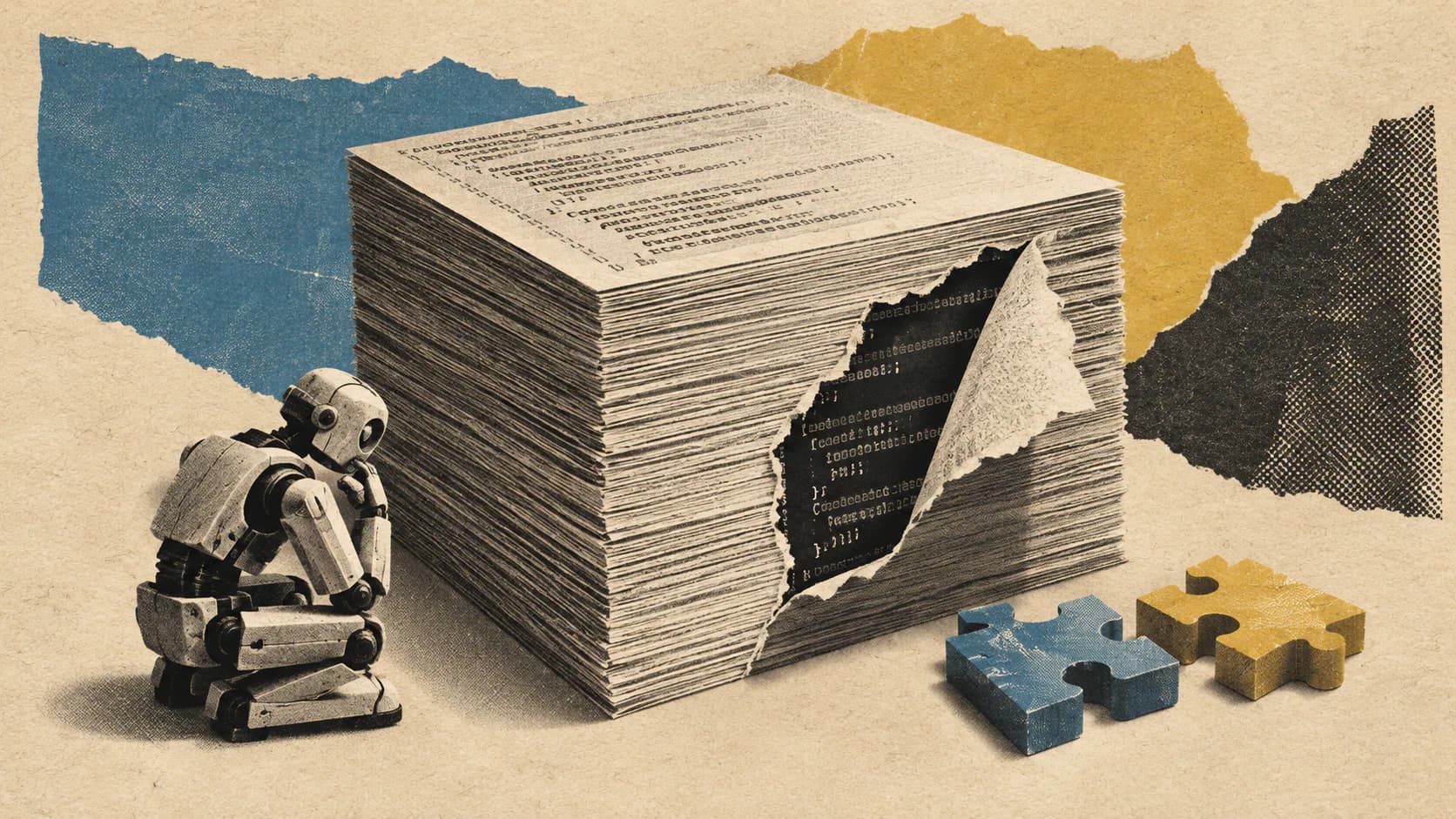
Snowflake’s private benchmark shows how repository structure, hidden tests and agent tooling shape coding results, with practical lessons for enterprise evaluations.
Jim Clyde Monge9 min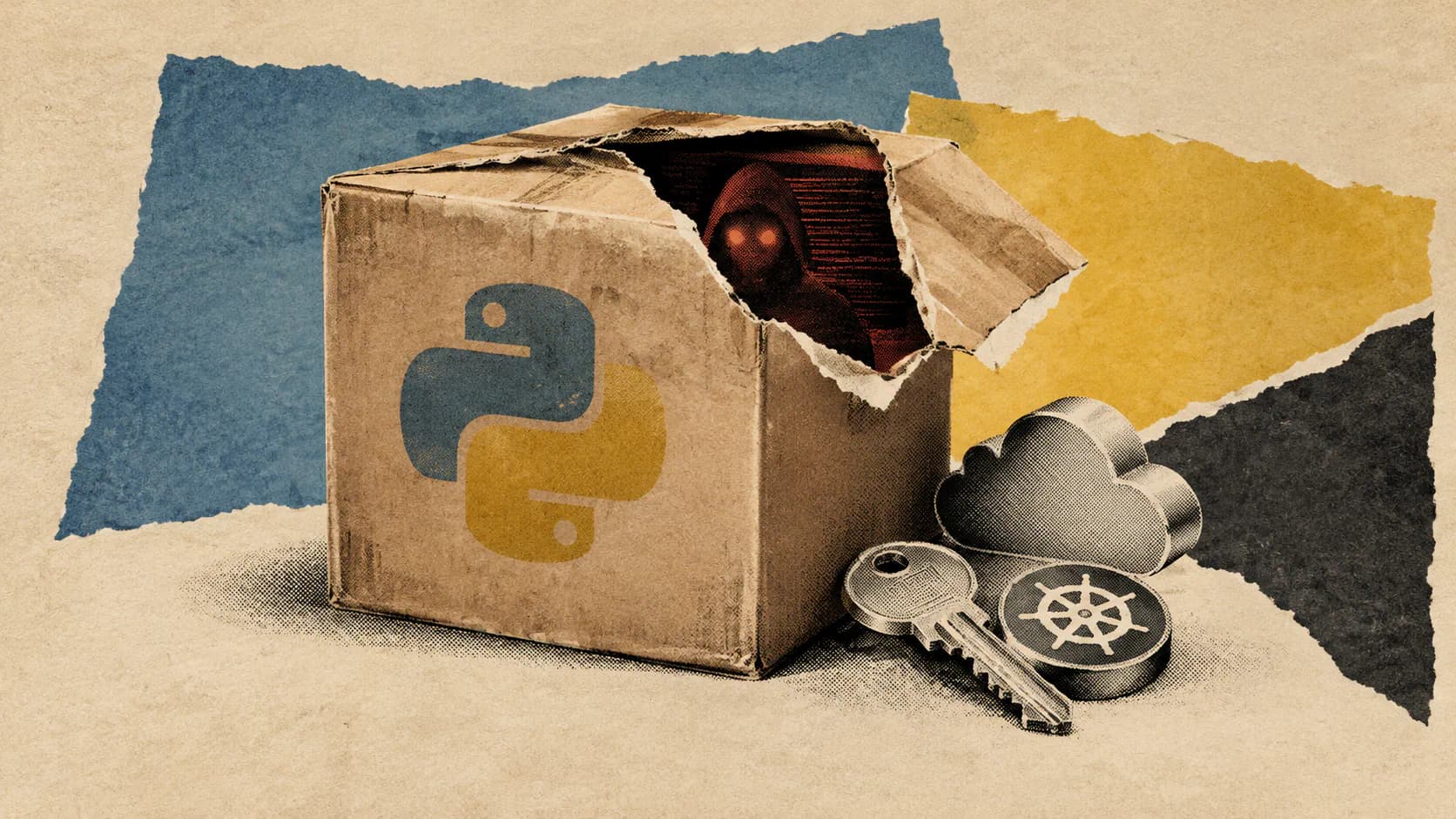
Researchers found credential theft and a remote-code loader in PyPI wheels and an official Docker image, making source-only checks insufficient.
Jim Clyde Monge7 min
Anthropic will embed independent evaluators as Amodei argues frontier capability gains are outrunning alignment, security, and government oversight.
Jim Clyde Monge9 min
Controlled experiments show progress toward AI self-replication, but the forecast depends on improving reliability and does not demonstrate a rogue system spreading…
Jim Clyde Monge7 min
The general-availability milestone combines chat and cloud work, with role, budget and security controls administrators should review before November’s default-on rollout.
Kim Monge4 min
Agent view consolidates parallel Claude Code sessions into a single CLI control panel, removing the need for tmux grids and tab juggling.
Jim Clyde Monge6 min
The Linux/KDE-first session manager embeds Konsole terminals, resumes coding agents and tracks SSH work, but live process adoption carries platform and privilege…
James Rivera7 min
An undocumented macOS setting can redirect dictated prompts, expose authentication material, and turn Muse’s approved app access into an attacker’s tools.
Jim Clyde Monge10 min
A white-hat intrusion combined an image-processing flaw, weak SSO boundaries, and Claude-assisted exploit development to access OpenAI's private GitHub.
Jim Clyde Monge10 min
The open-source MCP server uses OS-keychain storage, scoped presets, approval gates and a local audit log to separate agents from raw credentials.
Kim Monge9 min
How an X-Stat field injection in GitHub’s internal git protocol let an authenticated user reach RCE on GitHub.com and GHES using nothing…
Jim Clyde Monge12 min