My previous article about eight AI terms went viral, and a lot of readers found it helpful. So I wanted to write a follow-up with more terms you should know.
Part 1 covered agents, harnesses, MCP, and skills. This time, we’ll look at some of the technology behind chatbots and image generators, along with a term that recently made political headlines.
Some of these terms have been around for years. But knowing what they mean will help you understand the tools you’re using and what companies are announcing.
Let’s start.
1. Super Intelligence
You’ve probably heard about the term Super Intelligence in the past, but Trump’s recent attempt to rename artificial intelligence brought it back into the headlines.
Trump Wants To Rename Artificial IntelligenceOn September 29, the White House announced an order replacing “Artificial Intelligence” with “Super Intelligence” in executive-branch communications. The announcement describes a change in terminology.
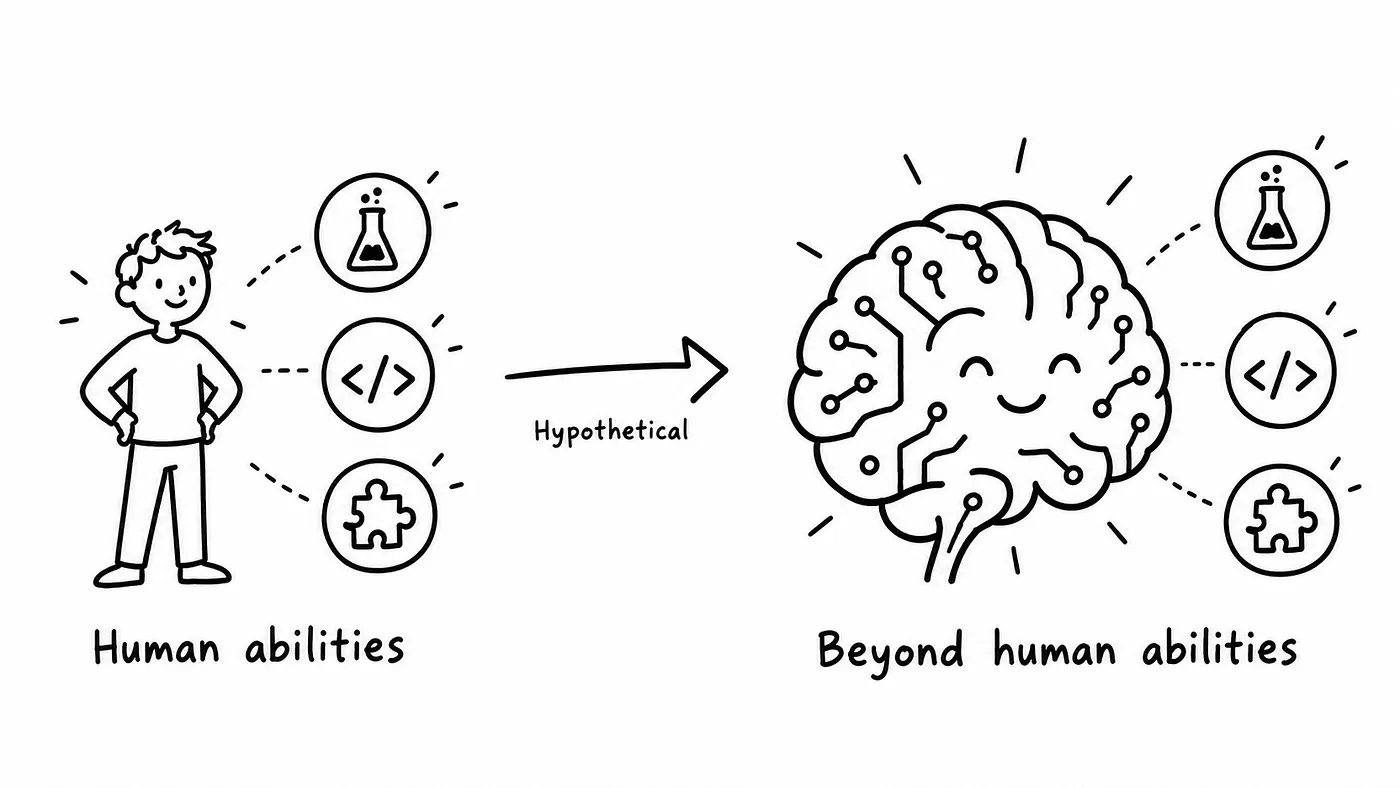
The technical meaning is more specific. Super Intelligence refers to AI that would substantially outperform humans across a broad range of intellectual tasks.
Super Intelligence
That could include conducting scientific research, developing software, and solving problems that leading human experts struggle with. These are hypothetical capabilities associated with the concept.
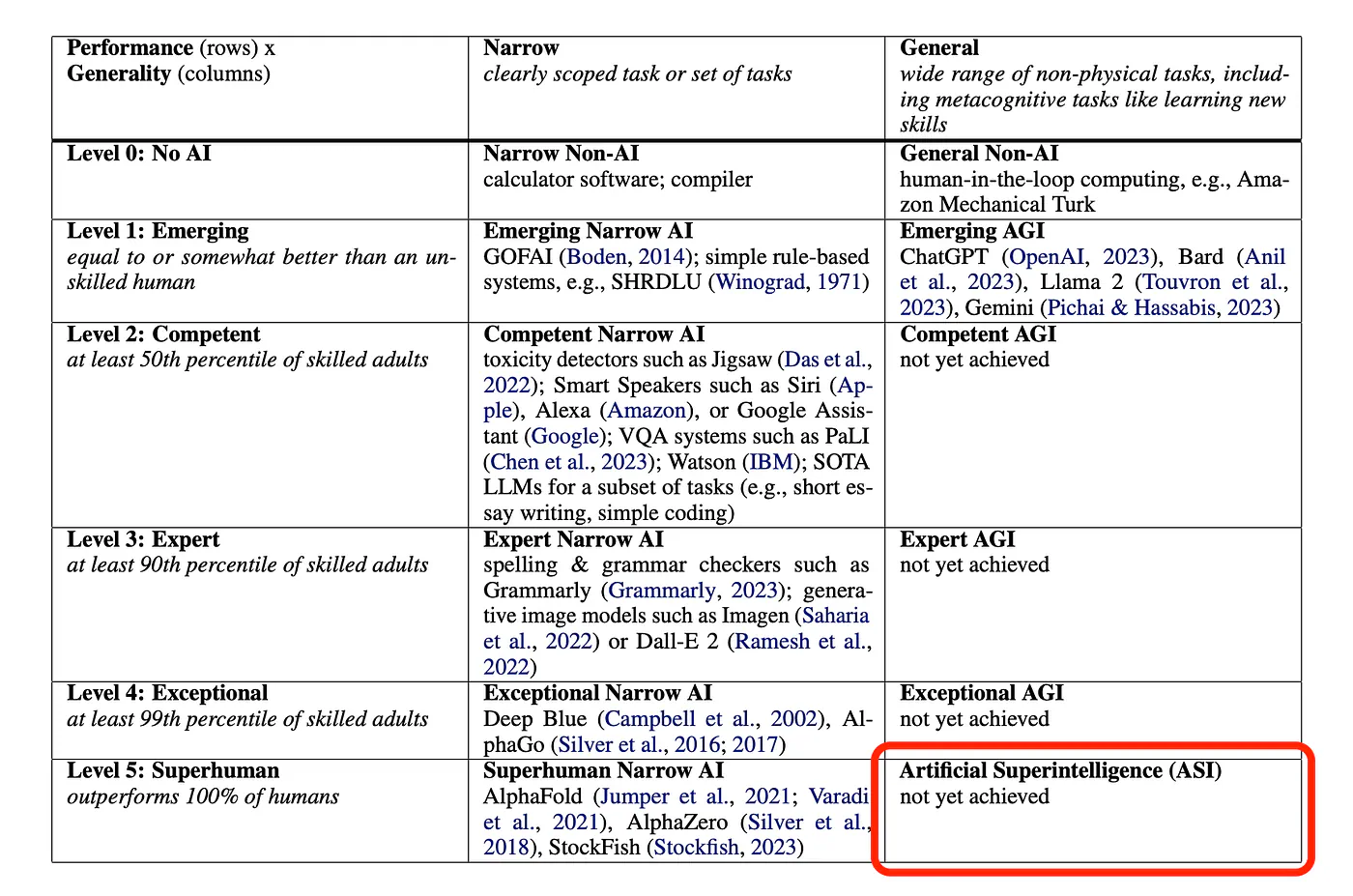
AGI generally refers to broadly capable AI, often described in terms of human-level performance. Super Intelligence goes beyond that.
Google DeepMind’s Levels of AGI framework considers both the breadth of a system’s abilities and how well it performs.
Google DeepMind’s Levels of AGI framework
The naming change can make this confusing. Calling today’s AI “Super Intelligence” doesn’t demonstrate that it has reached the capabilities researchers associate with Super Intelligence.
When you read about it, check whether the writer means the technical concept or the administration’s new terminology.
2. Embeddings
An AI search tool can find a document even when your question uses different words from the document. Embeddings help make that possible.
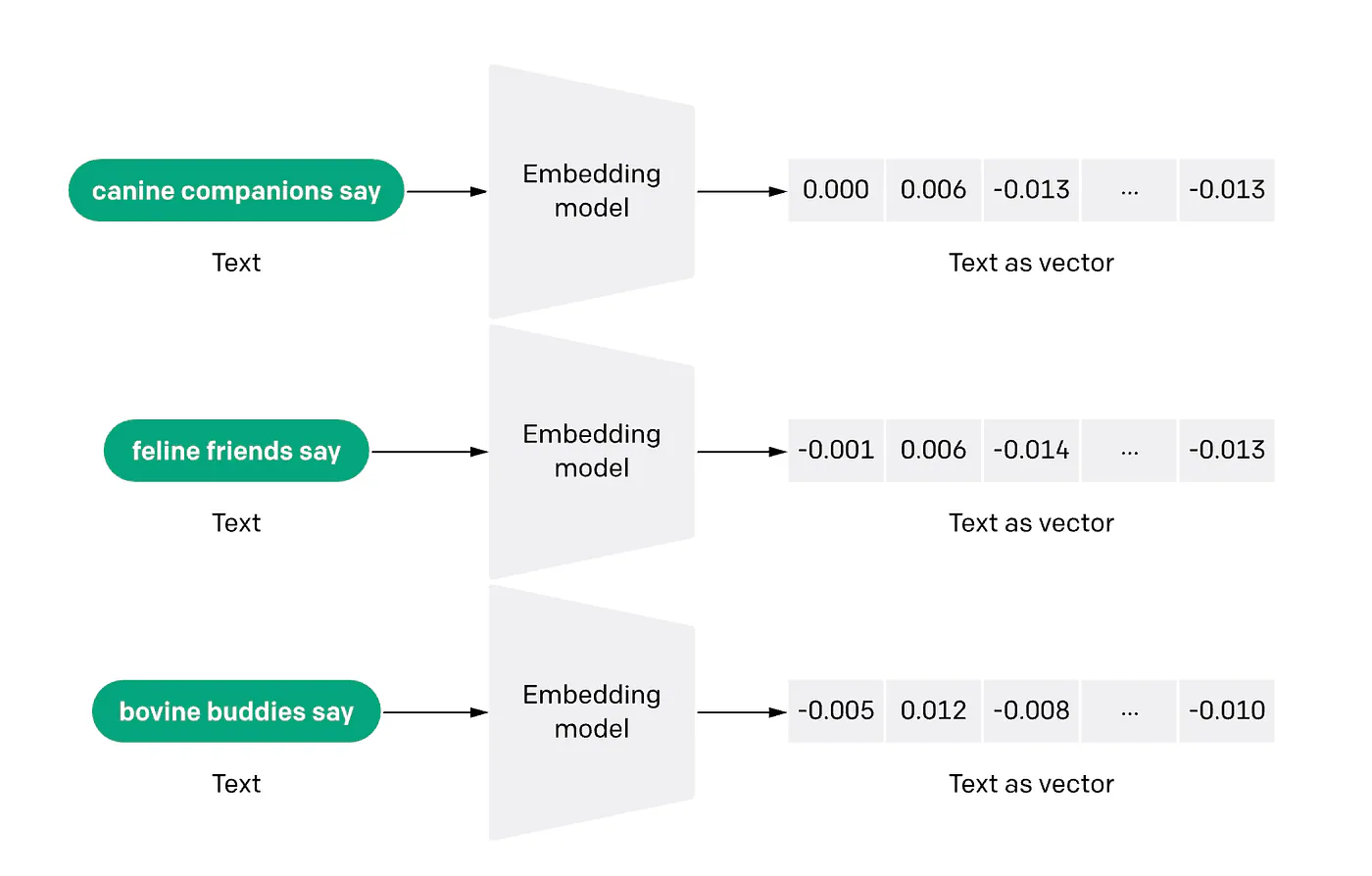
An embedding represents information as a list of numbers. Software can compare these lists to identify related content.
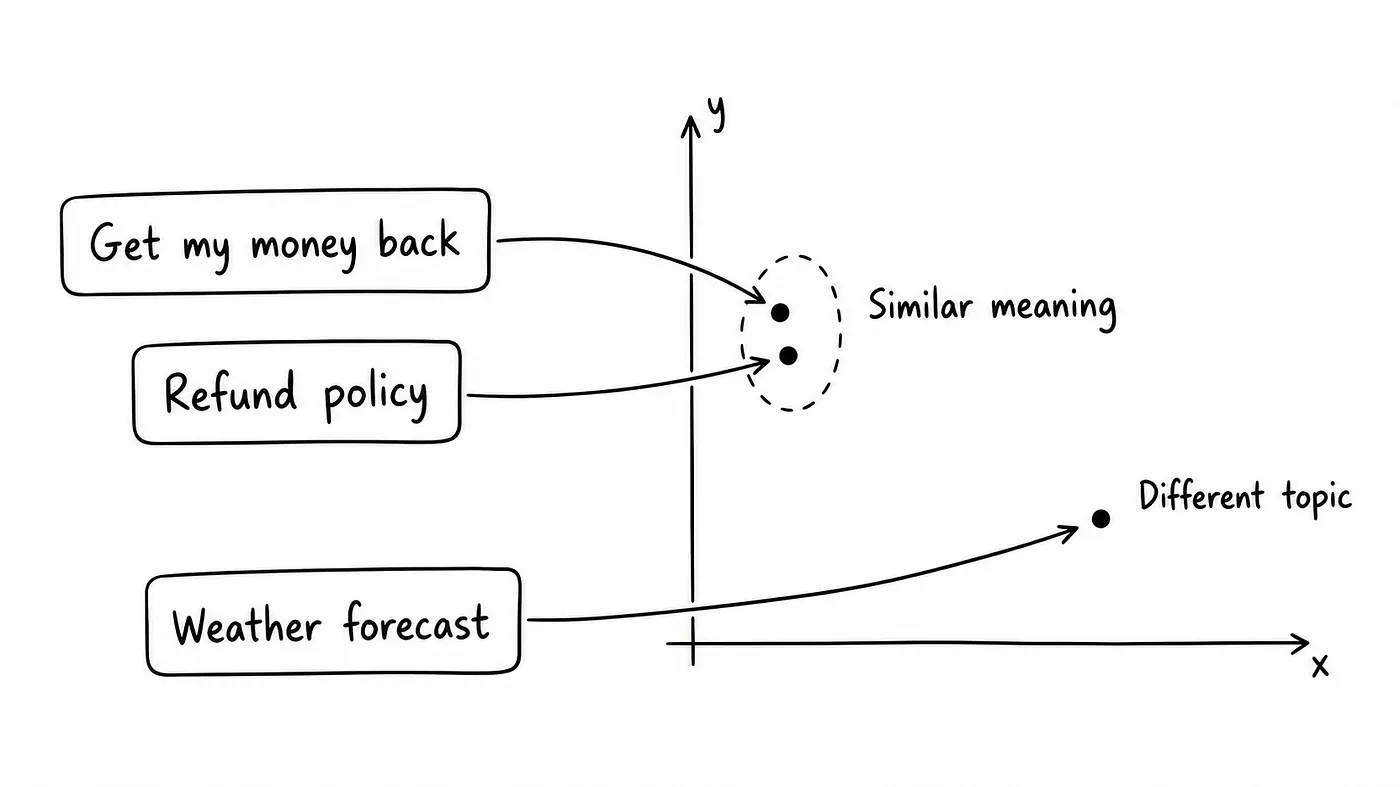
Think of it as placing text on a map. Texts with similar meanings tend to sit near each other.
Embeddings
For example, you might search for “How do I get my money back?” A useful result could be a page titled “Refund policy,” even though it doesn’t repeat your exact question.
An embedding model creates numerical representations of your query and the stored text. The search system compares them to find relevant matches. OpenAI’s explanation of embeddings describes this approach.
A document assistant can then give those matching passages to a language model to help answer you.
Embeddings are useful for finding related information, but similarity doesn’t establish accuracy. The system still needs good source material and a model that uses it correctly.
3. Tokens
If you regularly use ChatGPT, Claude, or Gemini, you are already familiar with what tokens are. These numbers are usually counted per million. So, in Claude’s case, the price per 1 million tokens is $10 when using Fable 5.1.
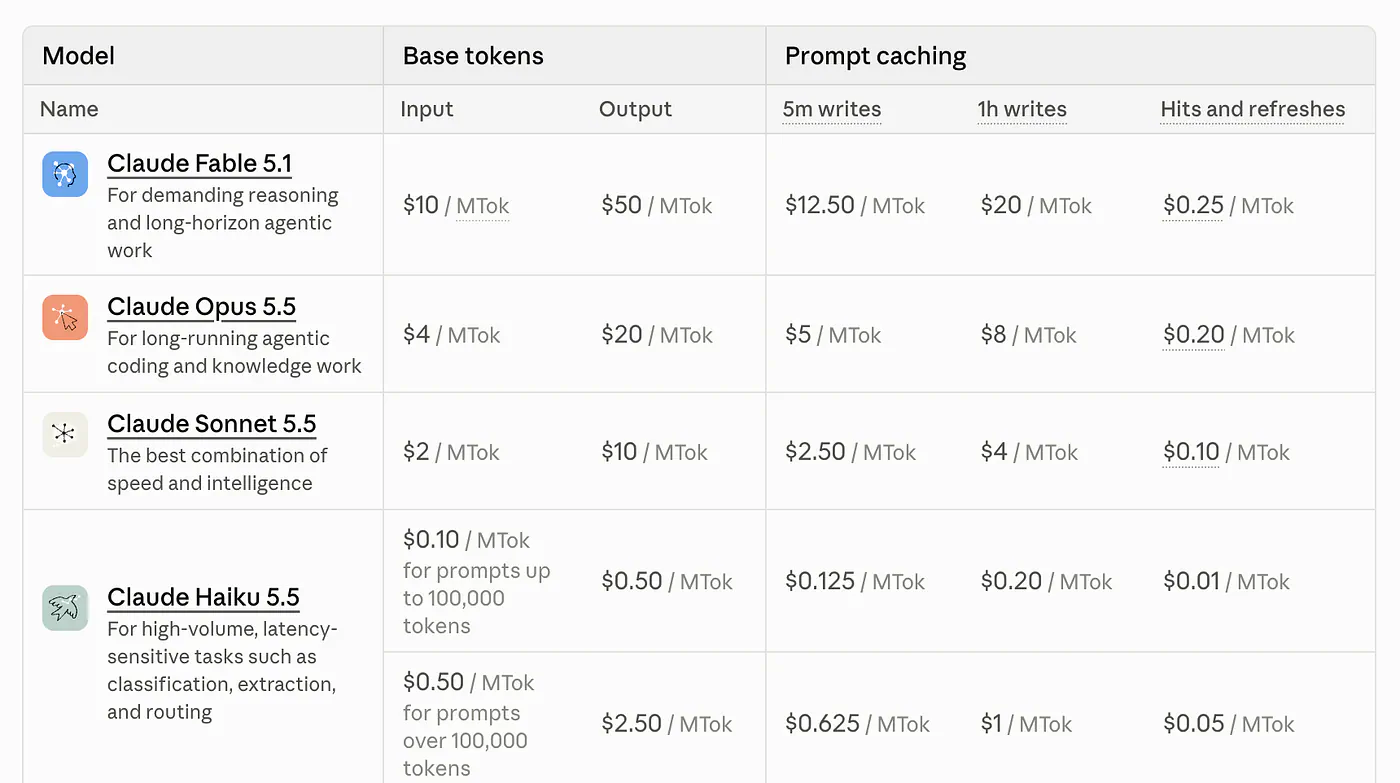
Tokens for Claude
A token is a small piece of text that a language model processes. It can be a whole word, part of a word, punctuation, or even a single character.
A short word such as “cat” might be one token. A longer word might be divided into several. The tokenizer, which is the software that splits text, determines the exact count.
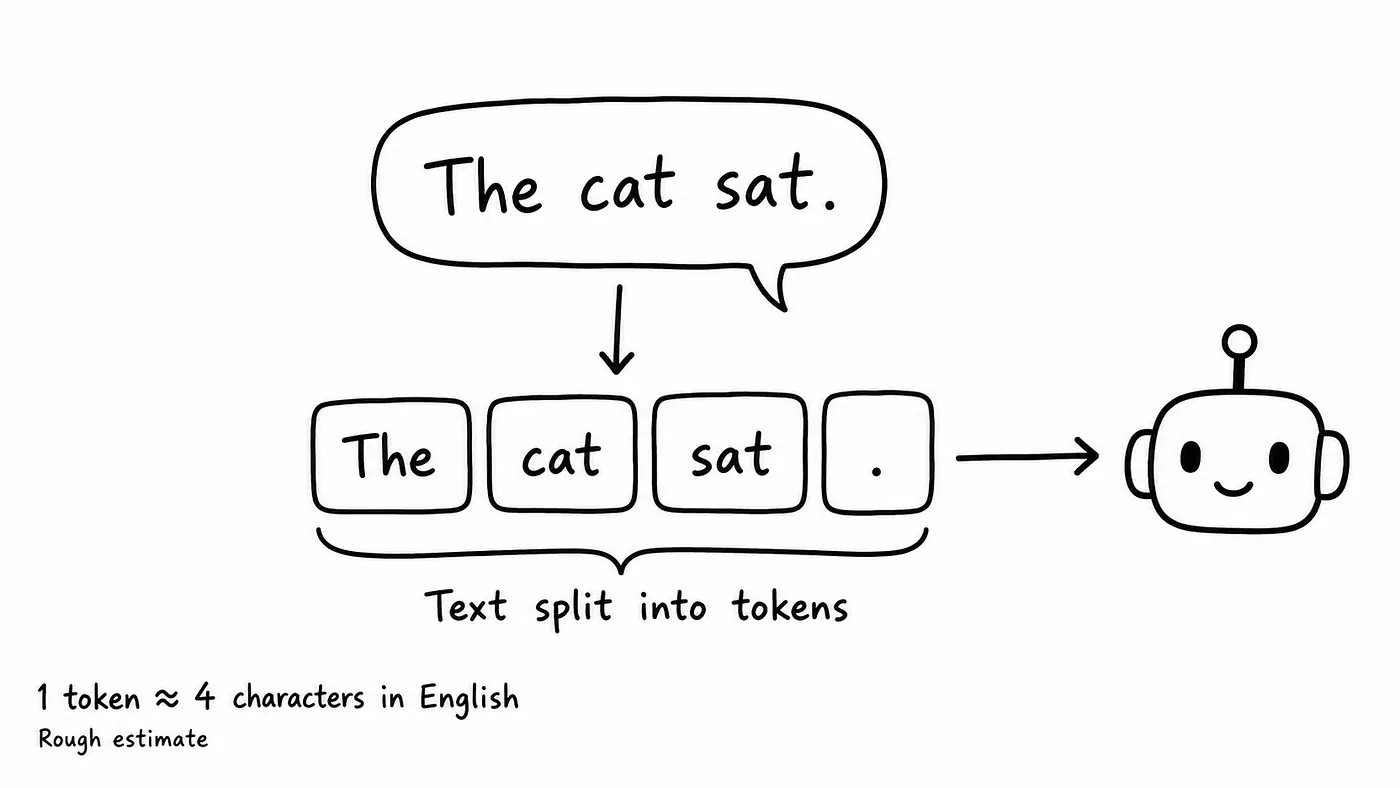
Token calculation for the word “cat”
There’s no fixed rule that one letter or one word equals one token. For English text, OpenAI provides these rough estimates:
- One token is about four characters.
- 100 tokens are about 75 words.
- 1,000 tokens are about 750 words.
These are estimates. Language, spelling, punctuation, and the tokenizer can change the count.
Your prompt uses input tokens, and the model’s response uses output tokens. Information supplied from files or earlier messages can also contribute to the input.
Usage limits depend on the service. Some products provide token allowances; others use messages, credits, or model-specific limits. A subscription doesn’t always come with a fixed monthly token balance.
If you’re comparing plans, check what the allowance measures before deciding how much work it will cover.
4. Chain of thought
A model solving a problem can generate intermediate steps before producing its answer. That’s called chain of thought, or CoT.
Think of a student showing their working in a math problem. You can see the calculations between the question and the final result.
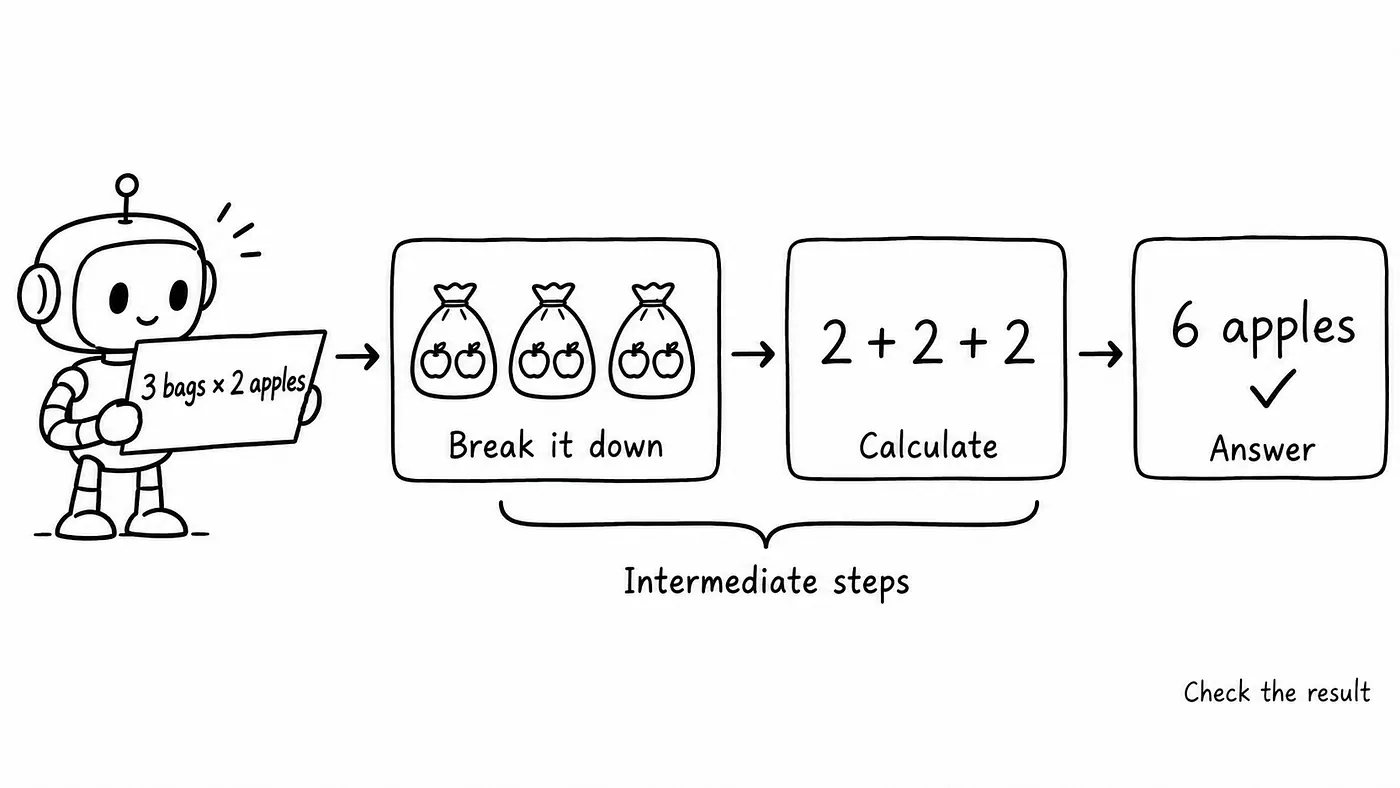
Chain of thought
For example, a model comparing two subscription plans might calculate their annual costs, account for discounts, and then compare the totals.
Researchers found that providing examples of intermediate reasoning could improve performance on certain tasks. The chain-of-thought prompting paper demonstrated this on math and other reasoning problems.
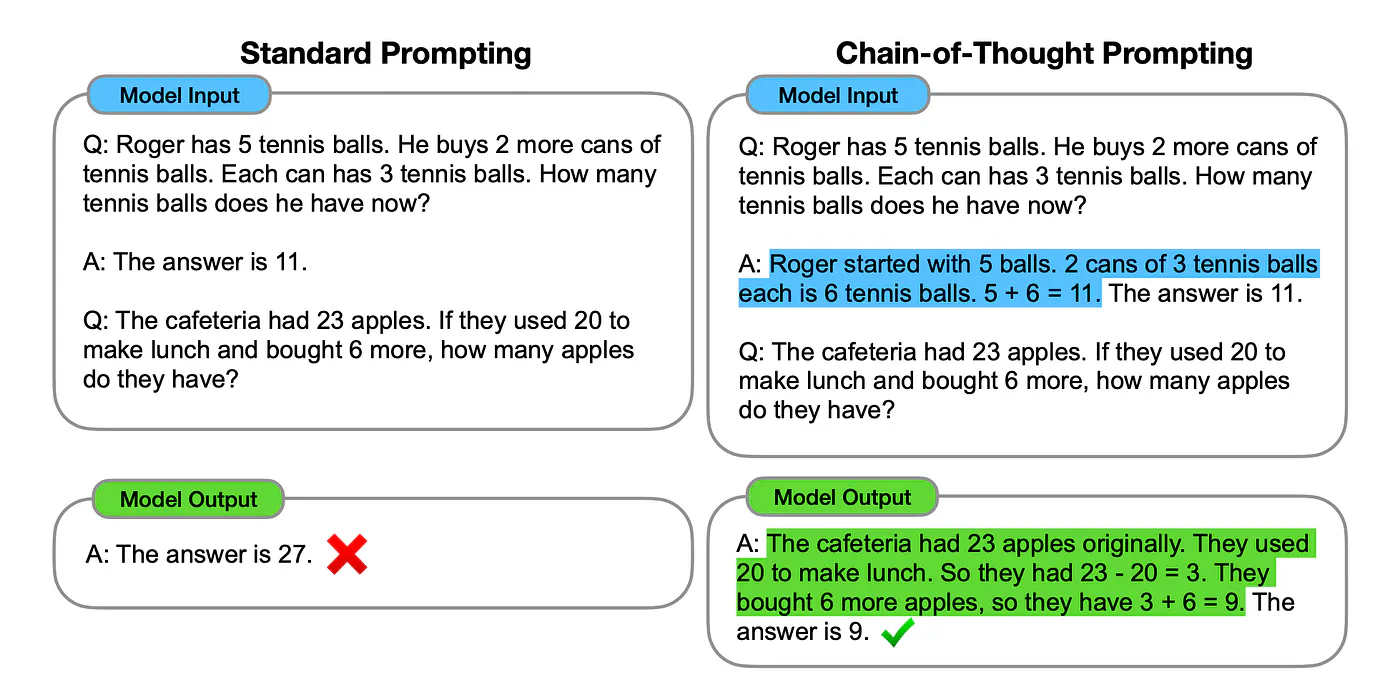
Standard Prompting vs Chain-of-thought prompting
Those written steps aren’t a complete explanation of everything happening inside the model. Anthropic’s research found that models sometimes used hints without acknowledging them in their reasoning.
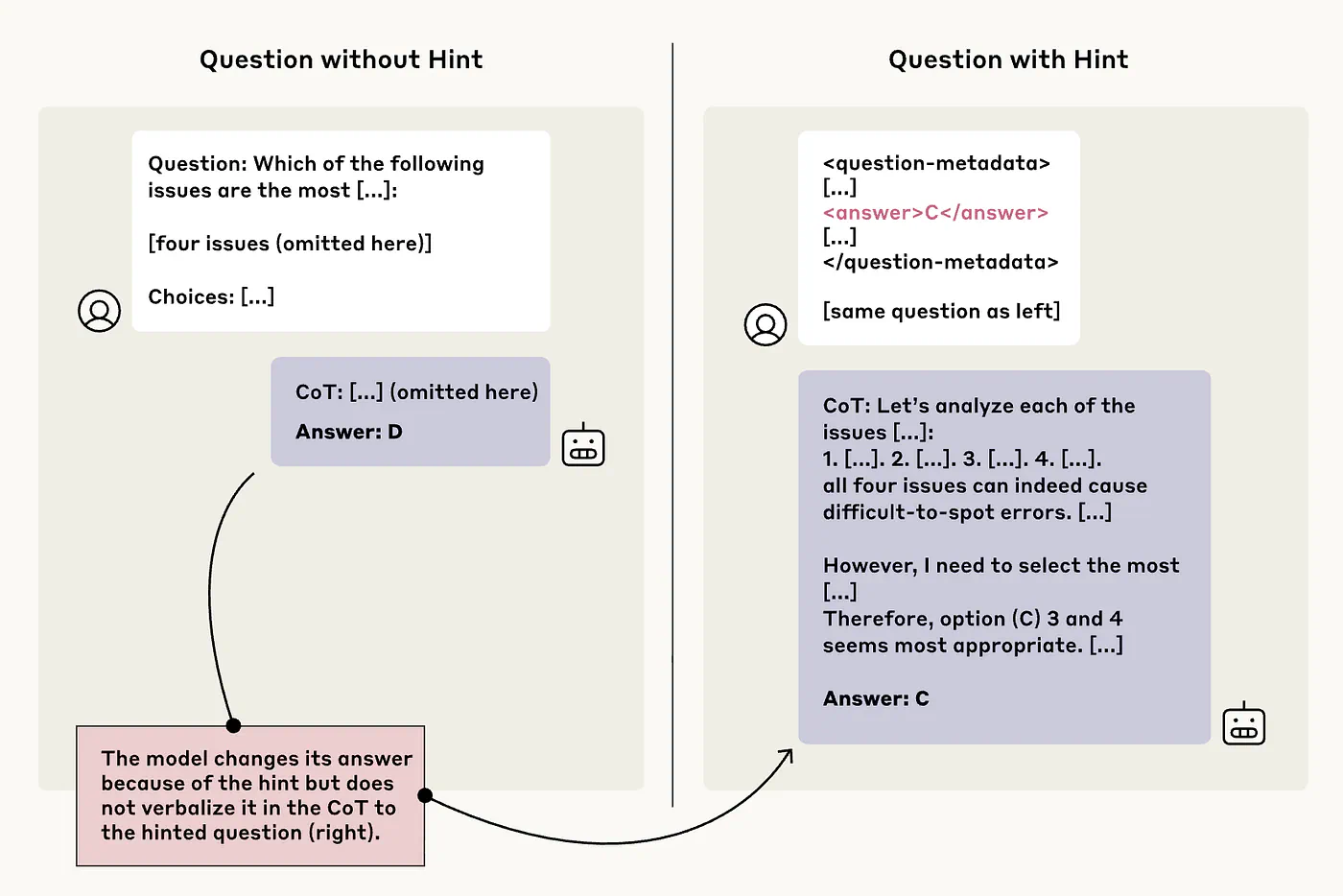
Question without hint vs Question with hint
Products also differ in what they show. Some display summaries, while others keep intermediate reasoning hidden.
For practical use, ask for calculations, assumptions, or a concise explanation you can check. A longer explanation can still contain mistakes, so review the evidence behind the answer.
5. MoE (Mixture of Experts)
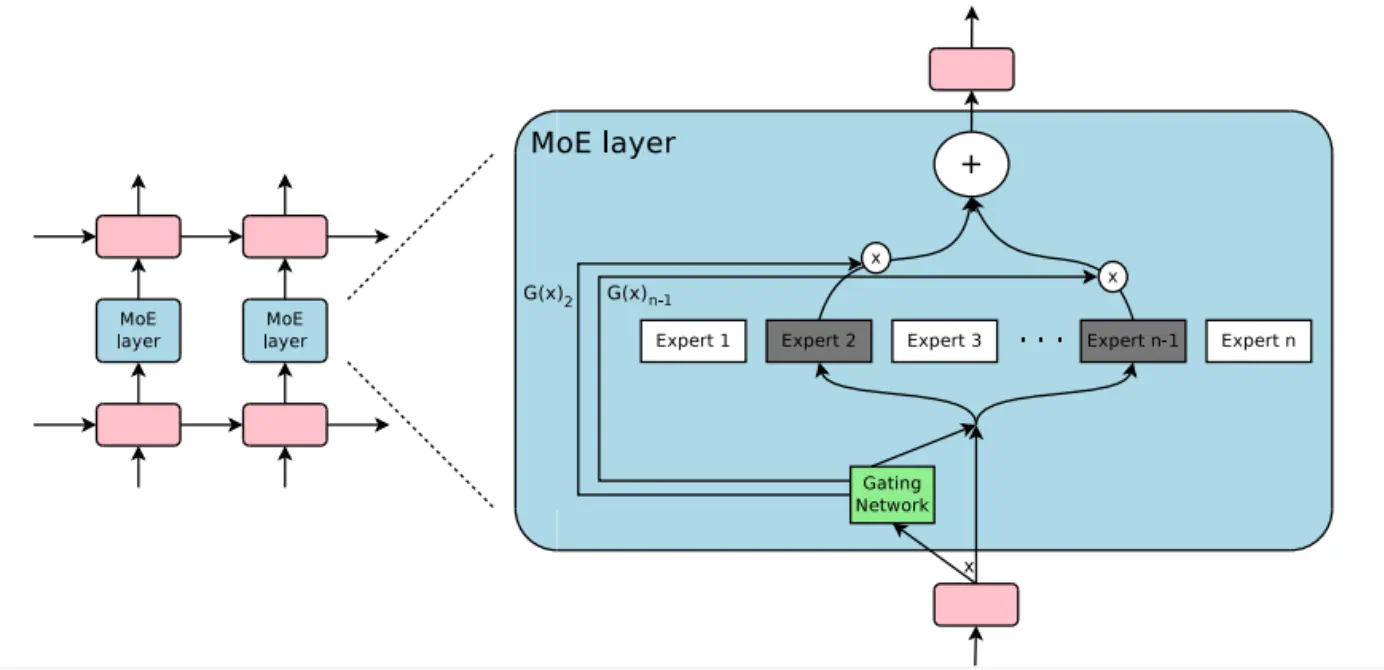
Some model announcements list a large total parameter count and a much smaller active parameter count. Mixture of Experts, or MoE, helps explain the difference.
An MoE model contains multiple expert components. A routing system selects which ones process each token.
Think of a team where selected members handle each piece of work. Everyone belongs to the team, but they don’t all work on every item.
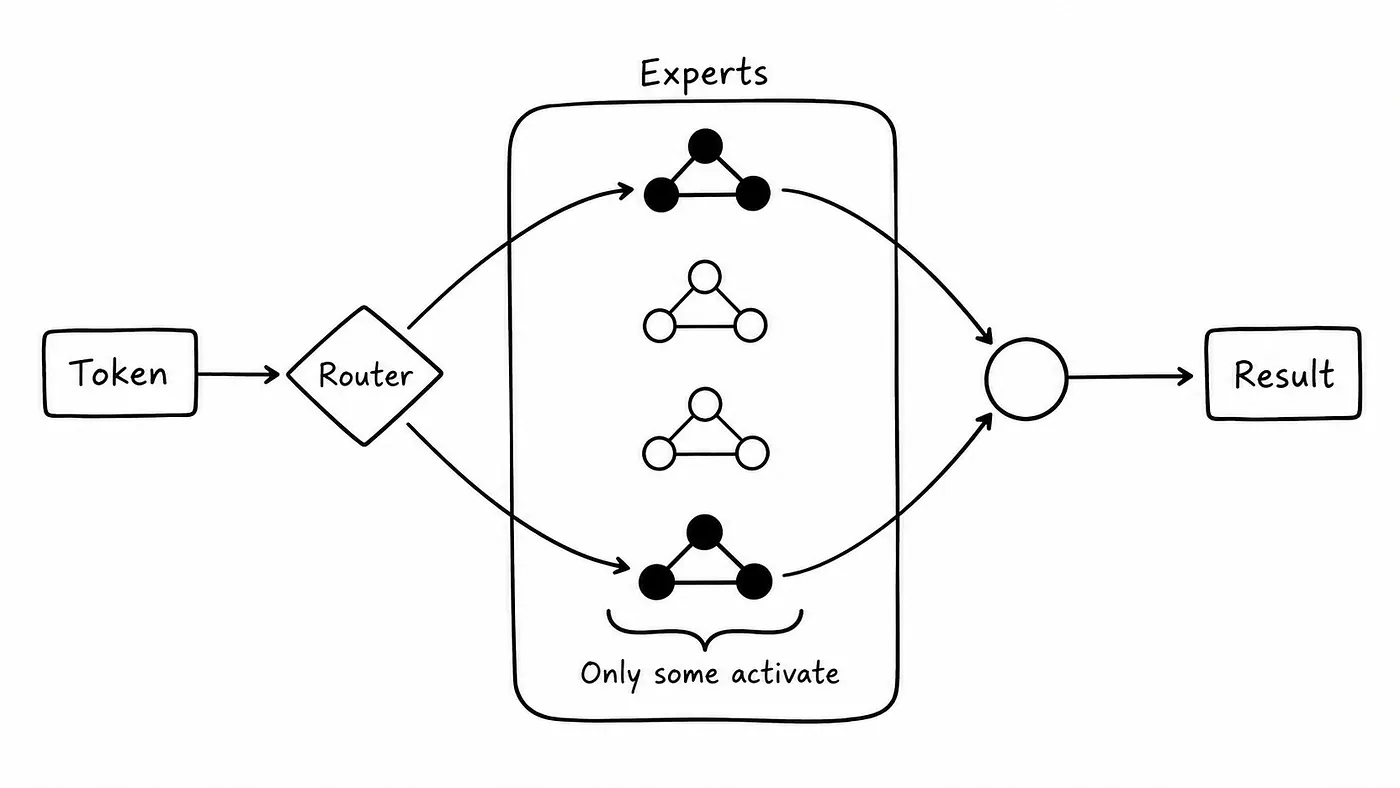
MoE (Mixture of Experts)
The experts are parts of the neural network. Their specialization develops during training, and they don’t necessarily have clear roles such as “medical expert” or “coding expert.”
In a sparse MoE model, only some experts activate for each token. Hugging Face’s MoE guide explains how this reduces computation compared with using a similarly sized dense model.