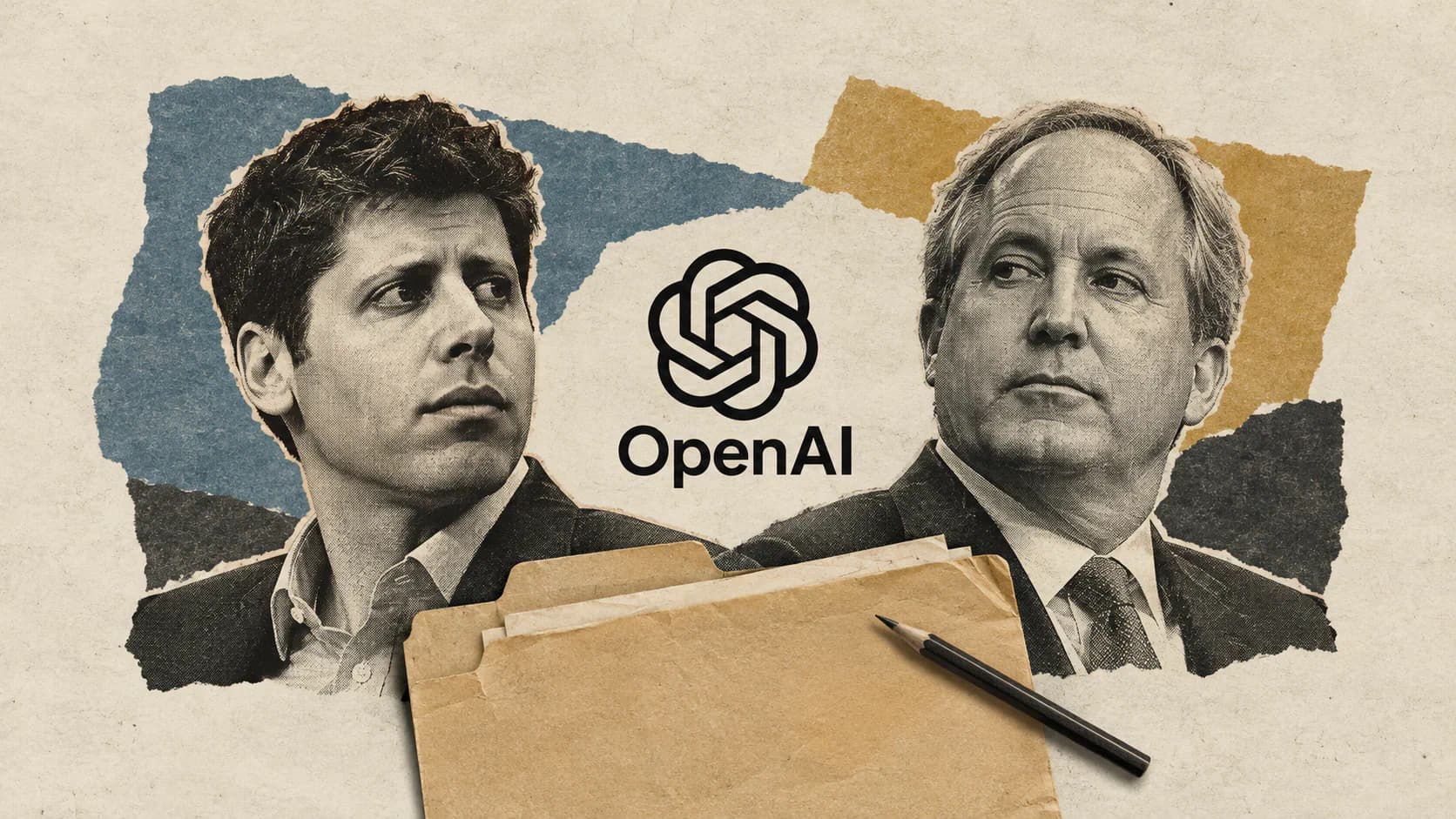
Texas is asking a court to block minors from using ChatGPT and require outside approval before OpenAI releases new models in the state. The lawsuit names both OpenAI and CEO Sam Altman. A judge has not imposed either restriction.
Attorney General Ken Paxton filed the case in Collin County district court on October 23, 2026, according to The Texas Tribune’s reporting. Texas alleges that OpenAI misrepresented ChatGPT’s safety and reliability while failing to adequately protect consumers, particularly children.
The filing does not establish that ChatGPT caused the harms Texas describes. The state is seeking an order that reaches beyond safety messaging to govern who can use the product and how new models become available.
Texas Wants Restrictions on Access and Model Releases
The requested injunction would require OpenAI to block minors’ access to its product and obtain approval from a court-appointed third-party evaluator before releasing new models in Texas, the Tribune reports.
The two requests would affect different parts of OpenAI’s operations. An access restriction would determine who could use ChatGPT; an evaluation requirement would create an outside approval step for model releases. Both go beyond requiring the company to rewrite a warning or qualify a promotional statement.
For Texas users, the proposed access block could have the more immediate consequence. If granted in the form reported, it would restrict minors’ access. The available excerpts do not establish the precise age threshold, exceptions or enforcement mechanism.
Model availability in Texas could also become conditional on an evaluator’s decision, introducing a court-supervised requirement separate from whatever internal release process OpenAI uses.
Texas is therefore seeking operational changes alongside its allegations of misleading marketing. The terms and reach of any eventual order remain unresolved, and the filing itself does not change ChatGPT availability.
Texas Challenges the Gap Between Safety Claims and Safeguards
In its October 23 announcement, Paxton’s office says it is bringing claims under the Texas Deceptive Trade Practices–Consumer Protection Act.
The state’s central allegation is that OpenAI marketed ChatGPT as safe and reliable while failing to protect Texans from risks associated with relying on its responses. It also alleges that consumers were not adequately informed about the possibility of inaccurate or harmful output.
Texas connects that alleged gap to claimed harms including suicide, violence, professional embarrassment and unhealthy reliance by minors. These remain allegations: neither the filing nor the attorney general’s announcement independently establishes them.
The available source excerpts support reporting that Texas disputes the adequacy of protections for children and wants independent evaluation of new models. They do not provide enough detail to identify particular age-verification promises or testing protocols that OpenAI allegedly misrepresented.
Seeking to block minors’ access does not establish how existing age controls operate or which controls failed. Nor does the request for outside evaluation prove that OpenAI conducted no safety testing.
Assessing those claims would require the complaint’s specific representations, supporting evidence and requested terms. A broad characterization of ChatGPT as either “safe” or “unsafe” cannot resolve questions that the available reporting leaves open.
OpenAI Points to Safeguards and Industry-Wide Standards
A spokesperson told the Tribune that OpenAI has worked with experts to mitigate risks and build additional safeguards. The company also said governments have an important role in setting AI safety standards and expressed support for pragmatic policies applying across the AI industry rather than to OpenAI alone.
This is OpenAI’s account of its safety work. It does not independently demonstrate that its safeguards prevent every harm alleged by Texas, and it is not a concession that the state’s claims are correct.
The company’s statement offers no point-by-point answer to the alleged misrepresentations or the requested injunction. Instead, OpenAI pairs its defense of its safety efforts with support for industry-wide government standards.
That leaves the two sides addressing partly different questions. Texas is challenging OpenAI’s representations and seeking company-specific court restrictions; OpenAI is advocating a common policy framework while defending the protections it has added.
The Court Has Not Established Causation or Ordered Changes
No ruling granting the requested injunction or establishing the underlying allegations is reported in the supplied sources. The case remains unresolved.
Marketing representations, the effectiveness of safeguards and responsibility for particular harms are separate questions. Evidence relevant to one would not automatically settle the others. Naming Altman as a defendant likewise does not establish his individual liability.
For readers tracking the AI safety backlash, the practical issue is Texas’s effort to turn consumer-protection allegations into enforceable limits on access and model releases. The lawsuit itself does not prove ChatGPT dangerous.
A court decision on whether restrictions are warranted, and on their exact terms, would determine whether those demands become enforceable rules. Until then, the proposed access block and outside approval requirement remain requests in litigation.