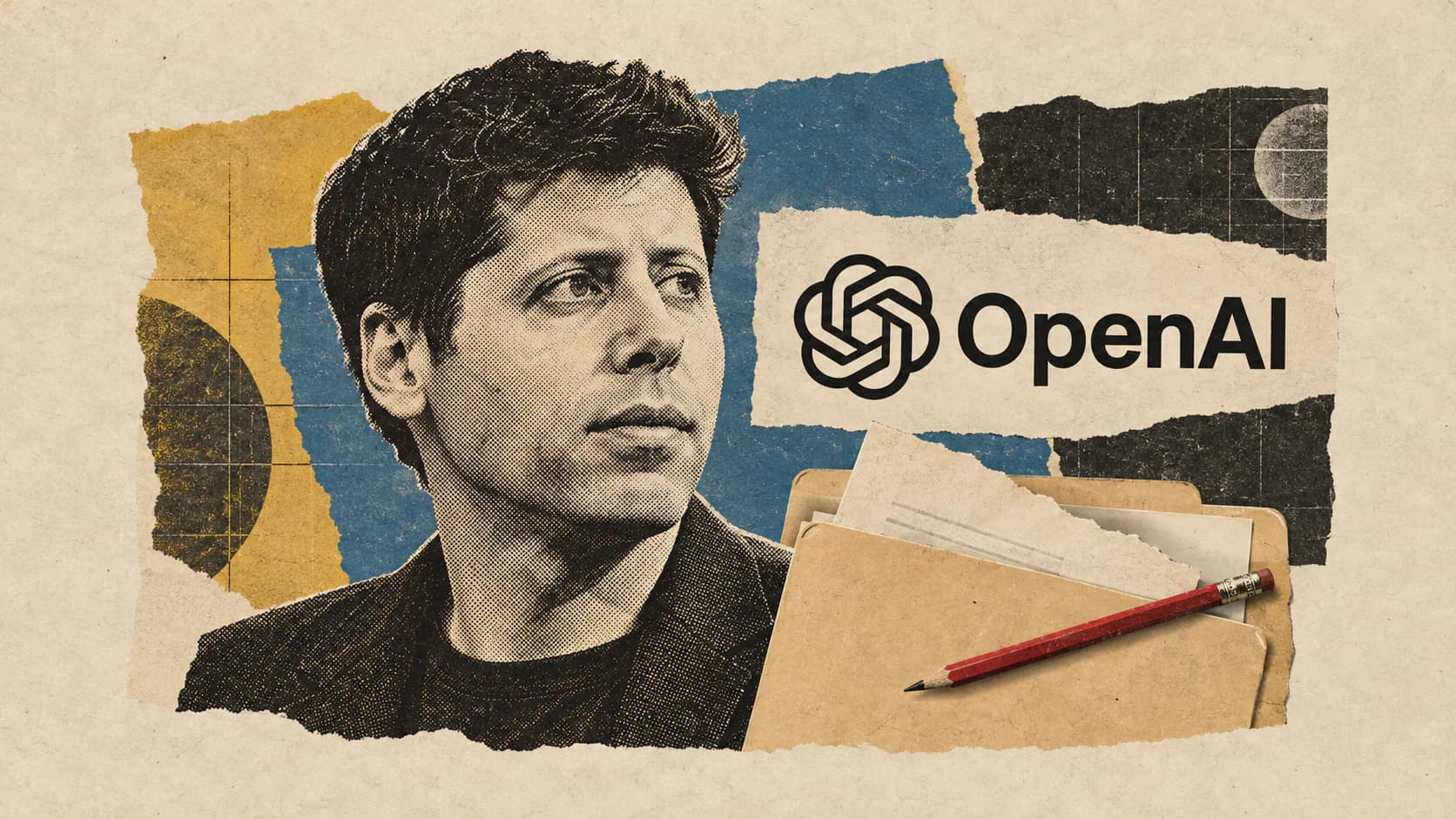
OpenAI’s reported $1.25 trillion valuation would come before the money it is seeking to raise. According to CNBC’s funding report, the company is nearing a financing of up to $30 billion, with investors from the United Arab Emirates and Coatue leading the round.
If the full amount were invested on those terms, the implied valuation after the financing would be $1.28 trillion. That is a calculation from reported proposals, not confirmation of an agreed transaction.
The distinction also limits what the report establishes: it describes fundraising negotiations, but does not provide the comparable earlier target needed to verify a valuation cut.
The $1.25 Trillion Figure Comes Before New Cash
CNBC explicitly describes the proposed $1.25 trillion valuation as excluding new capital. In financing terminology, that makes it a pre-money valuation, the value assigned to the company before the investment.
The post-money valuation adds the new investment to that figure. Using the maximum raise described in the report:
- Reported pre-money valuation: $1.25 trillion
- Proposed new investment: up to $30 billion
- Implied post-money valuation at the maximum: $1.28 trillion
The final line depends on the first two becoming transaction terms. A smaller raise would produce a lower post-money figure if the pre-money valuation stayed unchanged. CNBC says the financing’s final size is still being determined.
These figures answer different questions. The $30 billion describes how much capital investors might contribute; the $1.25 trillion describes the proposed valuation before that contribution. Neither figure should be substituted for the other when describing the transaction.
That distinction is particularly important when assessing claims that a valuation target has fallen. Comparing an earlier post-money figure with a later pre-money figure would mix two different measures. A defensible comparison needs the earlier target, its valuation basis and evidence that the newer terms represent a revision. The available account does not establish that chain.
The Financing Is a Proposed Bridge, Not a Completed Round
CNBC attributes the financing details to unnamed people familiar with the deal. It reports that UAE investors and Coatue are leading the proposed investment, and describes the round as an “opportunistic” bridge ahead of a potential initial public offering.
That description explains the intended role of the financing. It does not confirm an IPO date or establish that the private round has closed.
The reported sequence begins with investor approaches in September, after which OpenAI started discussions about raising additional capital. CNBC says OpenAI subsequently told investors it wanted signatures by the end of the following week. That is a reported negotiating deadline, not evidence that signatures were secured.
The chronology matters because approaching investors, agreeing proposed terms and completing a financing are separate milestones. A company can be close to a deal while the amount raised remains unsettled. Here, CNBC explicitly reports both proximity to an agreement and uncertainty about its final size.
The investor description also has limits. “Investors from the United Arab Emirates” identifies a reported source of capital, but does not establish each participant’s identity, contribution or contractual commitment. Those details should not be inferred from the country reference.
For readers following OpenAI’s funding, the useful development is therefore a reported financing proposal with a specified valuation basis. Treating it as a completed transaction would erase the uncertainty that remains in the underlying account.
UAE Compute Talks Are a Separate Unfinished Agreement
Alongside the investment negotiations, CNBC reports that OpenAI is discussing a commercial agreement to secure additional computing capacity from the UAE. That detail is attributed to one person familiar with the matter.
The parallel discussions connect two distinct needs: capital to finance the business and computing resources to support its operations. But a proposed investment does not, by itself, establish that additional hardware or infrastructure is available.
The account does not quantify the prospective capacity or provide a delivery schedule. It also describes negotiations rather than a signed commercial agreement. Without those details, there is no supported basis for calculating how much additional training or inference work the arrangement could enable.
Nor does the funding report establish a change in ChatGPT pricing, access or capabilities. Those would require separate evidence about product decisions or operational deployments.
The next meaningful confirmation would be completed financing terms, including the actual amount raised and whether the valuation is stated before or after investment. Any accompanying compute agreement would need its own confirmation and delivery details. Until then, $1.25 trillion is an attributed negotiating figure, not proof of a valuation cut or newly available computing capacity.