OpenAI CEO Sam Altman says society should accept some AI-enabled harms rather than eliminate them through restrictions that sharply limit people’s access to the technology.
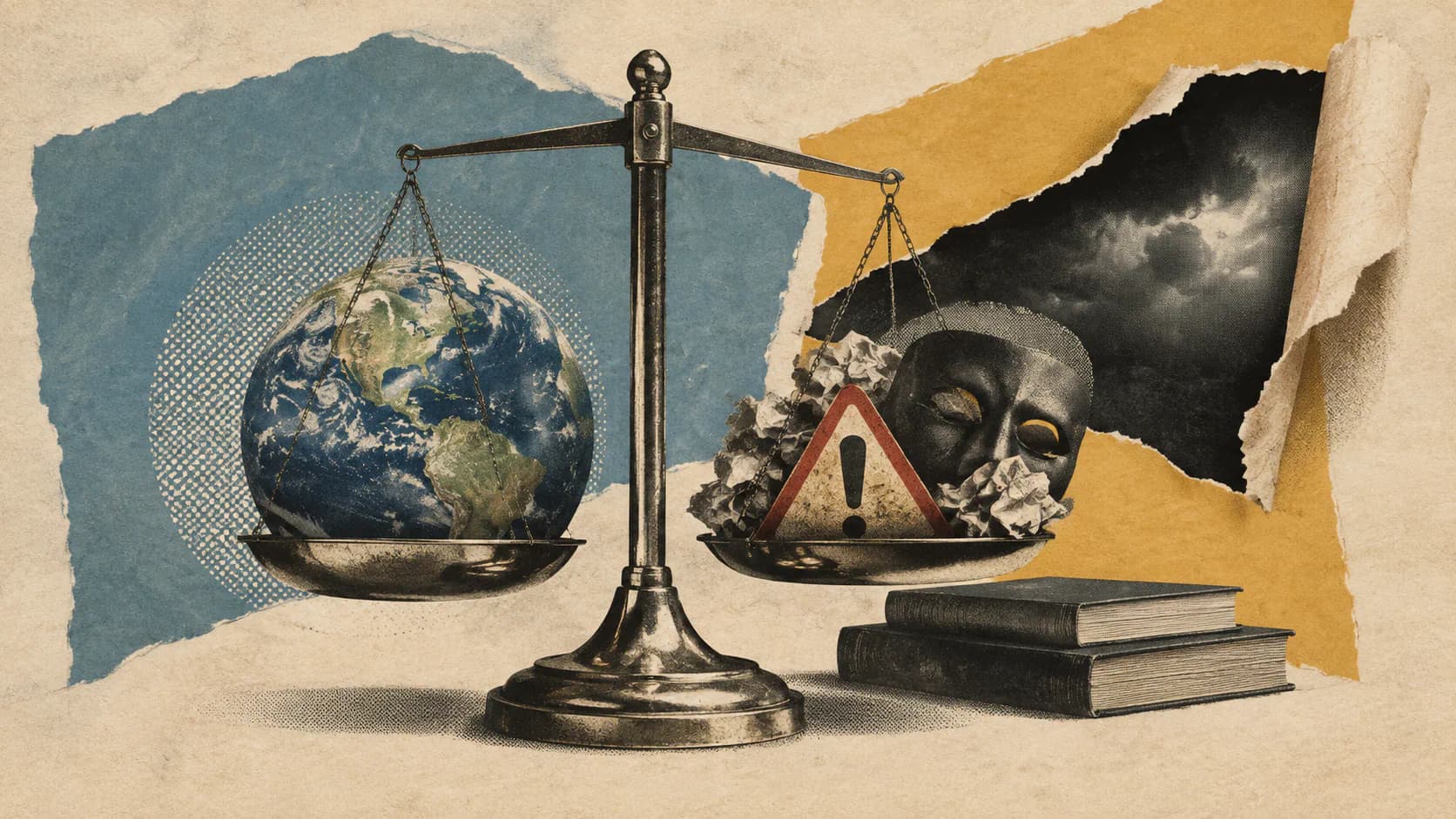
“We believe that the world should accept some bad things happening for the benefits of this technology and people having the agency,” Altman told Politico’s Decoded podcast, according to The Next Web’s account of the interview.
The remarks, reported by The Verge on October 5, 2026, identify hacks, scams and misuse as harms Altman would not try to eliminate by tightly restricting access to advanced AI. He described that calculation as an important difference between OpenAI and Anthropic.
But Altman drew a separate boundary around serious loss of human control over AI, which he said the world should not accept. His argument therefore rests on distinguishing harmful uses of a broadly available technology from systems that humans can no longer reliably control. The consequential question is how OpenAI would translate that distinction into enforceable limits.
Altman Treats Broad Access as a Safety Consideration
Altman’s position goes beyond predicting that AI will sometimes cause harm. He argues that preserving access and individual agency can justify accepting harmful outcomes.
According to The Verge’s reporting, he expects people to do “orders of magnitude” more good than bad with AI. That is his forecast about the technology’s benefits, not a demonstrated benefit-to-harm calculation. The reported remarks do not provide a quantified estimate or explain how different kinds of harm should be weighed against beneficial uses.
His concern is that attempts to prevent every bad outcome could create another danger: concentrating control over AI.
“If we do too much to restrict this technology in the name of safety, and we end up with a small number of companies or people, or perhaps one country, that have too much power over this, that also is a way that this can go horribly wrong,” he said in The Verge’s interview coverage.
That makes access part of Altman’s safety argument. On his account, the risks of misuse must be considered alongside the risks of giving a small group exclusive control over powerful systems.
It also explains why describing his position as simply opposing regulation would be inaccurate. Altman said stronger rules were still needed and characterized OpenAI as “pragmatic centrists,” positioned between Anthropic’s more cautious approach and those favoring little or no regulation.