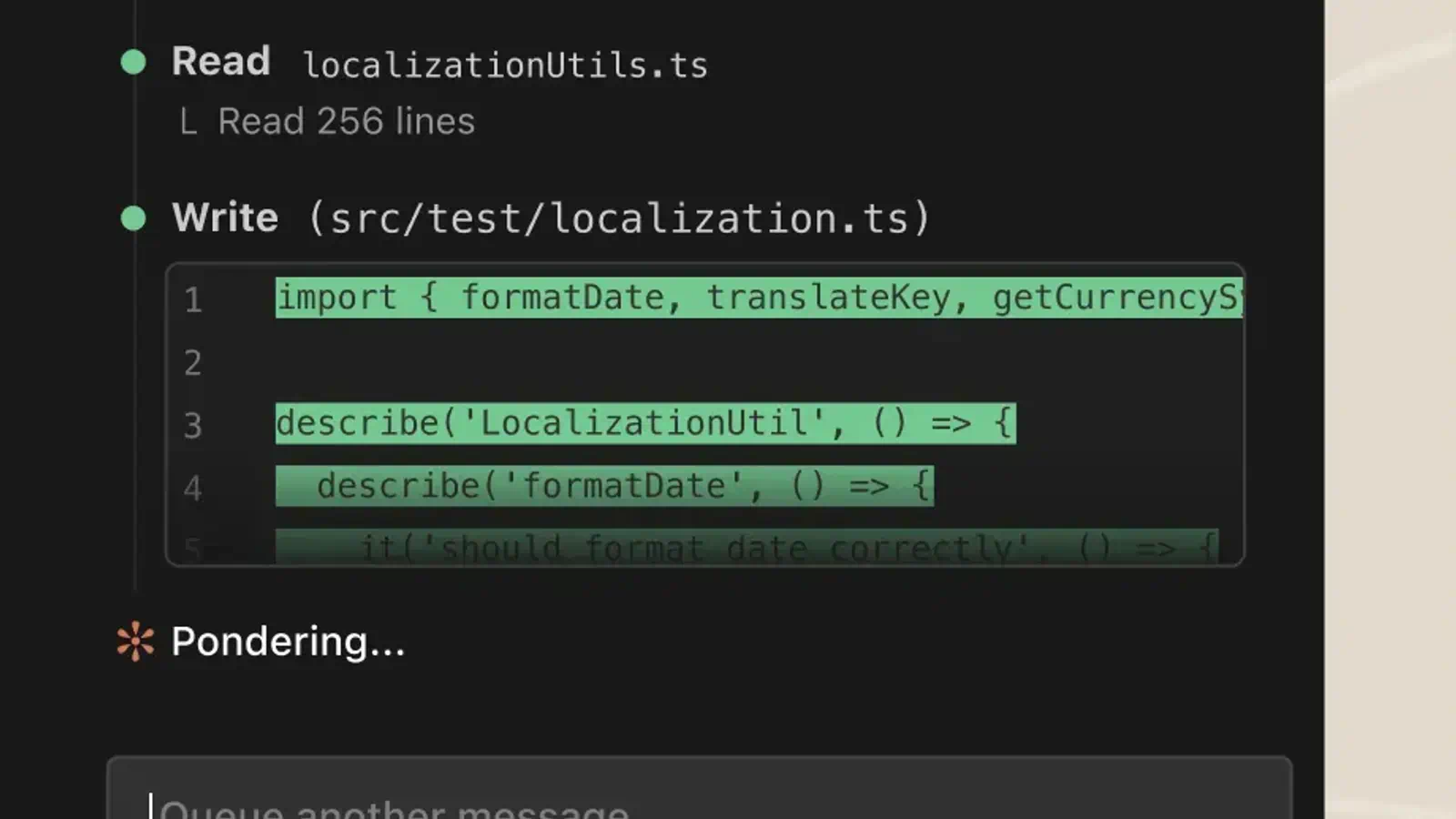
If you're stuck on Claude vs ChatGPT, you've probably noticed that both charge the same price at the entry paid tier and both claim to write, research, and code. The real differences sit lower down: which models you get, how limits reset, whether you can make images, and where each app runs.
We compared Anthropic's and OpenAI's own pages as of November 22, 2026: the two pricing and plan-comparison pages, the model catalogs, Anthropic's help article on limits, OpenAI's Images 2.6 release, and each company's coding and download pages. Nobody at Zeniteq ran benchmark prompts for this piece, so every claim below points to the vendor page it came from.
This guide is for anyone choosing one assistant to pay for (or choosing which free tier to live in). The seven differences aren't ranked. Each one ends with who it favors, and by the end you should know which plan fits the way you actually work.
1. Model lineups: four Claude tiers vs a wider GPT menu
Best for: People who want to know exactly which model answers them.
Anthropic keeps its current lineup short. Its models page lists four current models: Claude Fable 5.2 for demanding reasoning and long-horizon agent work, Claude Opus 5.5 for long-running coding and knowledge work, Claude Sonnet 5.5 as the speed-and-intelligence middle, and Claude Haiku 5.5 for high-volume tasks. Anthropic tells developers to start with Opus 5.5 for most workloads.
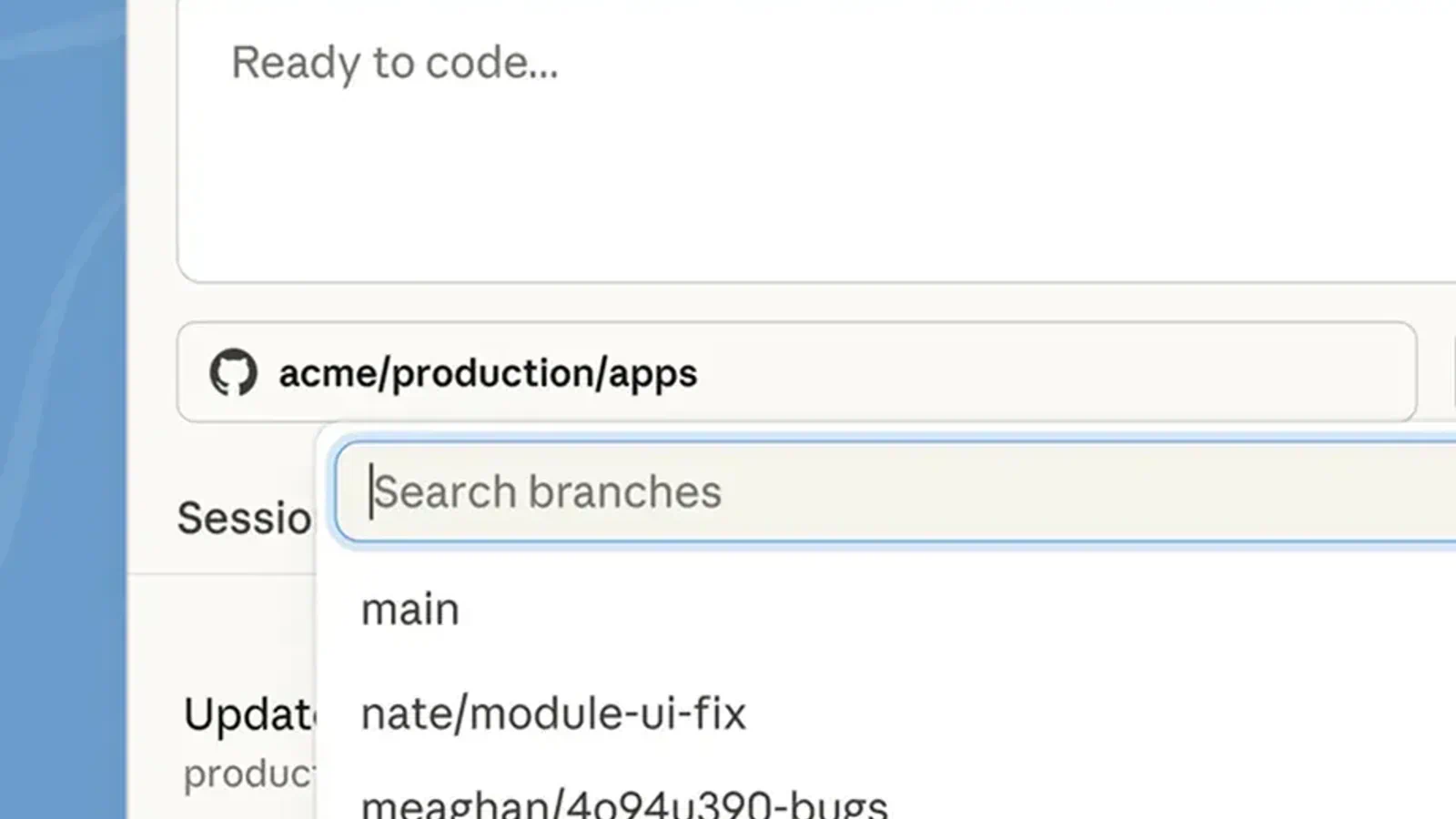
OpenAI's menu is longer. Its API docs name GPT-6.2 Astra as the flagship for complex reasoning and coding, GPT-6.2 Sol as the balance of intelligence and cost, GPT-6.1 Terra for fast visual reasoning and computer use, and GPT-6 Luna for cheap, high-volume work. Inside ChatGPT, the plan table lists more than half a dozen picks, from GPT-6 Luna on Free to GPT-5.6 Sol Pro on Pro.
What the Claude lineup gives you:
- Same context everywhere: All four current models have a 1M-token context window and 128K-token maximum output.
- Recent knowledge: Each lists a reliable knowledge cutoff of June 2026.
- Clear price steps: API prices run from Haiku at $0.10 per million input tokens up to Fable at $8.
- Text out only: Every current Claude model takes text and images in and returns text.
That uniformity is pleasant if you hate guessing. A long contract or a messy codebase fits in the same window whether you pick Sonnet or Opus, so the choice comes down to speed and depth.
ChatGPT's breadth cuts the other way. You get more specialized options (a dedicated Pro reasoning mode and separate instant and reasoning models), but you also get a picker that changes by plan. Free users mostly see GPT-6 Luna, while Plus unlocks GPT-6.1 Sol, GPT-6 Astra, and GPT-6 Sol. If you like tuning which brain handles which job, that's a plus. If you just want "the good one," Claude's four-name list is easier to read.
Before you commit, open the model picker on the free tier of each and check which models your plan actually shows, since both companies change names often.
2. Pricing: same $20 entry, different paths up and down
Best for: Budget-minded buyers comparing the full plan ladder.
At the entry paid tier the two are even. Claude Pro costs $20 a month billed monthly, or $17 a month with an annual plan ($200 up front). ChatGPT Plus costs $20 a month for US buyers, or about $16.67 a month on annual billing.
The ladders split below and above that point:
| Tier | Claude | ChatGPT |
|---|---|---|
| Free | Free, limited usage every 5 hours and every week | Free, unlimited text chats with GPT-6 |
| Budget | No equivalent | Go at $8 a month, may include ads |
| Standard | Pro at $20 a month | Plus at $20 a month |
| Heavy use | Max at $100, Ultra at $200 | Pro tiers from $100 to $500 |
| Small teams | Team at $25 a seat monthly | Business at $25 a seat monthly |
ChatGPT's $8 Go plan is the clearest gap. If you need more messages, uploads, and image creation than Free but can't justify $20, Claude has nothing in that slot. OpenAI does say Go "may include ads," so you're paying less partly with your attention.
At the top, both bundle API credits now. Claude's Max plan includes $100 a month in API credits and Ultra includes $200, plus Ultra drops the five-hour limit for verified accounts. ChatGPT Pro comes in three usage tiers (Pro 100, Pro 200, and Pro 500 in OpenAI's own wording) with monthly API credits that scale with the tier.
Team pricing is close to identical. Claude Team runs $20 a seat on annual billing and supports 2 to 150 people; ChatGPT Business also lists $20 a seat annually and $25 monthly. Claude's Enterprise plan adds a twist: a $20 seat price plus usage billed at API rates, with a 20-seat minimum.
One catch: ChatGPT's pricing page shows local currency, so check the figure your own region sees before budgeting.
3. Usage limits and context windows
Best for: Heavy users who hit walls mid-project.
This is the difference that surprises people most. Claude meters you with two clocks. Anthropic's help center says paid plans have a session limit that resets every five hours and weekly limits that reset at a fixed time each week. Everything shares one pool: chat, Claude Code, and the desktop app all draw from the same allowance.
ChatGPT frames its limits differently. Its plan table promises unlimited everyday text chats on every plan, subject to abuse guardrails, while metering the heavier features (uploads, deep research, image creation, Codex) by plan.
Where the two really diverge is working memory, the amount of text the assistant can hold in one conversation:
- Claude, paid plans: The newest models support up to a 1M-token context window, and other models 500K or 200K.
- ChatGPT Free: A 27K-token window for instant answers, about 12 pages of input.
- ChatGPT Go and Plus: 54K for instant answers and 256K for reasoning models (roughly 320 pages of input).
- ChatGPT Pro: 128K instant and 400K reasoning, or about 680 pages.
If you paste whole reports, transcripts, or codebases, Claude's bigger window is the deciding fact. Anthropic also says Claude automatically summarizes earlier messages when a long chat nears the limit (with code execution turned on), so you can keep going instead of starting over.
The trade-off shows up in daily rhythm. On Claude, a long session with a big file can burn through your five-hour budget faster, and the help article warns that limits depend on chat length, model, features, and effort. Anthropic also reserves the right to adjust limits to manage capacity. On ChatGPT, casual chatting rarely stops you, but long documents get trimmed sooner.
Watch your own pattern for a week. If you send many short messages, ChatGPT's model suits you; if you send a few huge ones, Claude's does.
4. Image generation: built into ChatGPT, absent from Claude
Best for: Marketers, creators, and anyone who needs visuals on demand.
ChatGPT makes images and Claude doesn't. OpenAI shipped Images 2.6 on November 4, 2026 across ChatGPT, Codex, and the API, and says it's available on all subscription tiers on desktop, mobile, and web. Anthropic's model docs list text output only for every current Claude model.
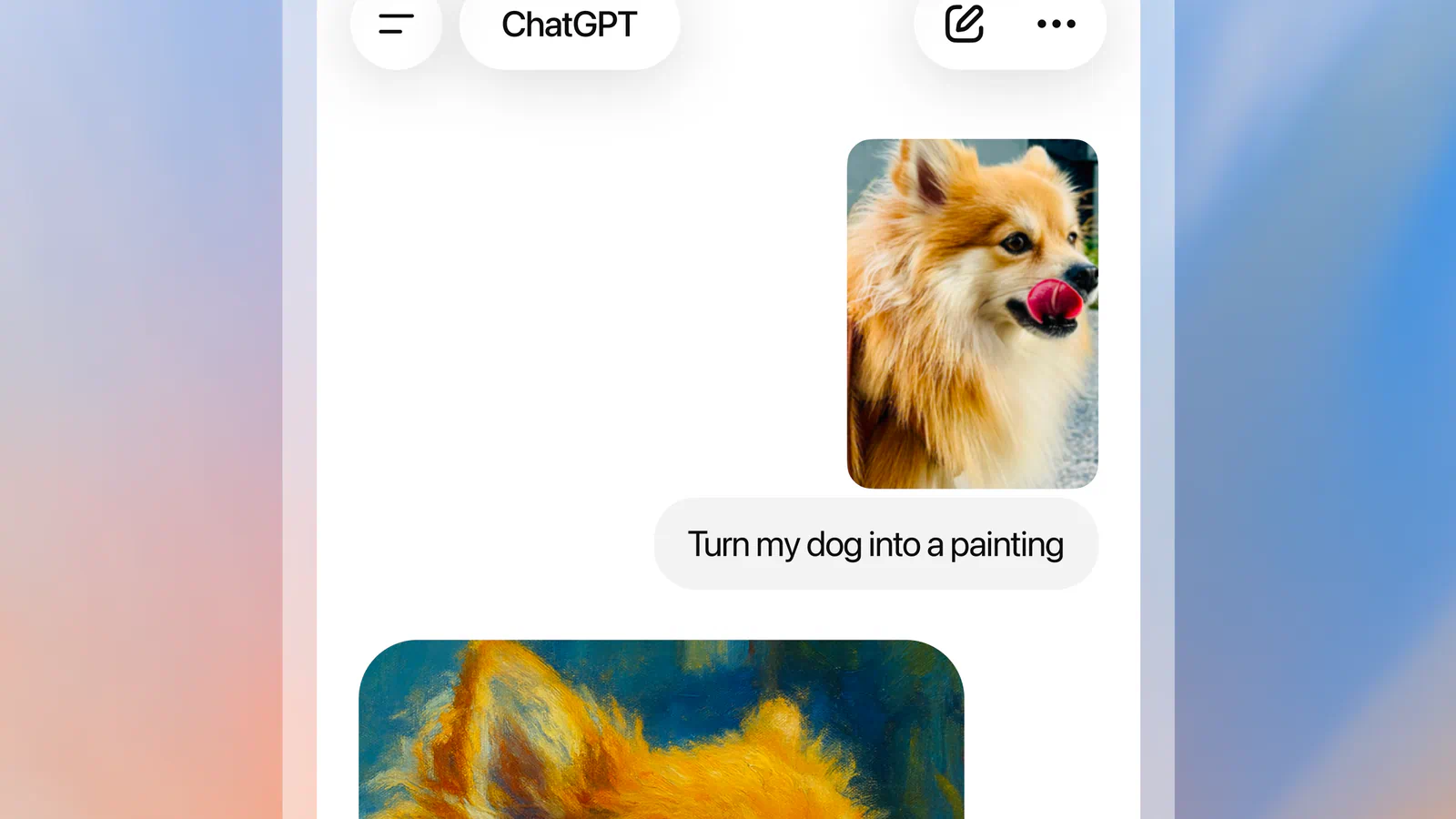
What OpenAI says Images 2.6 adds:
- Speed: Images generate 50% faster than before.
- GIFs: You can animate a mascot, a product shot, or a storyboard into a looping clip.
- Consistent edits: OpenAI says characters, products, and brand details stay consistent across editing rounds.
- Scale: People create about 4 billion images a week across ChatGPT, Codex, and the API.
For a small business owner, that means one chat can draft the product description and the product shot. ChatGPT's plan table lists limited image generation on Free, full access from Go up, and "image generation with Thinking" from Plus up, so a $20 plan covers most social-media and blog needs.
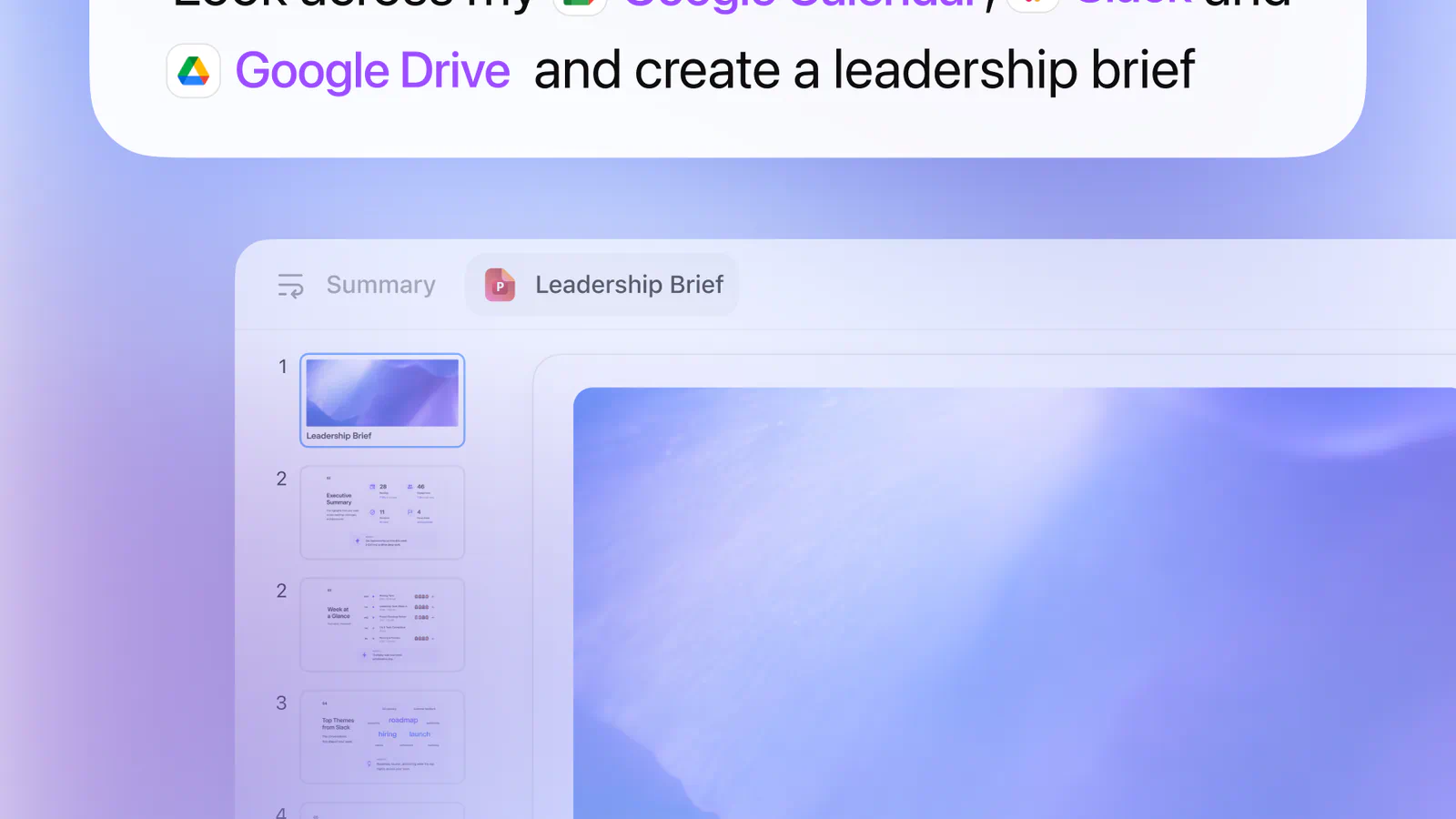
Claude handles visuals another way. It builds slides, documents, and designs as files and Artifacts (interactive pages it writes in code), and its plan table lists Claude Design, Slides, and Docs on every tier. That's useful for a pitch deck or a chart, but it won't paint a watercolor portrait or create a photoreal product mockup.
If images matter weekly, ChatGPT is the simpler pick. If they matter twice a year, a free image tool next to Claude may cover you, so test that pairing before paying for two subscriptions.
5. Tools: Claude's connector marketplace vs ChatGPT plugins
Best for: People who want the assistant working inside their existing apps.
Both assistants now plug into your other software, but Claude puts its directory front and center. Anthropic's marketplace lists 1,205 connectors and 539 plugins, with "Anthropic verified" badges on big names like Google Drive, Gmail, Notion, Microsoft 365, Figma, Slack, HubSpot, Asana, and Linear.
A few that show the range:
- Gmail: Draft replies, summarize threads, and search your inbox.
- Canva: Search, create, autofill, and export Canva designs.
- Atlassian: Search and update Jira and Confluence with your existing permissions.
- Playwright: Browser automation and end-to-end testing for developers.
Connectors come with every Claude plan, Free included, according to Anthropic's plan table. That's a real draw if your work lives in Drive, Slack, and a CRM: you can ask Claude to pull last week's numbers and turn them into a deck without copying anything by hand.
ChatGPT covers similar ground under a different name. Its plan table lists plugins on every plan, the ability to create and share plugins from Go up, custom GPTs from Plus, and a built-in browser on all tiers. Pro adds Dots, which OpenAI calls an always-on agent. ChatGPT also lists extras such as Health, Finances, and study mode that don't appear on Claude's plan table.
The fair read is that both are deep enough for most offices. Claude's directory is easier to browse before you sign up, and ChatGPT spreads its tool features across more plan tiers. Look up the three apps you use most in each catalog and confirm they have a verified integration, since a missing CRM or project tool will hurt more than any headline count.
Frequently Asked Questions
5 questions
1Is Claude better than ChatGPT?
No single winner exists; Claude and ChatGPT lead in different areas. Claude has the larger context window and a big connector directory, while ChatGPT has image generation, a cheaper $8 tier, and a free coding allowance.