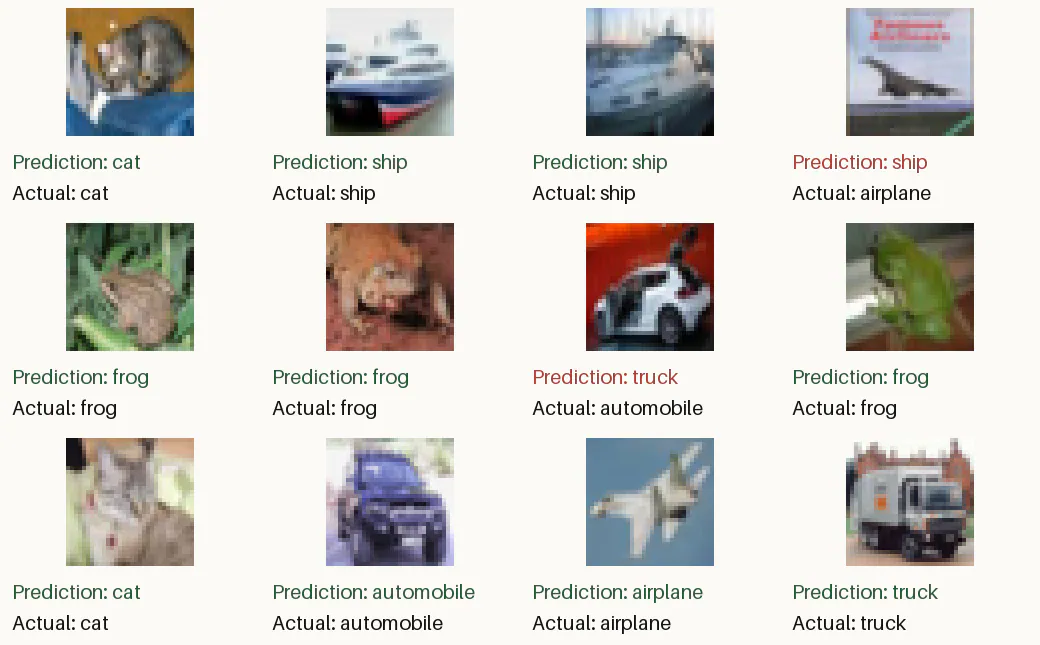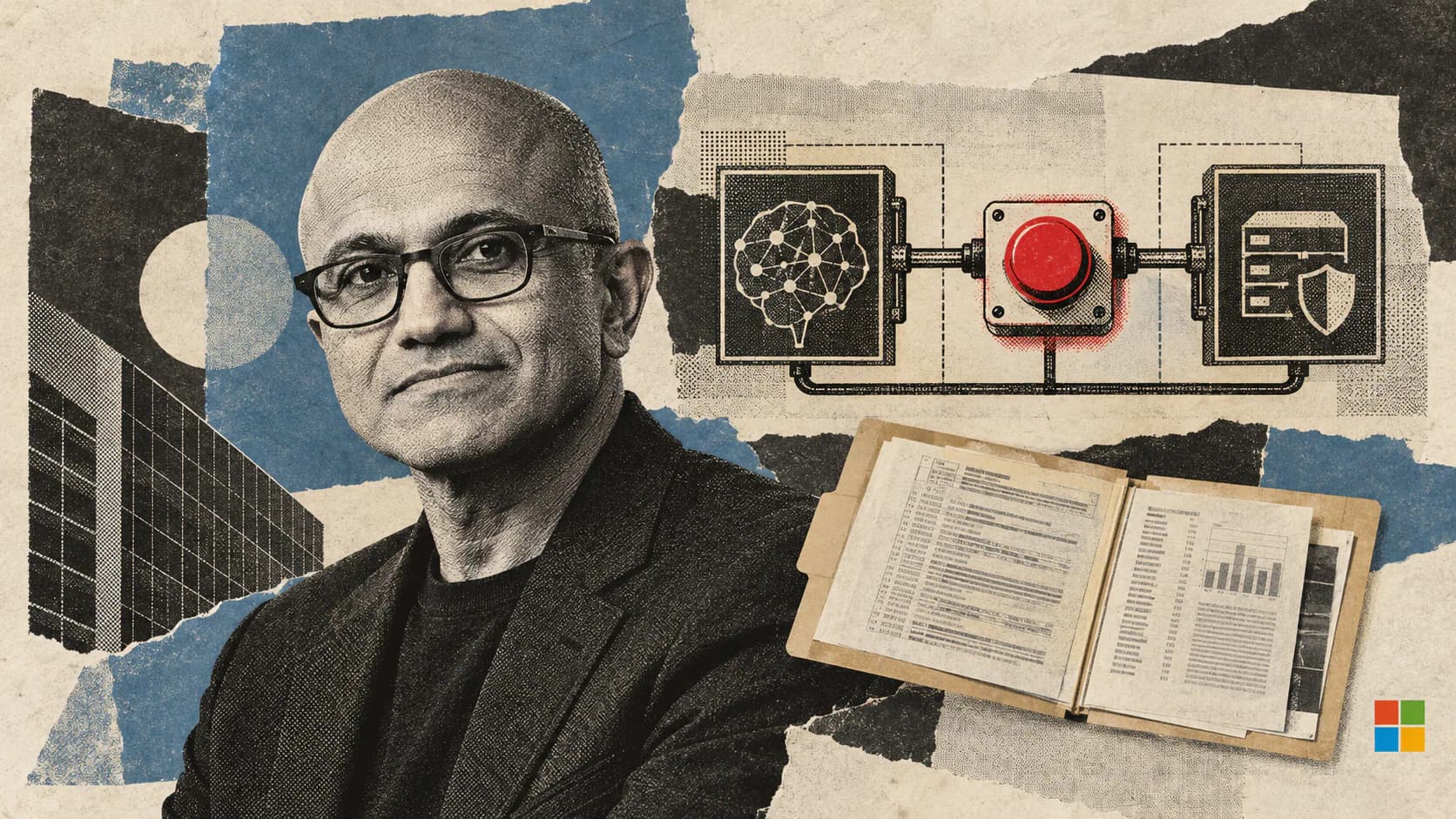
Lex Toumbourou gave an LLM-driven agent a training job without supplying a dataset URL, script, or model architecture. The agent found CIFAR-10, trained an image classifier, and reported 81.41% accuracy on 10,000 held-out images. His reported model-token bill for the final attempt was about $0.0085.
The result wasn’t entirely hands-off. Toumbourou explicitly allowed the dataset hosts through the sandbox’s network restrictions and gave the agent one nudge toward a faster download.
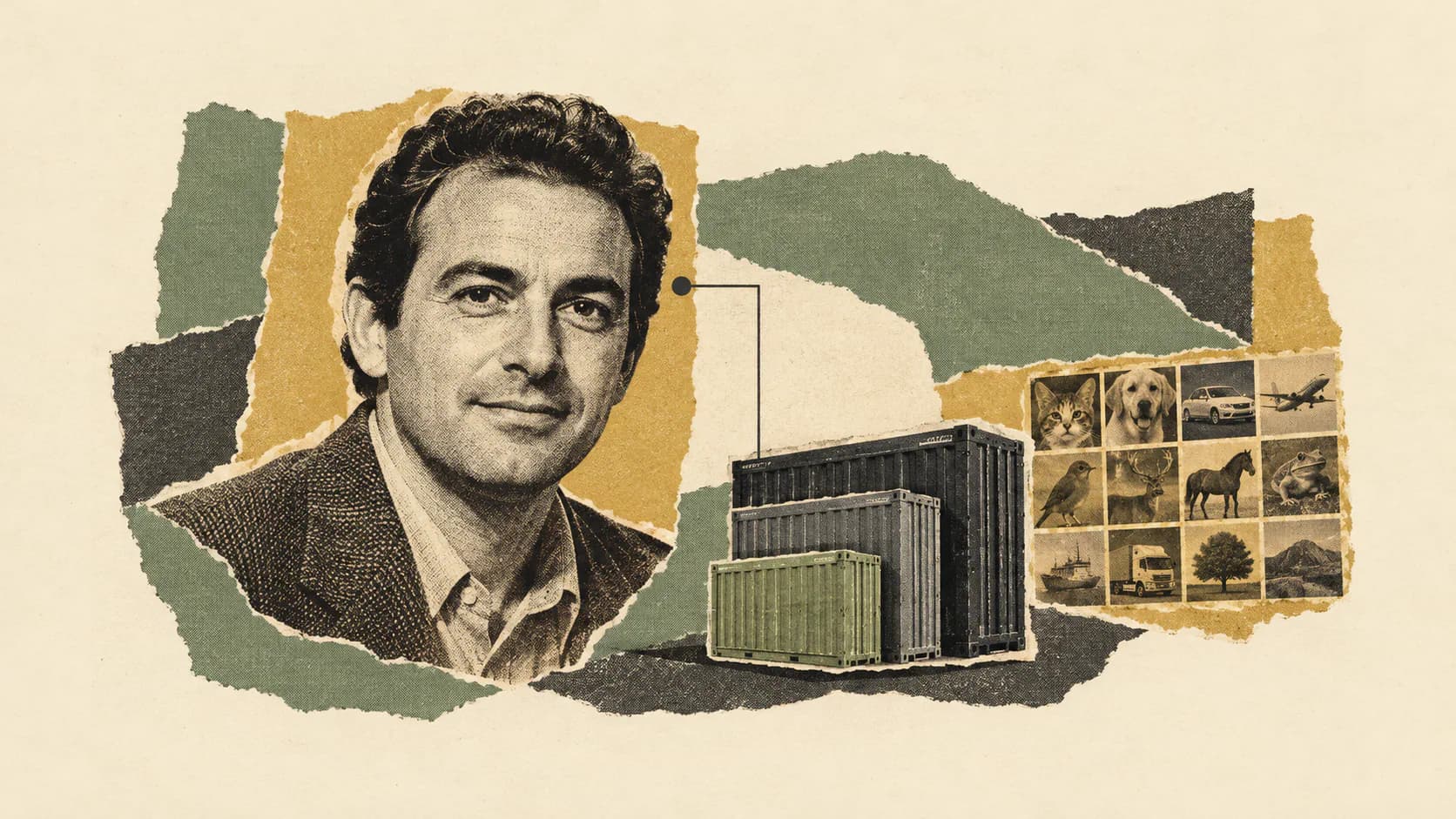
His agent-harness walkthrough, published October 11, 2026, presents the experiment as an attempt to satisfy a challenge Ian Goodfellow discussed in a 2019 interview. It also offers a step-by-step explanation of the software surrounding a coding model, which is more useful than a declaration about intelligence.
That software determines what an agent can execute, which information it retains, where its credentials live, and when a human must intervene. The CIFAR-10 run makes those responsibilities concrete. It remains one author-documented experiment, however, rather than an independently reproduced benchmark.
The Challenge Was to Complete a Training Job
Toumbourou’s test asked the finished agent to find CIFAR-10, train a classifier, report held-out accuracy, and leave both the code and the trained model behind. He did not supply a dataset URL, training script, or model architecture.
A plausible explanation of convolutional networks wouldn’t satisfy that request. The agent had to obtain data, produce runnable software, execute training, and return a measurable result with artifacts.
After 12 CPU training epochs, the reported outcome was 8,141 correct predictions out of 10,000 held-out images. Two models had different roles: the LLM organized and wrote the work; the resulting image classifier performed the CIFAR-10 predictions.
Toumbourou’s Goodfellow framing supplies historical motivation, not a standardized pass/fail protocol. Completing this particular workflow provides evidence of useful coding-agent behavior. It does not, by itself, establish general intelligence.
Four Tools Make the LLM’s Decisions Executable
The walkthrough defines a harness as everything in an agent that isn’t the model. Its smallest version builds context, calls the LLM, executes a requested tool, and returns the tool’s output to the conversation.
Conceptually, the loop looks like this:
while True:
    reply = model(context)
    if not reply.tool_call:
        break
    result = run_tool(reply.tool_call)
    context.append(result)