
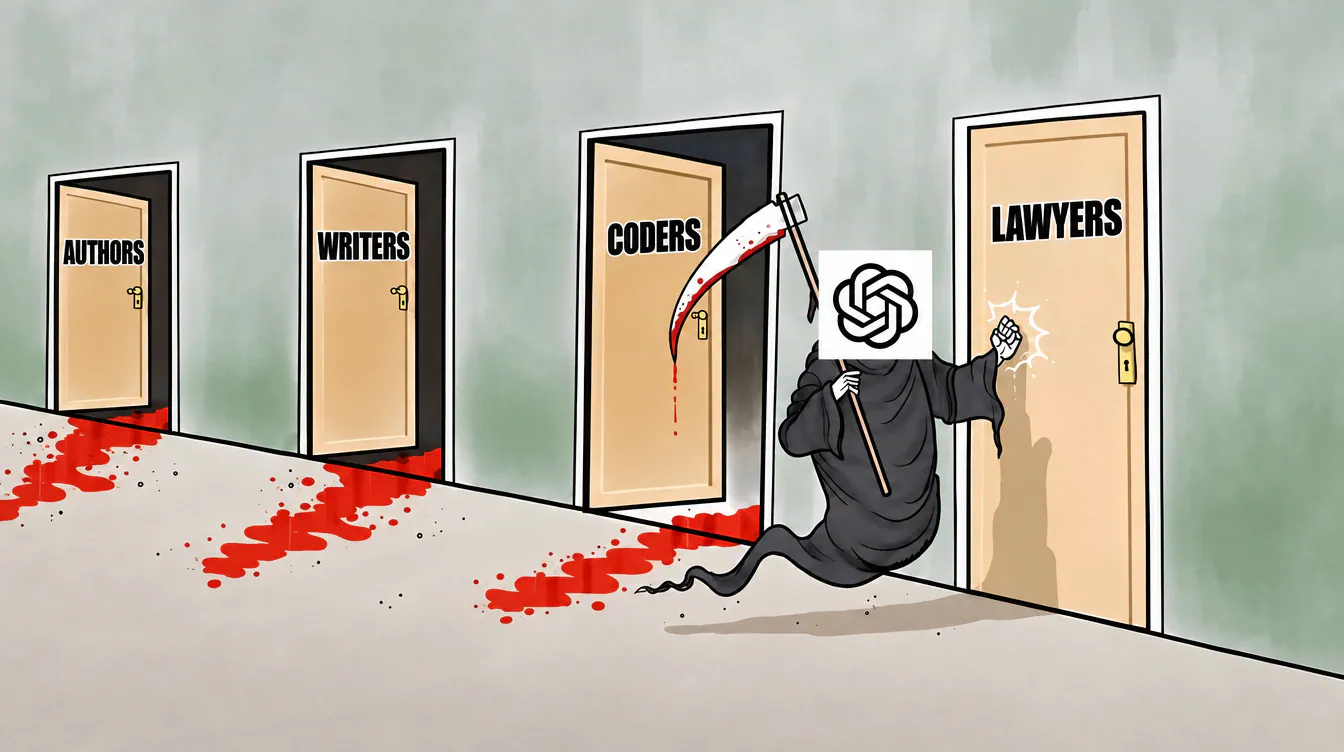
Today, OpenAI launched Astra for Law. This is a specialized version of the GPT-6 Astra model built specifically for legal work. We all know why LLMs are not widely used in financial and legal institutions yet: their tendency to hallucinate.
It can research across varied legal sources and work through massive collections of documents. It analyzes agreements to identify missing evidence and drafts material based on factual precedent. It can even carry out multi-step tasks instead of just answering a single prompt.
It’s intriguing, and I even asked myself if this is a threat to lawyers.
As a software developer, I do not know much about the legal field in a professional capacity. So, I went through a bunch of forums and social media comments to see how real legal professionals feel about this new AI model.
Let’s get into the details.
What is Astra for Law?
It is not entirely a new standalone model. It is the GPT-6 Astra model wrapped with a massive United States legal search index.
Here’s an example showing Astra’s capacity to review deals and develop redlines using Sullivan & Cromwell’s playbooks and precedents.
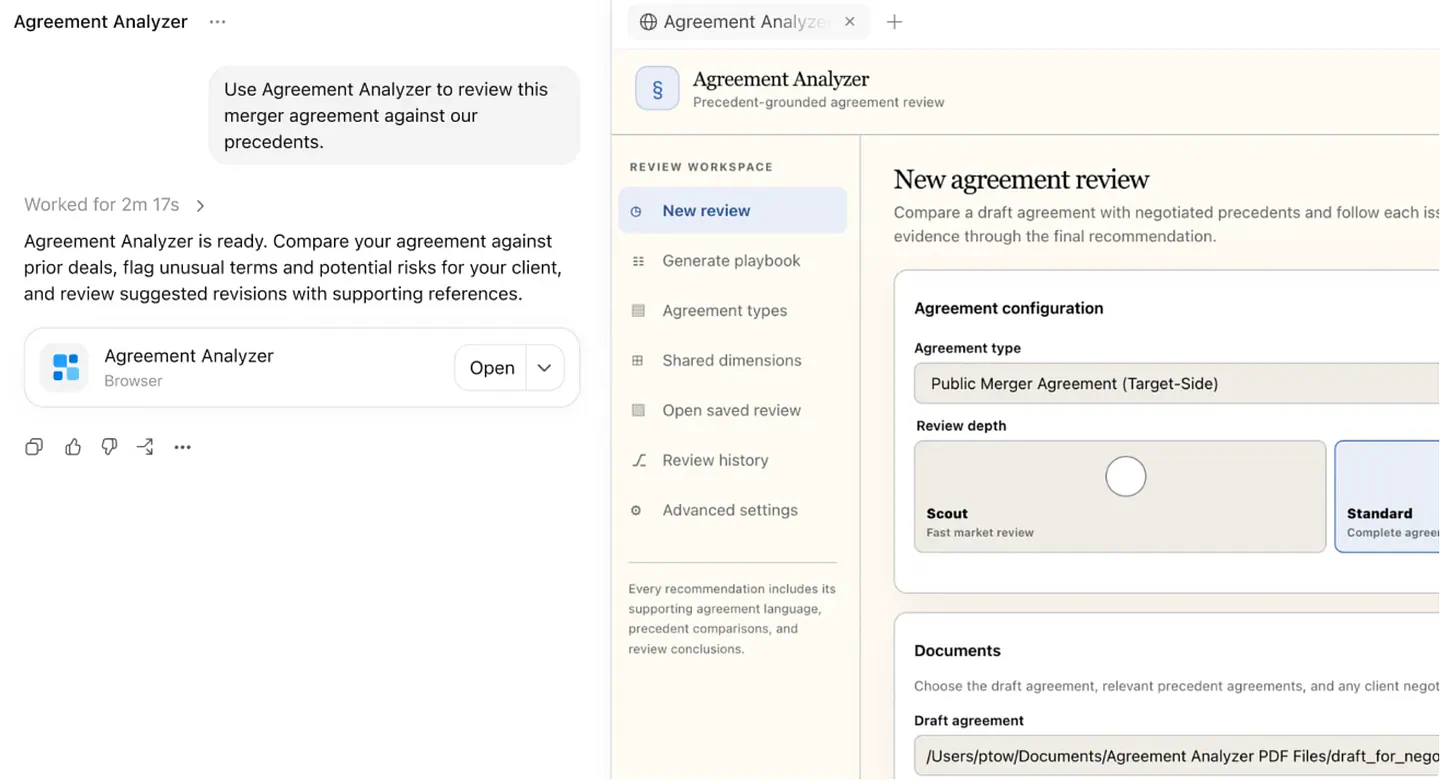
Sample use case of Astra for Law with Sullivan & Cromwell’s playbooks and precedents
This index covers case law and statutes. It includes regulations and court rules along with administrative decisions across over 230 million URLs. It updates daily using sources like CourtListener and the Free Law Project alongside licensed databases.
It also comes packed with legal analysis and writing instructions. It features direct plugins into tools that established law firms already use.
From a developer perspective, this looks exactly like a massive Retrieval-Augmented Generation pipeline wrapped in a custom agentic loop. OpenAI is indexing the entire history of United States court rulings to give attorneys exact factual context.
OpenAI highlighted a very specific number to prove its effectiveness. They tested it on a private 200-question slice of the Vals AI Legal Research Bench.
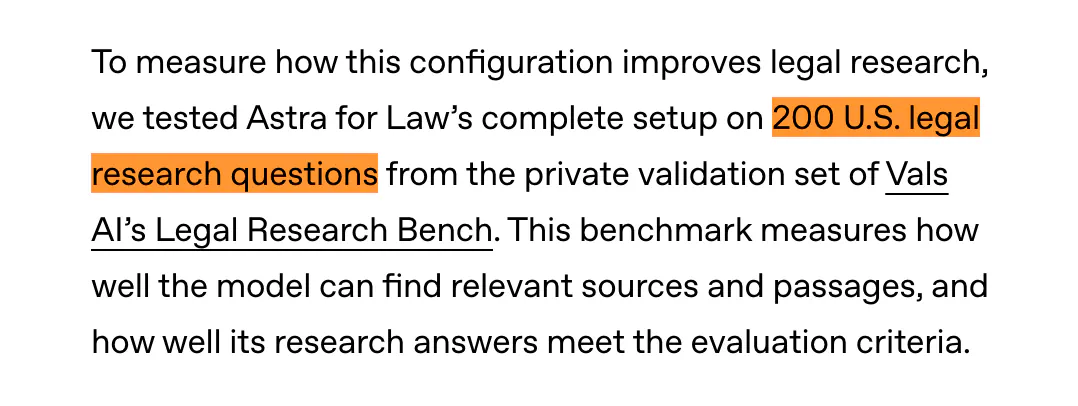
The Vals AI benchmark evaluates language models on their ability to use specific tools to research complex questions across federal and state jurisdictions. The agent gets access to web search tools and HTML parsing alongside a dedicated CourtListener API.
Astra for Law hit a 54 percent overall correctness score on this rigorous test. The standard GPT-6 Astra with ordinary web search only scored 38.7 percent on that same benchmark.
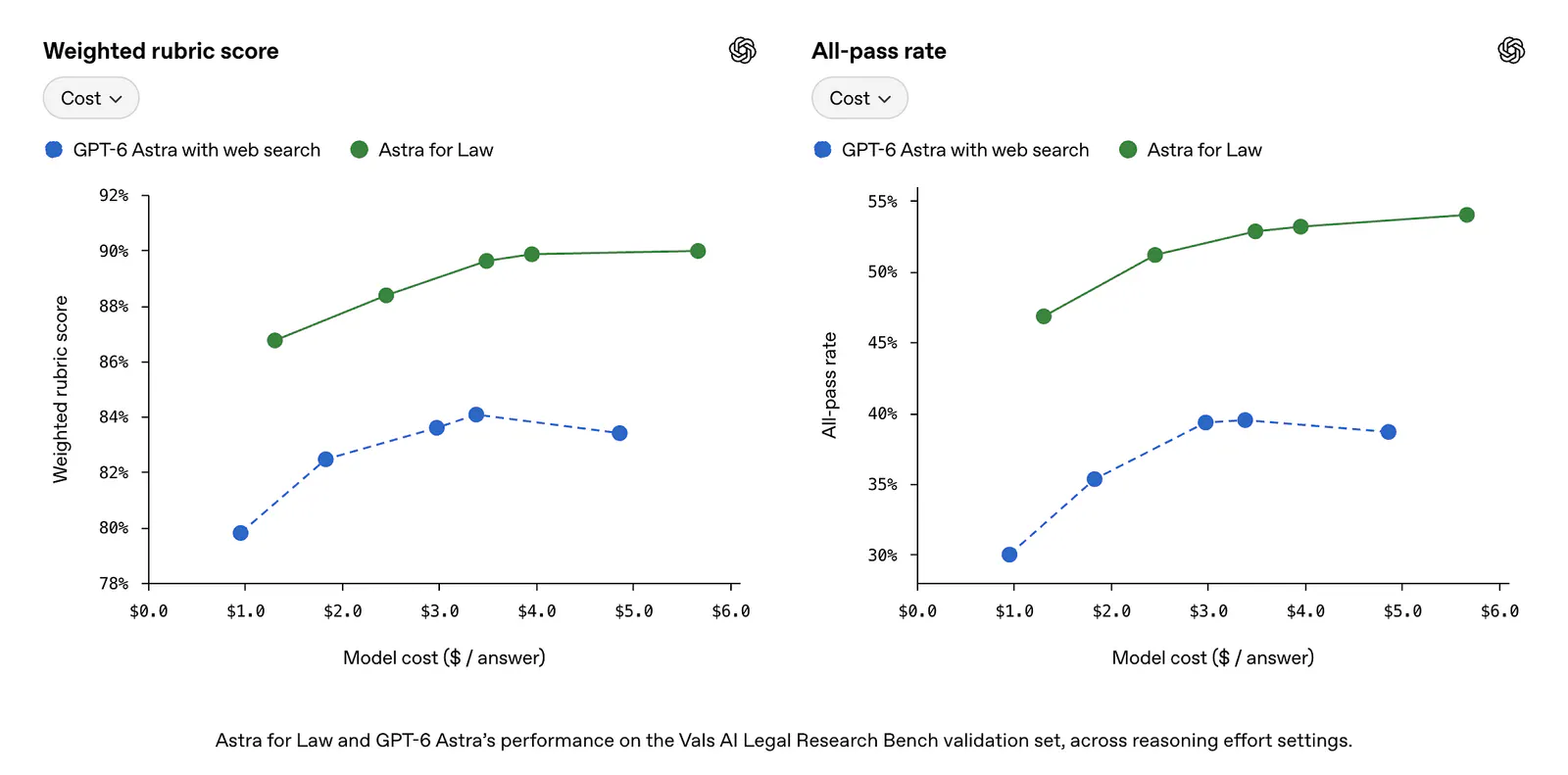
That is about a 40 percent relative lift in accuracy. It also pulled in 24 percent more reference cases and up to 54 percent more relevant passages. The answers run about twice as long too. Apparently, lawyers specifically asked for longer and more detailed responses!
Joel Hron is the chief technology officer at Thomson Reuters. He stated that the link between ChatGPT and legal tools is only part of what firms need right now.
“As AI becomes more open and interoperable, the value is not in connectivity alone,” he said. “Legal professionals need more than access to information. They need trusted intelligence, relevant enterprise and matter context, purpose built legal capabilities, and the governance required for high stakes work.”
He pointed out that as artificial intelligence becomes more open and interoperable, the real value is not in connectivity alone.
Will Astra Replace Lawyers?
I found an interesting take from an actual lawyer on Hacker News.
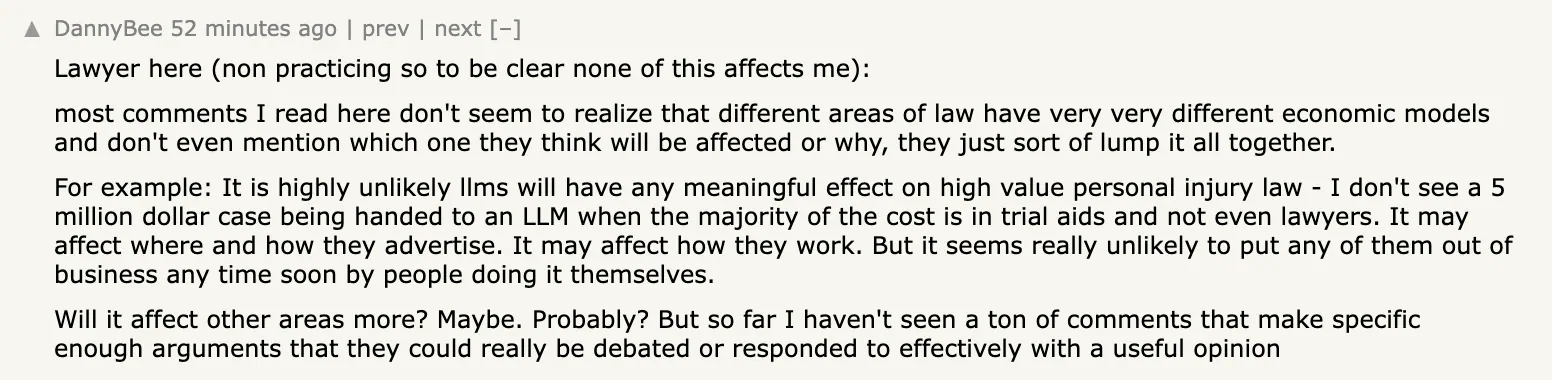
Lawyer here (non practicing so to be clear none of this affects me):
most comments I read here don’t seem to realize that different areas of law have very very different economic models and don’t even mention which one they think will be affected or why, they just sort of lump it all together.
For example: It is highly unlikely llms will have any meaningful effect on high value personal injury law — I don’t see a 5 million dollar case being handed to an LLM when the majority of the cost is in trial aids and not even lawyers. It may affect where and how they advertise. It may affect how they work. But it seems really unlikely to put any of them out of business any time soon by people doing it themselves.
Will it affect other areas more? Maybe. Probably? But so far I haven’t seen a ton of comments that make specific enough arguments that they could really be debated or responded to effectively with a useful opinion
It seems improbable that these AI models or tools will put lawyers out of business anytime soon by allowing people to handle massive lawsuits themselves.
I kind of agree with this. I see the exact same thing in software development. A few years back, people claimed that AI coding agents would replace senior engineers. But these tools just help us move faster. They do not replace the architecture planning or the complex decision-making required to build a scalable startup.
In fact, tech companies that laid off a bunch of their human devs had to hire them back years later.
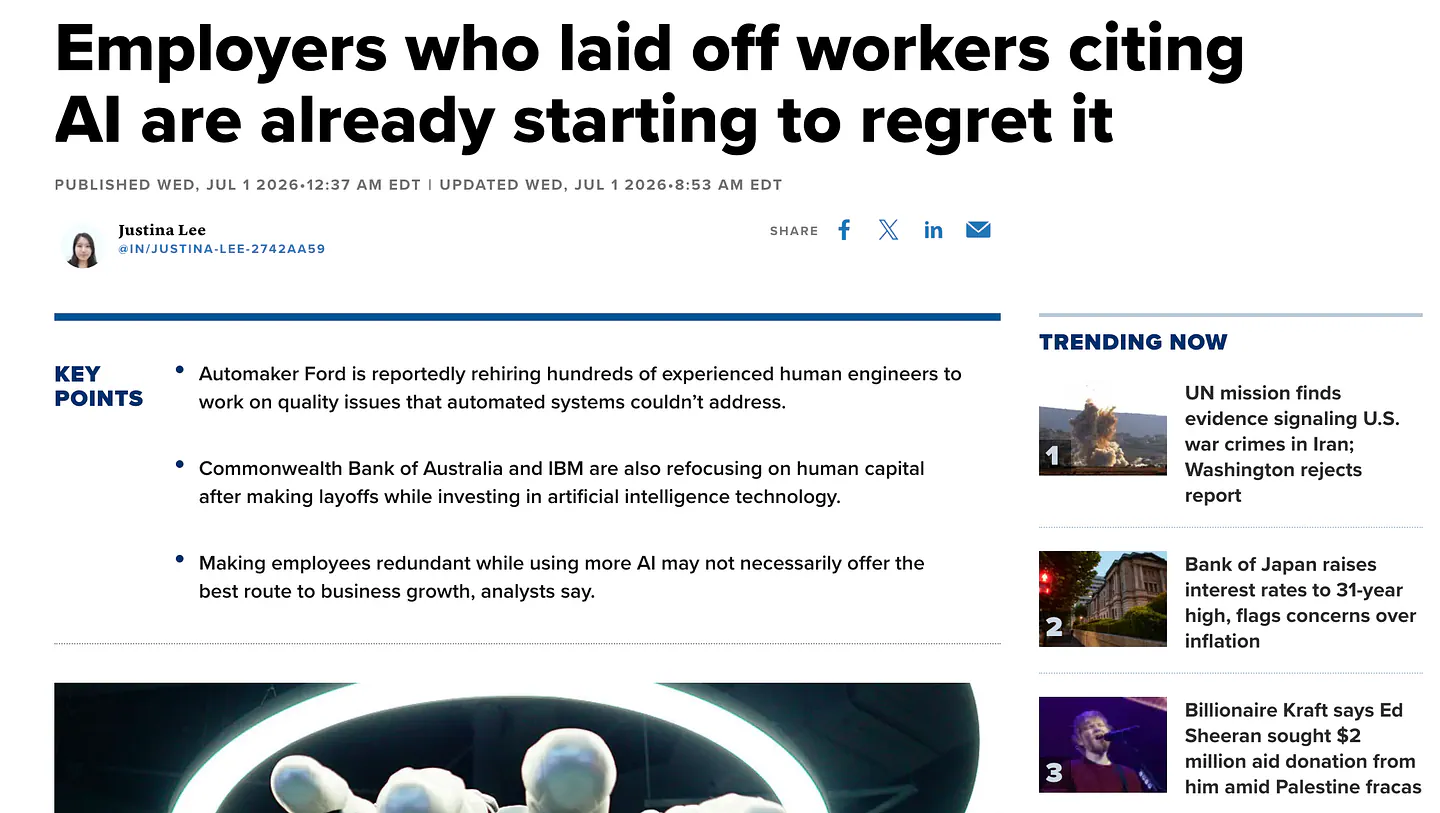
Another opinion shared widely on X highlighted how AI is already entrenched in every single phase of litigation. Corporate clients are demanding AI integration to lower their billable hours.
The biggest problem with this is billable hours. Faster work means less billable hours for attorneys.
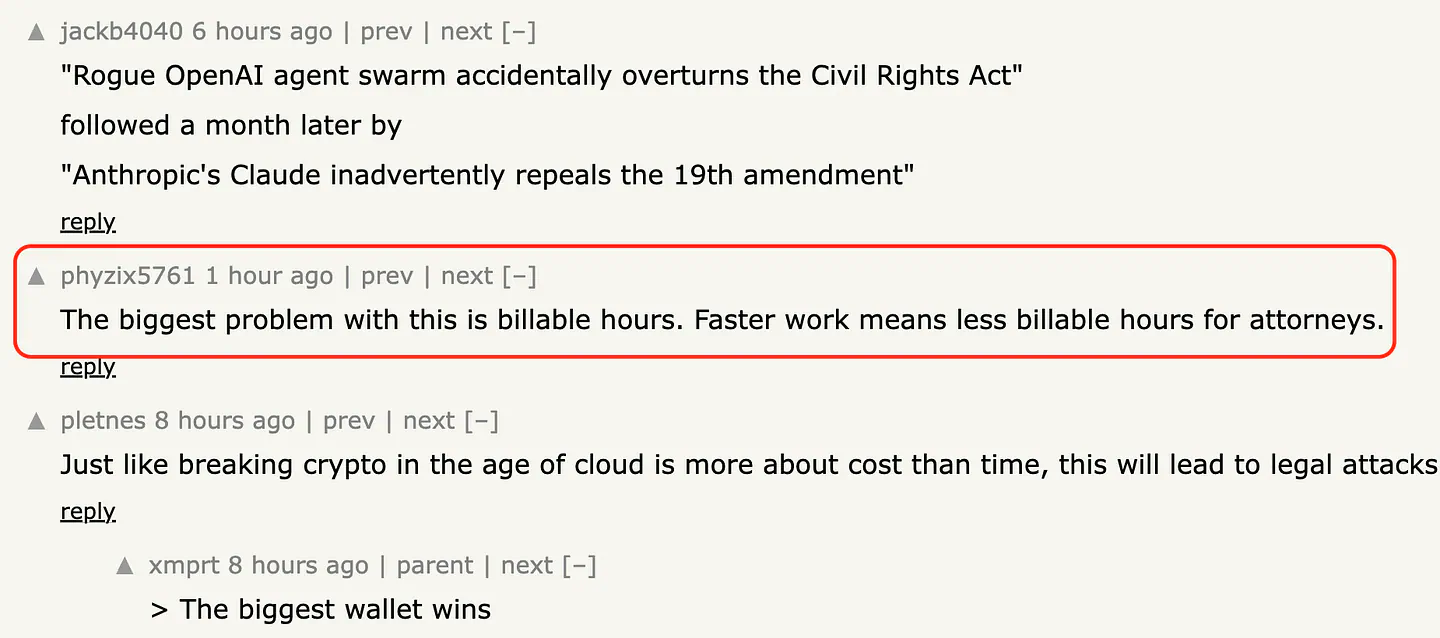
Again, the effect is similar with developers. AI and automation completely kill the busywork, so are we expected to be paid less now?
This brings up an interesting economic theory.
If the cost of legal work drops, we might just see more lawsuits. It is just like software. The demand for software is effectively infinite. If building apps becomes cheaper, we just build more apps. We do not stop hiring developers.
If it becomes cheaper to file a lawsuit, people will file more of them. The courts might get clogged, but there will always be jobs for competent associate attorneys to prompt the models and review the output.
How to Access Astra for Law in ChatGPT
Astra for Law is not publicly available yet.
OpenAI is rolling out initial access strictly through a Trusted Access Program. They are selecting specific Am Law 200 firms and legal technology partners to test the waters first.
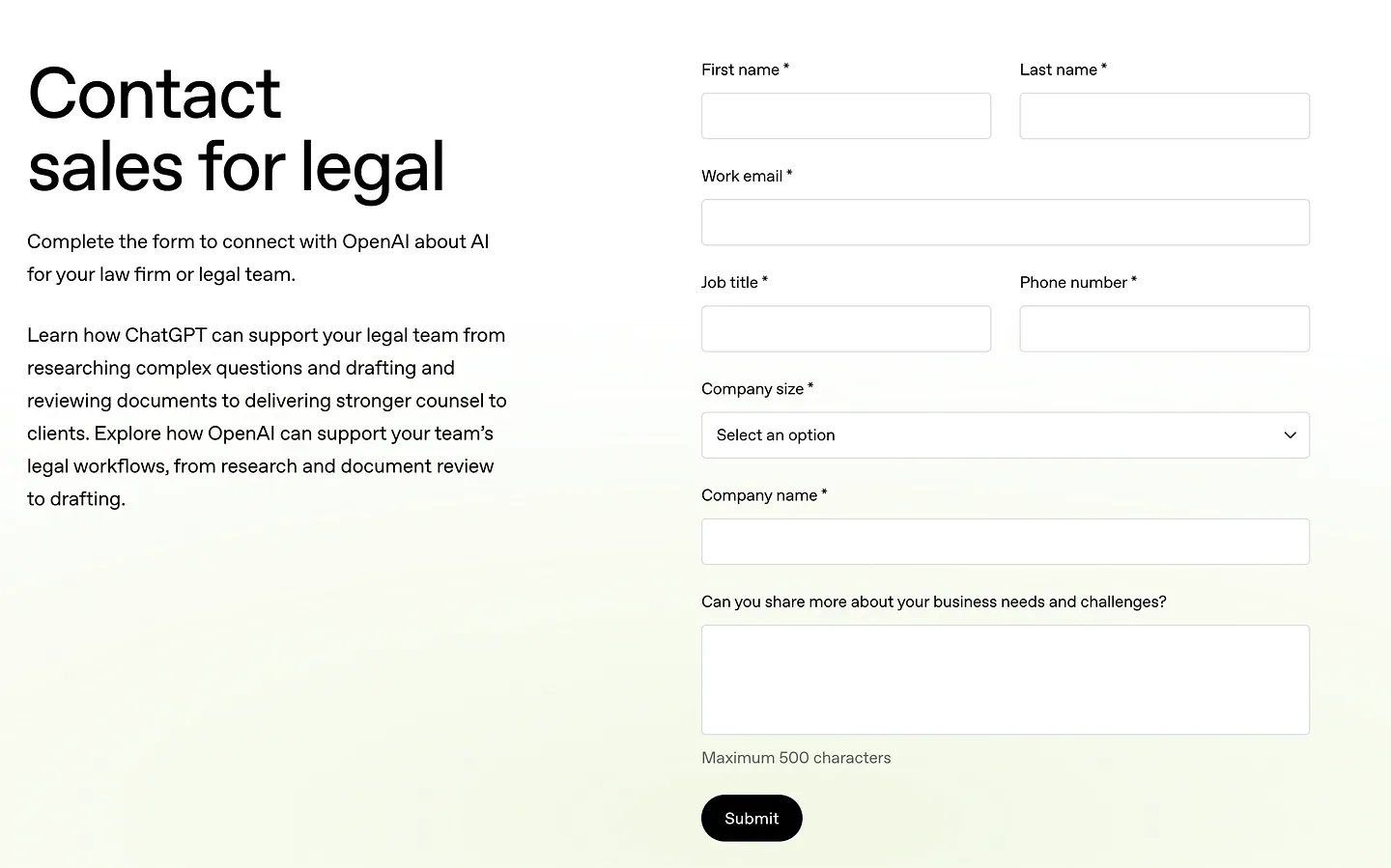
If you want early access, contact OpenAI’s sales team.
Alternatively, users might gain indirect access through legal AI builders like Harvey or Legora once those platforms deploy the new model into their own systems.
There is also an API version coming soon called gpt-6-astra-law. This will be available for legal software builders and enterprise platforms. I am actually quite excited to see this API drop. Adding a legal reasoning endpoint to a developer toolkit could open up some wild indie hacking opportunities.
Why Should You Care?
Astra may not replace the lawyer. It might just replace a surprising amount of what lawyers currently get paid to do. And that creates a massive second-order problem. Junior work is not merely cheap labor. It is the exact process by which junior lawyers learn to become senior lawyers.
I see this in the tech world all the time. Thirteen years ago, when I started my career, I had to read documentation and figure out every bug manually. The struggle taught me how systems fit together.
Today, if a junior developer relies entirely on AI coding assistants to write their Next.js components, they never learn the fundamentals of React state management. They never understand how the underlying system works. They just accept the generated output and move on.
If AI performs the research and document comparison and writes the first drafts, law firms face a huge dilemma. How do you train an associate to develop judgment if the machine performs the exact work through which that judgment used to develop?
The traditional chain of command exists so interns learn on basic tasks before they take on bigger decisions later. Without those basic decisions under their belt, an intern cannot possibly handle complex litigation down the line.
I keep coming back to software dev, but in many cases when a vibe-coded app crashes, devs who don’t fully understand the codebase end up having no idea how to fix it manually. They lack the foundational skills.
The same applies to law students relying on Astra for Law. That is a much more important question to me than simply asking if AI will replace lawyers. We are fundamentally changing how humans learn a complex craft.
Final Thoughts
No, Astra for Law will not replace human lawyers, or at least not anytime soon. The legal profession relies entirely on human judgment and accountability. People want a human to stand in front of a judge and fight for their future.
The trained model is good, though. In many ways, it allows legal teams to process information at a scale we have never seen before. It helps real lawyers by entirely removing the soul-crushing busywork from their daily schedules.
I find it quite funny watching OpenAI continuously push for these massive new models while simultaneously agreeing with Dario Amodei and his recent calls for an AI slowdown. Amodei and other executives recently published essays suggesting we must pace the frontier and slow down artificial intelligence development to prevent catastrophic risks.
I believe all these safety calls are just pure theatrics. The pace at which AI is moving will remain or even move faster than ever. These companies just want to establish a high bar of entry through regulations to stomp out open-source competition while they privately race toward superintelligence.
What are your thoughts on Astra for Law? Do you believe these tools will eventually replace the experts or just make them much faster at their jobs?
Sources
- Astra for Lawopenai.com
- GPT-6 Astragenerativeai.pub
- interesting takenews.ycombinator.com
- hire them backcnbc.com
- OpenAI’s sales teamopenai.com


