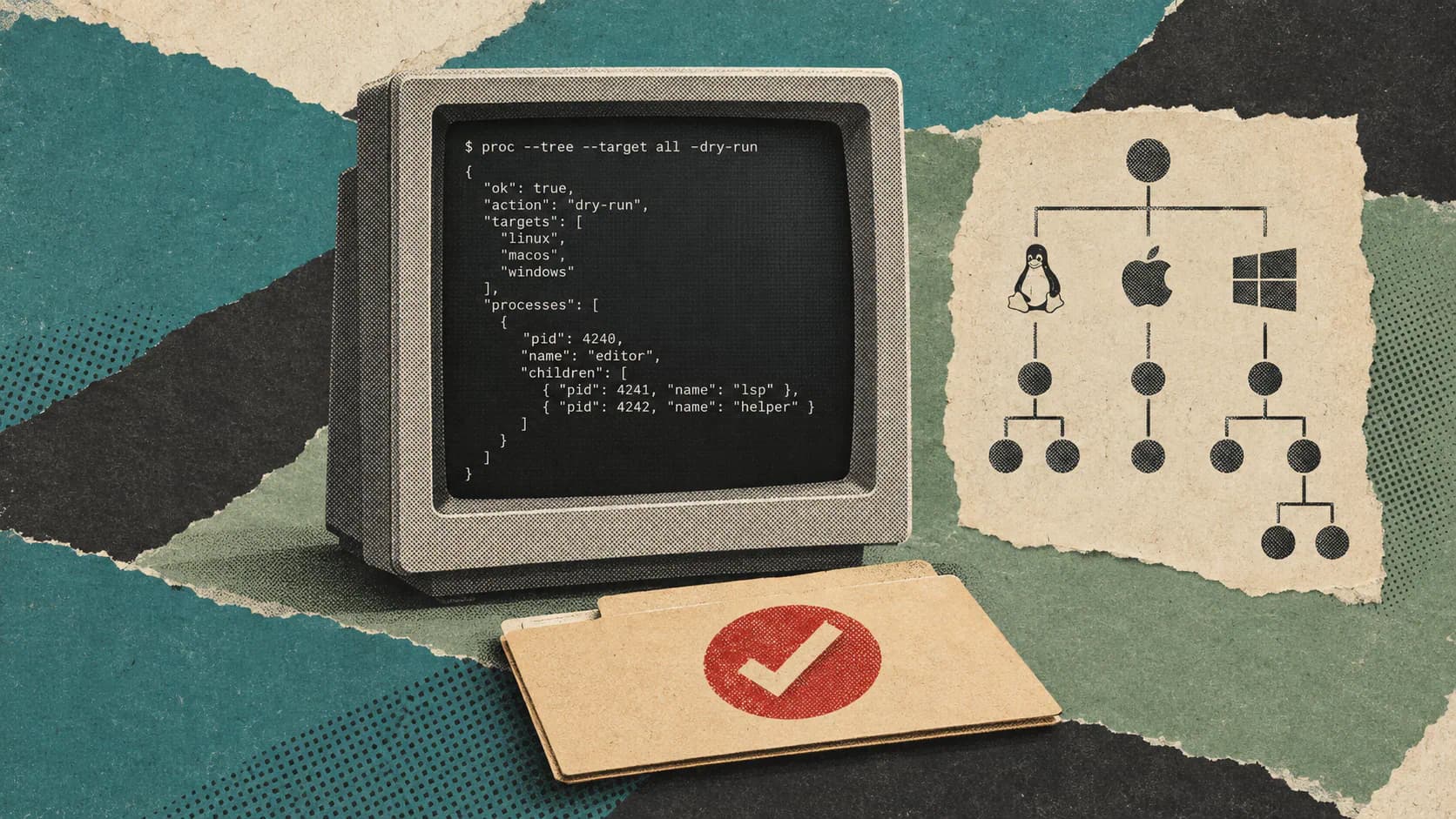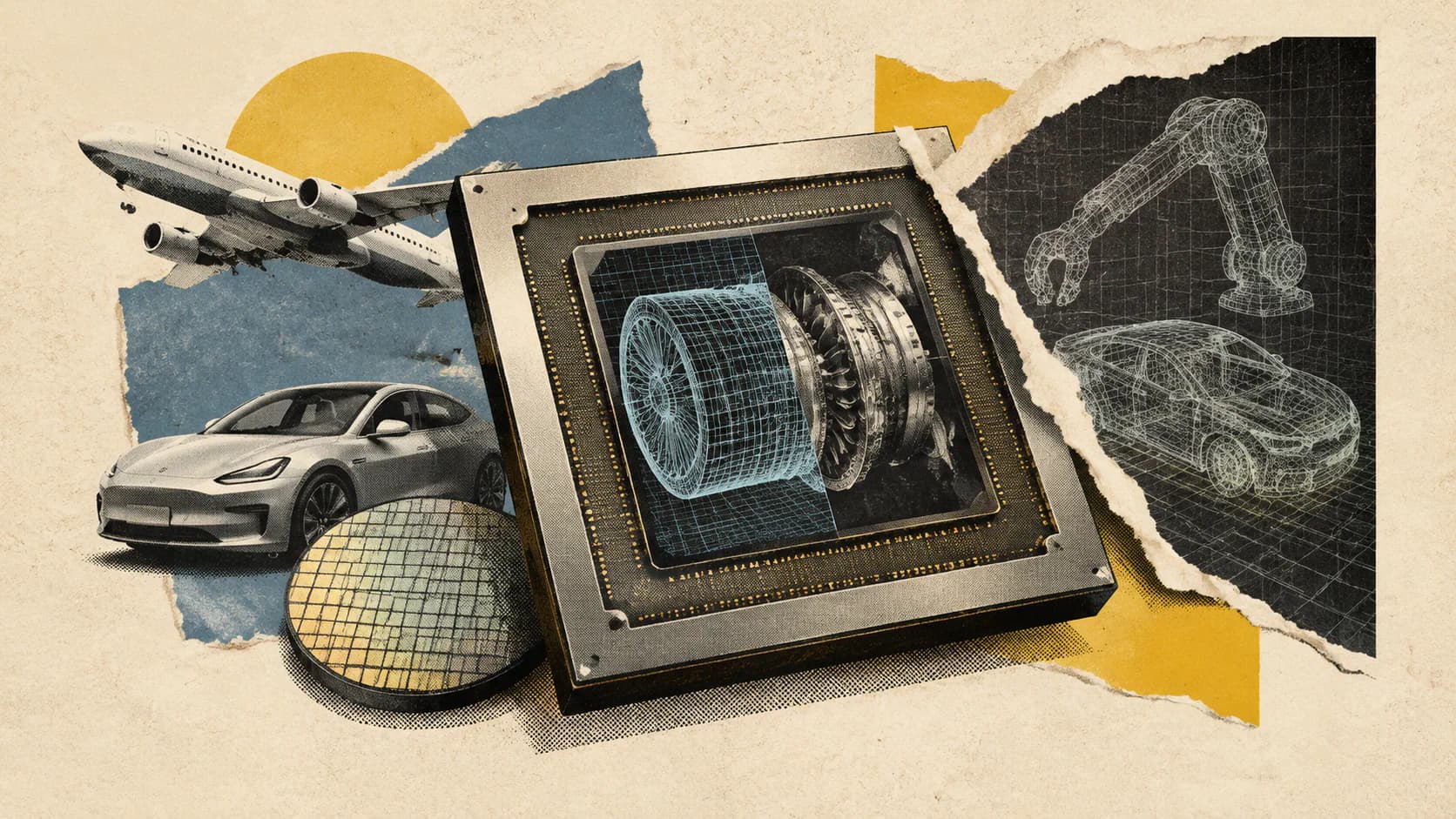
Mistral and NVIDIA are planning AI-native engineering workflows that connect Mistral models with NVIDIA’s accelerated computing, simulation and 3D tools. Their October 21, 2026 announcement also sets out plans for public benchmarks and open datasets to evaluate physics models and engineering agents.
The evaluation work could be the more consequential part for engineering buyers. Alongside model accuracy and performance, the companies want to assess whether agents can use tools, complete multistep tasks and produce technically correct results, while measuring execution time and computational cost.
That is a useful agenda for aerospace, automotive and semiconductor teams comparing AI systems for expensive, safety-sensitive work. It is also a roadmap: Mistral’s announcement supplies the evidence here, with no independent measurements or numerical engineering results demonstrating the proposed benefits.
What Is Available and What Is Planned
Mistral reports that Large 4, also called Le Chonk, is in public preview. The engineering integrations and benchmark releases are separate development efforts.
The distinction matters because access to a general-purpose model does not automatically provide a working CAD-to-simulation system. Such a workflow also needs connections to engineering software, suitable data, execution infrastructure and ways to check its output.
According to Mistral’s announcement, the status breaks down as follows:
| Component | Status in the announcement | Practical meaning |
|---|---|---|
| Mistral Large 4 | Public preview | The model is available in preview; that is separate from the engineering integration roadmap. |
| Large 4 weights | Planned for the end of October 2026 | A weights release remains a future milestone. |
| CUDA-X and Warp integration | Development work | Intended to accelerate Mistral’s data-generation and physics-modeling pipelines. |
| Omniverse integration | Planned | Intended to support GPU-accelerated 3D scene generation and SimReady asset creation. |
| Physics benchmarks and open datasets | Planned | Intended to support shared accuracy and performance comparisons. |
| Engineering-agent evaluations | Planned | Intended to assess complete workflows, including correctness, time and compute cost. |
Mistral says Large 4 has approximately one trillion total parameters, with 49 billion active parameters. Those figures describe model scale, not its accuracy on an engineering problem or its ability to operate simulation software reliably.
For a team planning a pilot, I would treat the preview as an opportunity to investigate the model separately from the promised workflow integrations. Combining those decisions too early risks buying against capabilities that are still on the roadmap.
How CUDA-X, Warp and Omniverse Fit Together
The proposed stack connects two related areas: physics-oriented engineering pipelines and 3D scene and asset workflows.
Mistral says its models, data-generation pipelines and physics-modeling capabilities will be combined with NVIDIA CUDA-X libraries and NVIDIA Warp. The intended result is a closed loop connecting simulation, AI model development and engineering design.
In practical terms, a closed loop means that simulation is part of an iterative process. Simulation outputs can inform model development, and model outputs can influence the next design or simulation step. The partnership aims to connect those stages more closely.
The announcement does not specify the interfaces or implementation details, so it would be premature to describe a particular solver connection, supported file format or automated design procedure as available.
The Omniverse work has a different stated role: integrating Mistral models with NVIDIA’s libraries for GPU-accelerated 3D scene generation and SimReady asset creation. That places it on the scene-and-asset side of the agenda, alongside the simulation and physics pipelines.
These are related capabilities, but they should be evaluated separately. Producing a 3D asset and producing a technically valid engineering result are different accomplishments. A useful demonstration would show how the relevant stages connect and how each output is checked, rather than relying on the appearance of the final scene.
Physics Benchmarks Need More Than an Accuracy Score
The companies plan public benchmarks and open datasets for evaluating physics models. Mistral describes the goal as a shared foundation for comparing accuracy and performance, and for building and validating automated computer-aided design, or CAD, to simulation workflows.
A common dataset could make comparisons more informative by giving competing systems the same problems. A common evaluation procedure could then establish how results are scored. Without both, two vendors can report impressive numbers while testing different tasks under different conditions.
The important distinction is between publishing data and defining a useful comparison. Engineering teams will need to inspect what the data represents, which conditions the tests cover and how errors are measured.
For example, an aggregate accuracy result could conceal uneven performance across different operating conditions. That is a general evaluation concern, not a reported finding about Mistral’s models. My view is that benchmark documentation should make those differences visible, because a buyer needs to know whether the test resembles the work they actually perform.
The same applies to performance. A runtime result becomes useful only when readers can understand the hardware, problem size and work included in the measurement.
“Public” benchmarks and “open” datasets are promising commitments. Their practical value will depend on the released specifications, evaluation procedures and access terms.
Engineering Agents Face a Broader Test
Mistral and NVIDIA also plan dedicated agent evaluations for computer-aided engineering, or CAE, and electronic design automation, or EDA. The former covers engineering analysis workflows; the latter concerns electronic design work.
The announced criteria go beyond checking an agent’s final written answer:
| Evaluation area | Announced focus | Why it matters to a buyer |
|---|---|---|
| Tool use | Ability to use engineering tools | A plausible explanation alone cannot demonstrate successful software operation. |
| Multistep workflows | Completion of connected tasks | An early mistake can affect later stages, even when individual actions appear reasonable. |
| Technical correctness | Correctness of the result | Completing a workflow is useful only if its output meets the task’s requirements. |
Frequently Asked Questions
3 questions
1Are the engineering integrations available now?
The October 21 announcement describes CUDA-X, Warp and Omniverse integration as planned development work. It does not provide release dates.