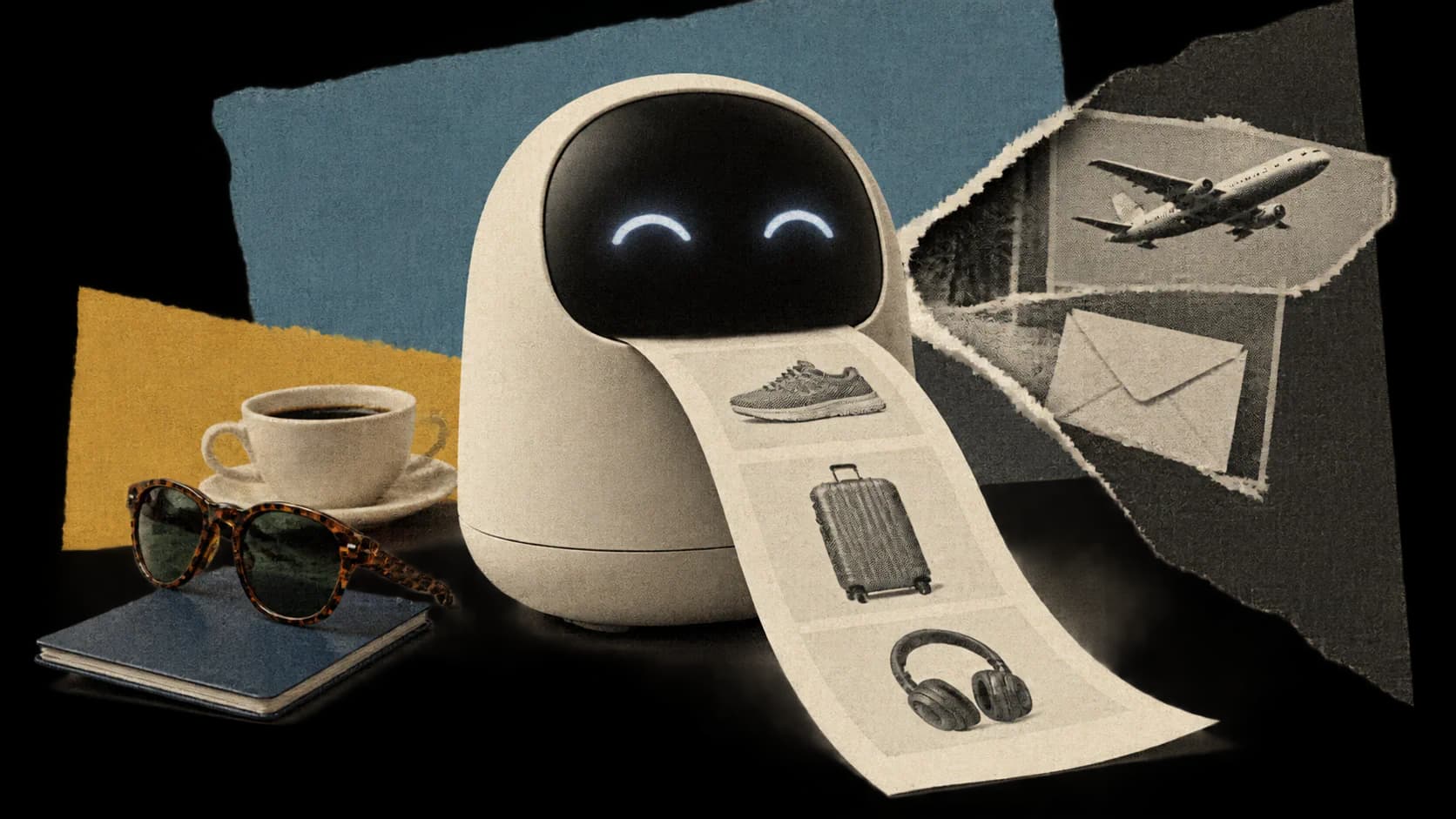
Shruti Gandhi said Instinct suggested carry-on luggage, sunglasses, and a brimmed hat she did not need. Chat Joglekar said the AI assistant recommended products that appeared connected to his email and upcoming trips. Their accounts, among several documented by TechCrunch’s report on Instinct Selections, describe a problem more specific than bad shopping advice: the suggestions reportedly arrived uninvited.
Instinct has not disclosed whether it earns money from Selections recommendations, so calling them ads would get ahead of the evidence. Users’ descriptions also cannot establish exactly which data produced a particular suggestion. Instinct is built to understand personal context and act before someone asks. When it recommends a product, helpful anticipation can start to feel like an intrusive commercial prompt.
Users Say the Suggestions Came Uninvited
The complaints are public accounts from named individuals, not a measure of how often Instinct sends recommendations or how most users feel about them. Gandhi, an investor at Array VC, objected to suggestions for travel accessories she did not want. Entrepreneur Andrew Yeung also said he received recommendations he had not asked for, according to TechCrunch.
Joglekar said suggestions for a coffee flask and travel accessories seemed related to information in his email and future plans. Another user, Ash Thaker, described receiving a notification about equipment for an upcoming trip and said Instinct should ask whether users want recommendations.
Some users reported unwanted suggestions, and some believed personal information informed them. Their accounts do not independently establish how Instinct selected each product, which connected service supplied any signal, or whether a merchant paid to appear. Instinct’s recommendation logic and the scale of the rollout were not disclosed in the available reporting.
Someone might welcome an agent that notices an approaching trip and offers to arrange a ride to the airport. The same person may not want a notification proposing things to buy. Both actions can draw on travel context, but they serve different purposes. One helps complete a likely task; the other introduces a purchase the user may never have considered.
Selections Combines Human Picks With an AI Agent
Founder Noah Shinn introduced Instinct Selections as a way to bring human-curated recommendations into dining, travel, shopping, and other categories. As TechCrunch described the announcement, Shinn said Instinct would draw on picks from local chefs, designers, architects, travel guides, and others rather than rely only on generic chatbot suggestions. The report did not identify those partners.
A curated list could offer a more considered starting point than a general web search when a user asks for a restaurant or help finding something for a trip. The objections reported this week concern delivery as much as quality: people said recommendations surfaced before they had expressed interest in receiving them.
Human curation explains where some potential suggestions come from, but not why a particular user sees a particular product at a particular moment. A travel guide’s list could be matched to a person using private travel details, or it could be shown on much broader grounds. The available reporting does not establish which happened in the cases users described. Nor is there evidence that the human curators themselves saw users’ private information.
Instinct presents itself as a proactive personal assistant, not simply a chatbot waiting for prompts. Its product website says the service can connect to applications and devices, including email, messaging, screen, audio, and location, and can follow up on neglected tasks or contact users proactively. Access that lets an agent arrange a useful errand may also make an unexpected shopping suggestion feel uncomfortably well informed.
The Commercial Arrangement Remains Unclear
Users’ strongest concern is that an agent entrusted with personal information could use it to steer purchases. There is not enough public information to say Instinct did that for a commercial partner. TechCrunch reported that the company had not disclosed whether it was making money from Selections recommendations or planned an advertising, commerce, or affiliate arrangement. The outlet said it had asked Instinct for further comment; its report did not include an answer resolving those questions.
Shinn has discussed commerce without providing that missing detail. The description of his Invest Like the Best interview says he explained why he refuses to build an ad model and discussed a take-rate model for transactions handled through the agent. Neither point tells users whether Selections partners pay to participate, whether purchases following a recommendation generate a fee, or how any financial relationship might affect what appears.
An agent might collect a transaction fee for carrying out a purchase its user already chose. It might earn a commission when a recommendation leads to a sale, or display paid placements. None has been established as the model for Selections. The question users need answered is: does Instinct have a financial reason to recommend one option over another?
A conventional shopping page is visibly organized around products. A personal agent may appear to be speaking solely on its user’s behalf, using information supplied to help with other tasks. Users need to be able to tell whether a suggestion reflects their request, the agent’s judgment, a curator’s choice, or a commercial incentive.
Permission to Help Is Not Permission to Pitch
Proactivity is part of what makes an agent useful. Requiring a separate prompt for every reminder or routine arrangement would diminish the appeal of delegating work. Yet access to personal context does not necessarily mean a user wants purchase recommendations.
Consider a hypothetical trip already on someone’s calendar. A timely offer to check a booking responds to a task the person is likely trying to complete. An unsolicited list of accessories starts a new task and asks the person to spend money. If the agent cannot explain why it made those picks, even a well-curated list may feel like targeting.
Someone who wants restaurant suggestions when planning an evening out may have no interest in recurring shopping notifications. Asking for recommendations within a conversation is different from authorizing an agent to initiate them later. The complaints TechCrunch documented do not prove Instinct lacks controls over frequency or subject matter; they show that these users did not expect the suggestions they received.
Frequently Asked Questions
4 questions
1What Is Instinct Selections?
Instinct Selections is a feature for human-curated recommendations in categories including dining, travel, and shopping. Founder Noah Shinn said Instinct would draw on picks from people such as chefs, designers, and travel guides. Some users subsequently reported receiving product suggestions they had not requested, though the available reporting does not establish how widely that happened.
2
Sources
- TechCrunch’s report on Instinct Selectionstechcrunch.com
- product websiteinstinct.com
- Invest Like the Best interviewpodcasts.apple.com