
Anthropic says Claude Duet can keep working after your laptop and phone are switched off. The proactive agent checks connected apps, prepares work in the background, and contacts you when it decides something needs attention.
Access starts with a waitlist. In its October 21 announcement, Anthropic opened a Claude Duet research preview for U.S. Claude Pro and Max subscribers. This is not general availability, and an eligible subscription does not mean immediate access.
Duet puts Anthropic into direct competition with Meta Muse and OpenAI Dots: agents designed to maintain context and advance tasks without waiting for a fresh prompt at every step. Anthropic is pitching Duet to professionals and small-business owners facing administrative work. The immediate questions are how much it can do unattended, what still requires permission, and how that background activity affects an existing Claude subscription.
Access Starts With a U.S. Paid-Subscriber Waitlist
For the research preview, Anthropic says Duet is included in Claude Pro and Max plans. Eligible U.S. subscribers can join the waitlist through the announcement; the company says it will email them when access is ready.
Duet has standalone iOS and Android apps and is also accessible through Claude on the web. The mobile experience is separate from the main Claude app for now. Anthropic says feedback from early users will help determine how the two work together.
The company has begun admitting research-preview users, but Duet is not available to every paying customer. The announcement does not establish access for Free, Team, or Enterprise accounts, or subscribers outside the United States.
There is no general-availability date either. Anyone considering a subscription specifically for Duet should treat eligibility and admission as separate things: the waitlist offers an opportunity to participate in an early release, not a delivery commitment.
Duet Checks Apps Every Few Hours, Not Continuously
Anthropic built Duet around Claude Opus 5.5, with access to the memory, skills, and connected apps already associated with a user’s Claude account. Users can communicate by typing or voice in one ongoing thread.
The routine starts with a morning brief highlighting important items across connected apps. During the day, Duet checks those accounts and decides whether something warrants a message.
The “always-on” description comes with a qualification: Duet checks connected accounts every few hours, rather than monitoring them continuously. Anthropic says nonstop checking would consume subscription limits much faster. Users can tell it which topics warrant notifications and how often they want to hear from it.
Duet is therefore a persistent background agent, not a real-time alerting system. Workflows that depend on catching an event immediately should not assume periodic account checks provide the same coverage.
Duet also has its own virtual machine and browser. According to Anthropic, it can choose apps and work through tasks without requiring the user’s device to remain on, then notify them when the work is finished or needs review.
Advertised tasks include scheduling meetings, building dashboards, preparing financial or sales forecasts, prototyping, and creating web apps. These remain capability claims; Anthropic has not published measures of completion accuracy or unattended reliability.
Continuity separates this approach from ordinary chat. Duet is intended to discover relevant context, carry out intermediate steps, and return with prepared work without requiring the user to assemble the context and supervise every turn.
The Business-App Connections Give It Something to Act On
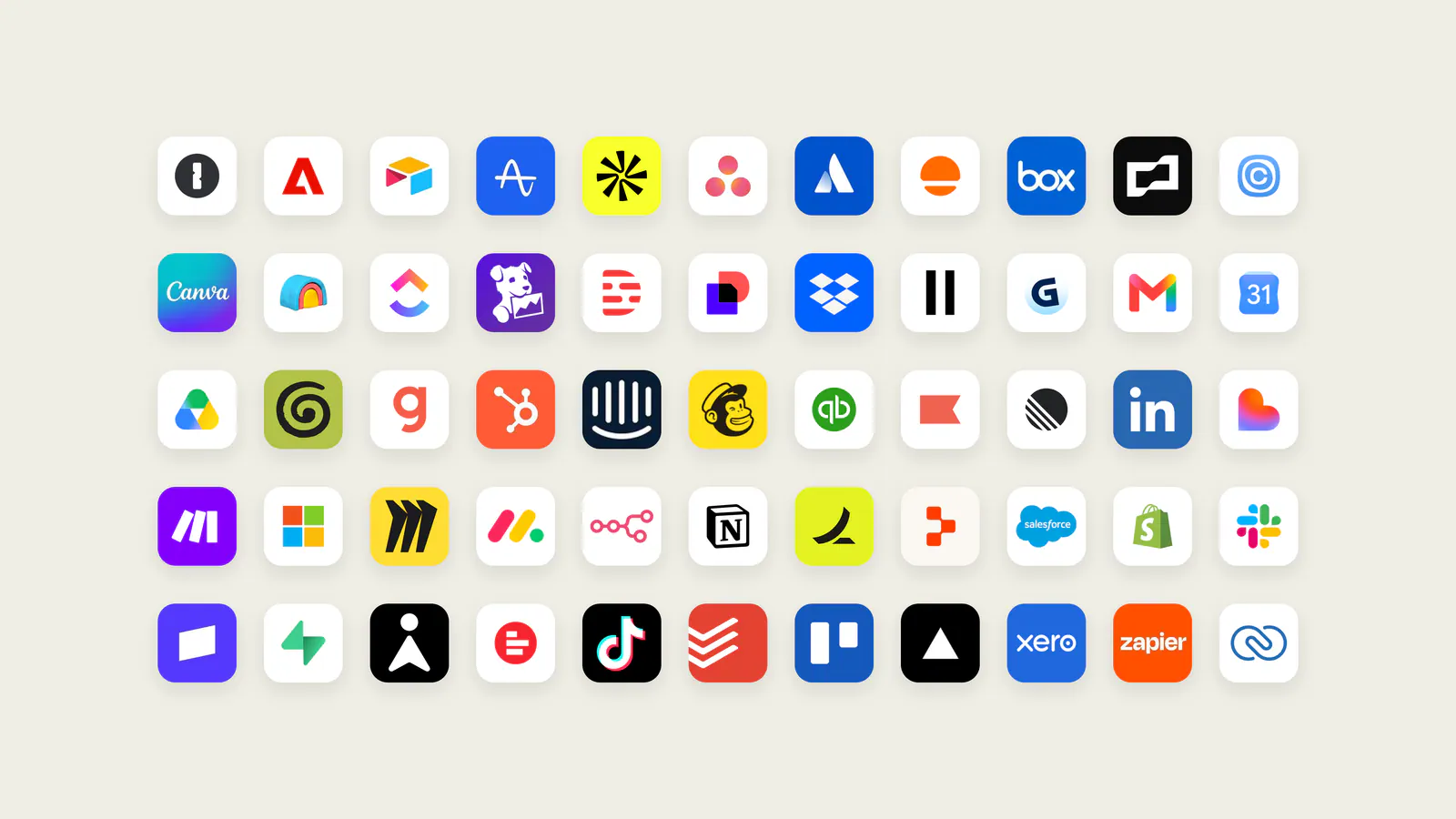
Anthropic’s examples show how that work focus translates into tasks. Duet can, the company says, find missed Gmail and Slack messages, check QuickBooks or Stripe for unpaid invoices, and draft reminders. It can also prepare follow-up emails using HubSpot contact and deal history.
Other advertised workflows include preparing payroll in Gusto, drafting LinkedIn job postings for approval, and preparing agreements for review and signature through Docusign.
These connections are central to the product. A briefing becomes more useful when an agent can relate an upcoming meeting to relevant messages and business records. That access also means Duet may encounter confidential correspondence, employee information, and financial details while assembling context.
Some announced features are still unavailable. Anthropic labels a richer Shopify storefront editor and access to saved 1Password logins as coming soon, so neither should be counted among the preview’s current capabilities.
Duet cannot yet show users its browser, and Anthropic acknowledges that personal errands, such as booking tickets, are weaker than its core work functions. As The Verge’s launch report notes, the company warns that this early version may misread a thread or misjudge urgency. Those errors would directly affect its ability to decide what deserves attention.
Sensitive Actions Require Approval, With Some Tasks Off-Limits
Anthropic draws a boundary between preparing work and committing an action. Duet can read, draft, and prepare independently, but the company says it must show the proposed action and wait for approval before it:
- Sends a message.
- Makes a payment.
- Signs a document.
- Deletes anything.
Some activities remain prohibited even with approval, including trading securities and moving money between accounts. Users can also disconnect an app from Duet.
These rules constrain what users can delegate. An advertised workflow such as payroll preparation does not mean every associated financial action can happen unattended.
The announcement’s security explanation describes separate protections for credentials and information sharing. Anthropic says Duet never directly sees passwords or sign-in tokens. A new dedicated classifier and safety system prompt check messages for sensitive information.
According to the company, those protections are designed to reject requests to share the strictest category of information, including credit card numbers and government identification. Sharing other sensitive material, such as health or personal-finance information, requires an explicit instruction.
These vendor-described safeguards do not prove that leaks or unauthorized actions are impossible. Approval gates also address a different problem from judgment errors: an agent could prepare an inaccurate forecast or flag the wrong deadline without triggering a payment or deletion request.
Reviewing an action may therefore require checking the underlying reasoning and source information, as well as the destination or amount.
Background Work Uses the Same Claude Allowance
Duet does not receive a separate usage budget during the preview. Anthropic says it shares the plan’s limits with the rest of Claude, and background account checks count toward those limits.