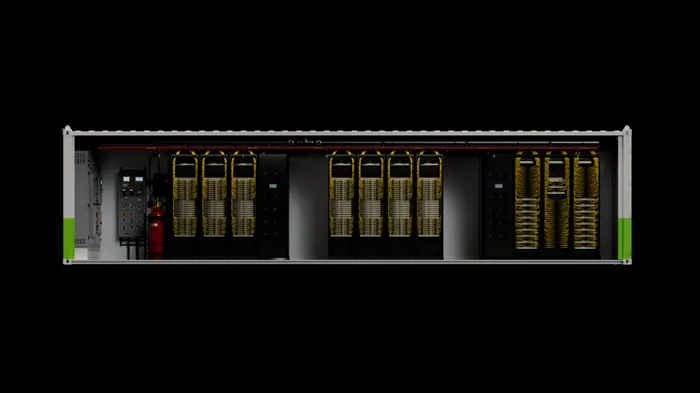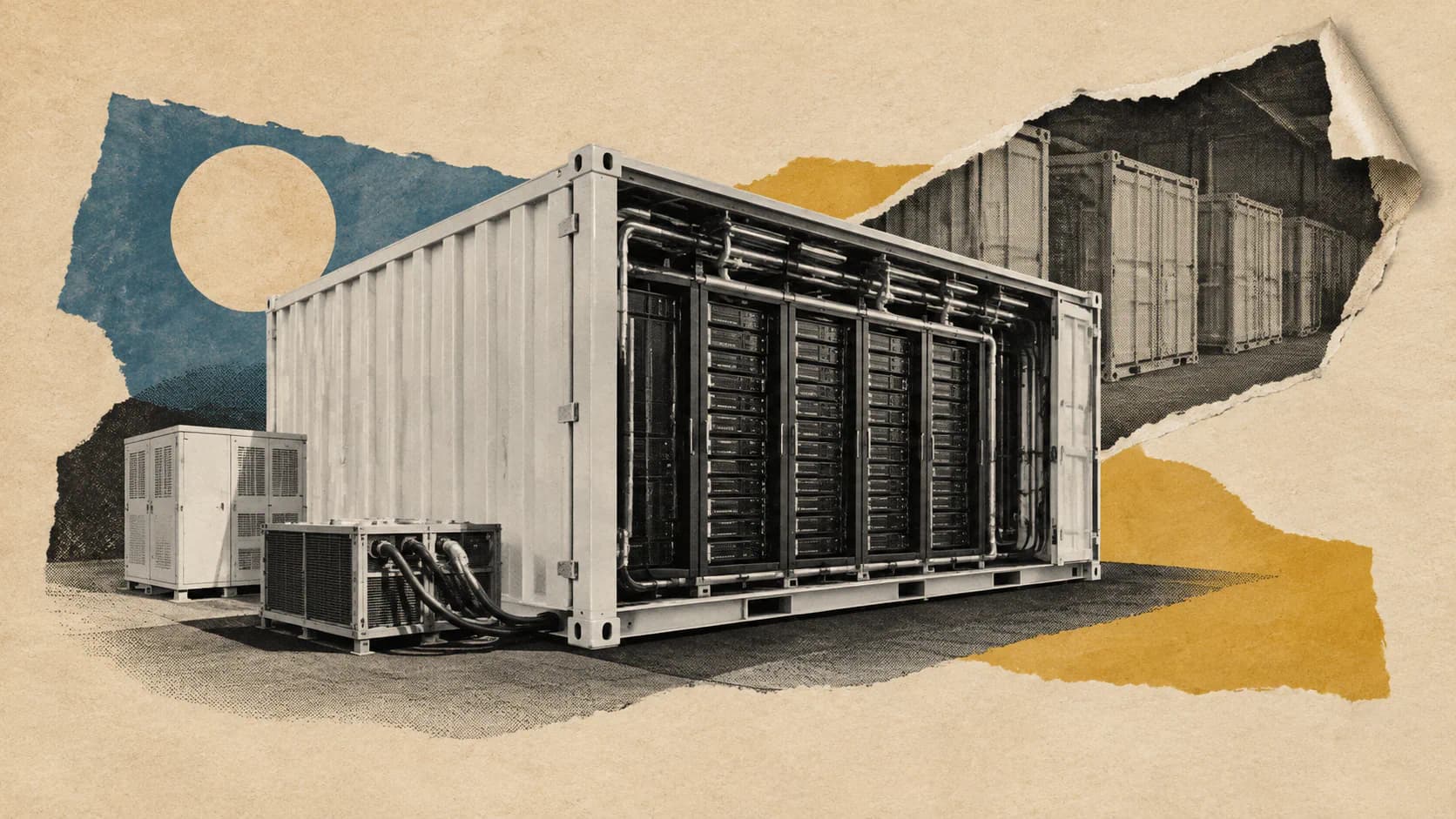
NVIDIA says its new DSX POD reference design can cut deployment at a prepared AI infrastructure site from roughly six months to as little as 14 days. The proposed shortcut is to assemble, connect and validate the AI factory before it reaches the customer, rather than perform that work onsite.
Announced at GTC Berlin on October 21, 2026, DSX POD is a modular, containerized reference design for complete Vera Rubin AI factories. It brings computing systems together with networking, power distribution, liquid cooling and supporting infrastructure in units that partners will manufacture.
That distinction matters for buyers. NVIDIA has announced a design foundation for partner-built infrastructure, not an immediately available, finished NVIDIA appliance. Worldwide delivery through its partner ecosystem is expected in early 2027.
The deployment claim also has a consequential boundary: the site must already be prepared. DSX POD could compress the work between infrastructure delivery and productive operation, but it does not promise to build an operational AI facility from an unprepared site in two weeks.
Partners Build the Factory Around NVIDIA’s Design
DSX POD extends NVIDIA’s DSX infrastructure framework into a specific physical implementation: factory-built containers with defined interfaces between them. NVIDIA supplies the design foundation, while ecosystem partners turn that foundation into deployable systems.
According to NVIDIA’s technical explanation, the reference architecture covers compute, networking, storage, power, cooling, cabling and mechanical requirements. Partners handle manufacturing, regional engineering, customization, deployment and support.
A reference design, in this context, is more substantial than a suggested collection of compatible equipment. It defines how the components should fit together, how they connect and what partners should validate before shipment. But it is still the basis for partner products and projects, rather than a single universally specified system that every customer receives unchanged.
NVIDIA lists Dell Technologies, HPE, Lenovo, Foxconn, Schneider Electric and Vertiv among the participating companies. The broader ecosystem spans computing suppliers, infrastructure specialists and operators, reflecting how much of the project sits beyond the GPUs themselves.
Containerization is not the invention here. NVIDIA’s technical post explicitly acknowledges that modular and prefabricated data centers already exist. The relevant development is a coordinated design for Vera Rubin rack-scale infrastructure, including the electrical, thermal, network and mechanical constraints involved in moving an integrated system from a factory to a customer site.