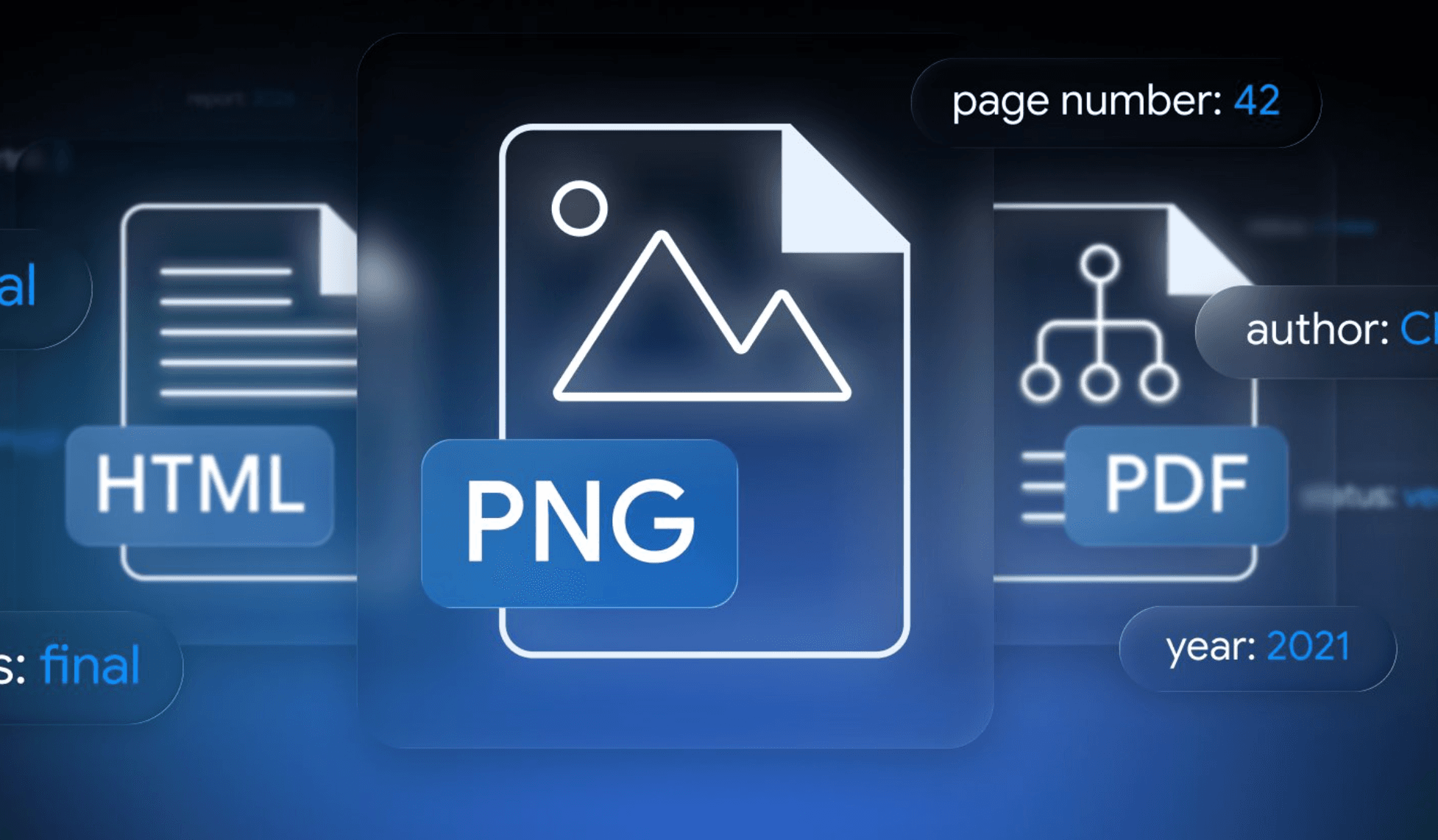
Google has introduced three major updates to the Gemini API File Search tool: multimodal support, custom metadata filtering, and page-level citations. These features help developers bring structure to unstructured data for efficient, verifiable RAG.
RAG, or retrieval-augmented generation, is the practice of grounding an LLM's responses in external documents rather than relying purely on training data. The challenge has always been infrastructure: you need chunking logic, an embedding pipeline, a vector store, and a retrieval layer before you write a single line of product code. Google's File Search Tool is a fully managed RAG system built directly into the Gemini API that abstracts away the retrieval pipeline so developers can focus on building.
The latest expansion takes that foundation further. Text-only retrieval is no longer the ceiling.
What Is the Gemini API File Search Tool?
The Gemini API enables RAG through the File Search tool. File Search imports, chunks, and indexes your data to enable fast retrieval of relevant information based on a provided prompt. This retrieved information is then used as context for the model, allowing it to provide more accurate and relevant answers.
File Search is the Gemini API's built-in RAG tool. When you upload your documents, the API takes care of the heavy lifting: chunking, embedding, indexing, and retrieval. At query time, pass a file_search tool alongside your prompt, and the model automatically retrieves relevant chunks from your data to generate a grounded response.
A File Search store is a container for your document embeddings. While raw files uploaded through the Files API are deleted after 48 hours, the data imported into a File Search store is stored indefinitely until you manually delete it.
The Three New Capabilities
Native Multimodal Retrieval
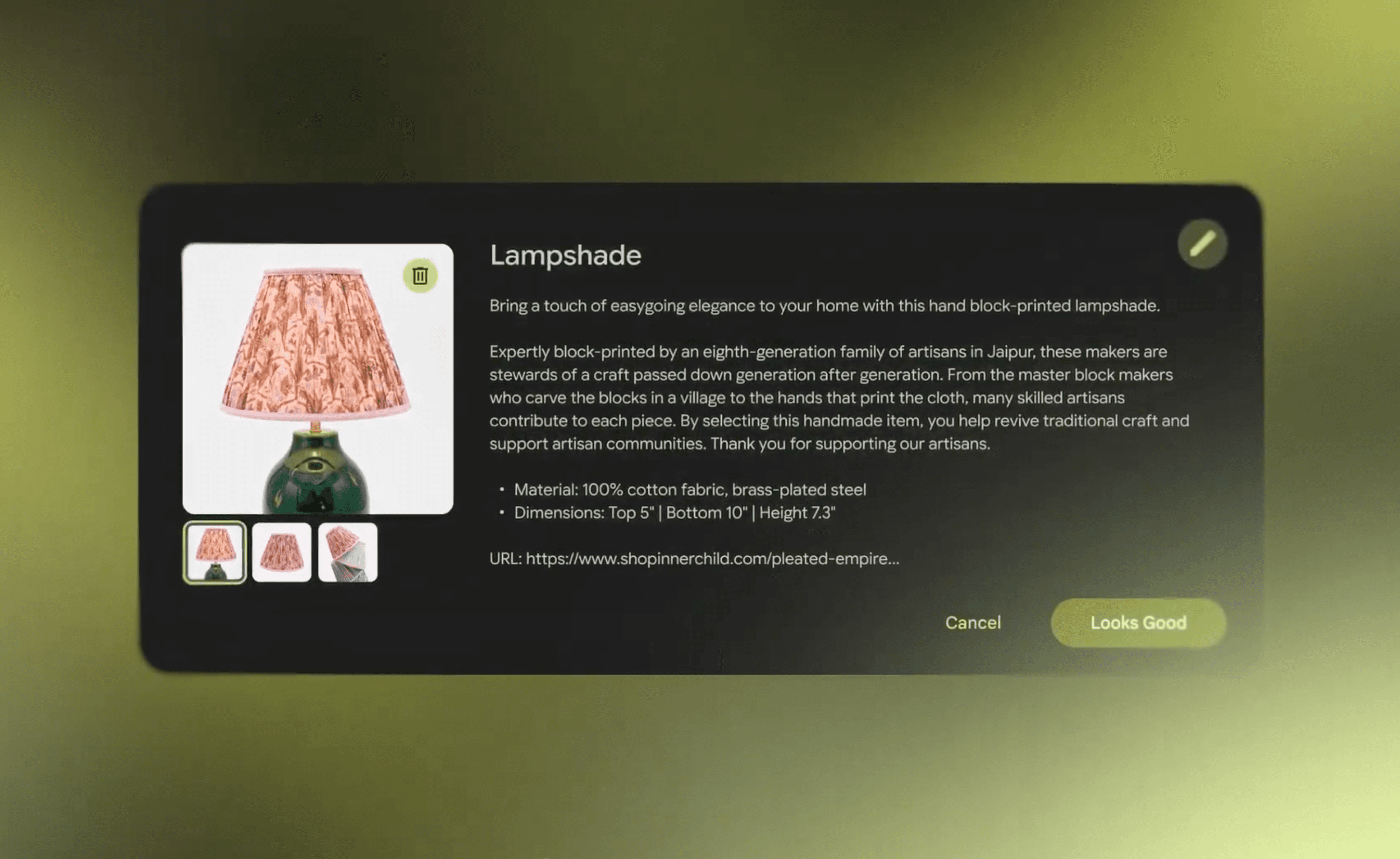
File Search now processes images and text together. Powered by the Gemini Embedding 2 model, the tool understands native image data, providing agents contextual awareness.
The File Search tool in the Gemini API now supports multimodal retrieval by adding support for Gemini Embedding 2. This update allows images, such as charts, product photos, and diagrams, to be natively indexed and searched in the same store as your text-based documents.
With the gemini-embedding-2 model, images are embedded directly rather than relying on OCR, enabling true visual retrieval. That distinction matters. OCR-based approaches extract text from images and discard the visual signal. A shared embedding space preserves it. Multimodal embeddings reduce the need for separate vision-only retrieval stacks by representing images and text in a shared vector space, which can simplify pipelines for tasks that mix visual and textual queries.