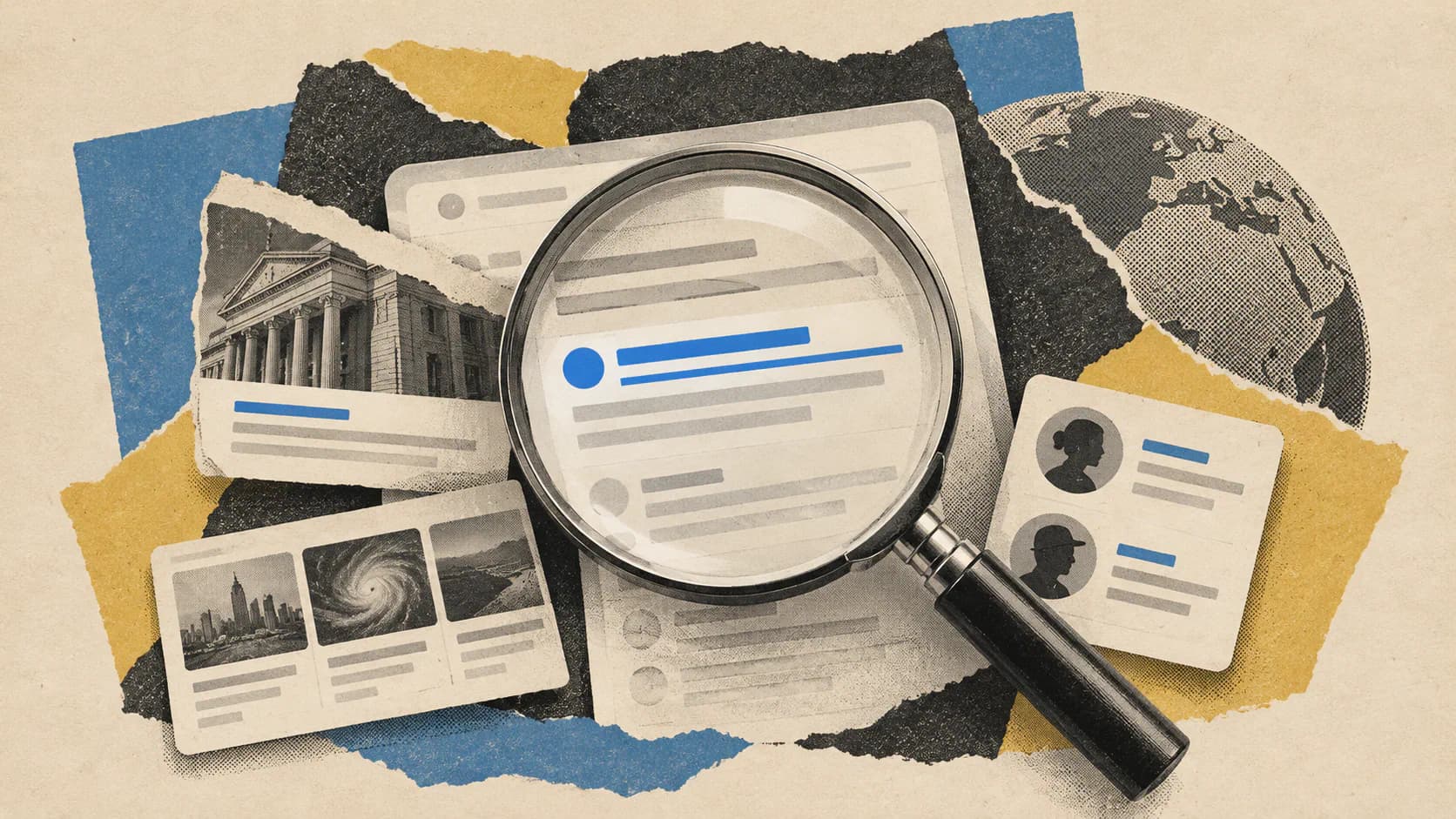
Google’s October 15 announcement covers five changes across AI Mode and AI Overviews: more visible inline links, a dedicated display for official websites, broader timely-article carousels, richer related-article links, and clickable creator and publisher names on video results.
The changes are at different stages. Google describes the link-placement updates as launching and the carousel expansion as starting to roll out. The official-site display is an experiment, while clickable creator profiles are a test specifically in AI Mode. Google has not provided a complete country, language, or account-level availability schedule.
Moving source links higher in AI-generated Search responses gives readers more opportunities to open supporting material as they read. For publishers and creators, though, visibility inside an AI answer and visits from it are separate questions. The announcement describes interface changes without measured traffic gains.
Inline Links Move Higher, Related Articles Get More Visual
Google says it has already made “continued and substantial increases” to the presence of inline links in its AI experiences. Embedded in the words or phrases of an answer, these links let readers open a page while reading the relevant passage.
The placement update will show them higher in responses more frequently, changing when readers encounter a clickable route out of the generated answer.
An early link can shorten the path between checking a statement and opening its supporting page. It also gives a source near the beginning of an answer a chance to attract attention before the reader stops scrolling. These are potential benefits of the design; Google has not quantified them in this announcement.
Links at the end of some AI responses are getting a separate update. Google says it is making these related-article links more prominent, adding image thumbnails and a more clickable design.
The two placements serve different purposes. Inline links sit beside the information a reader is considering. Related articles offer a next step after the answer, potentially leading into a narrower angle or additional reporting. Describing both as “more citations” would miss the distinction between supporting the response and encouraging further exploration.
Google gives no exact availability schedule for the redesigned related-article links. Its wording applies to the end of some responses, not every AI answer.
The Official-Site Display Is a Test, Not a Universal Panel
Google also plans to test a dedicated section at the top of AI Search responses for official websites. Each link will include context explaining why it is useful.
The company frames this around tasks for which only one or two official destinations can provide the needed information or complete the action. Those destinations would appear prominently above the rest of the response.
When a searcher needs a particular organization’s own page, even a good explanatory summary may leave the main task unfinished. A direct official link can be the essential result, with the generated answer playing a supporting role.
The experiment builds on Google’s existing approach of putting links front and center when someone is looking for a particular site. It adds a dedicated section and an explanation of each link’s usefulness.
Several details remain unspecified: which queries will receive the section, how Google will select the links, and which users will participate. This is an interface treatment under test, not a panel everyone can expect to see.
The announcement also establishes no broader verification system for websites. It describes how Google intends to present selected official destinations, without guaranteeing every source appearing elsewhere in an AI response.
News Carousels Are Expanding, but the Rollout Map Is Incomplete
Google is starting to bring its existing timely-article carousels to additional locations and languages globally. The prominent carousels also highlight a searcher’s Preferred Sources, surfacing reporting related to a timely query and helping readers find coverage from publications they have indicated they value.
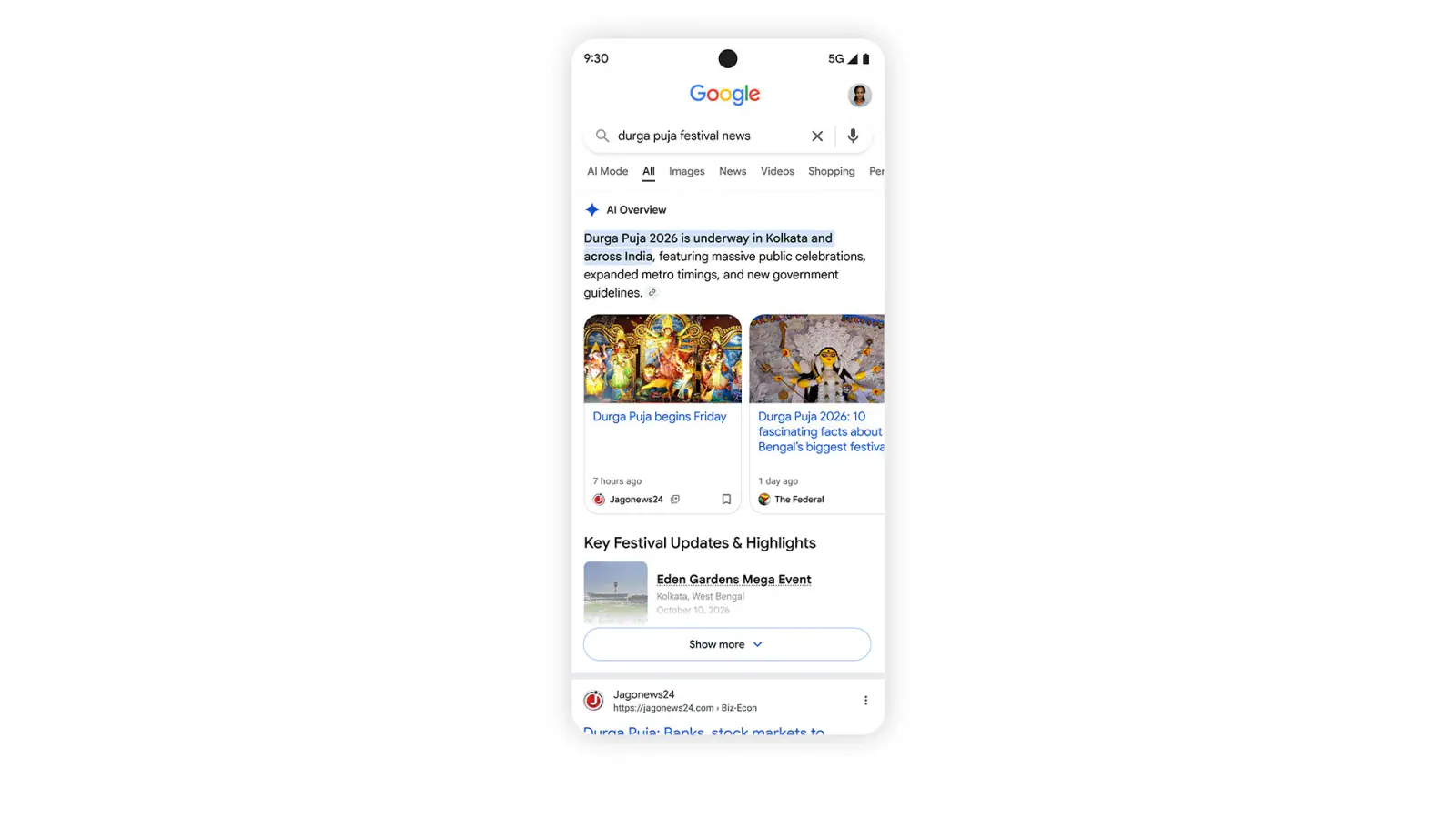
According to Google, the feature makes timely articles more visible across a wider range of queries. The announcement does not specify which query categories are gaining coverage or list the additional markets and languages.
“Global” expansion therefore signals a broader rollout, without promising simultaneous availability for every language, country, or account. Someone who does not yet see a carousel cannot tell from this announcement alone whether that reflects rollout timing, the query, or another eligibility condition.
For news publishers, a carousel presents reporting as something to choose and open, giving it a different role from an inline link supporting a generated passage. Whether that presentation produces additional readership depends on user behavior, which Google has not measured publicly in this announcement.
Creator Links Lead to Search Profiles, Not Directly Off Google
During the week of the announcement, Google began testing clickable creator and publisher names on video results in AI Mode.
Those names link to Search profiles, where users can learn about the creator and their broader work. Clicking a name is not a promised route directly to that person’s website or an external video channel.
The creator-profile test adds a way to investigate who is behind a result without immediately leaving Search. It could help someone distinguish an unfamiliar creator from a familiar one or discover more of a publisher’s work. Google has not supplied results showing how people use the profiles.
Sources
- October 15 announcementblog.google