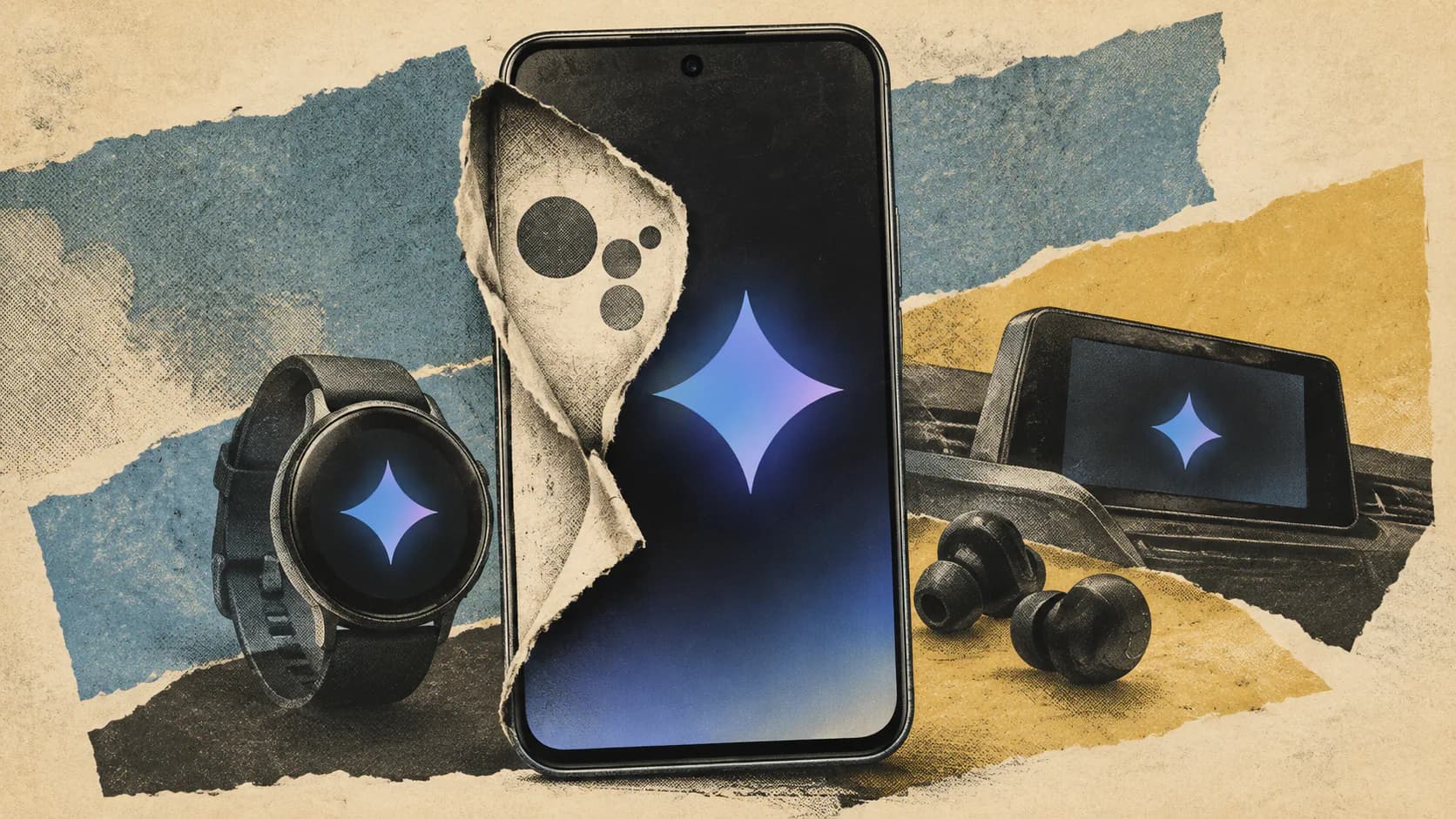
The option to return to Google Assistant has disappeared from the Gemini app on Android devices checked in the U.S. and Europe. Gemini now opens through the usual assistant gestures on those phones, according to 9to5Google’s September 28 report. For affected users, that removes a practical fallback: if they preferred Assistant for a particular task, they can no longer select it in Gemini’s account menu.
Google announced this transition earlier. It said removal would begin on September 4 and take weeks. September 28 was not a new deprecation announcement or a confirmed worldwide shutdown date; it was when 9to5Google reported that the change appeared widespread across the devices and accounts it checked.
The mobile transition also covers tablets and certain phone-linked experiences, including Wear OS watches, headphones, and Android Auto. Google Assistant has not vanished from Nest speakers, Google Home displays, or every car with Google software.
The Switch-Back Setting Is Missing From Gemini
Before the mobile transition reached a device, users could open the Gemini app’s account menu and choose “Switch to Google Assistant.” In its September checks, 9to5Google found that setting missing on the devices and accounts it examined in the U.S. and Europe. The shortcut was also absent with Google app versions 17.60 stable and 17.62 beta.
Those version numbers describe the software 9to5Google checked. They are not a published minimum version at which every account must lose the option. Across its checked devices, the publication found both the missing setting and changed assistant behavior.
On an affected Android phone, long-pressing the power button or swiping from a corner now opens Gemini, where those gestures are configured to launch the assistant. The gesture is familiar, but the service behind it has changed. The former menu route back to Assistant is no longer available on those accounts.
Google had warned users about that outcome in its mobile transition notice. The September report shows the announced change in use across a broad set of checked devices. It does not establish that every Android account changed on the same day.
The Mobile Cutover Extends Beyond Phones
Google’s removal of Assistant access covers phones and tablets, along with paired devices tied to the mobile assistant experience. Its earlier communication, reported in August by 9to5Google, included Wear OS watches, headphones, and vehicles using Android Auto projected from a phone.
Android Auto projection runs through the phone, so a change to the phone’s assistant can affect voice requests in the car. Cars with Google software built into the dashboard are a separate case. Google said Assistant could continue in vehicles with Google built-in beyond the September 4 start of the mobile removal.
For a watch or headphones, the question is whether the assistant experience is linked to the affected phone and account. Google included these paired-device categories in the transition, but its announcement did not establish that every voice feature on every wearable or pair of headphones changed at one universal moment.
The lost switch-back option may be especially noticeable when Gemini handles a task differently. A commenter on 9to5Google’s September report said a contact-address navigation request that worked for them with Assistant did not work with Gemini in Android Auto. That is one user’s account, not a verified test of Gemini’s navigation capabilities. It shows why some users valued the choice of assistant.
Nest Speakers and Google Home Displays Are on Another Timeline
The September mobile cutover did not cover household devices. 9to5Google reported that Google Nest and Google Home smart speakers and displays, along with other Assistant-enabled speakers and displays, were not changed by the mobile removal it observed.
Someone can therefore encounter Gemini on an Android phone and still use Google Assistant on a smart speaker at home. The products have different transition timelines, and the September report did not establish when Assistant will stop working on home speakers or displays.
The distinction extends to cars with Google built-in. Android Auto projected from a phone falls within the mobile transition; a vehicle’s built-in Google experience was not subject to the September 4 mobile start date. “Google Assistant is gone from Android” describes the phone change too broadly if it is taken to include every connected device someone uses.
September 28 Was a Rollout Observation, Not a Global Deadline
The Assistant mobile deprecation had previously been targeted for 2025 before moving to 2026. In August, Google told existing users that it would start removing Assistant access on September 4 and that the process could take a few weeks, according to 9to5Google’s account of the message.
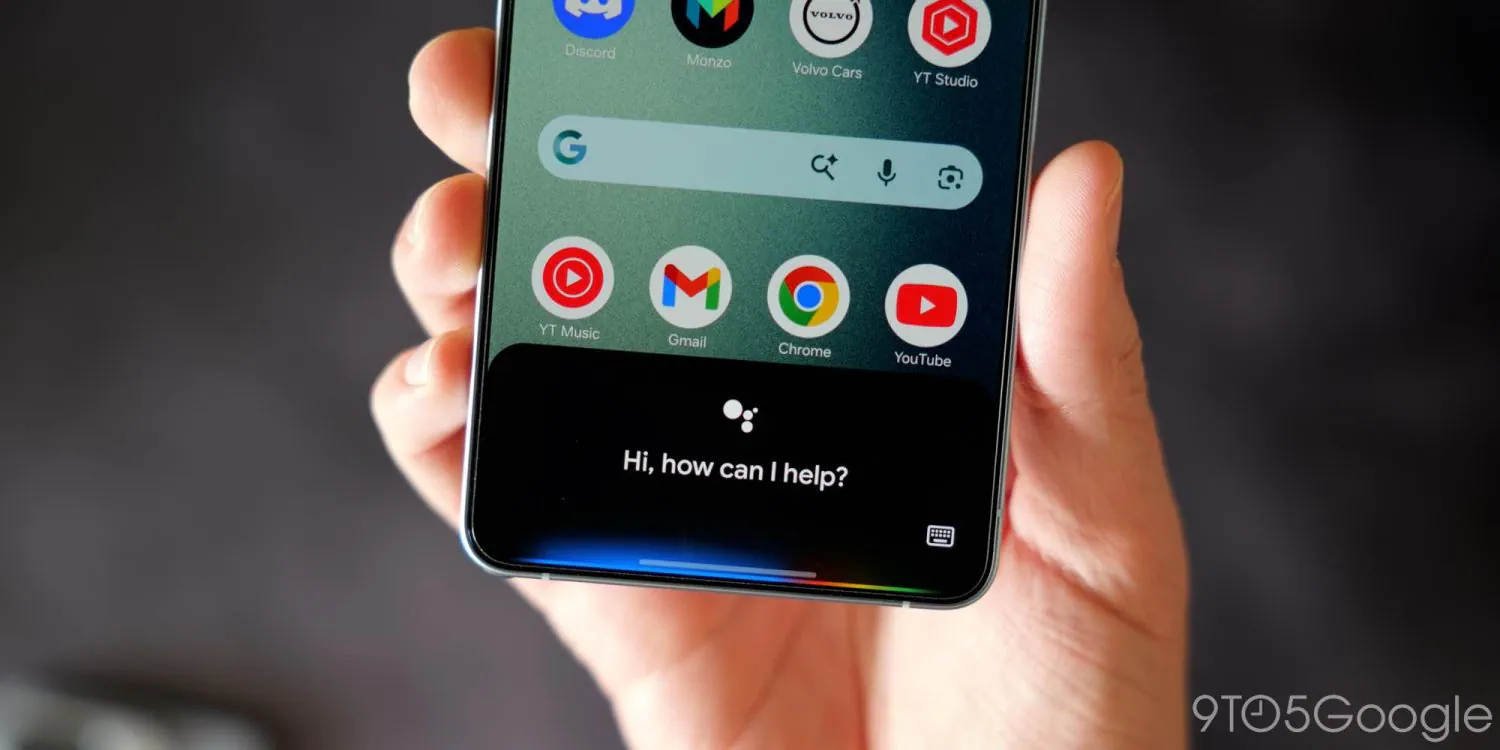
The later September 28 report describes what 9to5Google found after removal was underway: Assistant was gone on all the devices and accounts it checked in the U.S. and Europe, and the Gemini app no longer offered the return shortcut there.
Neither finding identifies a precise global cutover time. Checks across two regions are more informative than a single screenshot, but they do not count all Android users or guarantee the same result for every account, device, or country. Both an earlier disappearance of the switch and a phone that still behaves differently are consistent with a phased rollout.
Frequently Asked Questions
4 questions
1Can I switch from Gemini back to Google Assistant on Android?
The switch-back option was absent from the Gemini app on Android devices and accounts 9to5Google checked in the U.S. and Europe on September 28. Google had warned that users would lose the ability to return to Assistant when the mobile removal reached them. If your phone behaves differently, check the Gemini account menu and which account and device you are using.
2
Sources
- 9to5Google’s September 28 report9to5google.com
- mobile transition noticesupport.google.com
- reported in August by 9to5Google9to5google.com