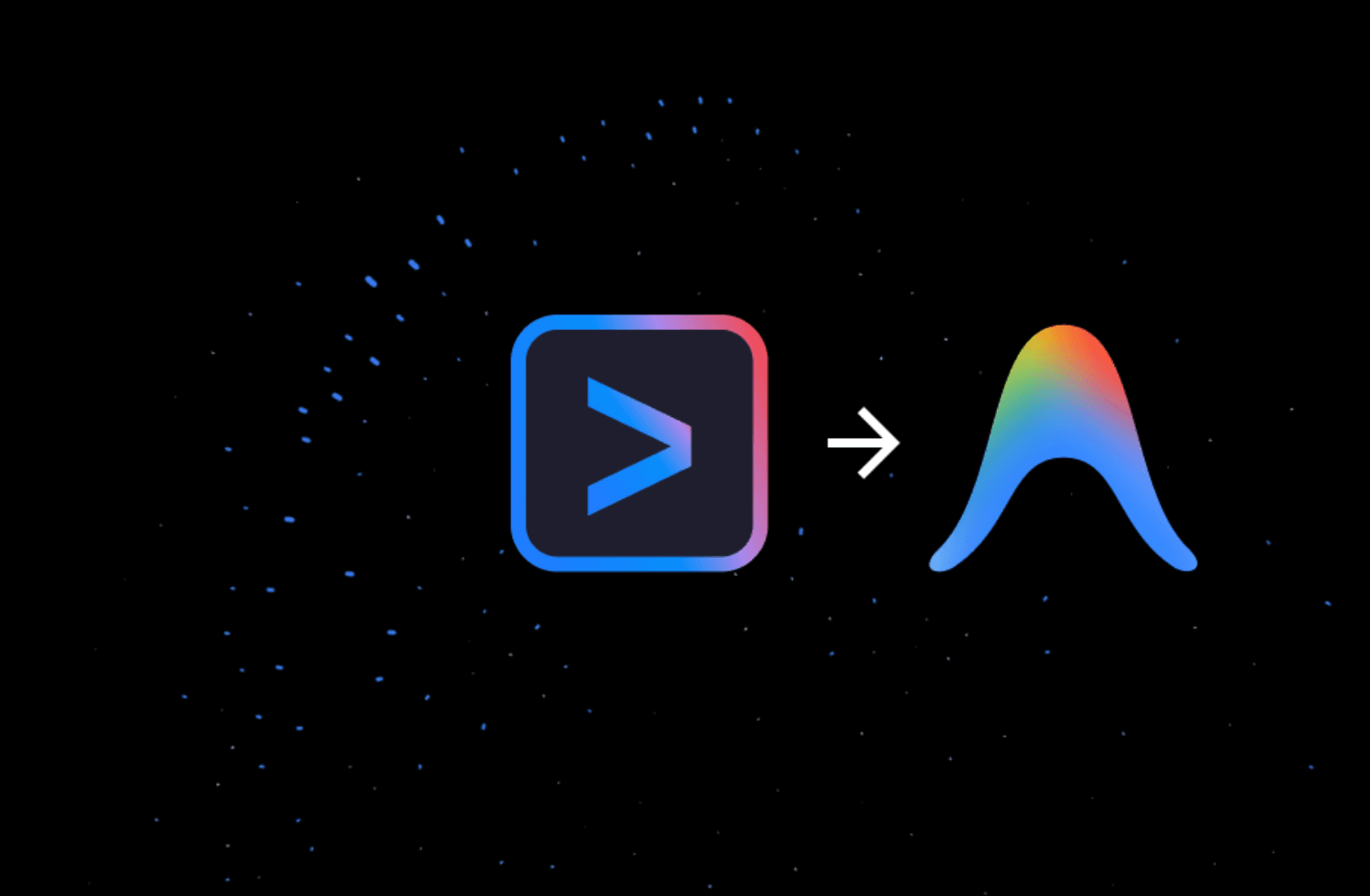
Google used its ongoing Google I/O event to announce that it is transitioning Gemini CLI into Antigravity CLI, folding its terminal-based AI coding tool into the broader Google Antigravity agent-first development platform. For developers who've had Gemini CLI baked into their daily workflows, this is a real change to plan around, not just a branding refresh.
Along the way, the Gemini CLI community grew to millions of users, with over 100,000 GitHub stars, 6,000 merged pull requests, and hundreds of contributors. That's a substantial user base to migrate, and Google's reasoning for the shift is worth understanding before the June 18 deadline hits.
The short version: single-agent terminal tools aren't enough anymore. Gemini CLI proved the terminal could be an incredible interface for agentic tasks, but developer needs shifted. Users now require multiple agents communicating with each other to split up the work and solve complex problems, and that means terminal tools need to share a unified backend with the rest of the workflow.
What Is Antigravity CLI?
To deliver the single platform developers need to build the future, Google is unifying its efforts into Google Antigravity, its premier agent-first development platform, which includes a powerful server-side harness and a brand-new terminal experience: Antigravity CLI.
For those who prefer to stay in the terminal, the Antigravity CLI delivers a lightweight, high-velocity product surface that lets developers create new agents instantly without a graphical user interface. Think of it as Gemini CLI rebuilt from scratch with a different architectural philosophy. In practical terms, Gemini CLI was the terminal-first product. Antigravity CLI is the terminal component of a larger agent platform.
Google is shipping a brand-new Antigravity CLI built in Go, which the company says is faster and more responsive than its predecessor.
Key Technical Highlights
Google cited three main changes in Antigravity CLI: faster execution, asynchronous workflows, and a unified architecture. Here's what each one means in practice:
- Faster execution: The rewrite in Go delivers measurably quicker response times compared to the Node.js-based Gemini CLI.
- Asynchronous workflows: Agents can now run tasks in the background without blocking the developer's terminal session.
- Unified architecture: Antigravity CLI shares the same agent harness as Antigravity 2.0, the new Antigravity desktop application, ensuring that all future improvements to core agents are automatically applied wherever you use them.
On feature parity, Google is being direct. While there won't be 1:1 feature parity right out of the gate, Google made sure Antigravity CLI keeps the most critical features of Gemini CLI: Agent Skills, Hooks, Subagents, and Extensions, now as Antigravity plugins.