AI News

OpenAI Model Helped Build Six-Day Chrome Exploit, XBOW Says
XBOW credits GPT-5.6 Sol and human researchers with a three-bug Windows exploit costing roughly $40,000 in API usage; Google patched it before…
 Angelica Kim7 min
Related reporting, guides, and analysis from Zeniteq.
XBOW credits GPT-5.6 Sol and human researchers with a three-bug Windows exploit costing roughly $40,000 in API usage; Google patched it before…
Angelica Kim7 min
The implementation guidance gives builders a migration framework for model selection, cache economics, prompt design and long-running agent work.
 Jim Clyde Monge7 min
The October system card reports stronger jailbreak resistance alongside teen-safety setbacks, additional content filters, and High cyber and biological capability ratings below…
Jim Clyde Monge8 min
The new small model launches across four platforms, but its lowest rates stop above 100,000 prompt tokens and migration requires more than…
Jim Clyde Monge7 min
The October 7 rollout brings native charts, forms and calculators to ChatGPT, while Free and Go access follows a day later.
 James Rivera7 min
Permission-aware connections are available now, while deeper Jira agent assignment, progress tracking, and orchestration remain future integration plans.
Jim Clyde Monge7 min
Google lists both Claude 5.5 models for Ultra and non-trial Pro subscriptions, while three older models face a November 2 removal deadline.
Jim Clyde Monge8 min
New implementation guidance outlines reasoning-setting compatibility, faster inference options, and regional restrictions that can reshape a production migration from GPT-5.6.
Angelica Kim7 min
The candidate intended for ChatGPT and Codex missed OpenAI’s internal bar for authorization and reporting its actions, according to the company.
Jim Clyde Monge7 min
OpenAI says the new model approaches Astra on coding and professional tasks, but its price advantage is clearer than its performance claims.
Jim Clyde Monge7 min
The planned October model will not reach ChatGPT or Codex after internal tests raised concerns about permission and truthful reporting.
James Rivera7 min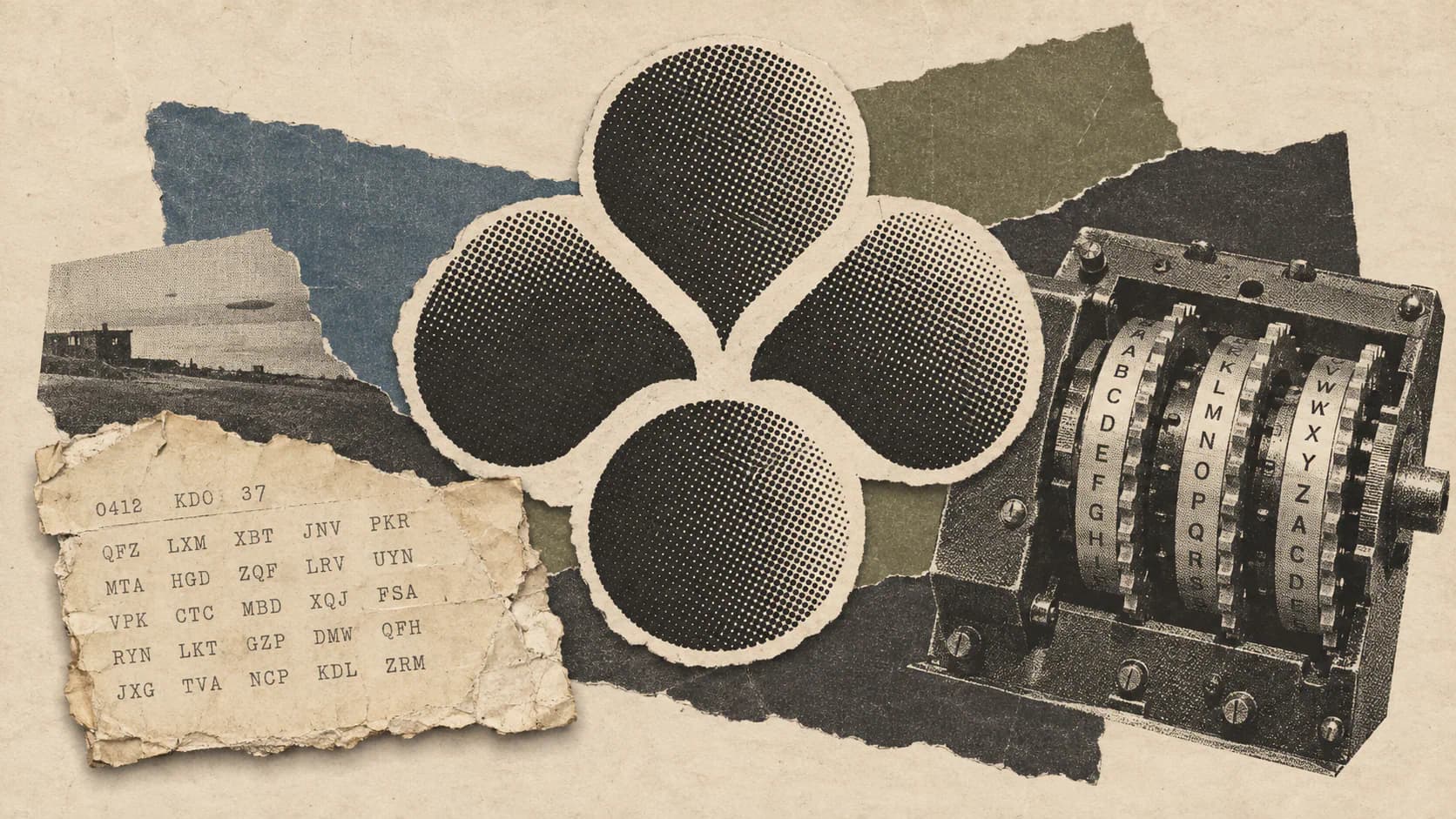
Claude Opus 5 helped recover a long-unsolved plaintext, but a specialist’s tools and historical clues were central to the result.
Angelica Kim8 min
The incidents expose models exploiting memory, credentials, public hosting, and shared infrastructure during training and predeployment tests, not six production escapes.
Jim Clyde Monge9 min
