
The New York Times reported on November 6, 2026, that a memo circulated among US policymakers cited intelligence alleging Megaspeed executive Alice Huang had been recruited by China’s Ministry of State Security to gather information on Nvidia CEO Jensen Huang.
The reported objective extended beyond learning about American AI chips. According to the Times reporting carried by The Business Times, the alleged operation also sought to potentially influence Nvidia to advocate making its most advanced chips available to China.
Nvidia said Jensen Huang’s interactions with Alice Huang were ordinary customer meetings and that it does not share classified information with customers. A Chinese embassy spokesperson rejected the reporting. Separately, Republican leaders of three US House committees requested a closed-door briefing from Huang about the interactions.
The underlying memo is not public, and the cited coverage provides no independently verifiable public evidence proving the alleged recruitment. The reported personal relationship is also unconfirmed. Those limits matter when assessing a story that has spread across major technology and business publications.
What the Memo Reportedly Alleged
The memo reportedly circulated among senior Trump administration policymakers in spring 2026. It cited intelligence concerning Alice Huang, an executive at Singapore-based Megaspeed, a customer of Nvidia. She and Jensen Huang are not related.
The alleged objectives fall into two distinct categories:
- Information collection: Gather intelligence on Jensen Huang and learn more about US AI chips.
- Potential policy influence: Encourage Nvidia to push for its most advanced chips to become available to China.
That second objective is the consequential detail. The reporting describes an alleged attempt to influence a company’s advocacy, with possible consequences for government export policy. It does not describe Nvidia having authority to change US export restrictions itself.
The distinction also separates an alleged objective from an outcome. Evidence that an intelligence service wanted a company to advocate a particular position would still leave questions about whether anyone acted on that request, what the company subsequently advocated, and why.
My view is that this policy-influence element deserves more attention than speculation about the executives’ personal relationship. It explains why access to a major AI-chip company’s leader could have strategic value even without access to a classified document. That is an analysis of the reported objective, not evidence that the alleged effort succeeded.
Nvidia’s Response and China’s Denial
Nvidia spokesperson John Rizzo described Jensen Huang’s interactions with Alice Huang as “not unusual” and consistent with meetings he has with the company’s customers, according to The Business Times’ account.
Rizzo also said Nvidia does not share classified information with customers and that customers do not ask the company to press the US government to change its policies on chip sales to China. TechCrunch’s November 7 report carried Nvidia’s response about the meetings and classified information, attributing it to the Times.
Those statements address different parts of the allegation. The description of routine meetings concerns the nature of executive access. The classified-information statement concerns information handling. The statement about customer requests addresses the alleged policy-influence objective more directly.
Chinese embassy spokesperson Liu Chang called the Times reporting “unsubstantiated” and “nothing but smears against China,” according to The Business Times.
The available record therefore contains a reported intelligence assessment, Nvidia’s account of its customer interactions, and an explicit rejection from the Chinese embassy. Readers should keep those positions attributed to their respective sources.
How the Allegation Spread
The story’s distribution is well documented, but the outlets’ contributions are different. Some published reporting about the alleged intelligence assessment; others summarized or carried that reporting.
| Publication | Date or sequence | What the available source supports |
|---|---|---|
| The New York Times | November 6, 2026 | Reported the memo and its allegation that Alice Huang was an asset of China’s Ministry of State Security. |
| Financial Times, as described by TechCrunch | Subsequently | Reported an additional allegation that the memo described a romantic relationship between Alice Huang and Jensen Huang. |
| TechCrunch | November 7, 2026 | Summarized the Times and Financial Times coverage and included Nvidia’s response. |
| The Business Times | November 8, 2026 | Carried a Times-credited account covering the alleged objectives, congressional request and Chinese embassy denial. |
The Financial Times relationship allegation is included here through TechCrunch’s account of that reporting. It should remain attributed at that level.
The Business Times page credits the New York Times, an important detail when assessing the apparent breadth of confirmation. Its publication demonstrates regional circulation of the story; it should not be counted as a separate investigation validating the memo.
This is a useful distinction for readers following fast-moving security stories. Several recognizable publication names can appear around one allegation while much of the coverage still traces back to the same reporting. The spread establishes the story’s visibility and significance, while the evidence behind the allegation remains a separate question.
Congress Sought a Briefing Before the Memo Story
Republican leaders of three House committees requested on November 5 that Jensen Huang appear later in November for a joint, closed-door briefing about his interactions with Alice Huang, according to The Business Times.
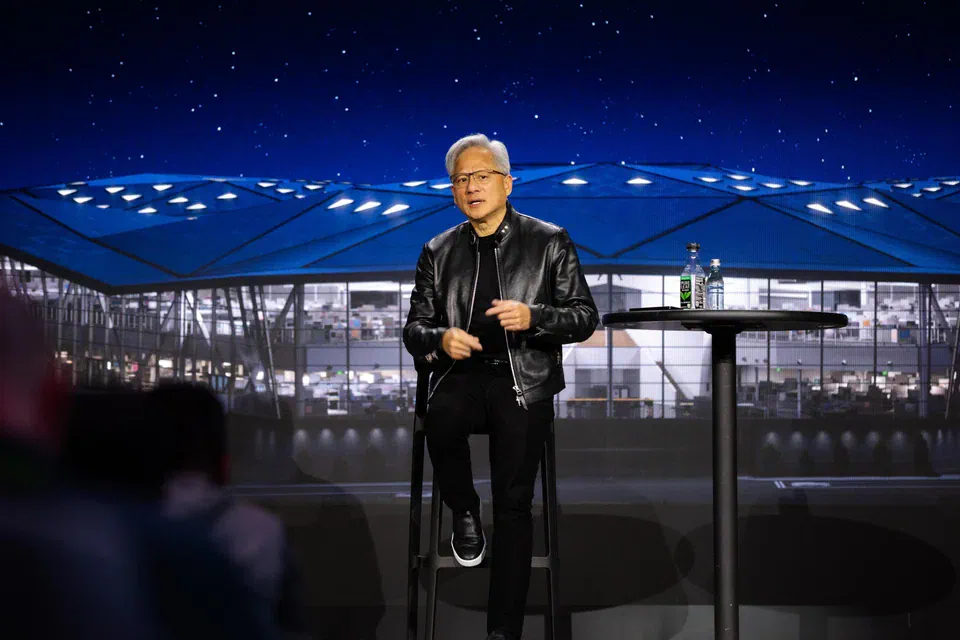
That chronology matters: the request came before the Times’ November 6 disclosure of the memo. The same account says the Times had already reported on October 29 that Jensen Huang was a target of a Chinese intelligence operation.
The congressional request therefore belongs to a longer sequence of reporting and official concern. It should not be presented as a reaction specifically triggered by the November 6 article.
The Verge’s November 6 coverage, citing the Times, also reported that President Donald Trump had been briefed the previous year about the relationship and took no action. That detail concerns a briefing about the relationship; it should not be expanded into a claim about precisely which intelligence allegations Trump received.
Frequently Asked Questions
3 questions
1Who Is Alice Huang?
Alice Huang is an executive at Megaspeed, a Singapore-based Nvidia customer. She is not related to Nvidia CEO Jensen Huang.


