
Google is giving Gemini users a separate control for generative AI training, allowing them to keep their chat history without letting those conversations be used to train its models. The same update extends retention for chats created with History off, and for Temporary chats, to around two months.
The changes move two privacy choices in different directions: users gain more control over training, while Google keeps conversations outside their saved history for longer.
Google announced the update on November 16, 2026, with a global rollout planned over the following weeks. Its stated reasons for retaining history-off chats include responding to users, processing feedback, and protecting Google, its users, and the public.
For anyone adjusting Gemini’s privacy settings, the important distinction is between keeping a conversation in history, allowing model training, and how long Google retains the underlying data. Those are separate questions under the new setup.
History and Training Become Separate Choices
Gemini’s previous Keep Activity setting combined decisions about saving conversations and using them for generative AI training. As 9to5Google reported, users could not independently keep their chat history while opting out of that training use through the same control.
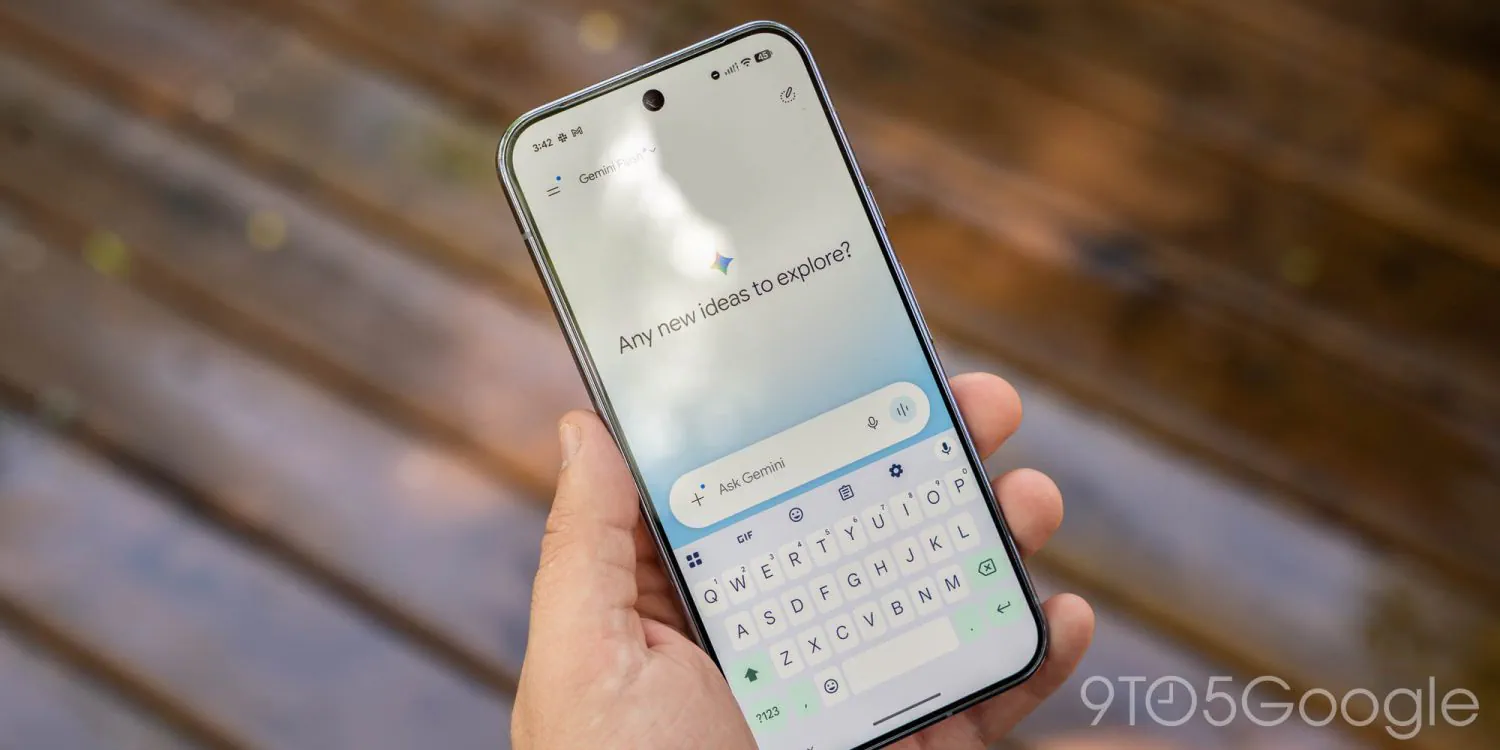
The replacement separates those choices:
- History controls saved chat history, including how long it is kept.
- A separate training setting controls whether chat content, including text and attachments, can be used to train generative AI models.
Google says users will still be able to change how long history is saved, review it, and delete it manually.
That creates a useful option for people who want to revisit a coding discussion, writing draft, or project plan without contributing that material to model training. I’d regard this separation as a meaningful improvement: preserving a useful conversation and consenting to its use in training are different decisions, so independent controls make sense.
The longer retention period needs to be considered alongside that improvement.
| Question | Previous Keep Activity setup | New setup |
|---|---|---|
| Can you keep history while opting out of training? | The choices were tied together. | Yes, through separate settings. |
| Can you manage saved history? | Keep Activity governed saved activity. | History controls it; Google says review, deletion, and retention choices remain available. |
| What happens when history is off? | Google previously described a 72-hour retention period for safety purposes. | Future chats are retained for around two months. |
| What if Keep Activity was already off? | The combined setting was disabled. | Both new settings will be off, according to rollout reporting. |
The new controls are described in Google’s announcement. The previous 72-hour period comes from TechCrunch’s reporting, which cites an archived November 12 version of Google’s Privacy Hub.
History Off Still Means Data Is Retained
Google’s announcement says future chats created with History off will be saved for “around two months.” That wording matters: Google has not presented this as an exact 60-day deletion deadline.
The updated policy also covers Temporary chats. According to TechCrunch, both Temporary conversations and chats made with history disabled move to the longer retention period.
For signed-in users, switching off saved history therefore leaves a substantial period during which Google retains the conversation. The absence of a chat from the user-facing history should not be treated as evidence that Google no longer holds it.
Google identifies three purposes for retaining history-off chats:
- Delivering the service and responding to the user.
- Processing feedback.
- Protecting Google, its users, and the public.
The company frames the change as a safety and security measure as AI systems become more capable. That is Google’s explanation, not an independently demonstrated benefit of this particular retention period.
9to5Google’s report also reproduces Google’s notice saying human reviewers can help with those purposes. The available documentation and reporting leave important operational details unresolved, including what triggers human review and how the retention period is enforced. TechCrunch says Google did not answer its questions about what prompted the change or whether access and review practices would change.
The practical consequence is clear even without those answers: a conversation that previously fell within a days-long retention window can now remain with Google for weeks.
The Training Exclusion Has a Feedback Condition
Google’s Gemini Apps Privacy Hub says Temporary chats and conversations created with History off are not used to train generative AI models when the user does not submit feedback.
That condition deserves attention. A user who disables history should not assume every subsequent action involving the conversation has identical data-use rules. Submitting feedback is a separate decision with its own implications.
The useful distinction is:
- Training opt-out: limits use of chat content for generative AI model training.
- History off or Temporary chat: changes the saved-history experience, but still involves around two months of retention.
- Feedback submission: introduces a condition to the stated training exclusion.
My reading of the published rules is that these settings address different risks. Someone concerned about model training may find the new opt-out sufficient for their purpose. Someone concerned about a sensitive conversation remaining on Google’s systems still has to account for the retention window.
Neither preference is unusual. They simply require different checks in settings.
How Gemini’s Retention Compares With Competitors
TechCrunch’s November 17 comparison reports that OpenAI may retain ChatGPT Temporary chats for up to 30 days, while Anthropic retains Claude Incognito chats for 30 days by default.
On those published figures, Gemini’s new window is longer. Google describes around two months, compared with the roughly one-month periods cited for the competing services.
This is a comparison of reported policies, not measured deletion behavior. TechCrunch also notes that legal or safety requirements, including investigations into policy violations, can lead companies to retain some data longer.
Frequently Asked Questions
3 questions
1Can I keep Gemini history without allowing AI training?
Yes. The new settings separate saved history from generative AI training, allowing History to remain on while training is off.


