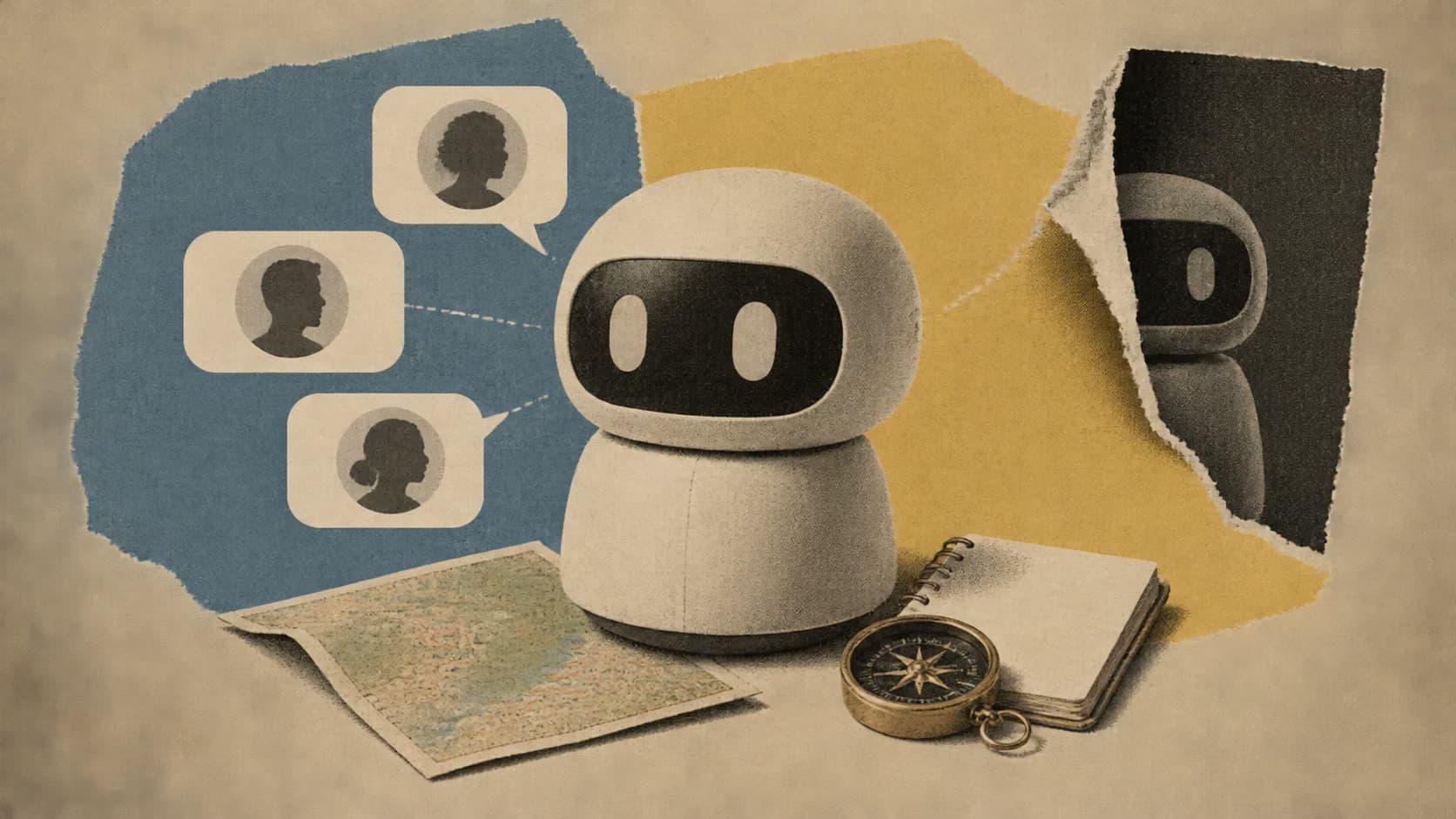
Instinct’s group-chat update lets early-access users bring a shared AI agent into conversations with friends, including people who don’t have Instinct accounts. According to TechCrunch’s launch report, the group gets a new agent that works for everyone. Participants do not gain access to the inviter’s personal assistant.
A personal agent may hold information useful for making plans, but that doesn’t mean everyone in a group should automatically see it. Instinct says its shared agent cannot access participants’ personal accounts, and personal agents ask permission before connecting, sharing information or taking action.
The feature is early access, not a full rollout. Wider availability is promised later, without a firm date in the cited report. The announcement offers a look at how a consumer AI agent might move from helping one person to coordinating a group, and where the company says it draws the privacy boundary.
A New Agent Works for the Whole Group
Instinct founder Noah Shinn described the feature as adding a new Instinct agent to a group conversation. It works for the whole group, separate from the personal agent of whoever invited it.
TechCrunch reports that friends can take part even if they haven’t joined Instinct. That removes a practical obstacle to collaborative AI products: everyone in a planning conversation doesn’t have to sign up for the same assistant.
The announced access belongs to early-access users who can add the agent. Allowing their friends to participate does not establish that people without accounts can create their own Instinct-enabled groups.
Nor should readers interpret “group chats” as confirmation that the feature works in every existing messaging service. The cited coverage does not establish a list of supported third-party chat platforms. It describes an eligible user introducing a shared agent into a group workflow, with friends able to participate without first becoming personal Instinct users.
Shared Planning Removes Some of the Relay Work
The announcement coverage points to travel planning, event tickets, fantasy leagues, carpools and coordinating what people bring to Thanksgiving as potential uses. These are proposed scenarios, not independently tested results.
All involve coordination. One person’s assistant can suggest an itinerary, but someone still has to relay that suggestion to friends, collect objections and bring the revisions back. A shared agent puts the discussion and the assistance in the same conversation.