

Anthropic is permanently increasing the standard weekly limits for Claude Code, but anyone comparing the change with their current allowance will experience a reduction.
Starting September 14, 2026, weekly limits will sit 25% above their original baseline for Pro, Max, Team, and seat-based Enterprise plans. The temporary 50% increase remains active through September 13. Moving from a 50% boost to a 25% boost works out to roughly 17% less weekly capacity than users have now.
The distinction matters because Anthropic initially described the change as an increase. It is an improvement over the old standard limits, but it is also a measurable cut to the AI coding allowance developers have become accustomed to using.
The 25% Increase Still Cuts Current Usage by 17%
Anthropic confirmed the schedule and the comparison through its official Claude Developers account. The company also said it is preparing further changes intended to give users more visibility and control over their usage.
The percentage sounds contradictory until the two different reference points are separated. A simple index illustrates the change without pretending that Anthropic allocates exactly 100 usage units:
| Weekly Allowance | Indexed Capacity | Change From Old Standard | Change From Current Limit |
|---|---|---|---|
| Original standard limit | 100 | Baseline | -33.3% |
| Temporary limit through September 13 | 150 | +50% | Current allowance |
| Permanent limit from September 14 | 125 | +25% | -16.7% |
Dropping from 150 to 125 removes 25 units. Dividing that reduction by the current 150-unit allowance produces 16.7%, which rounds to 17%.
That is why both descriptions are mathematically accurate. Anthropic is raising the permanent standard by 25%, while simultaneously reducing the active weekly allowance by 17%. The latter comparison is more useful for someone deciding how much Claude Code work they can schedule after September 14.
BleepingComputer’s report on the change also noted that Anthropic deleted an earlier thread before publishing a clarification that explicitly acknowledged the 17% reduction.
September 14 Changes Weekly Capacity, Not Every Claude Limit
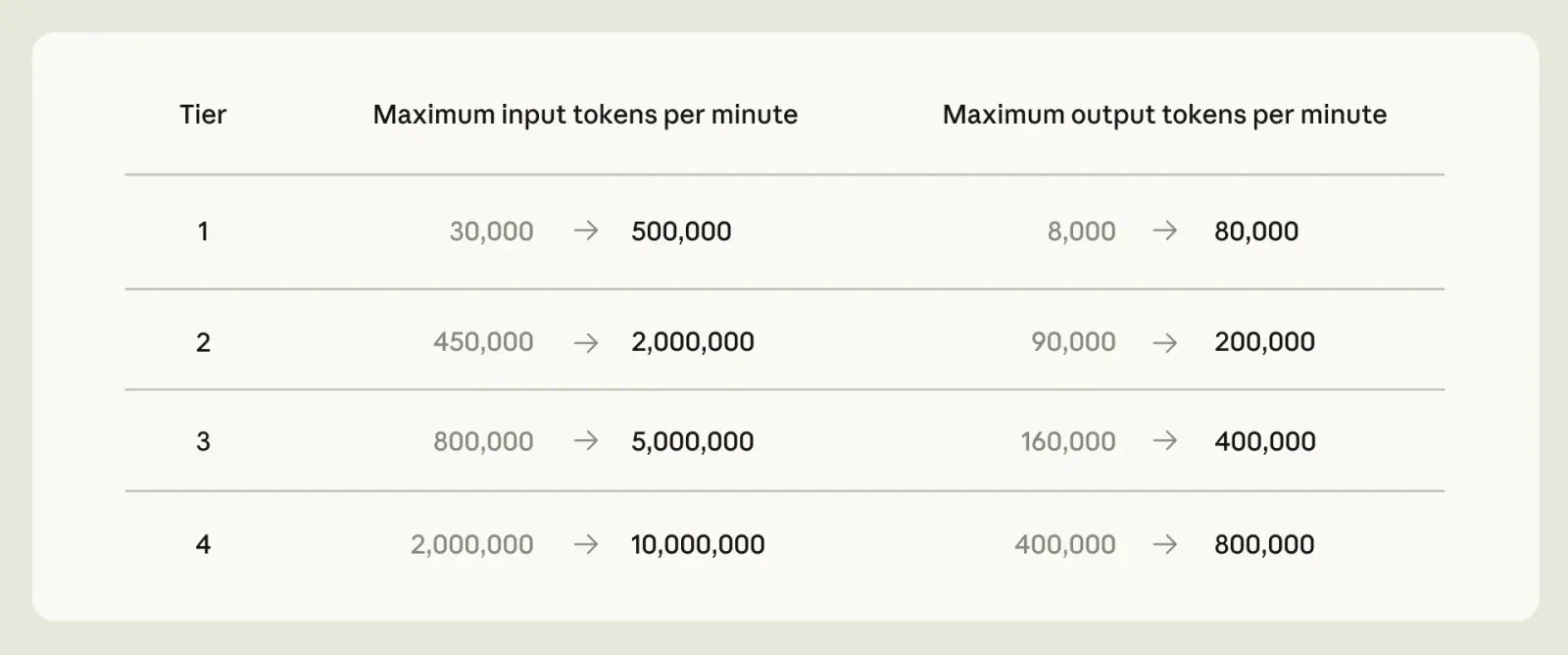
Image: Higher usage limits for Claude and a compute deal with SpaceX.
Claude Code has more than one restriction, and the new announcement addresses standard weekly limits. It should not be read as a 17% reduction to every rate limit associated with the product.
On May 6, Anthropic separately announced that it was doubling Claude Code’s five-hour rate limits for Pro, Max, Team, and seat-based Enterprise subscriptions. It also removed peak-hour reductions for Pro and Max accounts. The September post does not say those five-hour changes are being reversed.
Anthropic’s usage page shows both controls separately:
- A five-hour session limit that restricts usage within a shorter rolling period
- Weekly limits for Opus and other models
- Optional usage credits for continuing after included capacity runs out
A developer can therefore have weekly capacity remaining while temporarily reaching a five-hour limit. Conversely, consistently heavy sessions can exhaust the weekly allowance before the next reset.
The limit is also broader than a simple Claude Code message counter. Anthropic’s explanation of usage limits says activity across Claude.ai, Claude Code, and Claude Desktop contributes to the same usage allowance. Developers who use Claude for research and planning alongside terminal-based coding should account for both workloads.
Four Paid Plan Categories Are Affected
The announced change applies to Pro, Max, Team, and seat-based Enterprise plans. Anthropic did not provide new absolute weekly allowances for each subscription tier in its post, so users should not interpret the 25% figure as a fixed number of prompts or working hours.
Free accounts were not named in the announcement. Neither were Claude API customers who authenticate Claude Code with a Console or cloud provider API key.
That distinction is important for Enterprise customers. According to Anthropic’s Claude Code metering documentation, a user signed in through an eligible Enterprise seat receives an included usage pool and can encounter a hard limit. Someone using an API key instead pays per token and continues until a billing or account-level spending restriction intervenes.
Current usage-based Enterprise plans also operate differently from the seat-based plans named in the announcement. They bill consumption at API rates rather than providing an included weekly allowance.
Anthropic’s Framing Created an Avoidable Trust Problem
Calling the new allowance a permanent 25% increase is defensible when the old base limit is the comparison. For active customers, however, the temporary 50% boost is the service they are using today. Their practical question is whether Claude Code will let them complete more or less work next month.
The answer is less.
Temporary promotions always carry an expiration date, and Anthropic is not obligated to preserve promotional capacity indefinitely. The problem is presentation. Leading with the permanent increase made a reduction in current usage sound like an expansion until users performed the arithmetic.
This is especially sensitive for an AI coding agent. Developers can gradually build Claude Code into code reviews, debugging, testing, migrations, and larger implementation tasks. A temporary allowance that lasts long enough to shape those workflows starts to feel like normal product capacity, even if it was never formally promised as the permanent baseline.
Anthropic’s later clarification was more direct. It acknowledged the 17% reduction and said additional usage changes are coming. Until the company explains those changes, users should treat them as future plans rather than compensation for the September reduction.
A 17% Limit Cut Will Not Equal 17% Fewer Prompts
Anthropic does not define Claude Code usage as a fixed number of prompts. The amount consumed depends on the model, effort setting, tools, project context, files read, and the length of the current conversation.
Long coding sessions can become particularly expensive because each new turn carries earlier conversation history and relevant project context back to the model. A short request late in a large debugging session may consume more capacity than a much longer request in a fresh session.
Model choice matters too. Anthropic says Opus uses meaningfully more quota than Sonnet, while Haiku is suited to less demanding, high-volume work. Two developers with identical subscriptions can therefore get very different amounts of practical work from the same weekly limit.
The September change guarantees a smaller usage pool relative to today, not an exact 17% decline in completed tickets, generated code, or prompts. Efficient users may barely notice it. Developers running long Opus sessions, multiple agents, or repository-wide tasks are more likely to reach the new ceiling.
What Claude Code Users Should Do Before the Change
The temporary 50% increase remains available through September 13, so developers have two weeks from August 30 to understand their current consumption pattern.
Start with Anthropic’s usage limit dashboard. Under Settings > Usage, eligible subscribers can view their five-hour consumption, weekly usage, reset times, and any available usage credits. Checking the dashboard over several normal working days will provide a better forecast than counting prompts.
A few workflow changes can make the smaller allowance easier to manage:
- Use
/clearwhen moving to an unrelated task so Claude Code does not continue carrying an unnecessary conversation history. - Use
/compactwhen a long session must continue but the important context can be summarized. - Keep Sonnet as the default for routine implementation and reserve Opus for difficult debugging, architectural decisions, or broad refactors.
- Give Claude a focused
CLAUDE.mdfile instead of repeatedly supplying the same large block of instructions. - Point Claude Code to relevant files rather than pasting entire files into every prompt.
- Schedule usage-heavy refactors with weekly reset times in mind.
Users who cannot tolerate an interruption can enable pay-as-you-go usage credits after exhausting included capacity. Team and seat-based Enterprise administrators can also configure organization-level usage credits, including spending controls. Those credits incur charges beyond the subscription price, so they are a fallback rather than a replacement for clear limits.
Final Thoughts
The permanent increase is still better than returning Claude Code to its original weekly baseline. The lasting allowance will be 25% higher, and users facing the pre-promotion limits receive a real improvement.
Yet the relevant September 14 change is a 17% reduction from the service available now. Anthropic should have led with that comparison instead of requiring customers to decode two percentages. Its promised visibility and control features may improve the tradeoff, but their value will depend on whether they help developers predict usage before an agent stops in the middle of real work.
Frequently Asked Questions
4 questions
1Are Claude Code weekly limits increasing or decreasing?
Claude Code’s permanent standard limits are increasing by 25% compared with the original baseline, but they are decreasing by about 17% compared with the temporary limits available now. The temporary 50% boost remains active through September 13, 2026. Anthropic will replace it with the smaller permanent 25% boost on September 14.


